Diagnostic visit
from $95
Credited toward the repair when you go ahead. If you do not, you pay this and nothing else.
Miami-Dade · Broward · Palm Beach
Almost nothing JennAir builds stands on the floor. Columns, panel-ready refrigeration, built-in dishwashers, undercounter wine cellars and ice machines, cooktops set into stone. That one fact explains most of what a repair on this equipment costs, and we would rather you knew it before the visit than after the invoice. Independent company, diagnosis on site, scope and price in writing before anything is opened.
What we repair
Refrigeration columns, freezers, dishwashers, wall ovens, ranges, cooktops and rangetops, wine cellars, undercounter ice machines and microwaves — including the drawer. Start with whichever one is misbehaving. There is no laundry here: this maker does not build it, and we will not pretend otherwise.
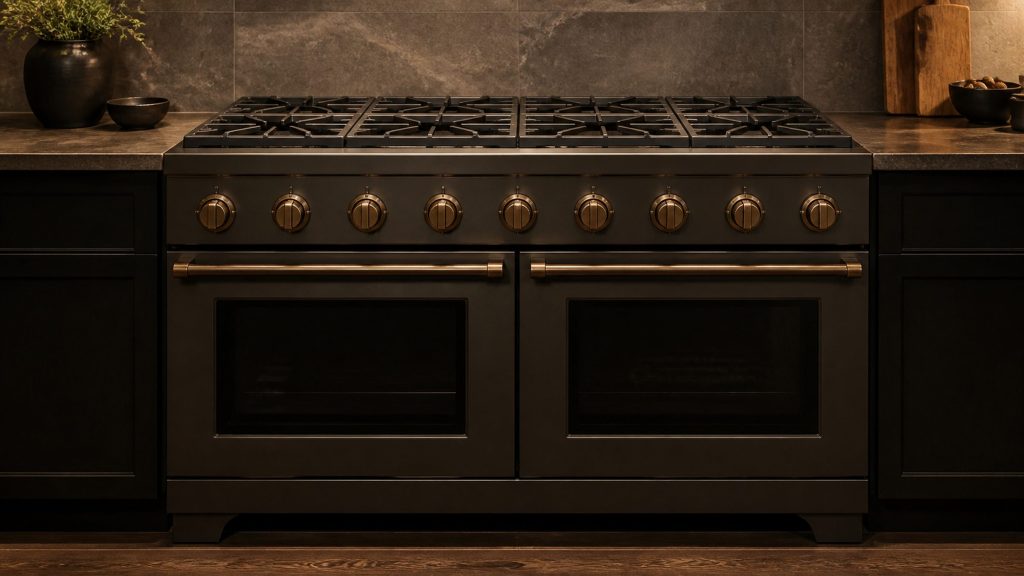
Thirty machines in the current line and the most expensive thing in most of these kitchens. Dual-fuel and gas professional ranges with dual-stacked burners, a chrome-infused griddle or a gas grill built into the top, the first induction professional-style range this maker has built, and the slide-ins. A 48-inch range is two ovens, six burners and a griddle in one appliance, and any one of those can be the reason you called.
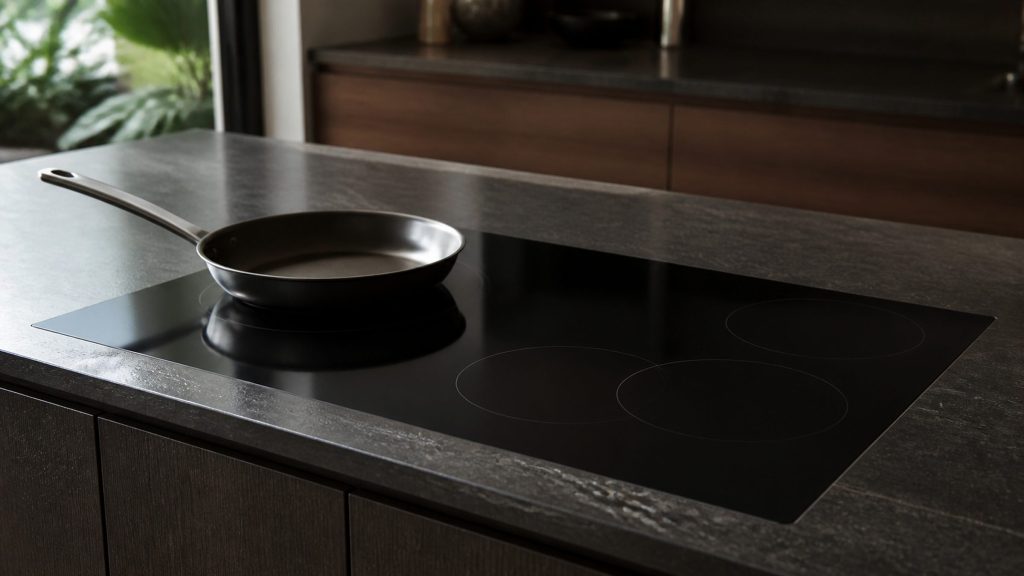
The widest row on this site: thirty-nine cooktops and fourteen professional rangetops, which are the same repair under a different word. Induction, radiant glass, sealed gas, and the downdraft cooktops that pull the steam down through the counter instead of up into a hood — an idea this maker invented and still sells.
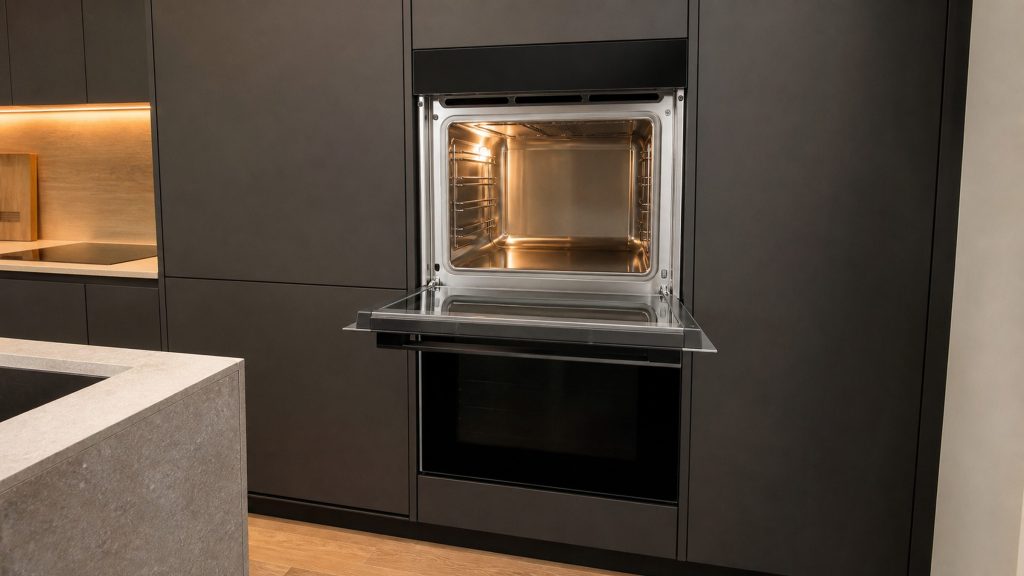
Twenty machines: single ovens, double ovens, the microwave-combination towers that are two appliances in one cabinet, and the speed ovens. Almost all of them are built into a run of cabinetry, which decides more about the appointment than the repair itself does — a wall oven has to come out of its housing before anybody can reach the back of it.
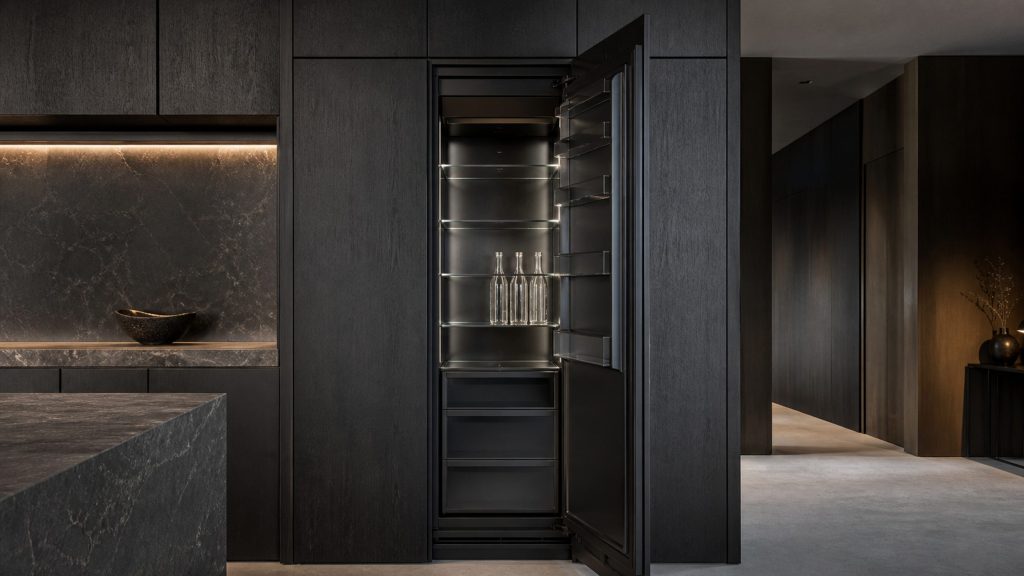
The largest row in this line and the one this phone rings about most. Built-in cabinets and panel-ready columns from 18 to 48 inches, French door, the undercounter units that live in an island or a bar run, refrigerated drawers and beverage centers. Most of them are trimmed into your cabinetry, which is the first thing we need to know.
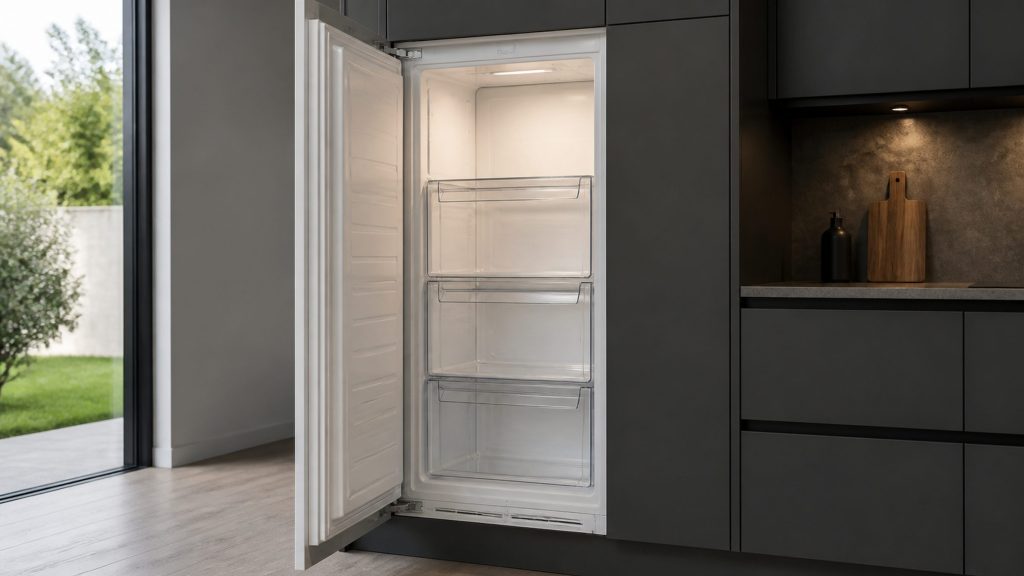
This make builds three standalone freezers and they are all the same idea: a panel-ready column, single temperature, meant to stand beside a refrigerator column behind matching cabinetry. That is the whole row, and it is a short one on purpose. The freezer half of a combination cabinet is covered on the refrigerator page, because that is the same appliance.
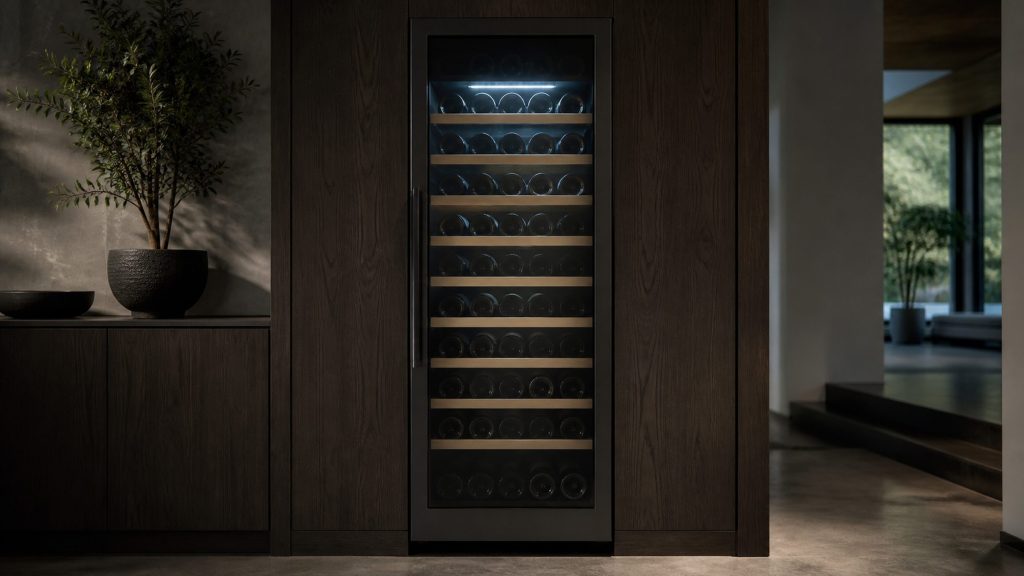
Undercounter cellars and full-height wine columns, most of them dual-zone and most of them panel-ready. A wine cabinet almost never stops outright: it drifts a few degrees, holds the wrong humidity, or starts vibrating, and it says nothing about any of it. In a market with a great many second homes, that can run a whole season before anybody notices.
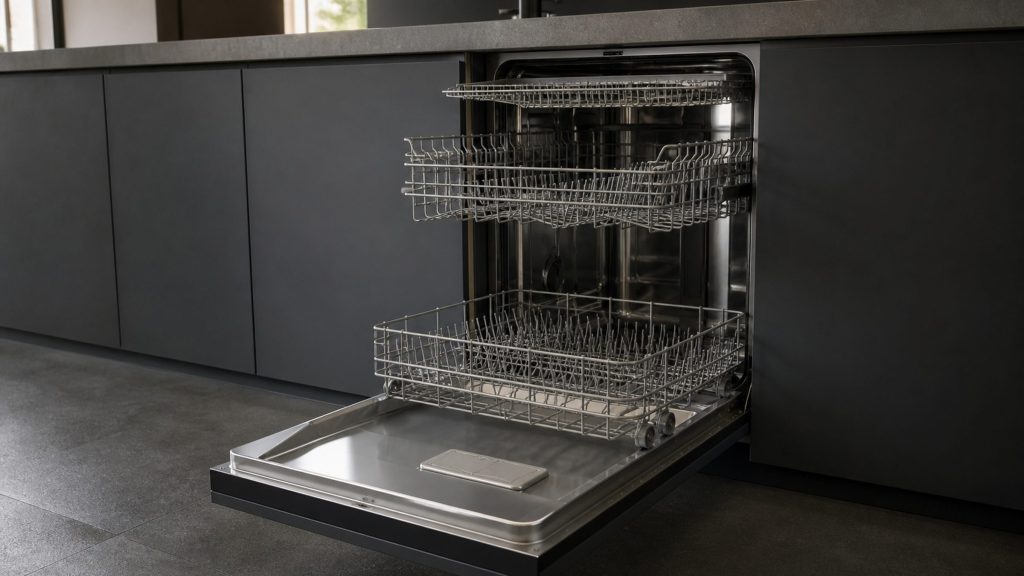
Ten machines, all of them 24 inches, all of them quiet enough that the loudest thing in the kitchen is the water. Fully integrated, panel-ready and pocket-handle fronts; a third rack for cutlery on most of the line. On the integrated machines the controls are hidden along the top edge of the door, which changes how a problem is diagnosed more than it changes the machine.
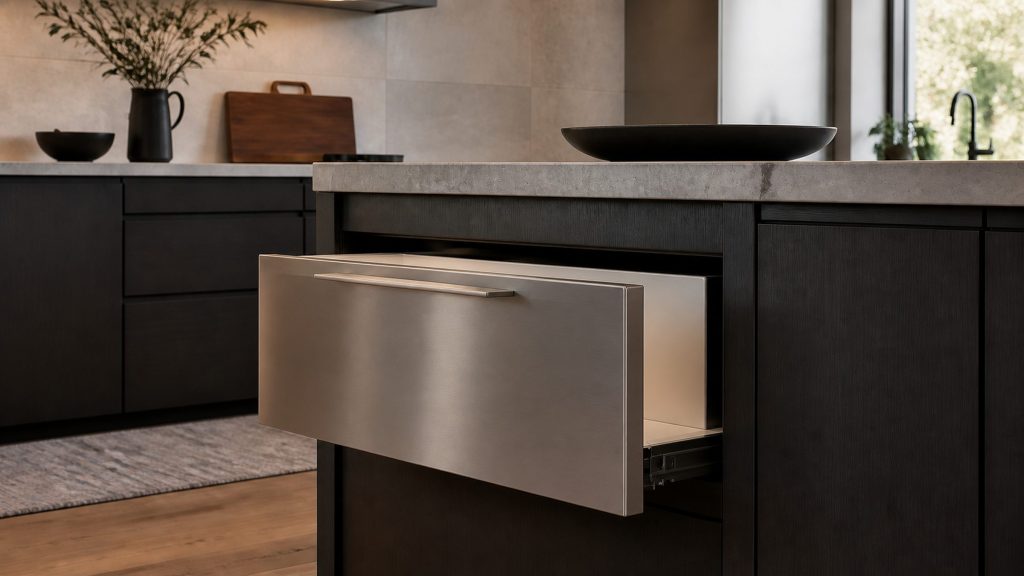
Thirteen machines and four quite different appliances sharing a word: the built-in ovens that sit in a cabinet run, the drawer units that open downwards out of an island, the over-the-range models that are a microwave and a ventilation hood in one, and the speed ovens that add convection and browning to the microwave underneath.
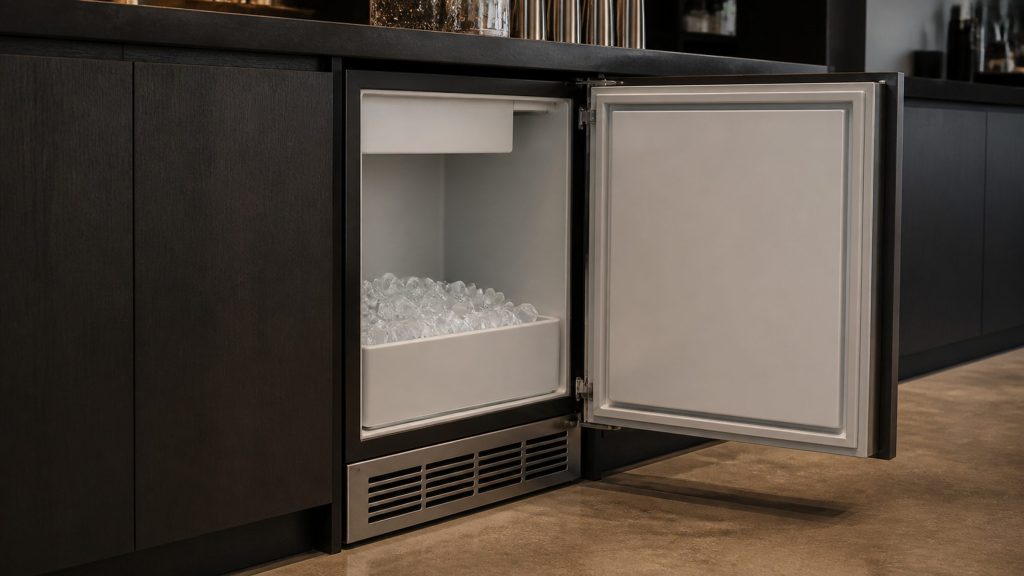
Two machines in the current line, both undercounter, both 15 inches, and most of what goes wrong with them is water rather than refrigeration. An ice maker is a small appliance with a plumbing problem attached — a supply, a path through the machine, and a drain — and in this water all three of those want attention long before the sealed system does.
South Florida
Error codes
The F names the function that reported and the E names what it reported, so F2E1 and F2E0 are neighbors while F1E1 is a stranger to both. Read the four characters as one token and you are looking up somebody else's problem.
Reading F2E1
This numbering is not exclusive to the badge on your door. JennAir, KitchenAid, Whirlpool, Maytag and Amana are one corporation running one control platform, and the table is shared. We would rather say that than sell you a secret we do not have.
The shapes this platform writes
F2E1
F and a digit, E and a digit. The ordinary shape on ranges, wall ovens, cooktops and dishwashers with a display
E90
E and two digits, on induction cooktops. A different alphabet on the same badge
PO
Two letters and no number, on refrigeration. A message about a power cut rather than a breakdown
How many conditions each machine publishes
| Wall ovens | 118 conditions, the largest block on this badge, and the one where F-and-E runs furthest |
|---|---|
| Ranges | 95 conditions, sharing most of their numbering with the wall ovens above |
| Cooktops and rangetops | 41 conditions, and the induction ones answer in E-numbers instead |
| Microwaves | 38 conditions, the drawer and the oven-hood combinations among them |
| Dishwashers | 17 conditions — and most of these are fully integrated, with no display to show them on |
| Refrigerators | 10 conditions, several of which are messages rather than breakdowns |
| Wine cellars | 2 conditions, the whole published list |
There is no laundry row on this site and there will not be one. This maker builds no washer and no dryer for the United States, its own support base has no laundry branch, and a code table that pretended otherwise would be inventing a machine.
321 conditions across 179 numbers, every one read from the manufacturer's own support base. On 272 of them the entire published instruction is a one-minute cycle at the breaker — those pages say plainly that this is a test, not a repair, and a good share of the people who run it never need to call anybody.
Browse all error codesNo number on the display, or no display at all? A great deal of this equipment reports nothing: a gas burner that will not light, a downdraft that runs and pulls nothing, a wine cellar two degrees off. Those live under symptoms rather than codes, and the symptom pages are written for exactly that case.
How a visit runs
The number from the plate and a line about the behavior. On built-in equipment that plate is usually inside the door frame or behind the lower grille, and a photograph of it saves the visit a great deal of guessing.
Not every part in the van — the ones your description points at. On a column that has to come out of its housing, having the part on board is the difference between one visit and two.
Nothing is opened until you have both and have agreed to them. The diagnostic comes off the bill when you go ahead. If the machine is still inside the maker's two-year warranty, we tell you that instead of quoting.
We guarantee the work we performed and the parts we fitted. Where a repair approaches the value of the appliance, you get told that rather than a quote.
What it costs
On built-in equipment the same symptom has causes that sit hundreds of dollars apart, and a large share of the difference is not the part — it is whether the machine has to come out of its cabinetry to reach it. Every figure here is a starting point for this equipment in South Florida.
from $95
Credited toward the repair when you go ahead. If you do not, you pay this and nothing else.
from $185
The subject this make invented. Three of the five causes are the filter, the damper and the duct — all outside the appliance.
from $165
A warm fresh-food side with a cold freezer is airflow far more often than refrigerant. On a column, the access is most of the visit.
from $145
A good share of these end at the filter, the air gap or the disposal plug — outside the machine entirely.
from $195
The sensor drifts before it fails, and an element is the other half of the same complaint.
from $165
The drawer mechanism and the interlocks. What is behind the high-voltage side is not an owner repair at any price.
Exact cost is confirmed after an on-site diagnostic, and the scope and the figure are in writing before anything is opened.
Every JennAir figure, with the reasoning behind itWhere we work
Fifty-nine cities and neighborhoods, each with a page saying what we actually see there. Tell us where you are when you book — on panel-ready installations the address decides how long the door takes.
Neighborhoods people ask for by name
Not seeing yours? Call us — if it is in one of the three counties, we come to you.
You will have the scope and the price in writing before anything is opened.
This article is based on:
Before you call
No, and we will not say we are. We are an independent repair company, not affiliated with, authorized by or endorsed by any manufacturer, and we do not carry out repairs on any manufacturer's behalf. What we do carry is our own warranty on the work we performed and the parts we fitted, and OEM parts are available on order.
Usually it is not the part — it is the access. A column is fitted into cabinetry that was cut to it, often secured to the surround, with the water line and the electrical connection behind. Reaching a fan that costs eighty dollars can be most of the appointment. It is the single most useful thing to understand about this equipment, and it is why we give a starting figure rather than a price on the phone.
It may well be, and it is worth checking before you book anybody. This manufacturer gives two years on parts and labor rather than the usual one, and ten years on the sealed system in three steps. If your machine is inside that, tell us and we will say so plainly — we would rather lose the call than be paid for somebody else's obligation.
That is the complaint this make gets more than any other, and the blower is rarely the answer. Five things stop a downdraft and three of them are outside the appliance: a saturated grease filter, a damper that has not opened, and the duct run under the floor. Hold a sheet of paper against the intake with the blower on high — if it holds, air is moving and the problem is downstream.
We can narrow it a long way, and it is worth the call. These codes are two-part — the F names the system that reported and the E names what it reported — so all four characters matter. Worth knowing: this numbering is shared across the whole corporate group, so a code you found on another badge's page may well be describing your machine correctly.
Yes, and there are a great many of them still working in South Florida kitchens. The electrical and mechanical parts are commonly available; what is genuinely scarce is cosmetic and model-specific — some cartridges, some trim, some control panels. We check availability before anything is ordered rather than after, and we say plainly when a machine is not worth the part.