JennAirRepair Miami

Described the way you would describe it

What your JennAir is doing, and what it usually means.

You do not need to know which part has stopped. Find the description that sounds like yours, read the free check at the top of the page, and if that does not settle it, the likely causes and what each repair starts at are on the same page. No page here asks you to book before it tells you anything.

  • 31 complaints with a page of their own
  • free the first check on every one of them
  • 9 appliance types covered
  • from $95 diagnostic, credited to the repair

Book a visit

Book a diagnostic visit

Your model number and a line about what it is doing is enough to get started. We will confirm the earliest slot we can genuinely keep.

  • Diagnostic from $95, credited toward the repair when you go ahead
  • The work and the price in writing before anything is opened
  • A warranty on our workmanship
  • Miami-Dade, Broward and Palm Beach counties
  1. 01 You tell us the model and what the unit is doing. A photo of the display helps.
  2. 02 We come back with the earliest slot we can genuinely keep, not the earliest one that sounds good.
  3. 03 Diagnosis on site, then the scope and the price in writing before anything is opened.

Your details stay private. No spam, ever.

Loading the booking form…

The booking form is taking longer than it should. Call (305) 745-7213 and we will book the visit with you.

By symptom

Find the one that sounds like yours

Each page opens with the thing to try before calling anybody, then lists what the behavior usually turns out to be, cheapest cause first, with the figure that repair starts at.

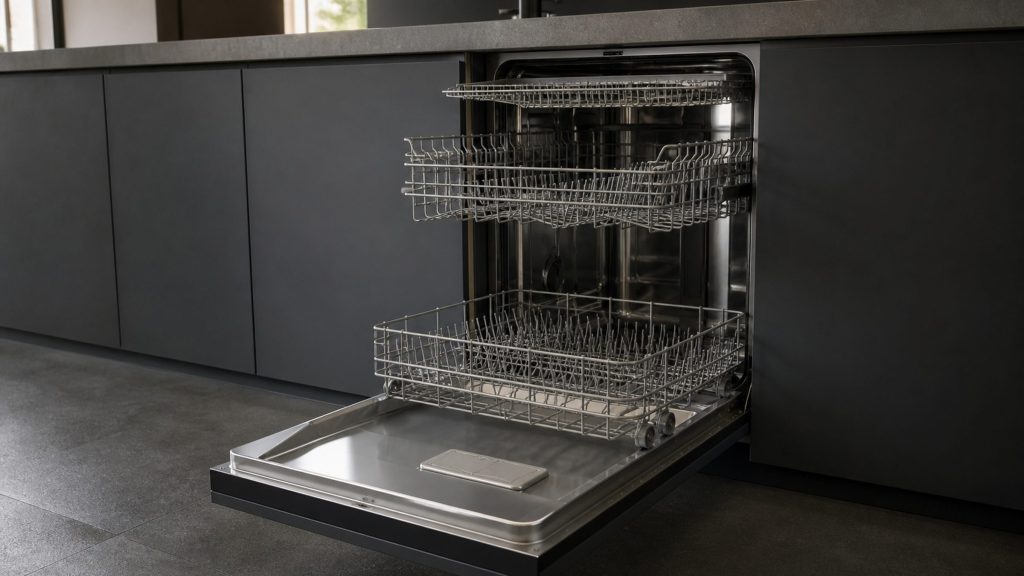
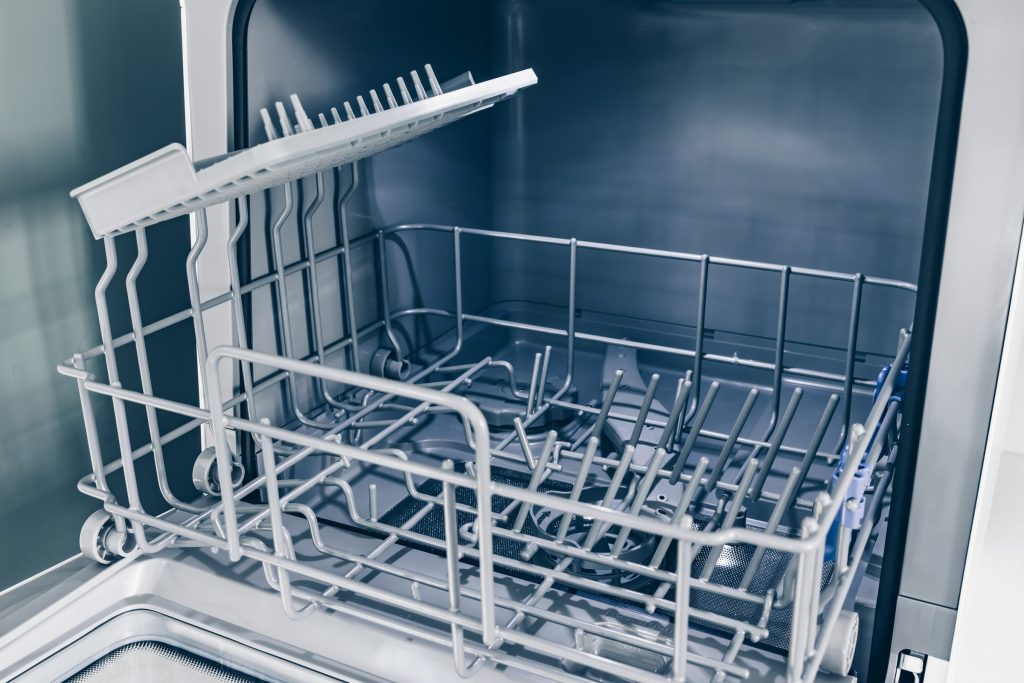
  • The lower basket and tub floor of an open dishwasher, empty
    Water still in the tub

    Dishwasher will not drain

    A cycle that finishes — or stops — with water standing in the bottom of the tub. Four of the five things that cause this are outside the machine or free to clear, which is why this one is worth ten minutes before it is worth a visit.

    • Standing water at the end of every cycle
    • You can hear the pump trying
    • It drains if you run it again
    What it usually means
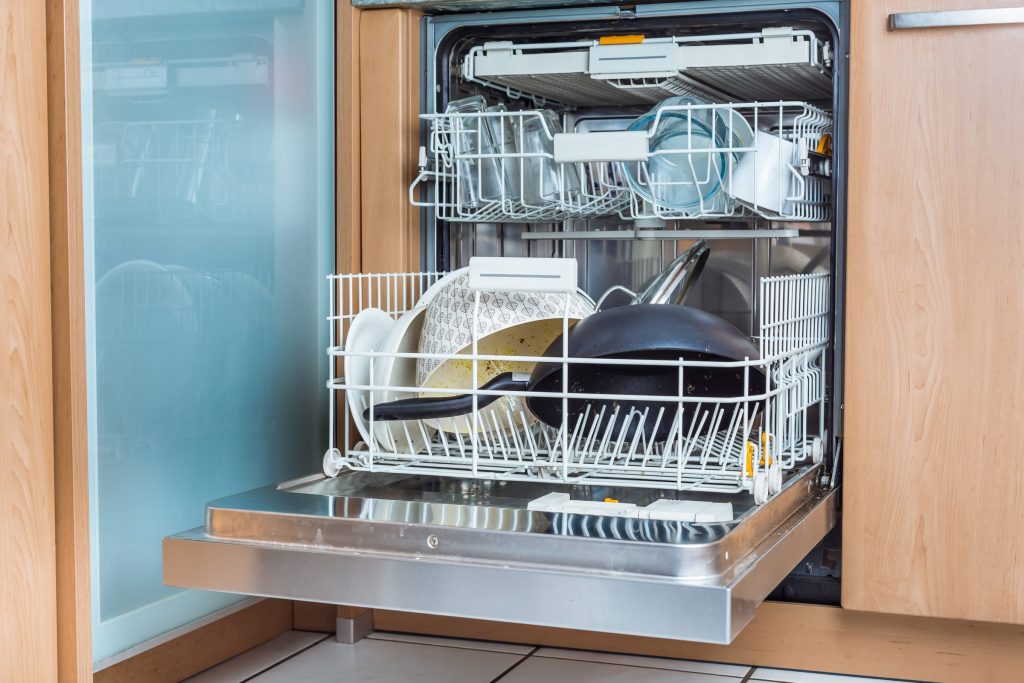
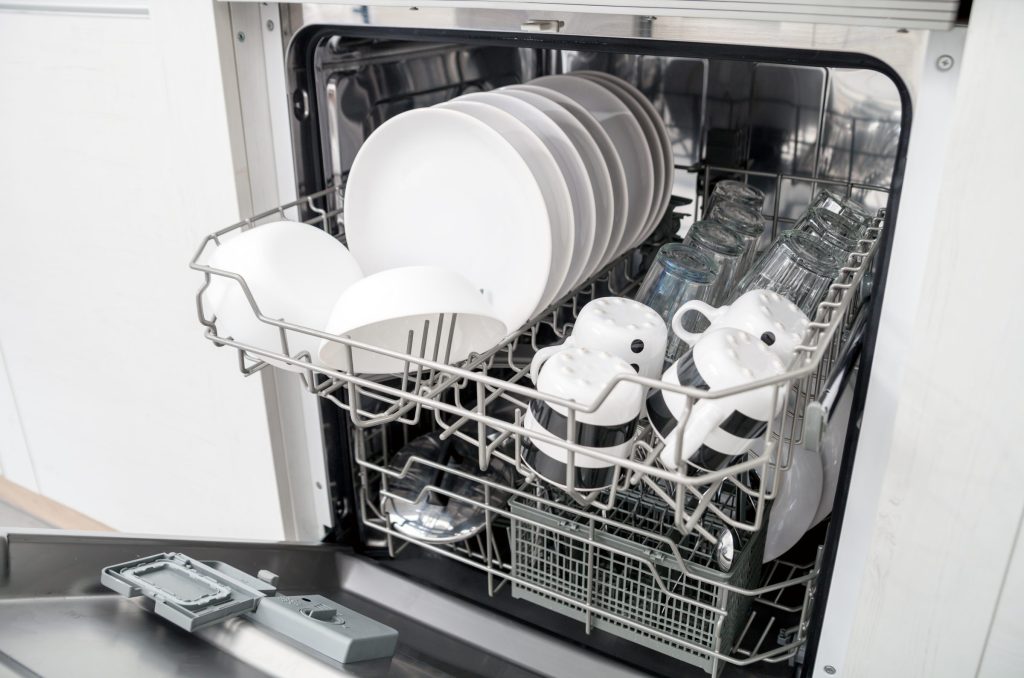
  • A built-in dishwasher standing open with both baskets loaded
    Gritty, filmed, or dirty on one rack

    Dishwasher is not cleaning

    The complaint that most often ends without a part. Which rack is failing, and whether the film wipes off, are the two answers that decide almost everything — and both of them are free to establish.

    • Grit left on the dishes after a full cycle
    • A white film on glassware
    • One rack clean and another not
    What it usually means
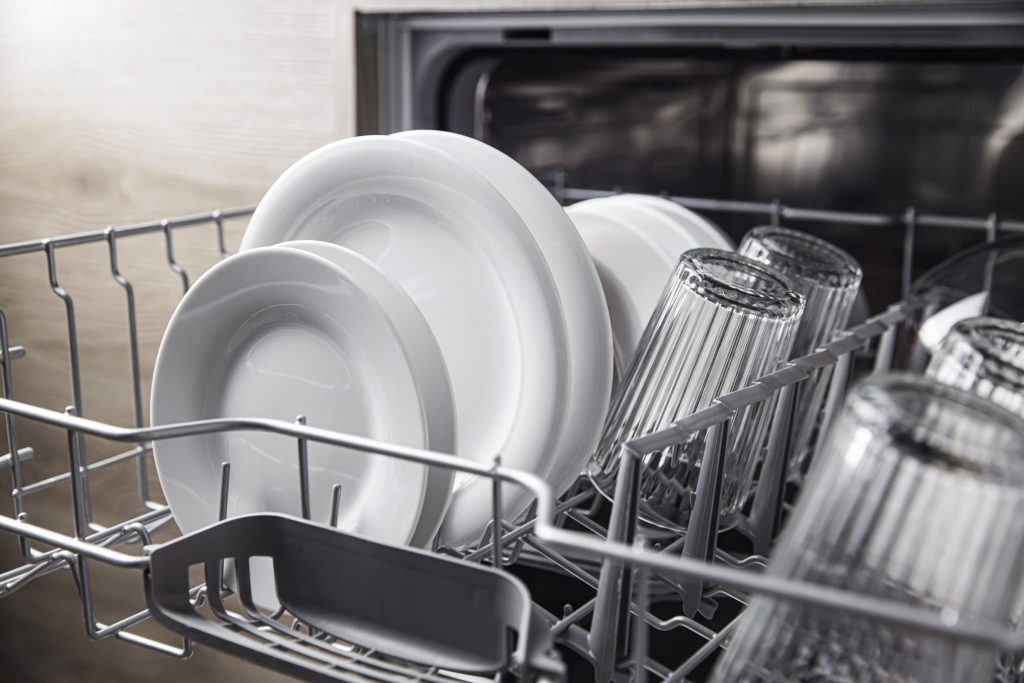
  • Plates and glasses standing in the upper basket of an open dishwasher
    Clean but wet

    Dishwasher is not drying

    Everything comes out clean and everything comes out wet. On these machines that is usually not the heater — it is the rinse aid, the way the load is stacked, or the cycle that was actually run.

    • Plastics wet and everything else nearly dry
    • Water pooled in the bottoms of cups
    • A whole load damp at the end
    What it usually means
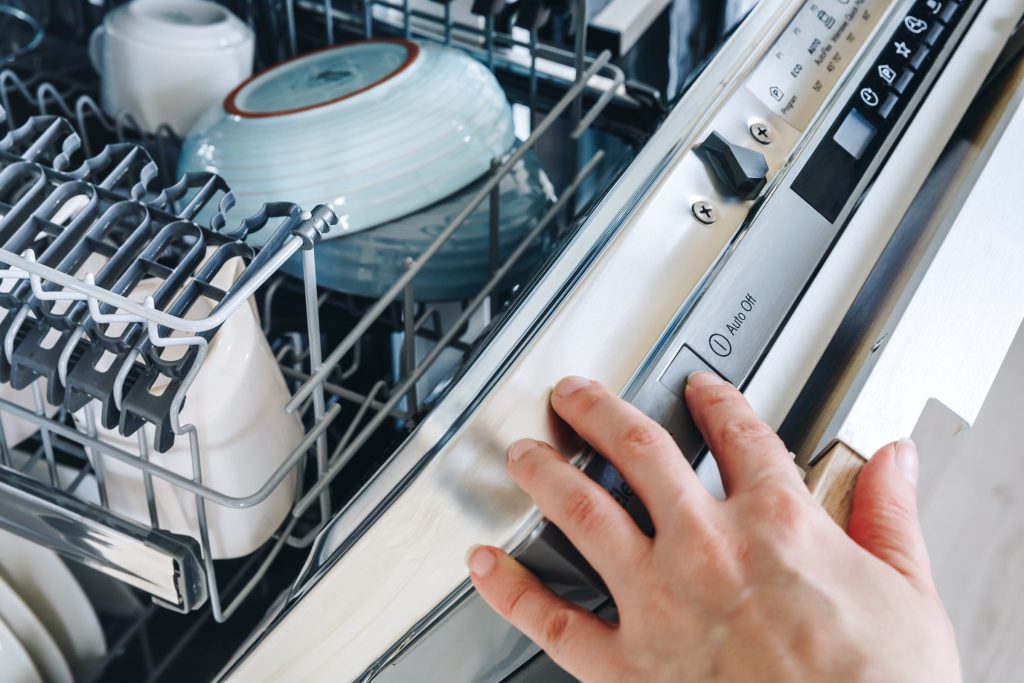
  • A hand at the control panel on the top edge of a dishwasher door
    Nothing happens, or nothing responds

    Dishwasher will not start

    A panel that ignores you, a machine that accepts a cycle and never begins it, or a completely dark front. On a fully integrated machine the controls are hidden along the top edge of the door, which is why so many of these are not what they look like.

    • Buttons that do nothing when pressed
    • A cycle selected that never starts
    • A front with no sign of life at all
    What it usually means
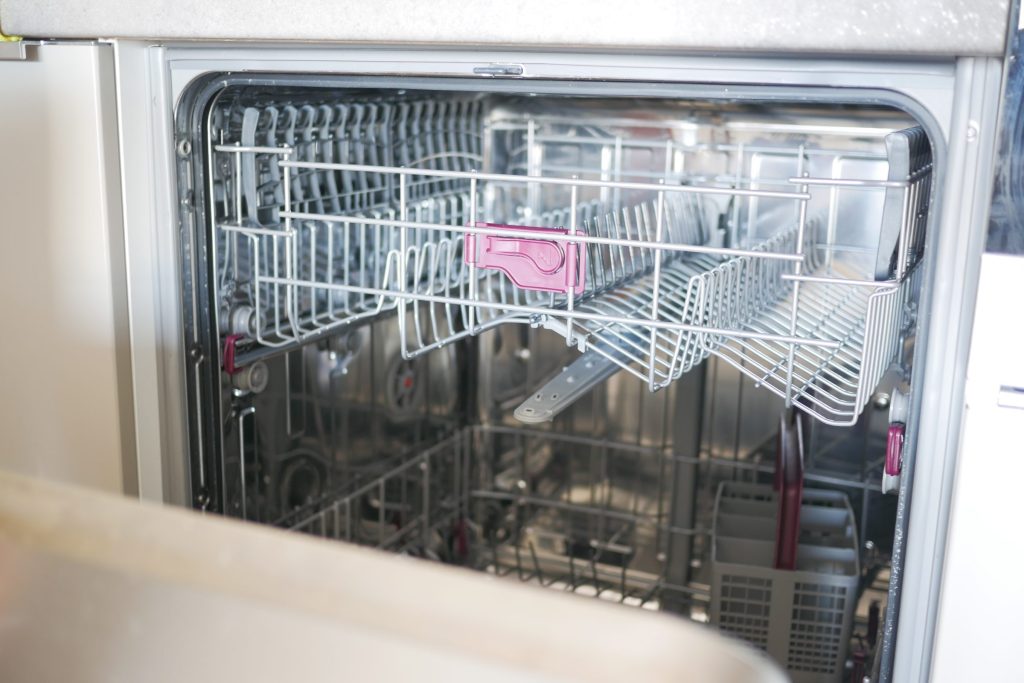
  • The empty wire baskets of a dishwasher seen through its open door
    The cycle runs dry

    Dishwasher is not filling

    A machine that starts, makes the right noises and never puts any water in — or puts in so little that nothing gets clean. Half of this is under the sink rather than in the appliance.

    • A cycle that runs with no water sound at all
    • Filling very slowly, and washing badly as a result
    • An error after a few minutes of trying
    What it usually means
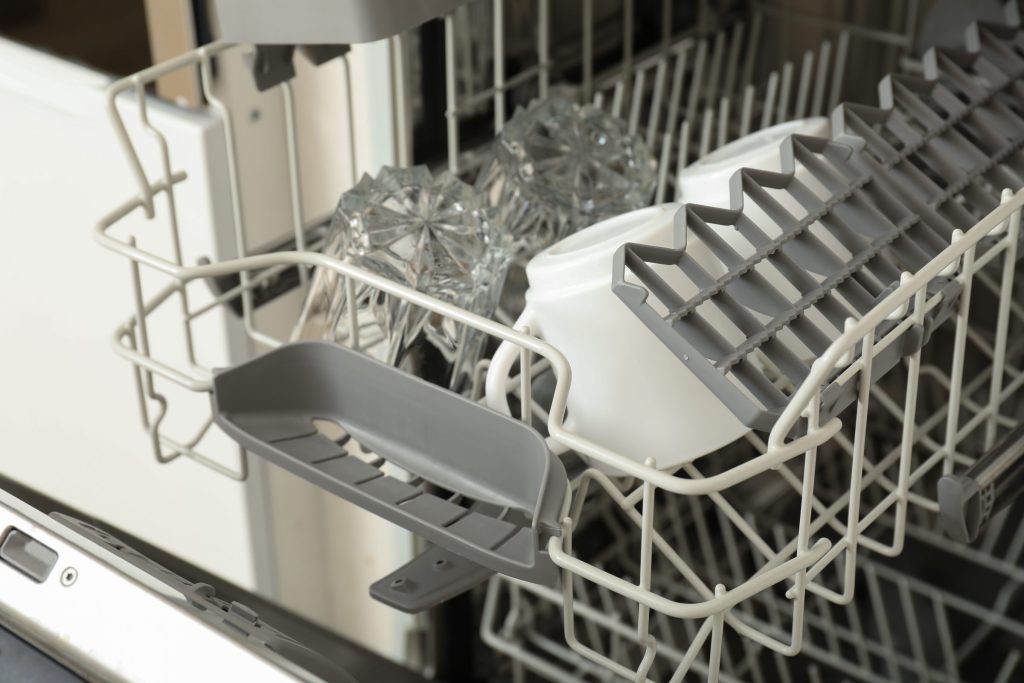
  • Plates and cups stacked in the baskets of an open dishwasher
    And it is almost never the machine

    The dishwasher smells

    A smell that meets you when you open the door. It is one of the few complaints on this site where the answer is almost always something you can do yourself in twenty minutes.

    • A stale smell every time the door opens
    • Worse after the machine has stood a few days
    • A smell that comes back within a week of cleaning
    What it usually means
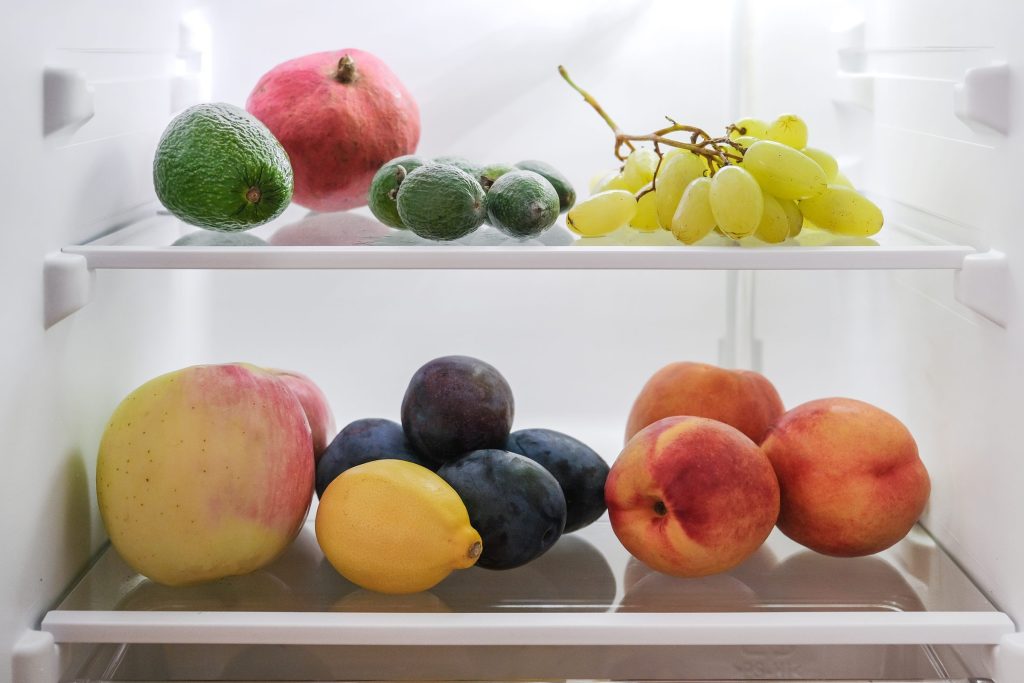
  • Fruit resting on two glass shelves inside a refrigerator
    And which half matters

    Refrigerator is not cooling

    The most called-about symptom on this site, and the one where the first question answers most of it: is the freezer still cold? On a combination cabinet that single answer moves the diagnosis from expensive to ordinary.

    • The fresh-food side warm, the freezer still frozen
    • The whole cabinet drifting a few degrees
    • Running constantly and never getting there
    What it usually means
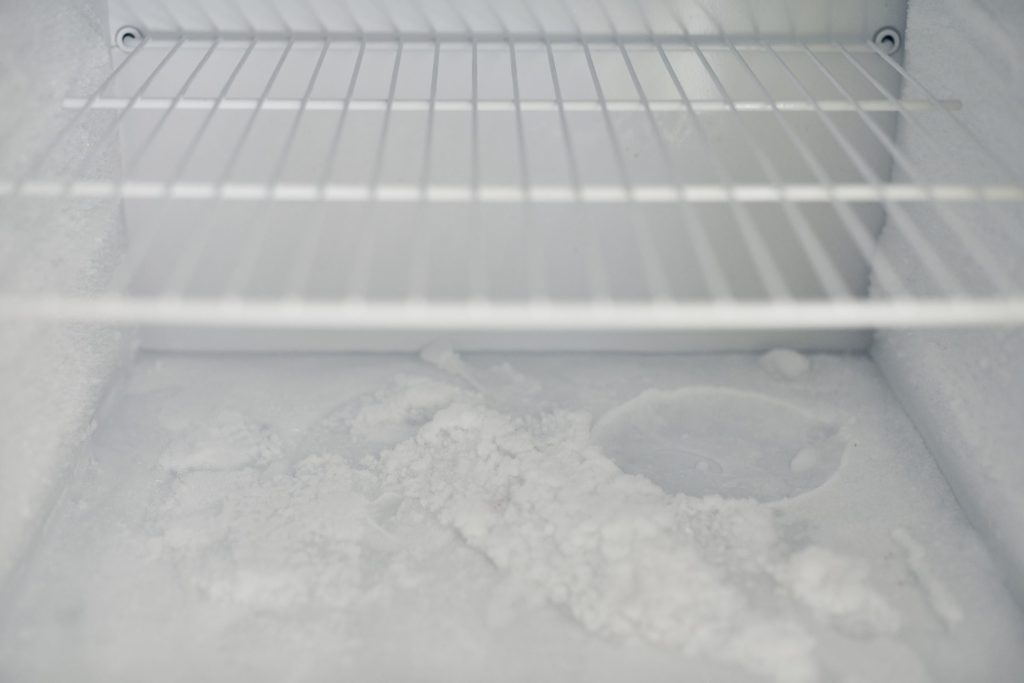
  • Frost forming across a wire shelf inside a cold compartment
    Too cold is a symptom too

    The refrigerator is freezing food

    Lettuce with ice in it, milk with crystals, things at the back frozen solid while the door shelves are fine. Almost always a control or an airflow problem rather than a cabinet that is simply set wrong.

    • Food at the back frozen, food at the front fine
    • Everything in the crisper turning to ice
    • The cabinet colder than its own setting
    What it usually means
  • Peppers, broccoli and vegetables arranged on the shelves of an open refrigerator
    A South Florida question

    Condensation inside or around the door

    Water beading on the inside walls, damp down the middle of a French door, or moisture on the outside of a glass cellar door. In this climate some of that is the room rather than the appliance — and the difference is worth knowing before anybody is called.

    • Water on the inside walls or shelves
    • Damp down the mullion between two doors
    • Moisture on the outside of the glass
    What it usually means
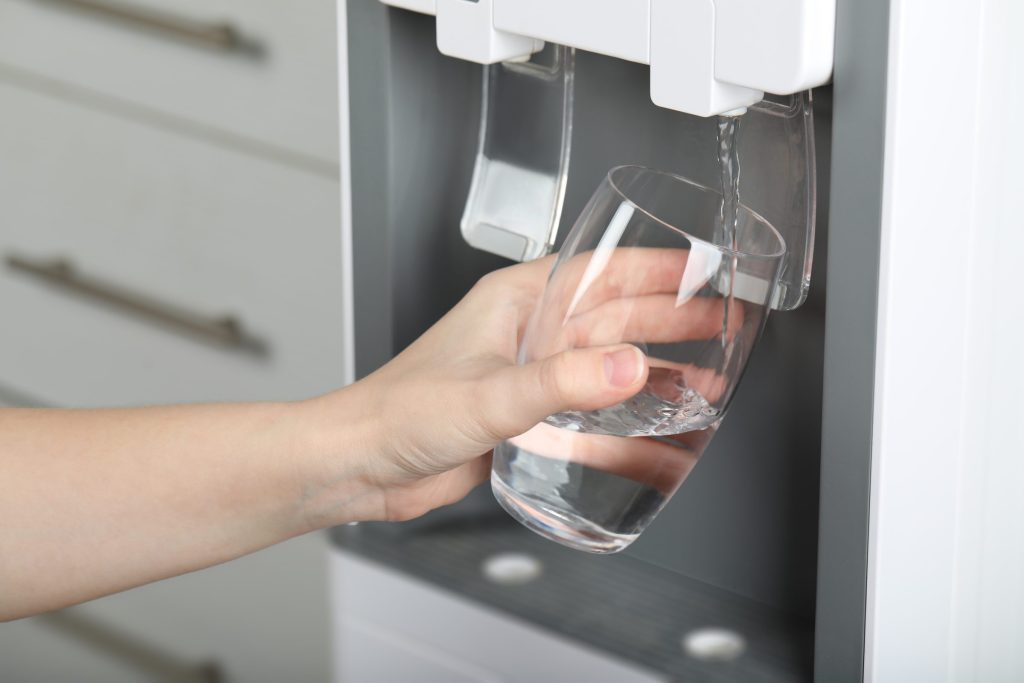
  • A hand holding a glass under the water dispenser in a refrigerator door
    One path, several places it stops

    Water or ice from the door has stopped

    No water, a dribble instead of a flow, or ice that has stopped arriving. One valve and one filter usually feed both, which is why fixing one so often fixes the other.

    • Nothing from the water dispenser
    • A weak flow that used to be strong
    • Ice stopped at the same time
    What it usually means
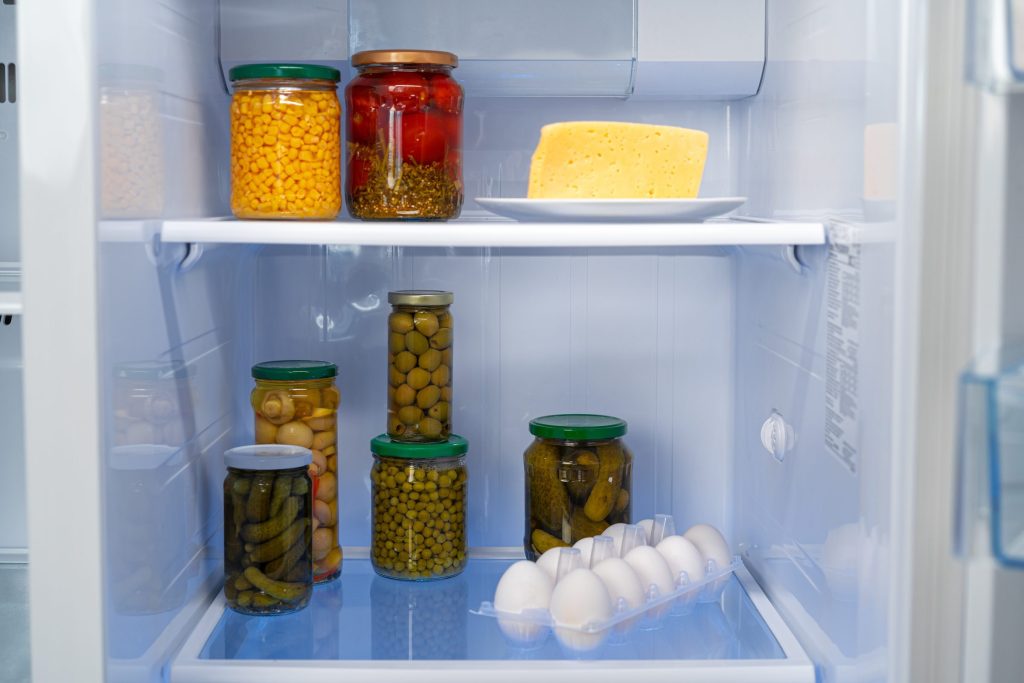
  • Jars, eggs and preserves on the shelves of an open refrigerator
    And what it says about the rest

    The interior lights have stopped

    A cabinet that is cooling perfectly and is dark inside. Usually a small repair — and occasionally the first visible sign of something worth catching early.

    • One section dark, the rest lit
    • All the lights out and the cabinet still cold
    • Lights flickering or coming on late
    What it usually means
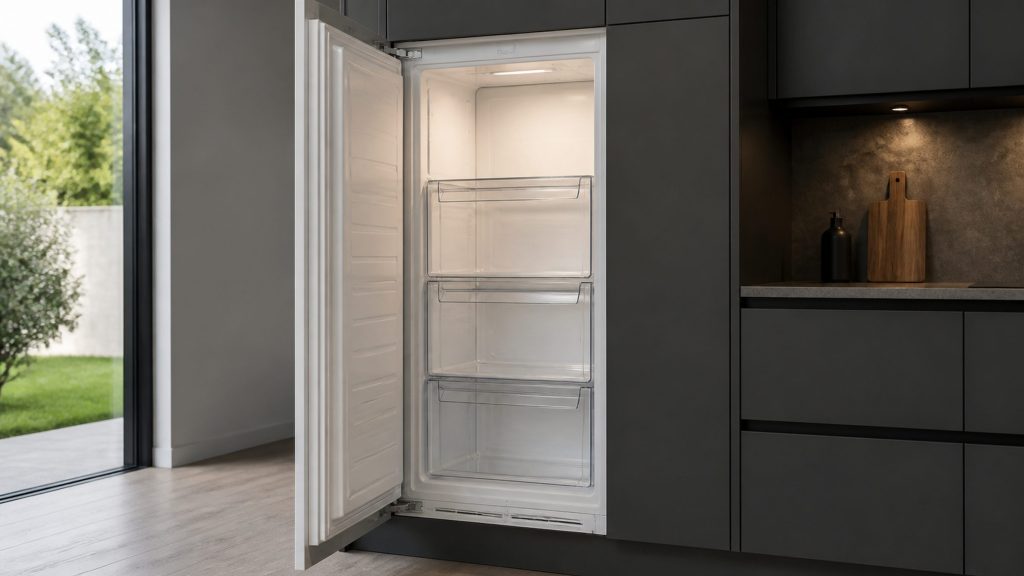
  • A hand lifting a bag of frozen berries out of a freezer drawer
    Or not freezing hard enough

    Freezer is not freezing

    Ice cream soft, packaging pliable, or a column sitting ten degrees above where it should be. On a pair of columns the cabinet beside it has already told us half of what we need.

    • Ice cream soft when everything looks frozen
    • The column warm and the one beside it fine
    • The temperature swinging through the day
    What it usually means
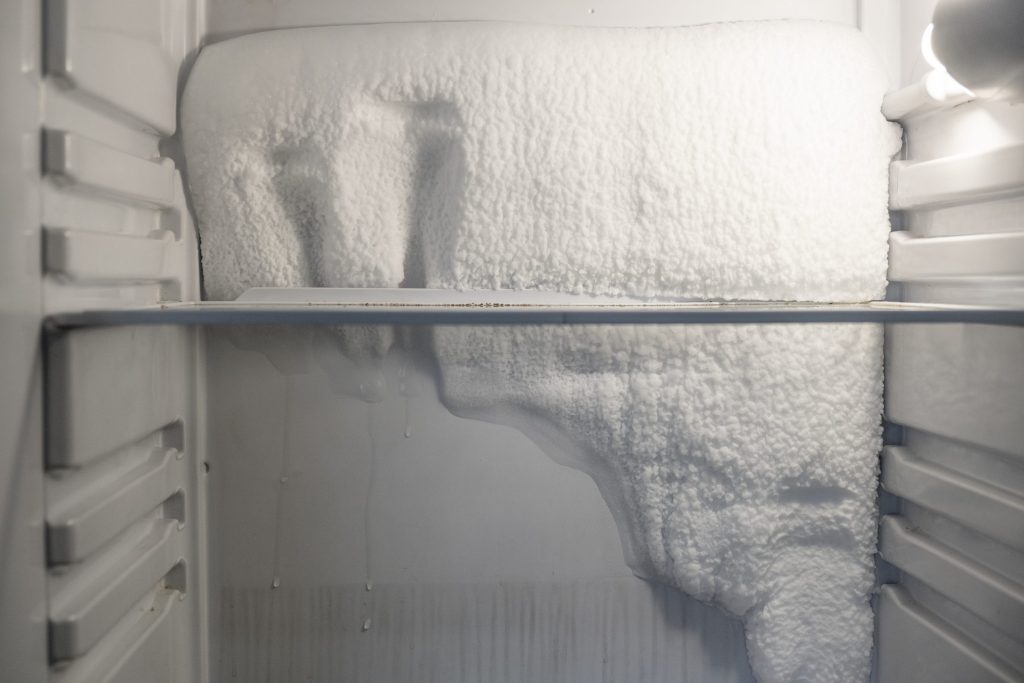
  • A thick slab of frost across the back wall and shelf of a freezer compartment
    And it will not settle on its own

    Frost is building up

    A sheet on the back wall, ice on the floor of the cabinet, or frost that returns within days of being cleared. On a frost-free cabinet that means the defrost circuit is losing, and it gets worse rather than stabilizing.

    • A sheet of ice on the back wall
    • Frost that comes straight back after clearing
    • Water underneath the cabinet
    What it usually means
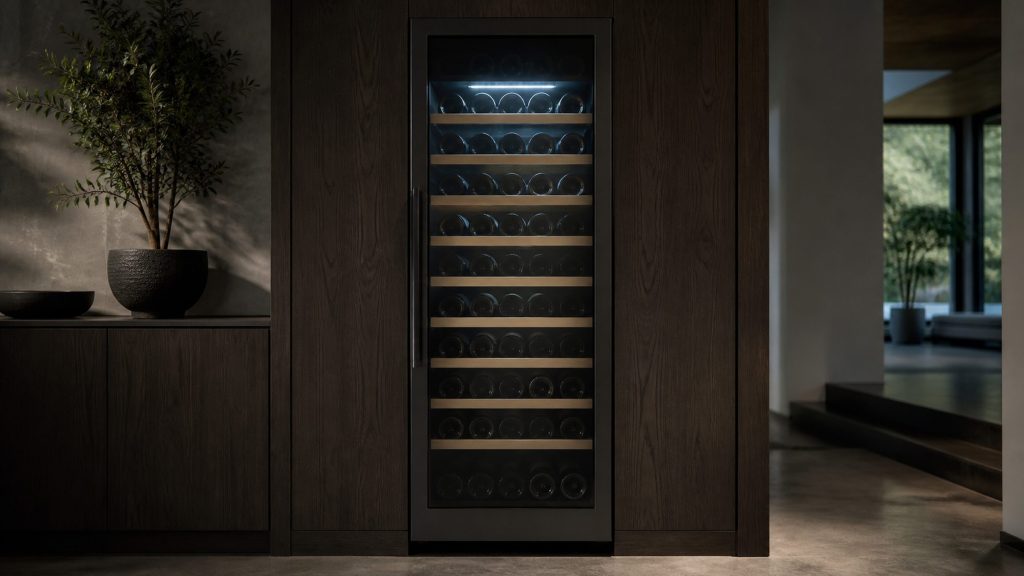
  • Rows of bottles resting on the lit racks of a wine cabinet
    Two degrees is worth calling about

    Wine cellar has drifted

    A cabinet a few degrees off, one zone right and the other wrong, or a cellar that has started to hum differently. This appliance almost never stops — it drifts, and it does not tell you.

    • One zone holding and the other not
    • A display and a thermometer disagreeing
    • A new noise or vibration through the racks
    What it usually means
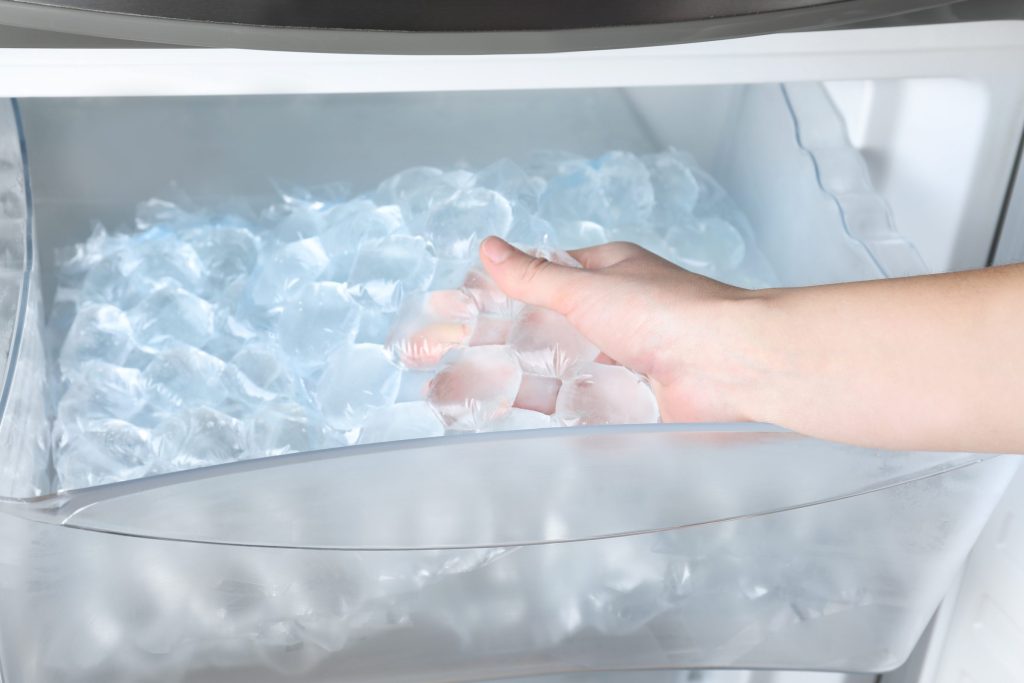
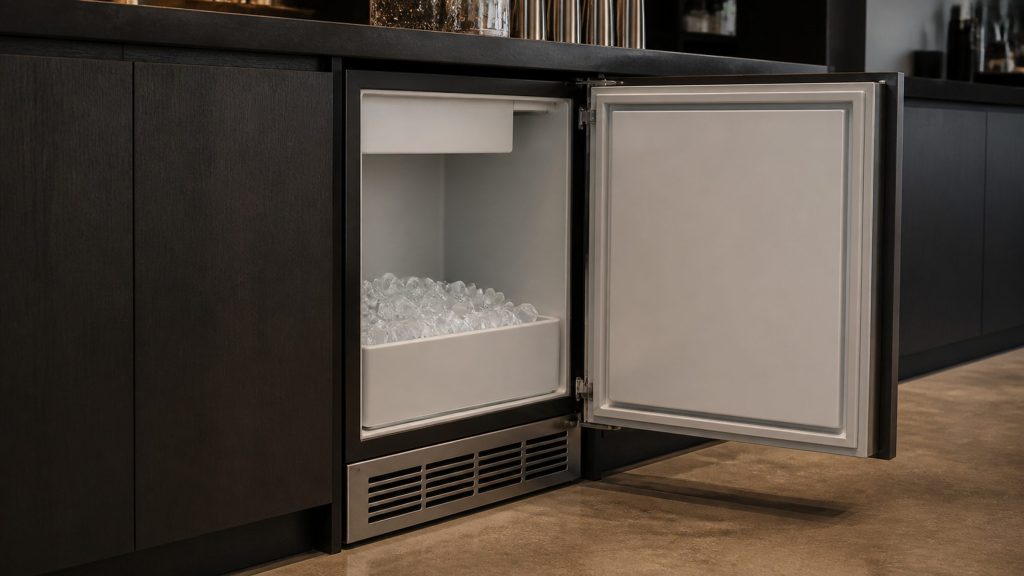
  • Two hands in the ice bin of a machine, cubes heaped to the front
    Fill, freeze, harvest — which one

    The ice maker has stopped

    No ice, less ice, or ice that has gone cloudy and soft. An ice maker does three things and "no ice" is the outcome of a problem in any of them — which one decides whether this is plumbing, cleaning or a repair.

    • Nothing in the bin for days
    • Producing much less than it used to
    • Ice that has gone cloudy and soft
    What it usually means
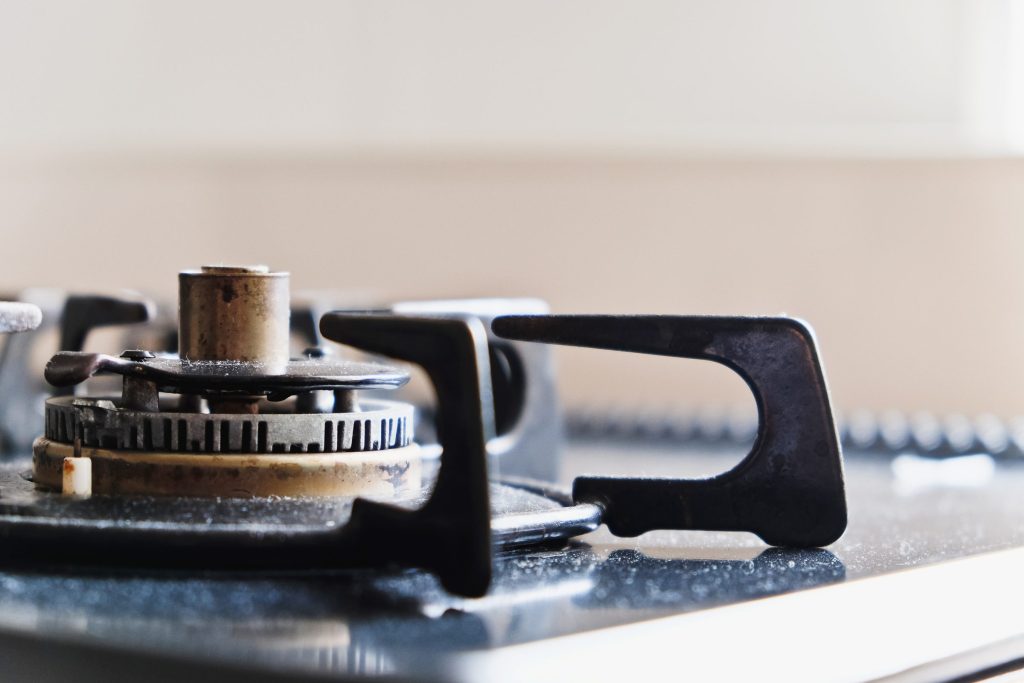
  • A gas burner cap lifted clear of its base on a cooktop, the igniter exposed
    Or lights and will not stay

    A burner will not light

    Clicking with no flame, a flame that goes out on its own, or a simmer that will not hold while the high flame is perfect. On a dual-stacked burner that last one is its own diagnosis, because there are two rings of flame under one grate.

    • Clicking and clicking with nothing lighting
    • It lights and then goes out a minute later
    • The high flame is fine and the simmer will not hold
    What it usually means
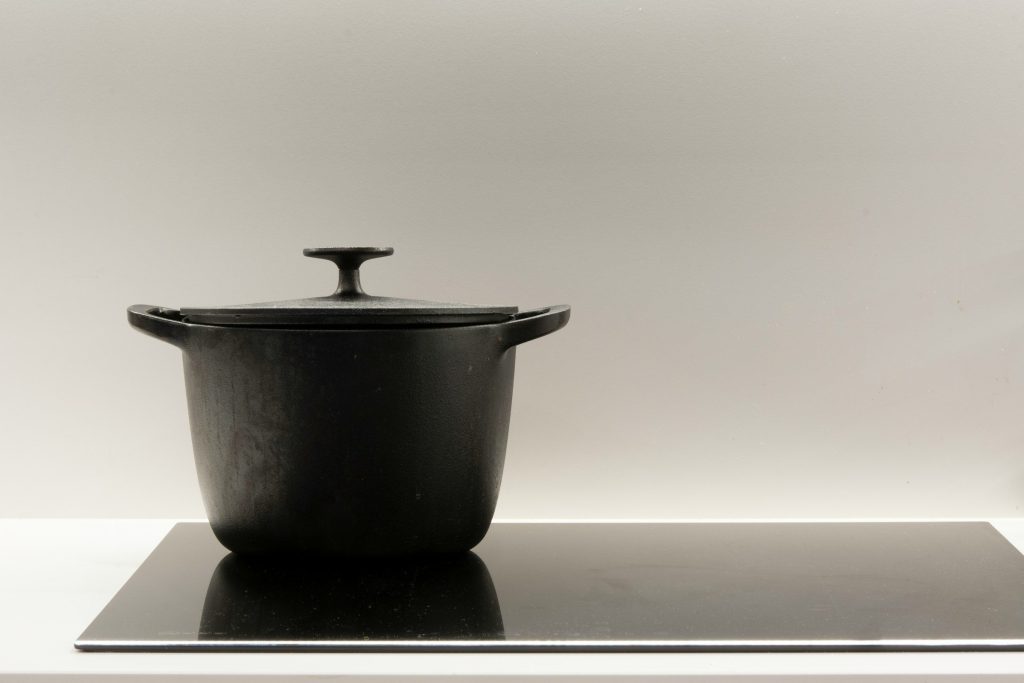
  • A black cast-iron casserole standing on a smooth induction surface
    Radiant, and what it means

    A cooktop zone has stopped

    One ring dead, one stuck on full, or one that will not hold a setting. On a radiant surface those are three different parts, and the cheapest of them is the one that fails most often.

    • One zone dead and the rest fine
    • A zone that only runs at full
    • A zone that cycles oddly or will not hold
    What it usually means
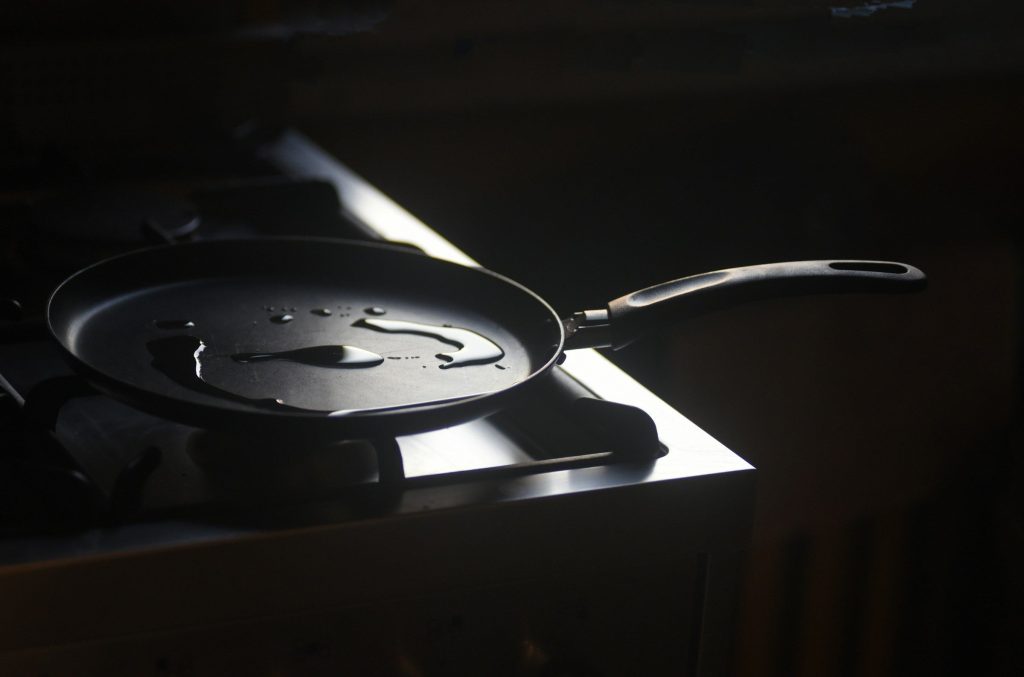
  • A frying pan on a dark induction surface in low kitchen light
    Usually heat, not the coil

    An induction zone cuts out

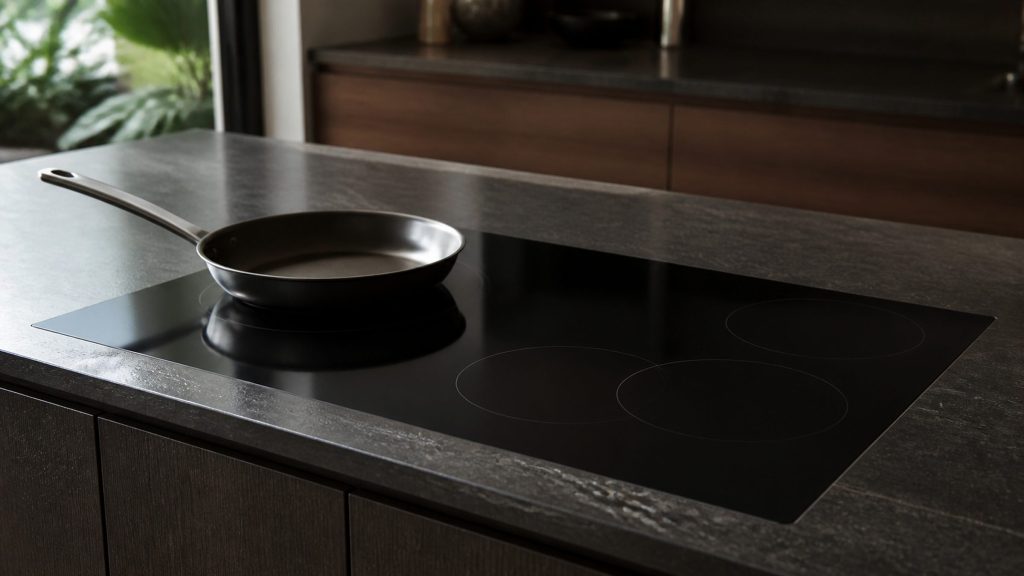
    A zone that stops mid-cook while the others carry on, an error that appears with a big pan and not a small one, or a whole cooktop that shuts down after twenty minutes. In a Miami island, most of this is air rather than a part.

    • One zone stopping under load and restarting later
    • A zone that will not start with a particular pan
    • The whole cooktop shutting down after a while
    What it usually means
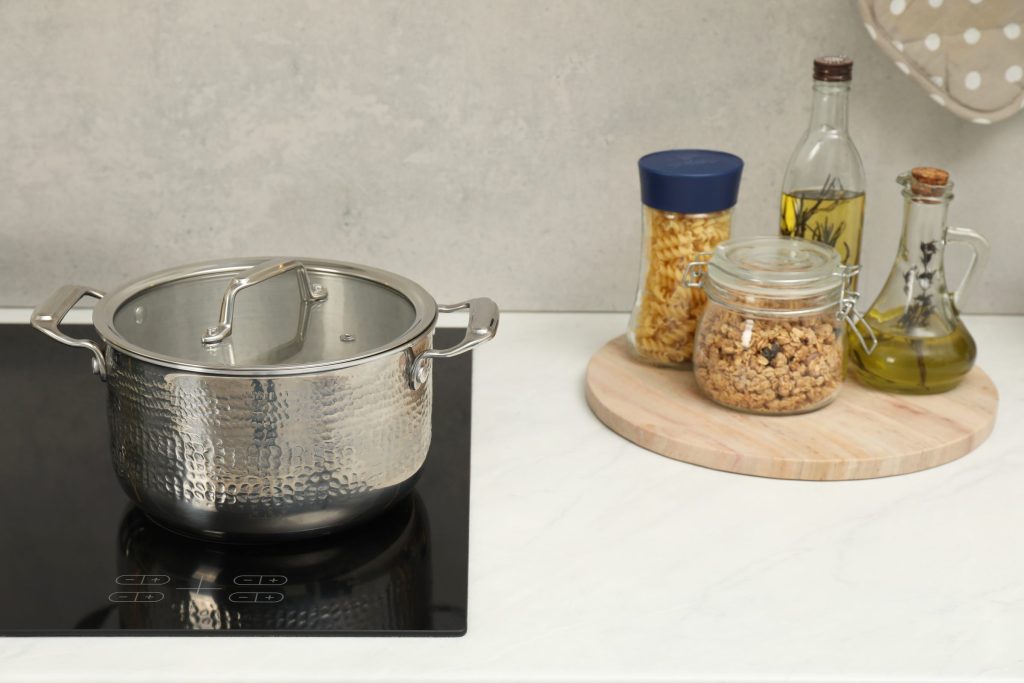
  • A stainless pot on a glass cooktop with jars and a board on the counter behind
    Off at the breaker, and leave it off

    The cooktop glass is cracked

    A crack across the surface, a chip at an edge, or a spidered patch under a zone. This is the one page on this site with a single instruction at the top of it rather than a list of things to try.

    • A crack running across the surface
    • A chip at an edge or a corner
    • A spidered patch where something was dropped
    What it usually means
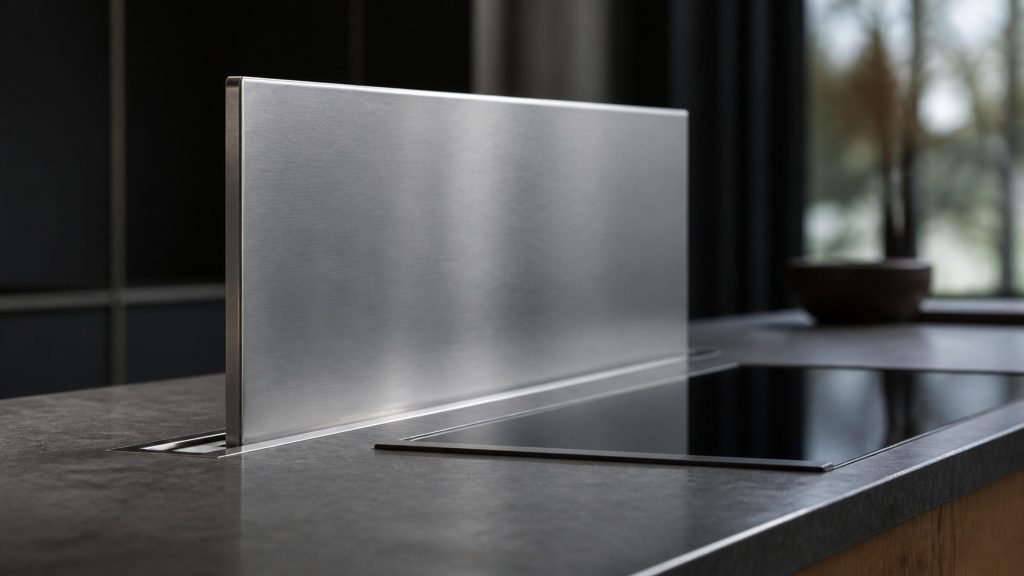
  • A close side view along a dark stone kitchen counter with a slim brushed-metal panel standing upright out of a slot in the counter behind the cooking area, seen against a soft dark background.
    And most of it is not the appliance

    The downdraft has stopped pulling

    It runs, it makes the right noise, and the kitchen still fills with steam. Or it will not rise out of the counter at all. This maker invented the downdraft and there are more of them here than anywhere — and five things can stop one, of which three are outside the machine.

    • Running but no longer clearing the cooktop
    • Not rising out of the counter
    • Noisier than it used to be
    What it usually means
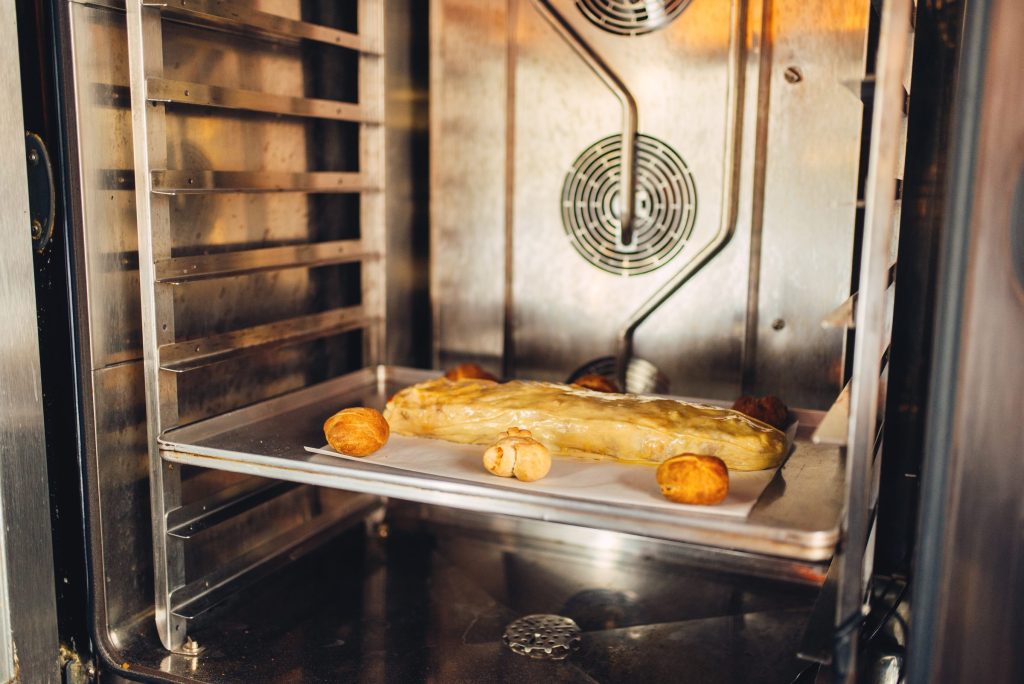
  • Food on a tray on the middle rack of a lit oven cavity
    Or heating far too slowly

    The oven is not heating

    A cavity that stays cold, or one that takes an hour to reach a temperature it used to hit in fifteen minutes. On a double oven, which cavity is the first thing that narrows it.

    • The oven stays cold and the display looks normal
    • Preheat takes far longer than it used to
    • One cavity of a double oven works and the other does not
    What it usually means
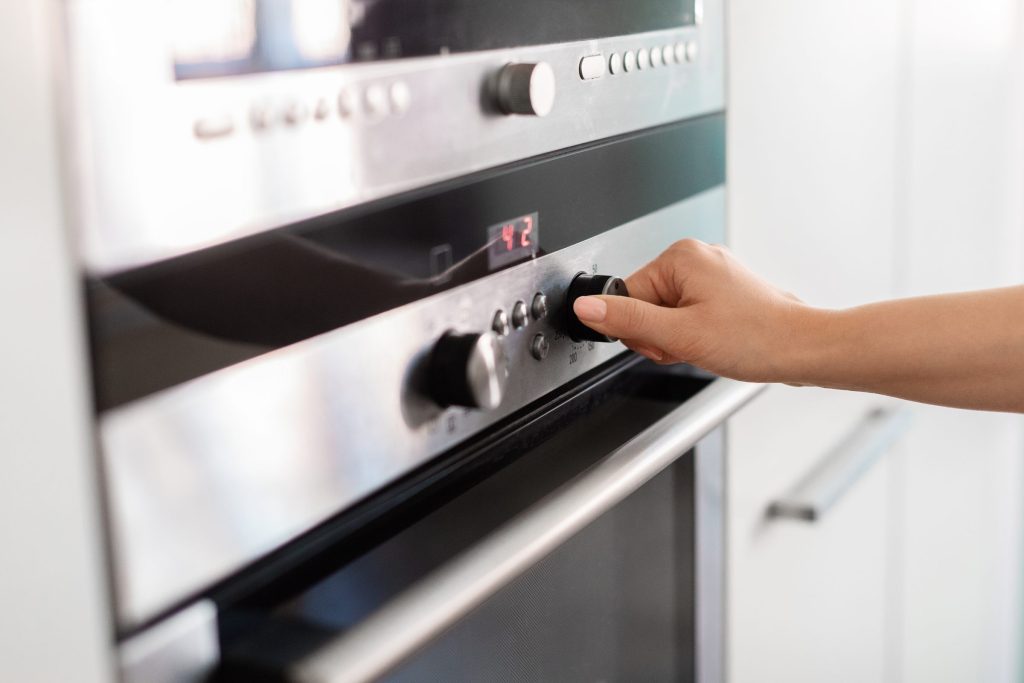
  • A hand turning the control dial on the fascia of a built-in oven
    Measure it before you replace anything

    The oven temperature is wrong

    Everything browning too fast, cakes sinking, a roast taking half again as long. Before any part is considered, this needs a number — and these ovens have a calibration adjustment built in that is free to use.

    • Consistently browning too fast or too slowly
    • Baking that has changed without anything else changing
    • The display saying one thing and the food saying another
    What it usually means
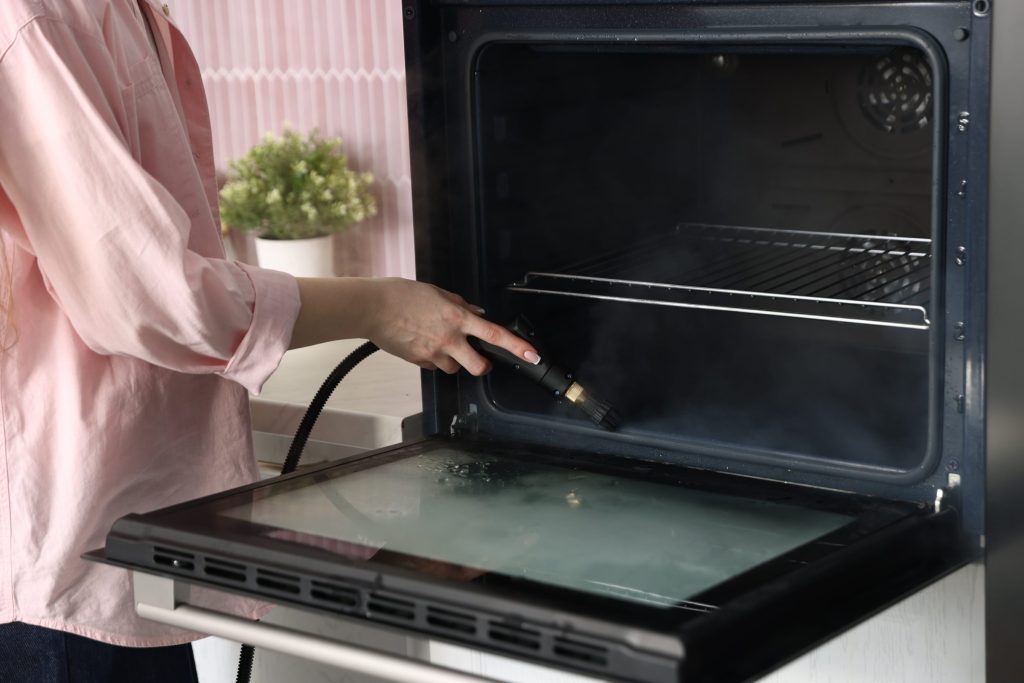
  • A person wiping down the inside of an oven door with the door lowered
    The hardest thing an oven does

    Problems after a self-clean

    A door that will not unlock, an oven that will not heat, or a control showing a code it never showed before — all appearing within a day of a cleaning cycle. Common enough to have its own page, and worth understanding before you run the next one.

    • The door still locked hours after the cycle
    • No heat at all since the clean
    • A new code that was not there before
    What it usually means
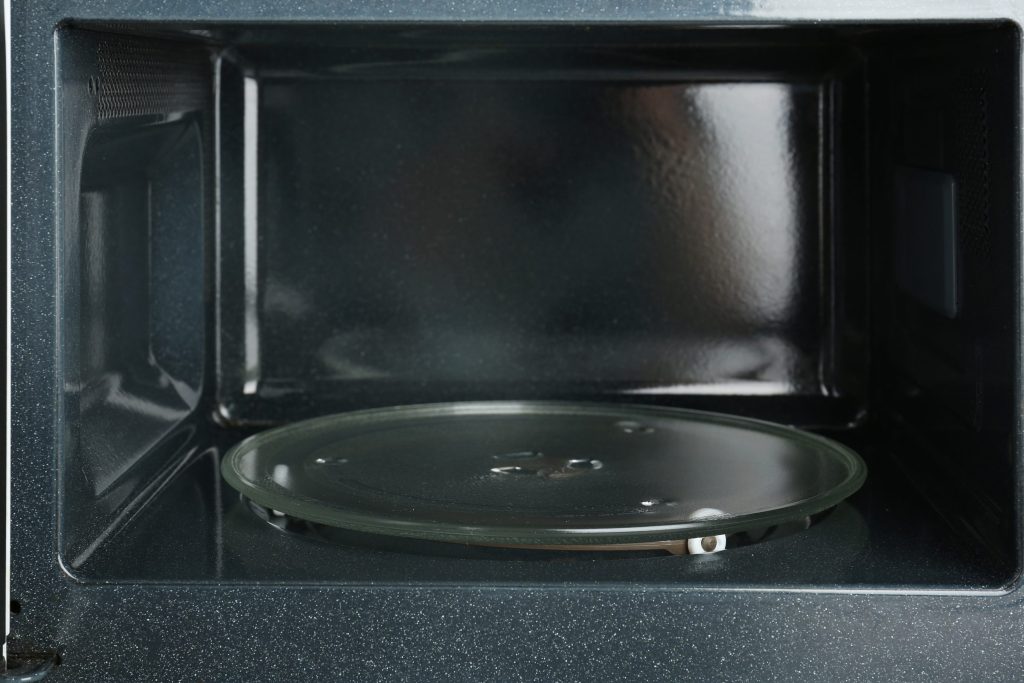
  • The empty cavity and turntable of a microwave with the door open
    And this one is not a home repair

    The microwave runs but does not heat

    Lights on, turntable turning, timer counting down, and the food exactly as cold as it went in. That is the high-voltage side, and it is the one appliance in your kitchen that genuinely cannot be opened safely with the power off.

    • Everything looks normal and nothing gets warm
    • A loud hum or buzz while it runs
    • It heats weakly, and worse than it used to
    What it usually means
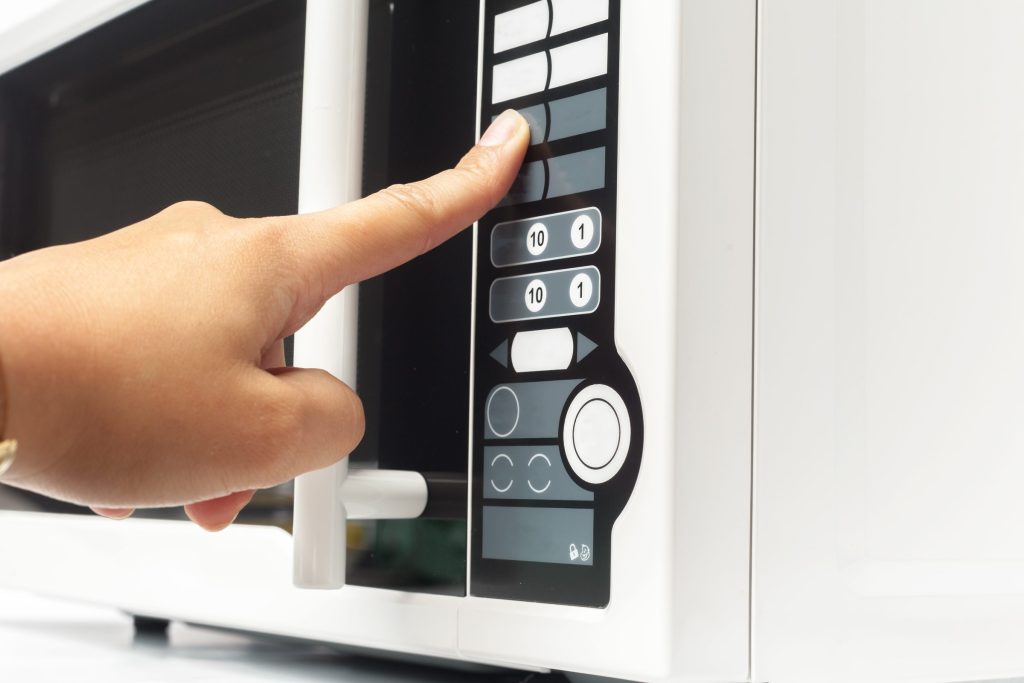
  • A finger pressing one of the membrane keys on a microwave keypad
    Usually the door, not the machine

    The microwave will not start

    A panel that responds and a machine that never begins, or a drawer that will not open at all. Most of this is the interlocks doing exactly what they are for, which is correct behavior that looks like a breakdown.

    • It accepts a time and nothing happens
    • The drawer will not open or will not close
    • Completely dark with no response at all
    What it usually means
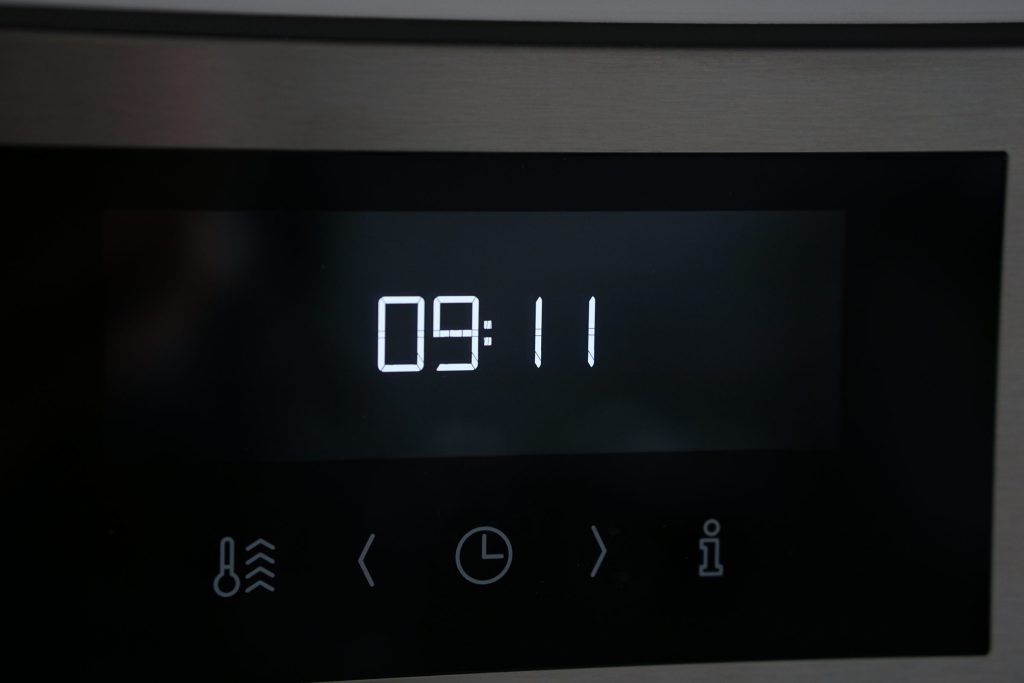
  • An appliance display showing the time and nothing else after a reset
    Most of these are messages

    Nothing works since the power came back

    A storm week symptom, and one where a large share of the calls we take are appliances that are perfectly well. Modern machines notice an outage and tell you about it afterwards, and telling you is not the same as being broken.

    • A display showing a code that was not there before
    • An appliance that will not run a timed function
    • Several appliances behaving oddly at once
    What it usually means
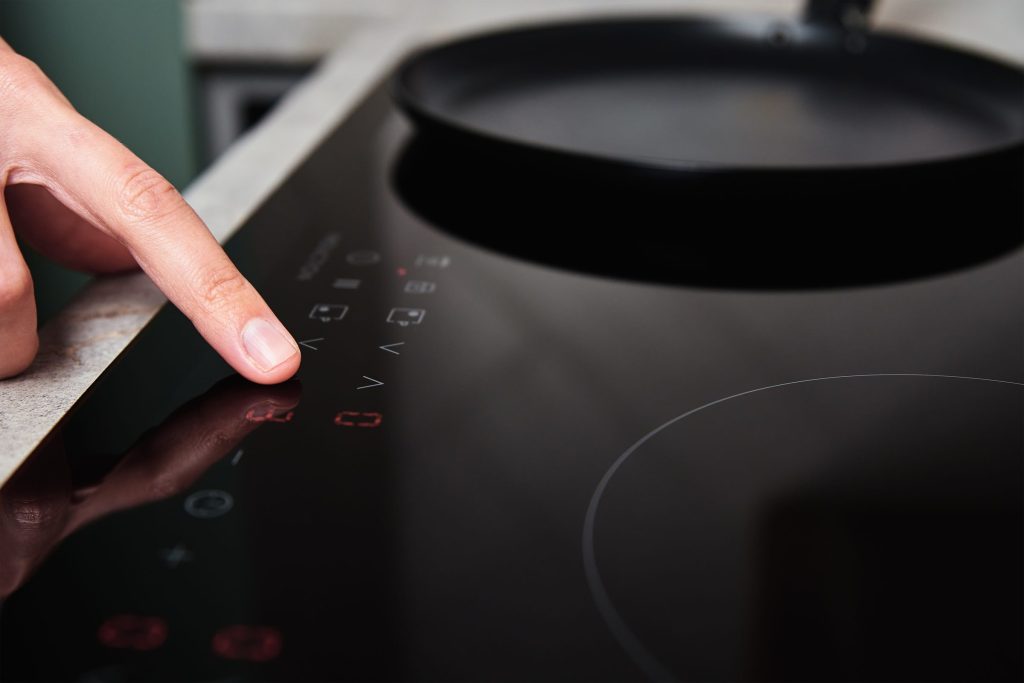
  • A finger resting on the touch control strip of a dark induction cooktop
    Lit and ignoring you

    A control panel has stopped responding

    The panel lights up, shows what it always shows, and does nothing when pressed. Two free things account for most of this, and the third is a measurement rather than a guess.

    • Buttons that do nothing when pressed
    • A padlock symbol on the display
    • Some pads working and others not
    What it usually means
  • A spread of clear water across a pale wood floor beside the edge of a rug
    And urgency depends on where

    There is water where it should not be

    Water inside a cabinet, under a machine, or across the floor. In a kitchen where almost everything is built into cabinetry, where the water is matters as much as how much of it there is.

    • Water on the floor in front of an appliance
    • Water standing inside a refrigerator
    • A damp cabinet base nobody noticed for weeks
    What it usually means
  • The empty cavity of a wall oven with its wire racks in place, the fan cover on the back wall
    New is the important word

    It is making a new noise

    A hum that was not there, a click with a rhythm to it, a rattle that comes and goes. Most appliance noises are normal; the useful ones are the ones that changed, and describing the change is most of the diagnosis.

    • A hum or buzz that has appeared recently
    • A rhythmic click or knock while running
    • A vibration that comes through the cabinetry
    What it usually means
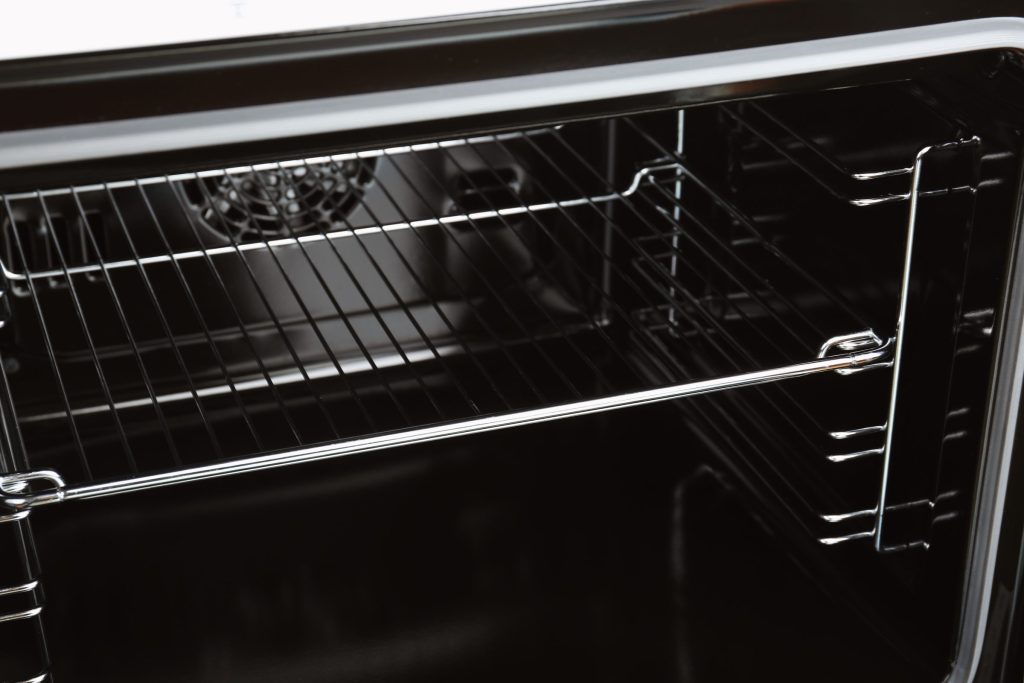
  • The dark interior of an oven cavity, unlit, racks and rear fan cover just visible
    Start at the panel, not the appliance

    The appliance will not turn on

    Nothing at all: no lights, no display, no sound. On a built-in kitchen the first three things to check are not in the appliance, and two of them are in the breaker panel.

    • Completely dark with no response
    • It worked yesterday and not today
    • More than one appliance affected
    What it usually means
  • A hand reaching to the control panel of a built-in oven set into white cabinetry
    What a reset can and cannot do

    How to reset it

    One of the most searched things about this make, and one of the most misunderstood. There is no reset button on most of these appliances. What there is is a power cycle, and a handful of feature resets that do very specific jobs.

    • Looking for a reset button that does not exist
    • A filter light that will not go out
    • A machine that needs restarting after a storm
    What it usually means

The sentence that saves the most money

Say which half is wrong.

On refrigeration it is the single most valuable thing you can tell us. A warm fresh-food side with a cold freezer is airflow — a fan, a damper, or ice on the evaporator — and it sits at the cheap end. Both compartments warm together is a different search entirely.

The same trick works everywhere on this make. One column warm beside one that is cold has already ruled out the house, the room and the installation. One zone of a two-zone cellar being wrong rules out the compressor outright. Which rack of a dishwasher is dirty identifies the diverter before anybody arrives. And on a dual-stacked burner, whether it is the high flame or the simmer is two different repairs with one description.

What each repair costs
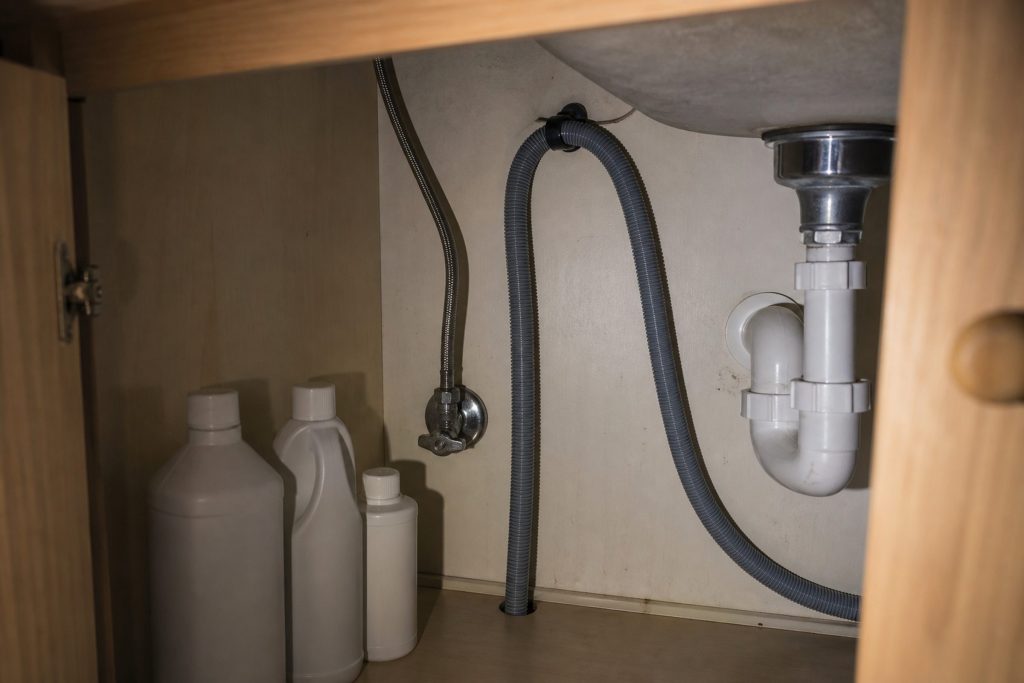
The inside of a base cabinet under a kitchen sink: a shut-off valve, a braided supply line and a corrugated drain hose looping up, cleaning bottles pushed to one side.

On this make especially

A surprising number of these are the cabinetry, not the appliance.

Almost everything in this line is built in, and several of the commonest complaints turn out to be the space the appliance lives in rather than the machine itself.

An induction zone that cuts out is usually a sealed island with none of the ventilation the installation instructions asked for. A wine cellar or ice machine underperforming is usually a toe-kick grille closed up by a kick panel fitted flush afterwards. A dishwasher door that will not latch is often the cabinet panel and its hardware rather than the appliance. None of those is a repair to the machine, and all of them look exactly like one.

See every appliance
A kitchen counter lit only by grey daylight during a heavy rain shower, water running down a window, the room dim and the counter surface reflecting the window.

Before you call anybody

Four things that are free and frequently enough

Every symptom page here opens with one of these. None of them costs anything and each one ends a real share of the calls we take.

A full minute at the breaker

  • Not the switch and not a flick — a full minute, so the control loses its charge
  • The documented first step for several codes on this platform
  • Write the code down first, because a reset erases it

A filter or a grille

  • The dishwasher filter in the floor of the tub, monthly in this water
  • The downdraft or hood grease filter, monthly in a kitchen that cooks
  • The toe-kick grille under a cellar, an ice machine or a column

A door

  • A banknote closed in the seal at several points around the perimeter
  • On a paneled front, the panel hardware as much as the gasket
  • Anything on a shelf holding a door a fraction open

A number, not a display

  • A thermometer in a glass of water in a cabinet, left four hours
  • An oven thermometer in an empty cavity, at two temperatures
  • A magnet on the base of an induction pan

If you already know the job

The repairs these turn into

Every symptom page names the repair it becomes and what that starts at. If you would rather begin from the work than from the behavior, start here.

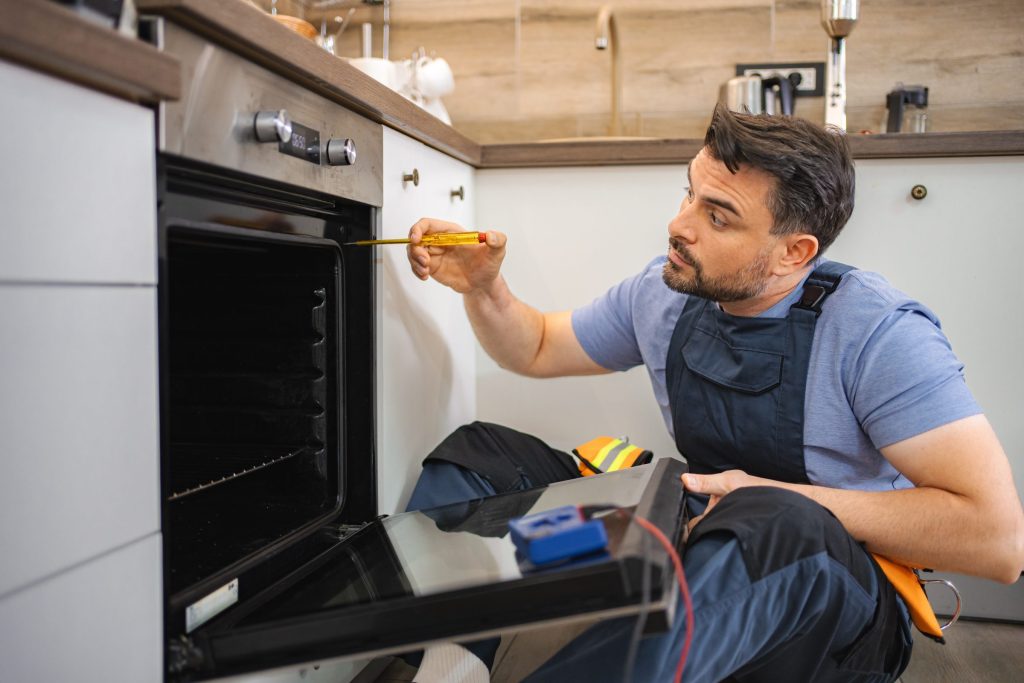
  • A technician taking a reading at the open door of a built-in oven, meter in hand
    from $95

    Diagnostic visit

    We read what the appliance is reporting, then measure before saying anything about the repair. On a built-in kitchen that also means working out how the appliance comes out before anybody touches it. The fee is credited toward the work when you go ahead.

    What this involves
  • The empty racks and tub floor of a dishwasher standing open
    from $175

    Dishwasher drain & pump repair

    Water standing in the tub at the end of a cycle, or a machine that stops and will not restart. Three of the four usual causes are outside the appliance, which is why this visit starts at the sink rather than under the machine.

    What this involves
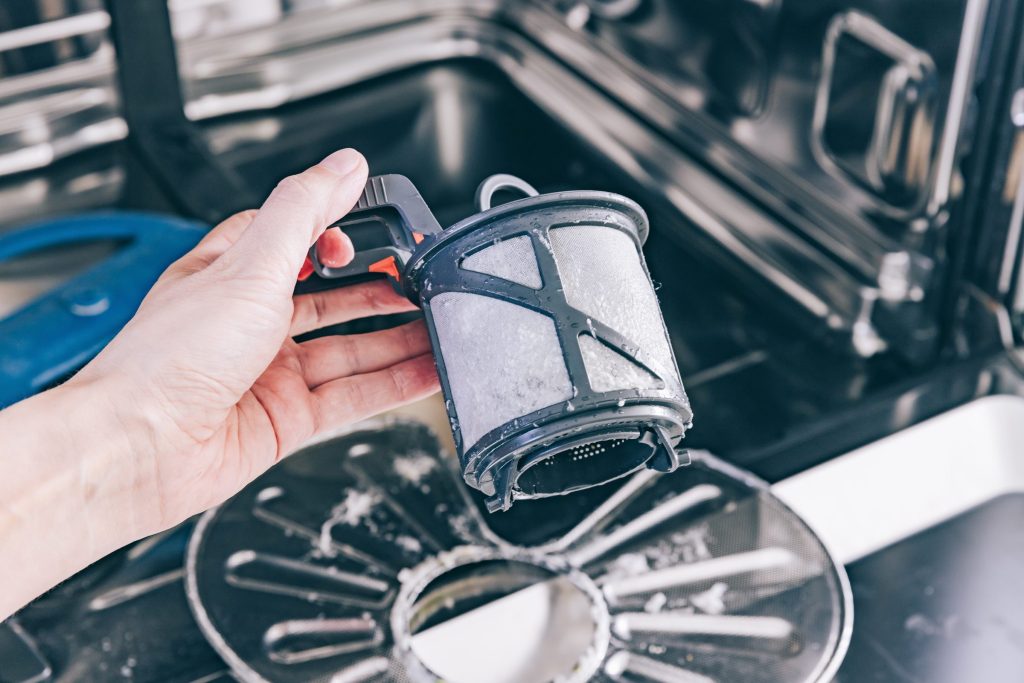
  • A hand lifting the cylindrical filter out of the floor of a dishwasher tub
    from $145

    Dishwasher wash & filter service

    Dishes coming out gritty, filmed or still dirty on one rack. This is the repair that most often ends without a part — and the one where South Florida water is doing more of the work than anything mechanical.

    What this involves
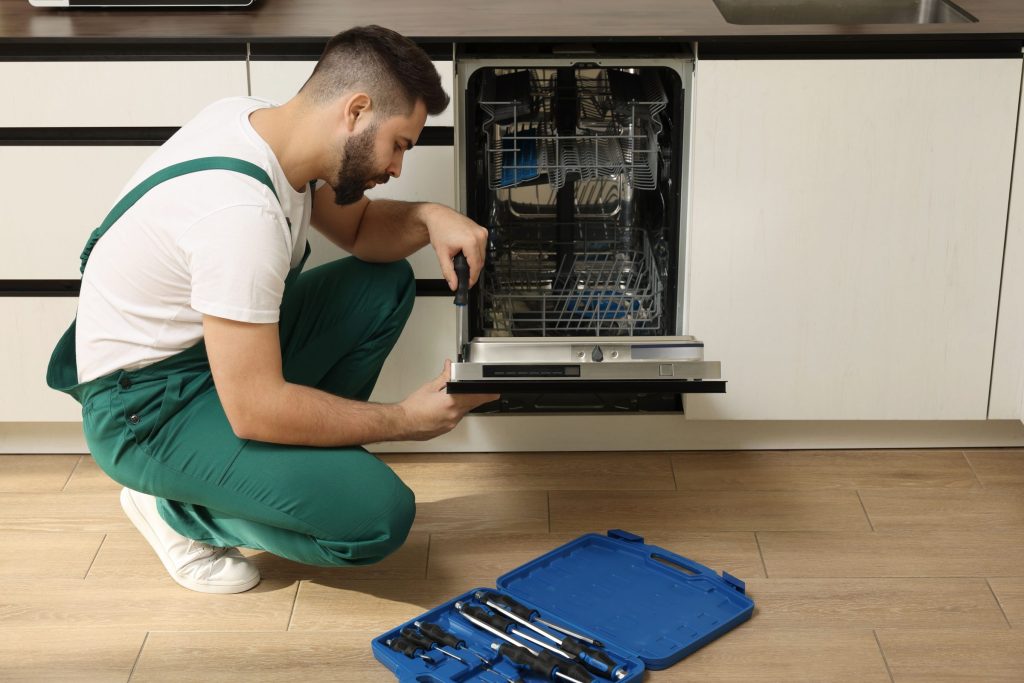
  • A technician crouched at the lowered door of a built-in dishwasher, tool roll open on the floor
    from $195

    Dishwasher control & door repair

    A panel that will not respond, a machine that will not start, or a heavy paneled door that has stopped closing square. On a fully integrated machine the controls are hidden along the top edge, which changes how any of this is diagnosed.

    What this involves
  • A technician working at the open door of a built-in refrigerator
    from $165

    Refrigerator defrost & cooling repair

    A cabinet drifting warm, frost building where it should not, or a column that runs constantly and never quite gets there. This is where most refrigeration calls land, and it is the band the expensive one is reached by eliminating.

    What this involves
  • A technician sitting at the back of a refrigerator with the rear panel off and the compressor exposed
    from $695

    Sealed system & compressor repair

    The largest figure on this site and the only one quoted last. Recovery, leak location, the repair, a new filter drier, evacuation and a charge weighed to the plate. Reached only after everything cheaper has been measured and excluded.

    What this involves
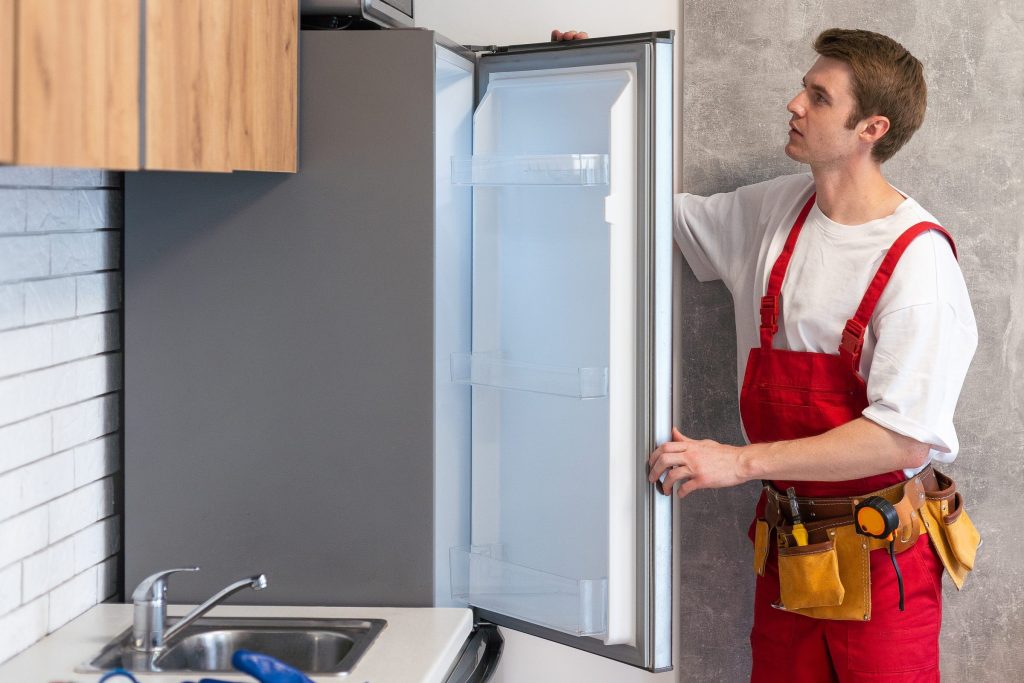
  • A technician holding open the door of a tall refrigerator beside a kitchen sink
    from $155

    Refrigerator water & dispenser repair

    Water on the floor, an ice maker that has stopped, a dispenser that dribbles or nothing at all. One inlet valve and one filter usually feed both, which is why this is one job rather than two.

    What this involves
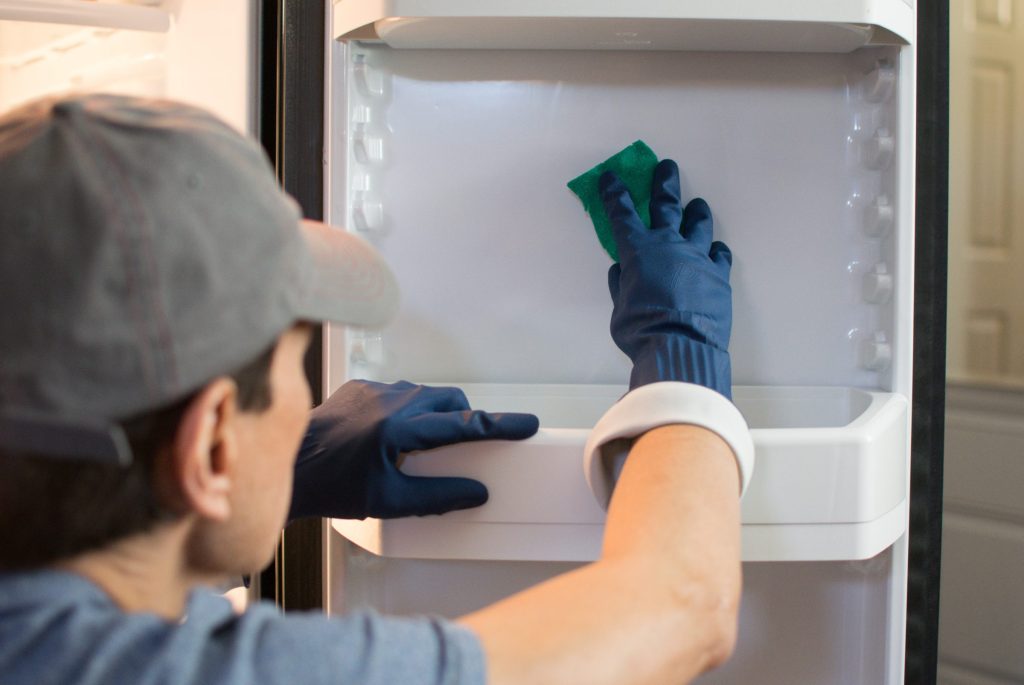
  • A technician in gloves working along the door shelf and seal of an open refrigerator
    from $165

    Door, gasket & alignment repair

    The cheapest thing on the refrigeration list and the one that imitates the most expensive. A tired seal produces a cabinet that will not hold temperature, condensation, and a compressor running far longer than it should. On this make it is often the cabinet panel rather than the appliance.

    What this involves
  • A technician kneeling at the base of a tall refrigerator with the lower panel off
    from $165

    Freezer frost & drain service

    Frost winning against the defrost cycle, ice on the floor of the cabinet, or water underneath it. On a frost-free column any of those means the defrost circuit is not doing its job, and it gets worse rather than settling.

    What this involves

Not described here?

31 descriptions is not everything an appliance can do.

The pages above are the complaints we hear most often. Appliances go wrong in more ways than any list holds, and plenty of visits turn out to be something with no name until the panel comes off.

Describe it in your own words instead. What it does, when it does it, what changed just before, and the model number from the plate. That is enough for us to tell you what is likely, whether it is our work at all, and roughly what it costs. If the answer is that you should be calling the manufacturer because the machine is still inside its warranty, you get told that too. Call (305) 745-7213, or use the form above.

Before you book

What people ask us first

It showed a code and then cleared on its own. Should I still call?

Write the number down first, then decide. A condition that clears and stays gone for weeks is often a control that got confused — by a power cut, a brownout, a moment of heat. One that comes back is the appliance telling you the condition is real, and the number you wrote down is the difference between a diagnosis and a guess, because nothing here keeps a history you can read later.

There is no number at all. What now?

Plenty goes wrong without one. A gas burner that will not light reports nothing. Neither does a downdraft that has stopped pulling, a microwave that runs and heats nothing, or a cellar that has drifted two degrees. Those are described in plain words instead, which is what this archive is for. Start from what the machine is doing: what it does, when it does it, and what changed just before.

Can I just switch it off at the breaker and see?

Yes, and it is the documented first step for several conditions on this platform. Understand what it is: a test, not a repair. Give it a full minute so the control loses power properly, and write the code down first. If nothing comes back, the control was confused. If the code returns, the reset has proved the condition is live — and that is worth knowing before anybody drives out.

My appliance is two years old. Should I be calling you or the manufacturer?

Probably the manufacturer, and we would rather say so. The current major-appliance warranty on this make runs two years from delivery, parts and labor, and refrigeration carries ten years on the sealed system in three steps. Its own service line is 1-800-536-6247. We are independent, we are not that channel, and taking a call somebody did not need to make is not a business we want.

The oven door has been locked since the self-clean. Is it broken?

Possibly not. The lock is a temperature interlock rather than a timer and it will not release until the cavity is genuinely cool — on a large oven with the door closed that can be a couple of hours after the cycle ends. If it is cold to the touch and still locked, that is the latch mechanism, which is a common repair. Do not force it: forcing a locked oven door is how a latch job becomes a door job.

In more detail

How to describe a JennAir problem so somebody can actually help

Say what it does, not what you think it is

“It is not draining” is more useful than “I think the pump has gone”, because the second one has already thrown away three of the four possibilities. Water standing in a dishwasher tub is a filter, an air gap, a disposal plug or a drain loop far more often than it is a pump — and three of those four are outside the appliance. Describing the behavior keeps all four on the table.

Say when it started, and what happened just before

An appliance that drifted over two weeks and one that stopped the night the power came back are rarely the same problem. A burner that stopped lighting right after a cleaning is usually a cap sitting off-center. An oven that failed during a self-clean is a specific and well-known situation. A freezer that frosted for the first time in June is telling you about humidity rather than about a part. The timing is frequently the diagnosis.

Say which half is wrong

Fresh food warm with a cold freezer is an airflow problem and sits at the cheaper end. One column warm beside one that is cold has already eliminated the supply, the room and the installation. One zone of a two-zone cellar being wrong rules out the compressor outright. Which rack of a dishwasher is dirty identifies the diverter. On a dual-stacked burner, the high flame and the simmer stage are two different repairs. Every one of those sentences is free to produce and each one removes several hundred dollars of possibilities.

Say how the appliance is fitted

This one is specific to this make, and it decides the appointment more than the part does. Built in or freestanding. Behind your own cabinet panel or a factory front. A column or a combination cabinet. Under a counter or in a tall housing. It changes what we bring, how long we book, and occasionally what the problem turns out to be — because a fair number of complaints on this line are the cabinetry rather than the machine.

Do not clear the code before you read it

It is the only evidence the appliance has produced, and clearing it is the one thing that cannot be undone. Write down both halves and leave it showing if you can.

Several pages here exist to stop you booking a visit

Condensation on the outside of a cold cabinet in August is the room rather than the appliance. A locked oven door after a cleaning cycle is usually an oven that is still hot. A dishwasher that cleans perfectly and dries nothing is generally doing what it was designed to do. An induction zone that cuts out is often a cabinet with nowhere to breathe. On a site that makes its living from repairs those are a deliberate cost, and they are the right one — nobody should pay for a visit to be told something the manufacturer already publishes.

And two carry a safety line instead of a checklist

A cracked ceramic or induction surface goes off at the breaker and stays off — the glass is structural and it is what keeps liquid off the wiring. And the high-voltage side of a microwave is never an owner repair, because the capacitor holds a dangerous charge after the appliance is unplugged. Those two pages have an instruction at the top instead of a list, and that is deliberate.

What we are, and what the figures on this site mean

We are an independent repair company. We are not affiliated with, authorized by, or endorsed by any manufacturer, and we do not carry out repairs on any manufacturer’s behalf. We carry our own warranty on the work we performed and the parts we fitted, and OEM parts are available on order. Every figure on this site is a starting point and a researched market range for South Florida rather than a quote for your JennAir — the exact cost is confirmed after an on-site diagnostic and agreed in writing before anything is opened. Brand names and model numbers are the property of their respective owners and are used for identification only.
Describe it in your own words.
You do not need to know which part it is. What the appliance is doing, when it started, how it is fitted, and the model number are enough for us to tell you what is likely and what it should cost.

This article is based on:

  • Official manufacturer documentation
  • Internal repair procedures
  • Technician repair history
  • Company quality standards
Call (305) 745-7213