What we are called out for, appliance by appliance
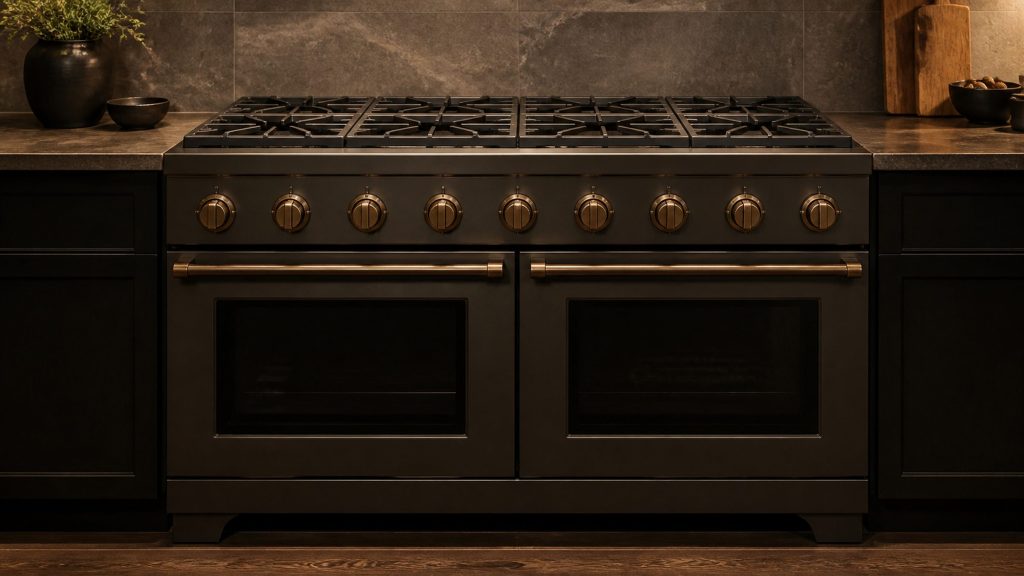
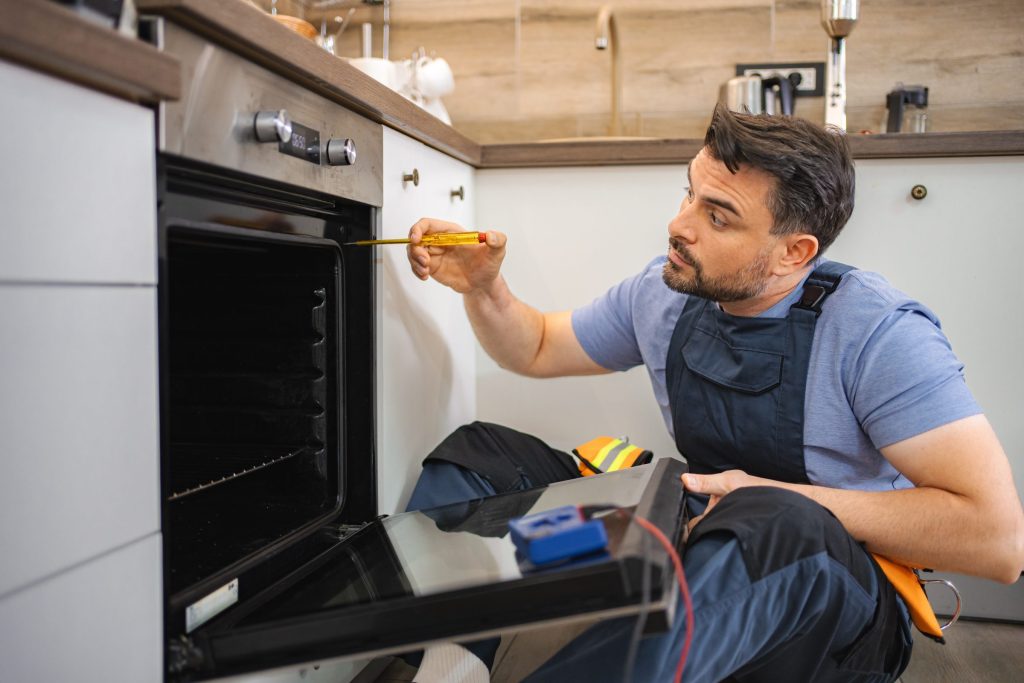
- Ranges. Ignition and the sensing behind it, the simmer stage of a dual-stacked burner, the oven sensor, elements, and a latch that will not release after a self-clean
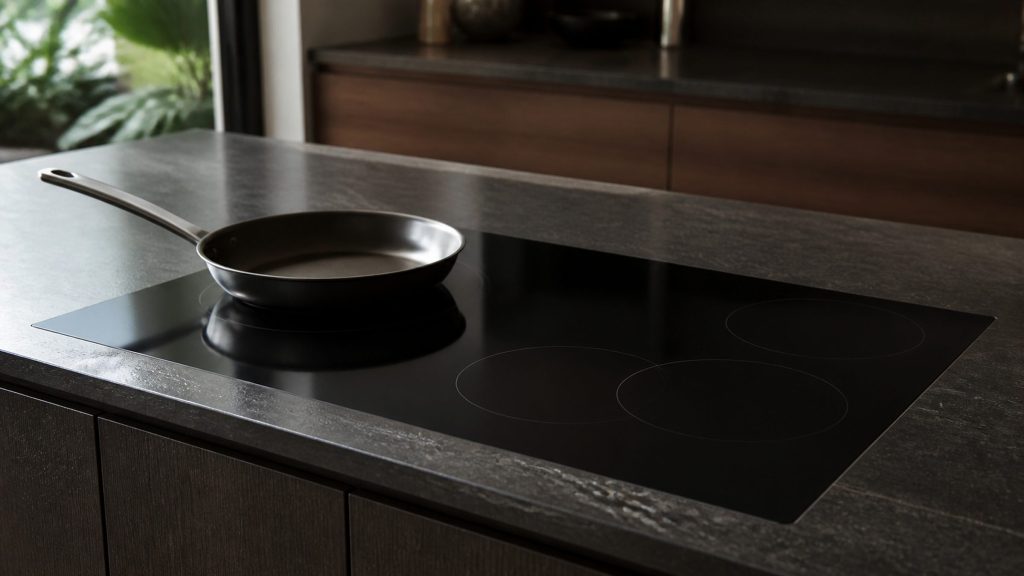
- Cooktops and rangetops. Induction boards and the cabinet air they need, radiant elements and their switches, spark modules and caps on gas, and the downdraft path
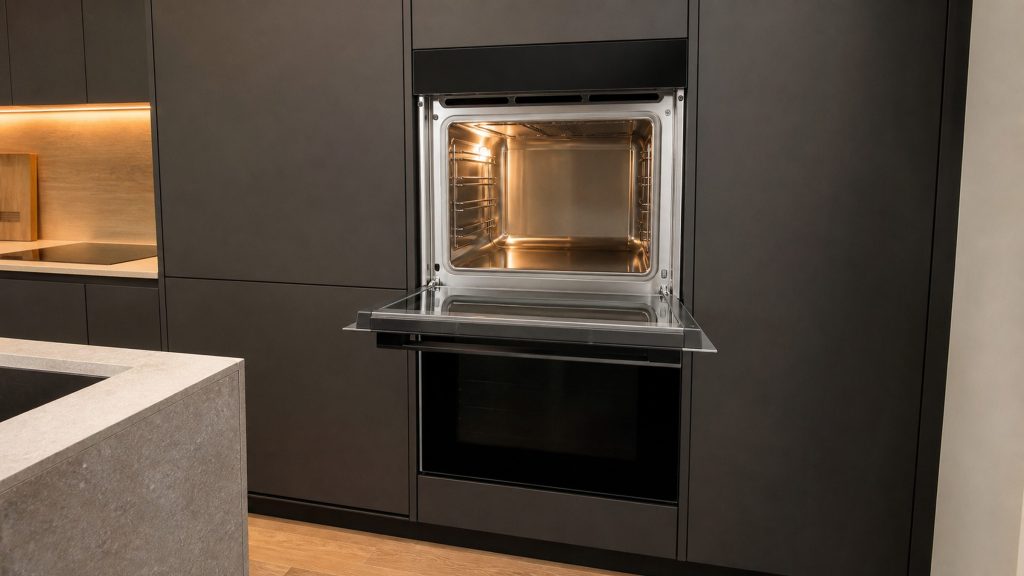
- Wall ovens. Sensors, elements, the convection fan, the latch and the control — with the appliance out of its housing before anybody reaches any of it
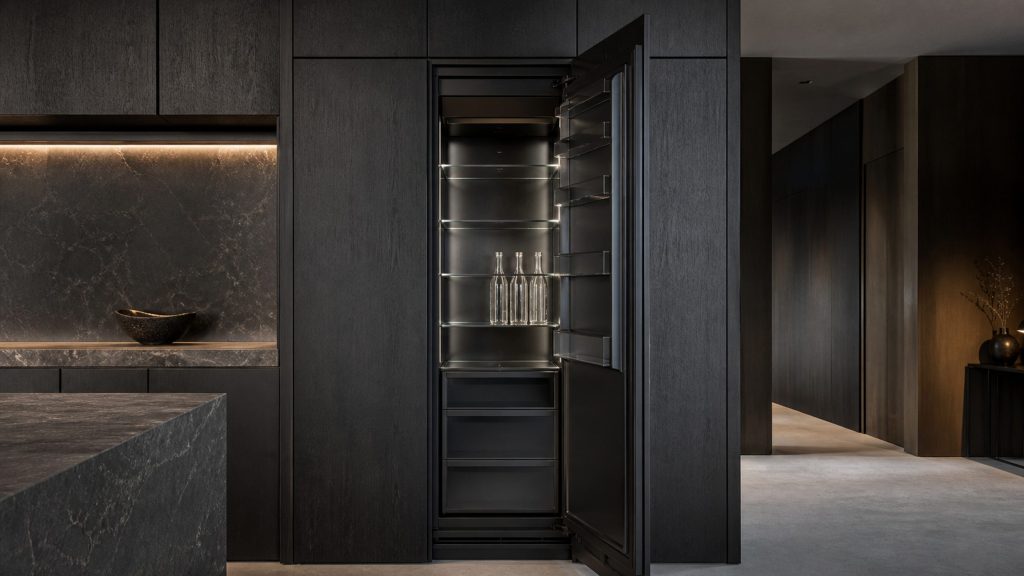
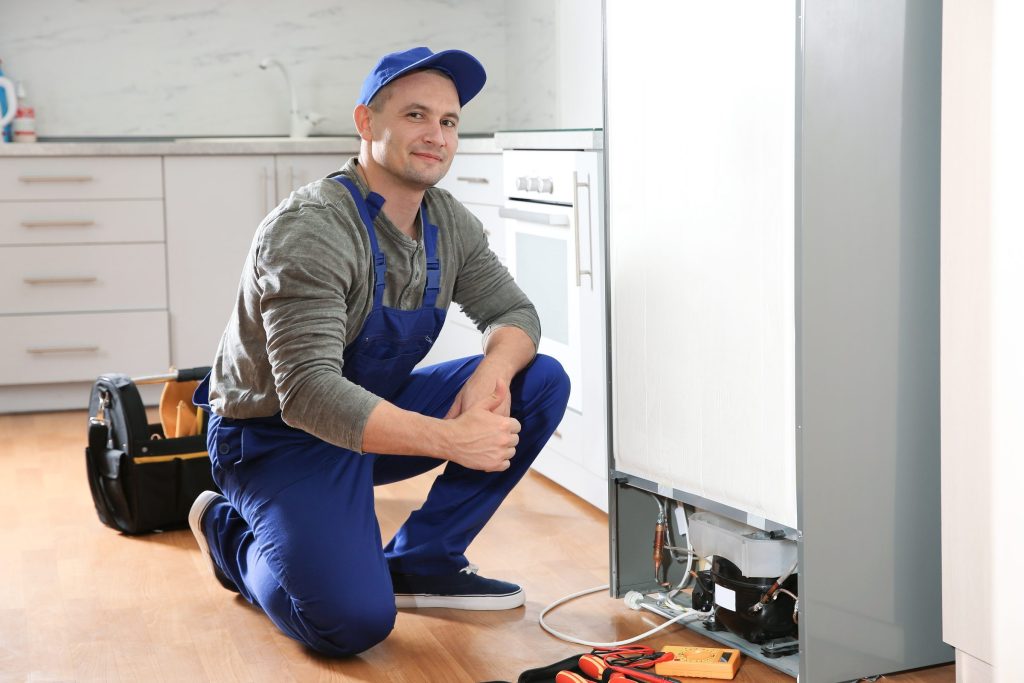
- Refrigerators and columns. Defrost first, then the evaporator fan, thermistors, the condenser, the water path, and the board after an outage
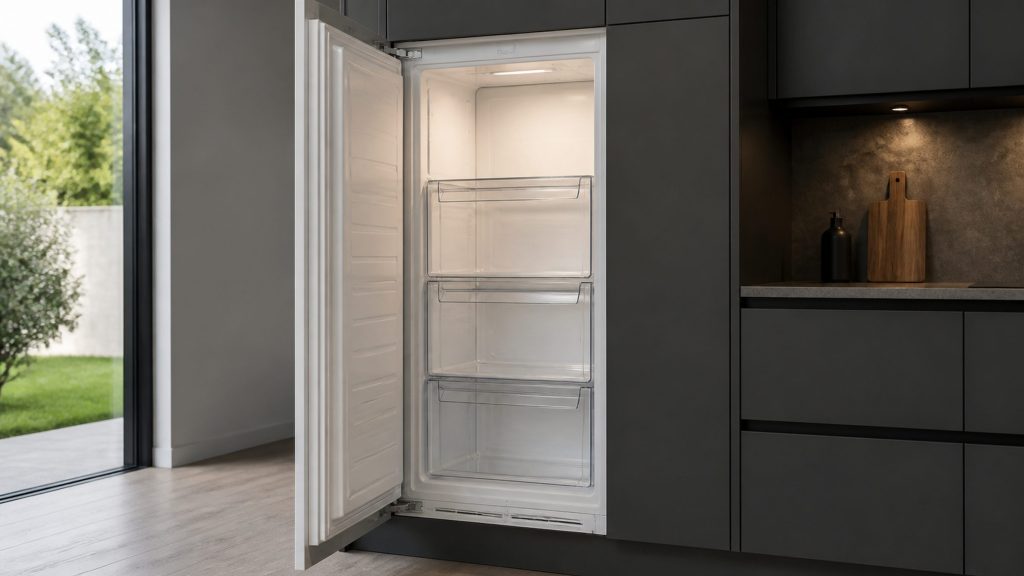
- Freezers. The defrost circuit and a drain that has iced closed, long before anything more serious
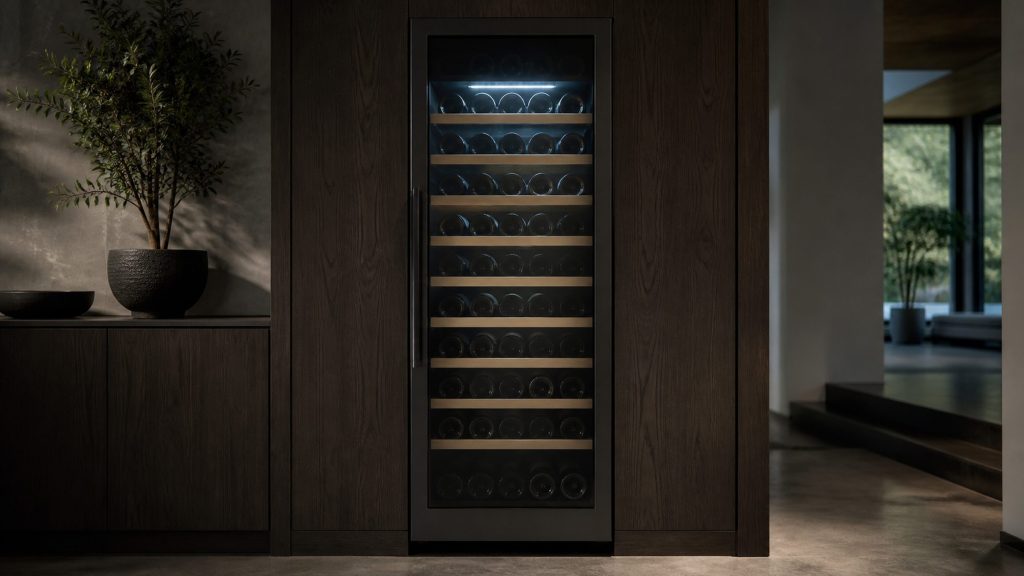
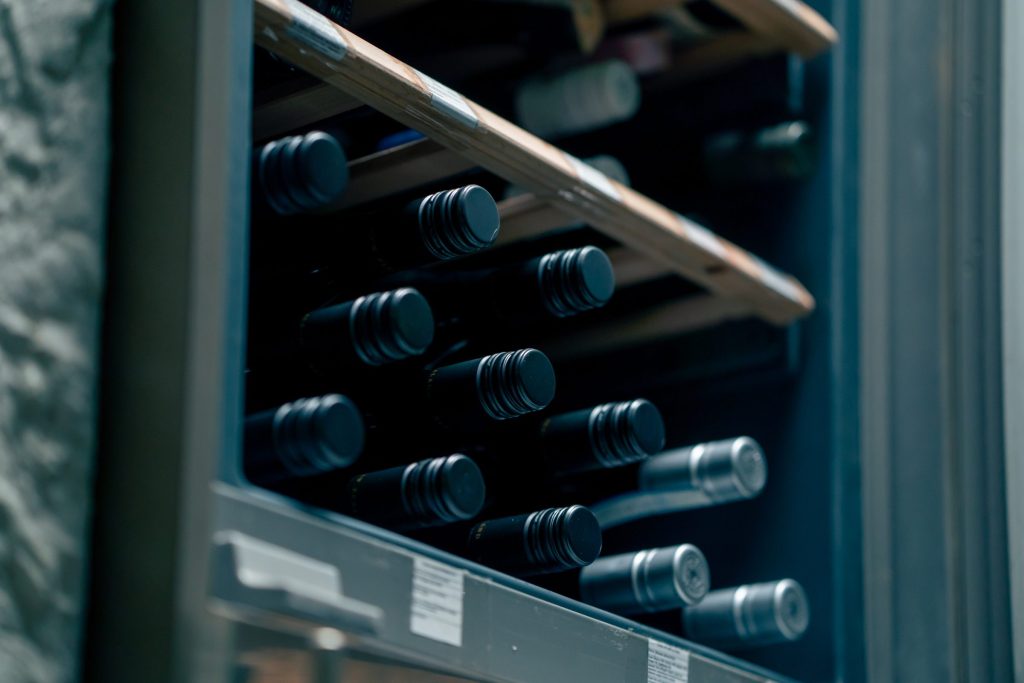
- Wine coolers. Airflow at the toe kick, then the condenser, the sensors, the door, and the mounts when the complaint is noise
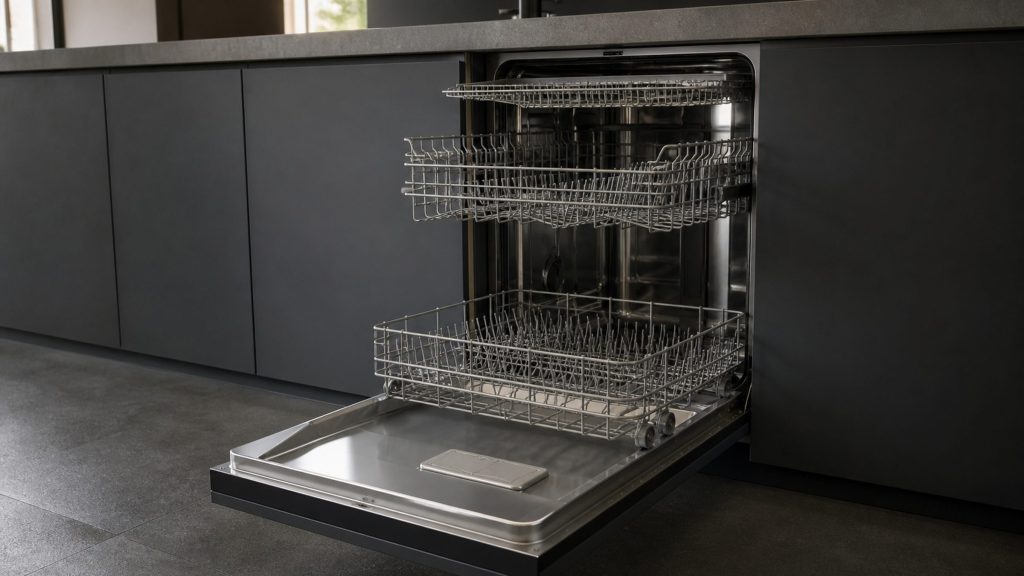
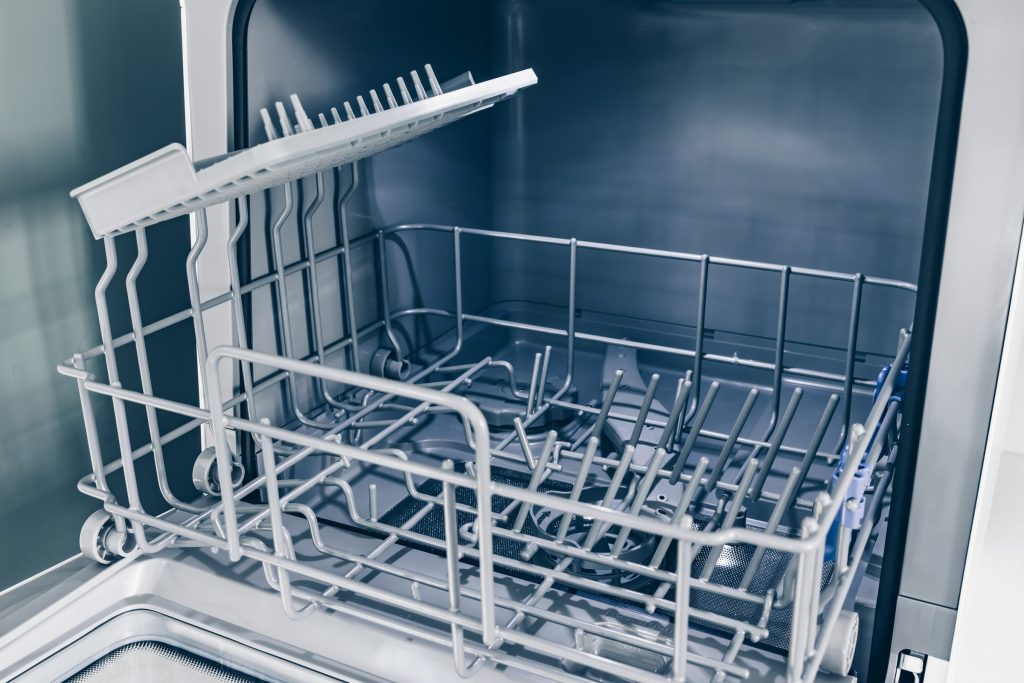
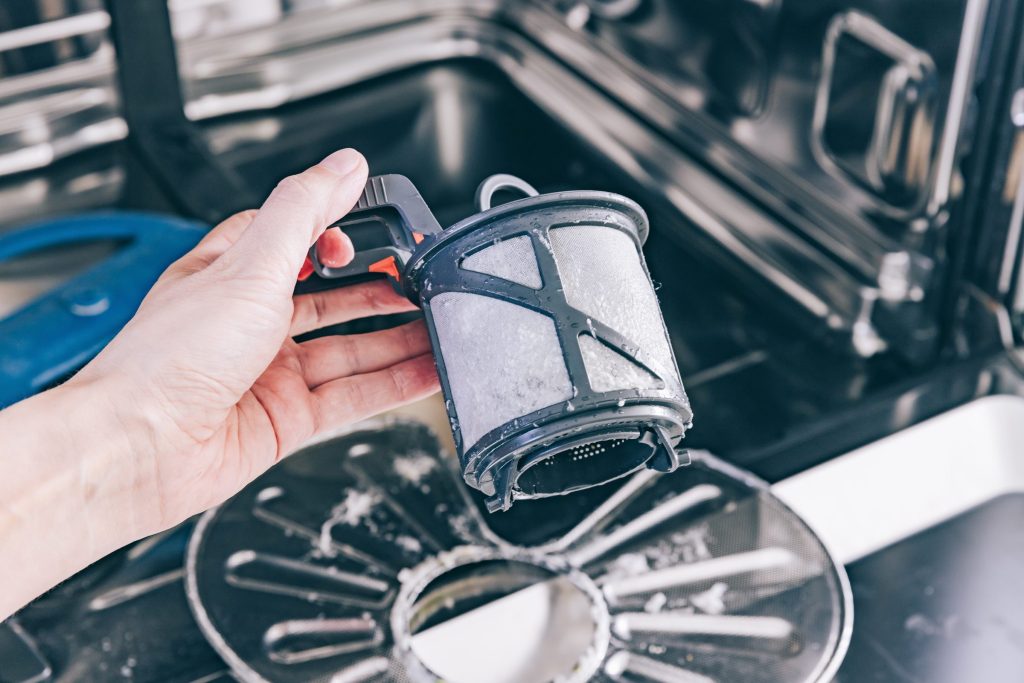
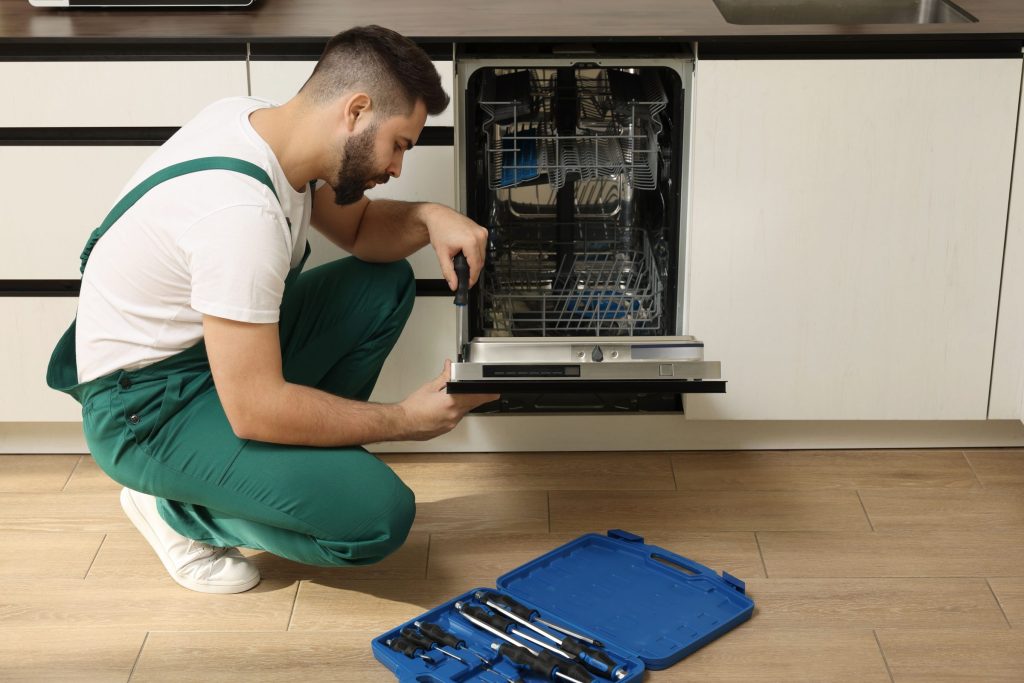
- Dishwashers. Draining, the tub filter, the panel, the door and its latch, the heater circuit, and leak detection that has shut the machine down on purpose
- Microwaves. The high-voltage side, the door interlocks, the drawer mechanism, and the vent path on the units that also ventilate a cooktop
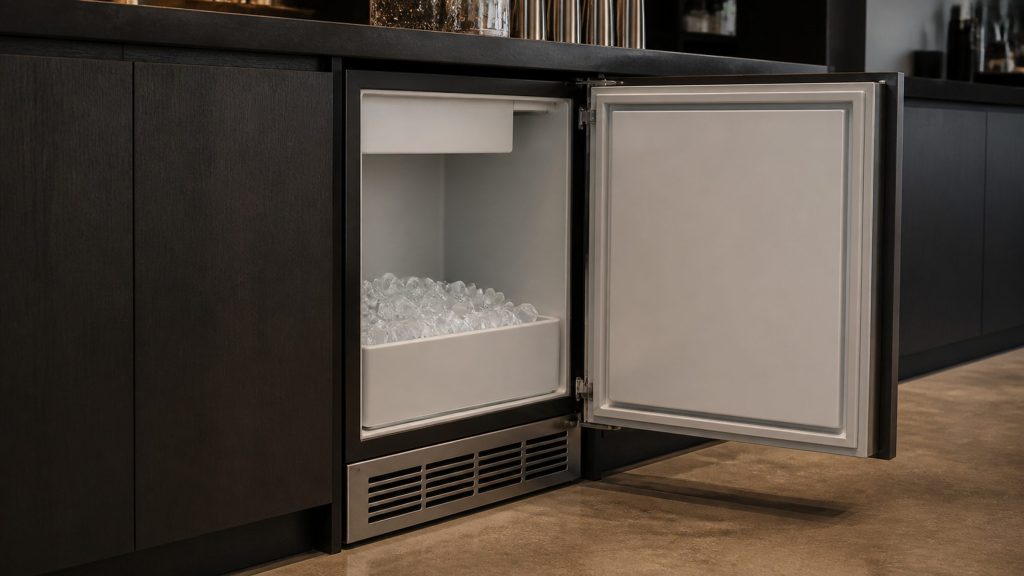
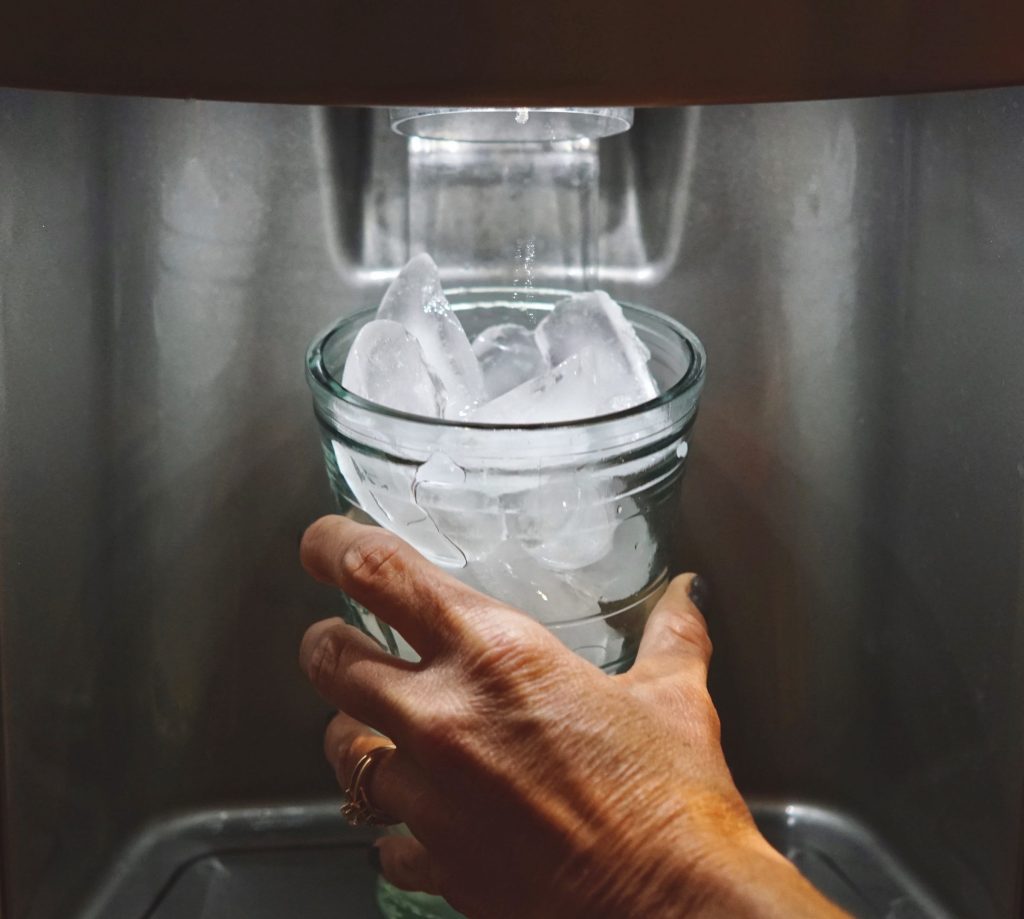
- Ice makers. Water in, water out, scale through the path, and a harvest that will not release
Built-in is most of what decides the appointment
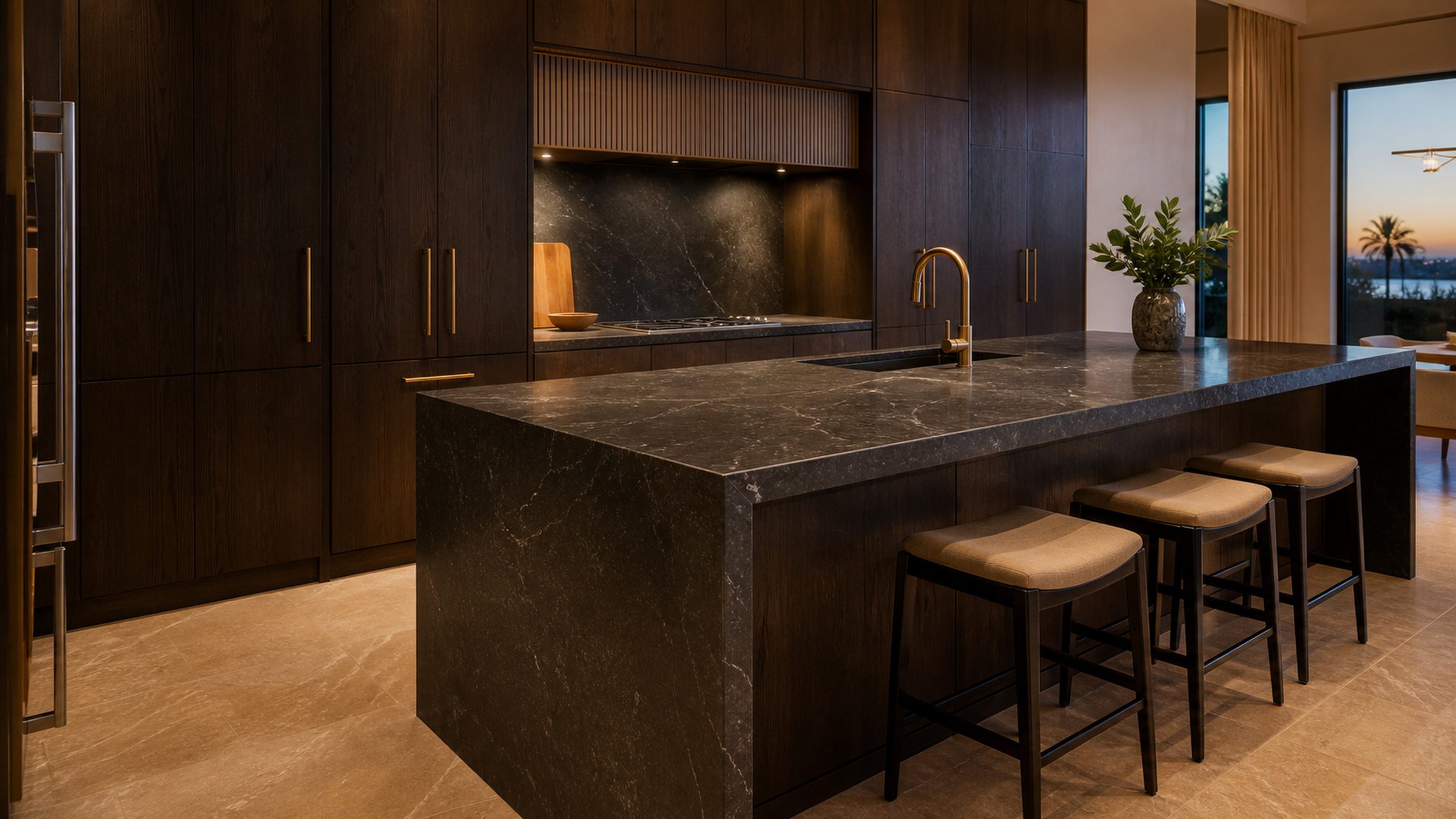
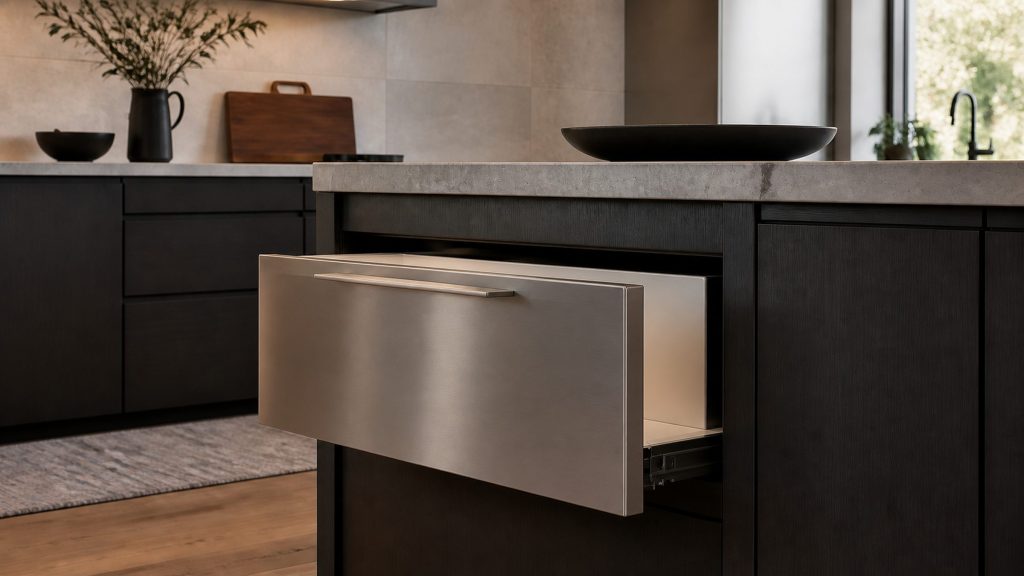
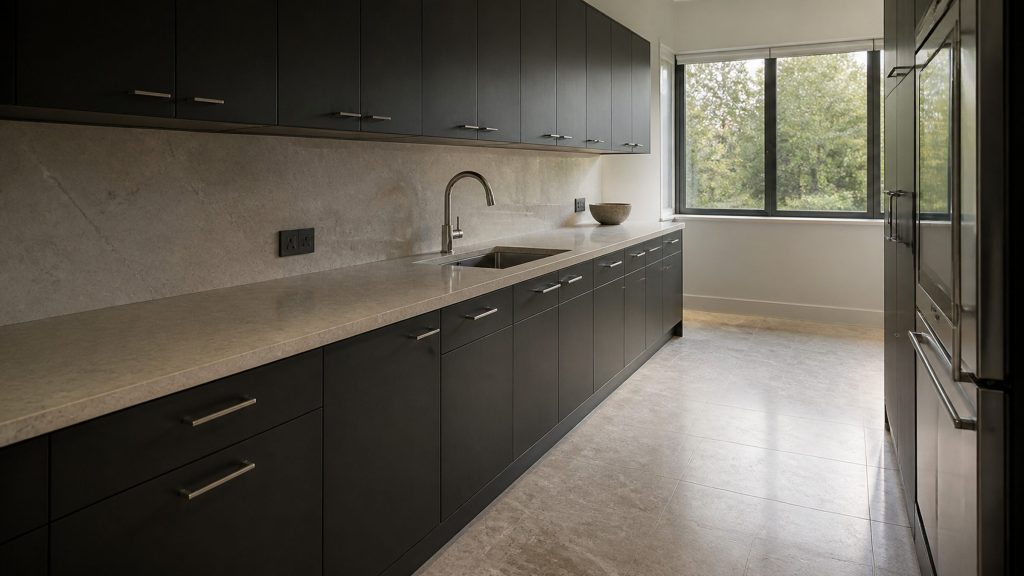
Almost nothing in this line stands on the floor. Ranges and rangetops are heavy and trimmed to cabinetry; wall ovens come forward out of a housing; refrigeration is columns and built-in cabinets behind panels that belong to your kitchen rather than to the appliance; dishwashers, cellars and ice makers live under counters and breathe through a grille at the bottom. The repair itself is often quick. The access around it is the appointment, and that is the honest reason a figure on this make sits where it does.
One code table, several badges
JennAir belongs to a corporate group that runs the same control platforms across several of its names, and the maker’s own support pages show it: the same code sits at the same address under more than one brand. So a code is rarely what tells you whose machine it is. What does is the appliance, the configuration and the model number — which is why every code page on this site names the appliance rather than publishing a bare table.
What an owner can genuinely do first
More than people expect, and the pages here say which. Lifting and reseating a burner cap. Pulling and rinsing a dishwasher filter. Washing a downdraft or hood filter. Clearing a defrost drain. Checking that the toe-kick grille under a cellar or an ice maker is not blocked. Cutting the power at the breaker for a minute after an outage. Where the maker itself says a condition is not an owner’s job — and on a microwave it says so for a good reason — we repeat that instead of inventing a checklist.
Model numbers
On the edge of the door on a dishwasher, on the frame inside the door on a range or wall oven, on the upper left interior wall of a refrigerator or column, underneath a cooktop, behind the toe-kick grille on an undercounter unit, behind a filter on a hood. A photograph of the plate is enough — it gives us the configuration and which parts fit before anybody drives anywhere.