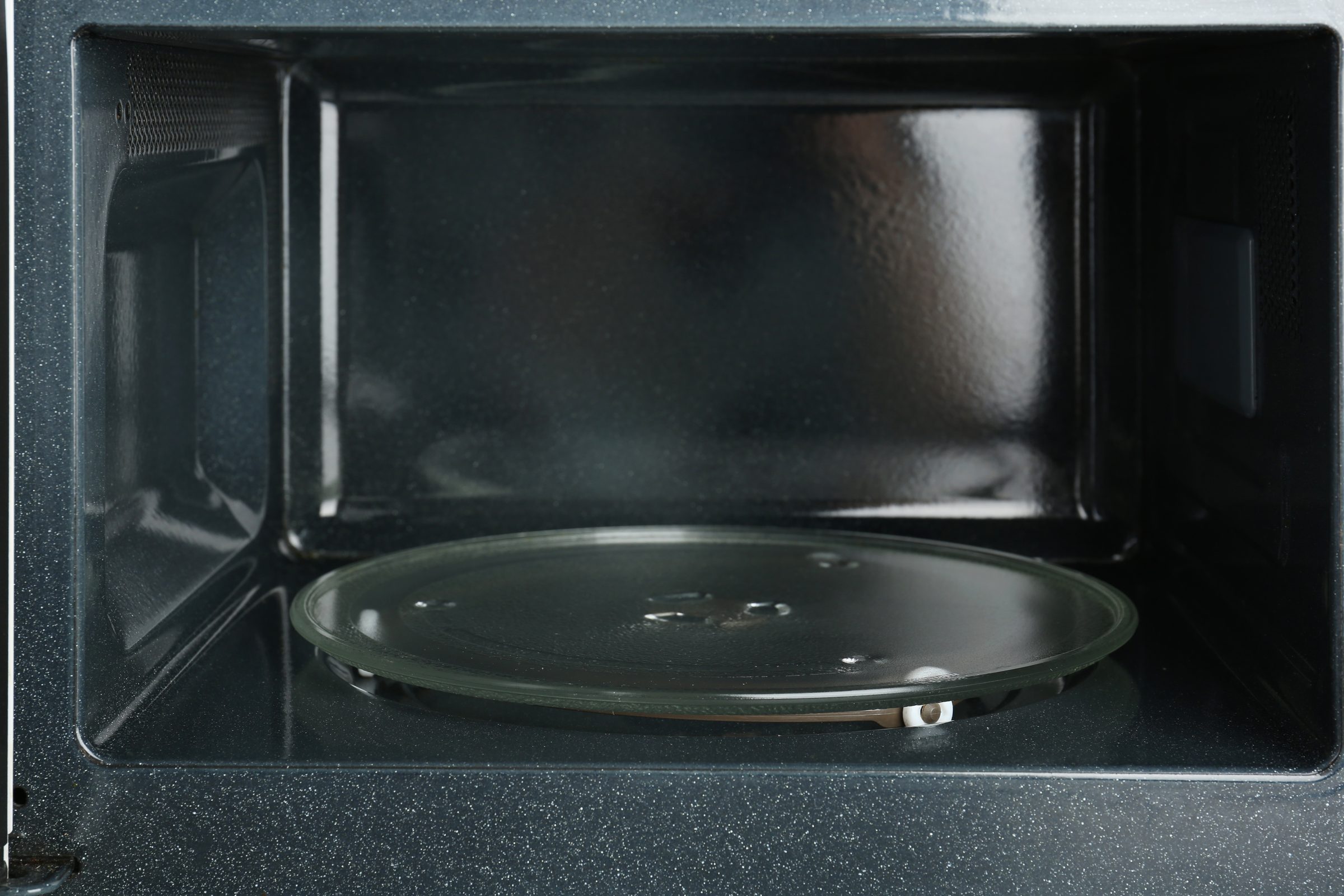
- “Everything looks normal and nothing gets warm”
- “A loud hum or buzz while it runs”
- “It heats weakly, and worse than it used to”
Symptom
JennAir the microwave runs but does not heat
Lights on, turntable turning, timer counting down, and the food exactly as cold as it went in. That is the high-voltage side, and it is the one appliance in your kitchen that genuinely cannot be opened safely with the power off.
- From $95 diagnostic, credited to the repair
- 59 cities and neighborhoods covered
- OEM parts available on order
- In writing the price, before anything is opened
Five ordinary causes
What this usually turns out to be
Cheapest and commonest first, which is also the order we check them in. They sit hundreds of dollars apart, and only the unit settles which one is yours.
-
The high-voltage side
The part that makes the heat, and everything else that makes the appliance look alive is on a different circuit.
Microwave magnetron & high-voltage repair from $175 -
A door interlock
A safety switch that has decided the door is not properly shut. The appliance runs and refuses to heat, which is correct behavior.
Microwave magnetron & high-voltage repair from $175 -
The control
Running a cycle without commanding the heat. Less common and told apart by measurement.
Cooking control & display repair from $275 -
A power level left low
Worth ruling out in ten seconds before anything else, because it costs nothing and it happens.
-
Weak rather than absent heating
A different and often earlier version of the same problem, and worth reporting as such.
Microwave magnetron & high-voltage repair from $175
In five minutes
Before you call anybody
None of it needs tools, and all of it makes the visit shorter.
-
01
Check the power level
Set to full and run the water test again. Ten seconds, and occasionally the whole answer.
-
02
The one-minute water test
A cup of cold water, one minute, full power. Unchanged water is a definite result rather than an impression.
-
03
Note any noise
A new hum or buzz while it runs is worth reporting and worth not investigating further yourself.
-
04
Power it off and leave it
Breaker or plug. That is the end of what should be done at home on this appliance.
-
05
Then book it
Model number, and which kind it is — built in, drawer, over-the-range, or the microwave half of a combination oven.
How it shows up
What people describe when they call
In more detail
About JennAir the microwave runs but does not heat
Confirm it, then stop
Put a cup of cold water in and run it for one minute on full. If the water is genuinely unchanged, you have confirmed the diagnosis. Then switch the appliance off at the breaker or unplug it and leave it. There is a capacitor inside a microwave that can hold a lethal charge long after it is disconnected, and that is not a disclaimer — it is the actual reason this page ends here.
Everything that looks alive is the wrong circuit
The light, the turntable, the fan, the display and the timer are all on the low-voltage side of a microwave. The part that actually heats food is on the other side, and when it stops, none of the visible signs of life change. That is why this symptom is so consistently described as "it works but it does not work", and why the one-minute water test is worth doing: it converts an impression into a result.
The one appliance we ask you not to open
There is no version of this page that ends with a checklist. A microwave capacitor can hold a dangerous charge for a long time after the appliance is disconnected, and no amount of care changes that. Confirm it with a cup of water, switch it off, and call somebody. Everything else in this kitchen can wait for a careful owner with a screwdriver.
Built in changes the arithmetic
This maker builds eight built-in microwaves, four drawer units and four over-the-range models, and on all of them the cabinetry was cut to the appliance. That means a repair which would look marginal on a countertop machine is often clearly the right call here, because replacing it is a joinery problem as well as a purchase. We put that in front of you rather than assuming it.
This article is based on:
- Official manufacturer documentation
- Internal repair procedures
- Technician repair history
- Company quality standards

Before you book
Questions about JennAir the microwave runs but does not heat
Why can I not open it up myself?
Because there is a capacitor inside that can hold a lethal charge long after the appliance is unplugged. That is not a liability sentence — it is the reason. Almost everything else in a kitchen is safe to look inside with the power off. This one is not, and being careful does not change it.
Is it worth repairing or should I replace it?
On a built-in unit, more often worth repairing than people assume, and for a reason that has nothing to do with the microwave: the cabinetry was cut to its exact dimensions, so replacing it frequently means matching a cutout or paying a cabinetmaker. On a countertop machine the answer is usually the opposite. We will tell you which situation you are in.
My combination oven has a dead microwave half.
Common, and it does not mean the tower is finished. The two halves are entirely separate cooking systems in one appliance, and a dead microwave with a perfect oven is a repair on one of them. The diagnosis has to establish which half, because the parts and the work are completely different.
It heats, but not like it used to.
Worth booking rather than living with, and worth describing exactly that way. Weakening rather than stopping is often the earlier stage of the same problem, and it is easier to confirm with a measured water test than to argue about from memory.
Where we do it
Across Miami-Dade, Broward, and Palm Beach
Same terms everywhere we go: an on-site diagnostic first, the price agreed in writing, and the exact figure confirmed once we have seen the unit.
Neighborhoods people ask for by name