Maintenance & Prevention
Your Dishwasher Has a Filter, and Nobody Told You at Delivery
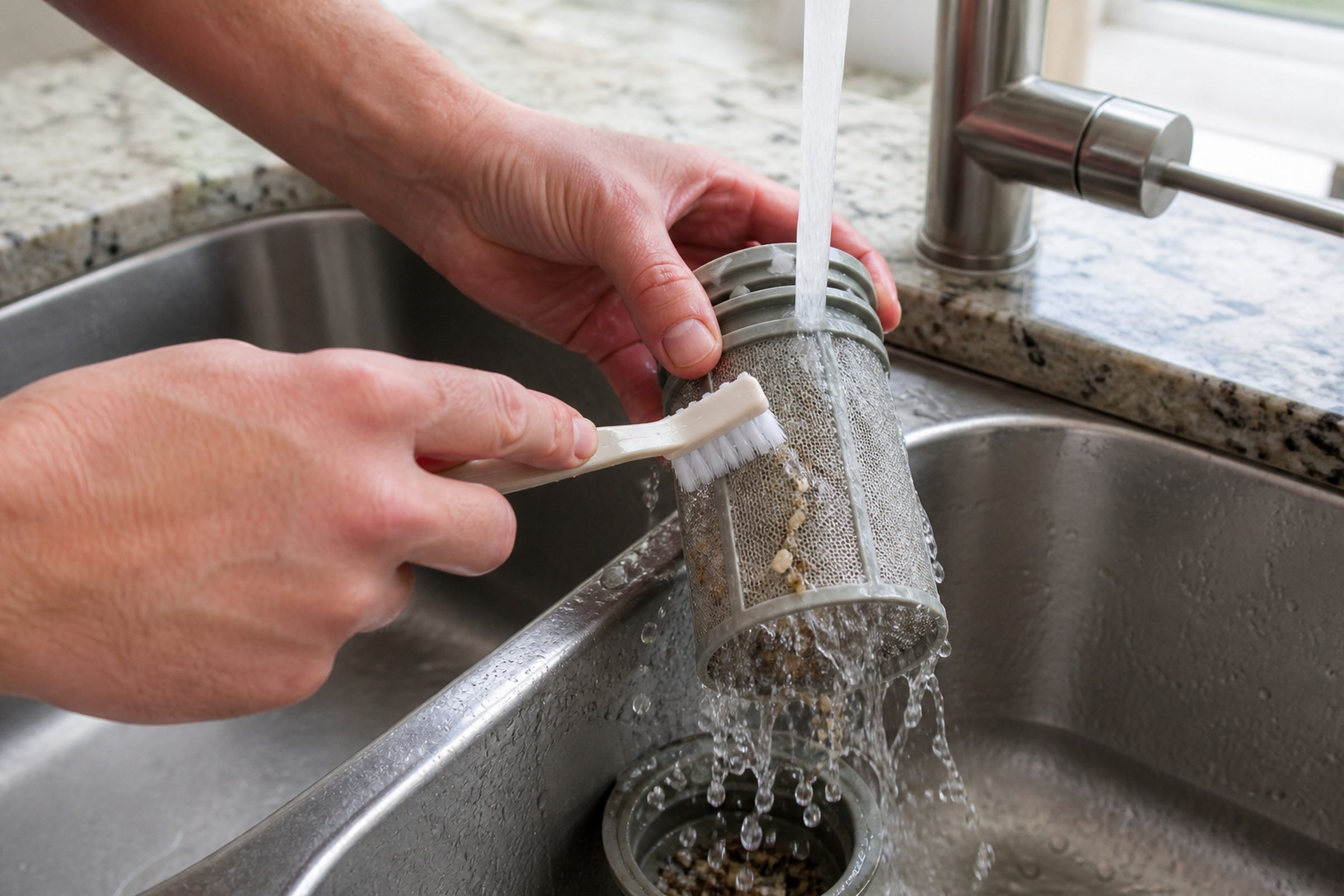
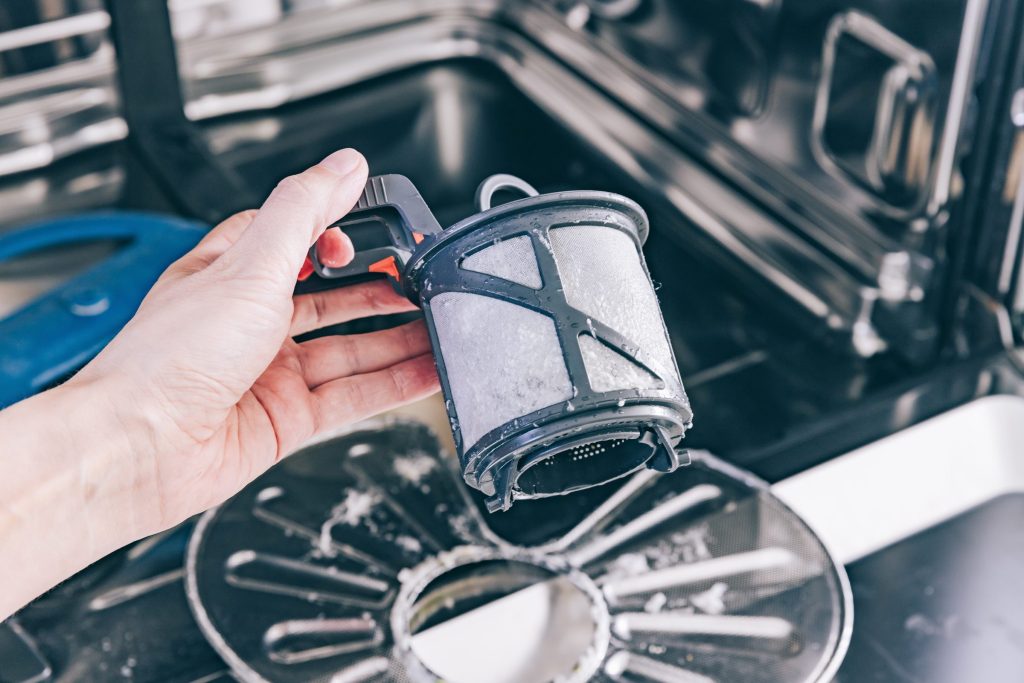
The filter sits in the floor of the tub under the lower rack. Take the lower rack out, find the cylinder in the middle of the tub floor, give it about a quarter turn counter-clockwise and lift it straight up; the flat screen underneath then lifts out separately. Both parts want hot water, a soft brush and a drop of detergent — a wash rather than a rinse. Put the screen back flat first, then drop the cylinder in and turn it until it locks; a cylinder that is not locked will rattle and can let debris past. Every month or two is right for this water, and more often if what goes in is scraped rather than rinsed. It takes under a minute and it prevents most of what people call about on this appliance.
The full guide
How to clean filter on Jenn Air dishwasher: under a minute, and nobody mentions it
Take the lower rack out. Look at the floor of the tub. There is a cylinder in the middle of it.
Give it about a quarter turn counter-clockwise and lift straight up — it comes out in your hand, no tools. Underneath it there is a flat screen, which is a separate part and the one everybody forgets. That lifts straight out too.
Wash both in hot water with a soft brush and a drop of detergent. Not a rinse — a wash. They should come out looking new.
Every JennAir dishwasher in the current line is built in, and most of them are fully integrated behind a cabinet panel — so the door has to be open before you can see any of this, which is a large part of why nobody ever has.
Put the flat screen back first, seated properly flat. Then the cylinder, turned until it stops.
That is the whole job.
Why It Is There at All
Every dishwasher in this line uses a removable filter rather than a food grinder.
A grinder chops what comes off the plates so it can go down the drain. It also has a motor and blades, and you can hear one from the next room. Every machine on this make runs at 38 to 39 decibels, and a filter instead of a grinder is a large part of how they get there.
The trade is one minute of your time every month or two. The problem is that nobody says so at delivery, there is no light, no beep and no message — so an enormous number of these filters have never been touched.
What a Full Filter Actually Does
Nothing dramatic, which is why it survives so long. In order of appearance:
- Grit on the dishes. What the filter should be holding is being redistributed instead.
- Film on glassware. Which everybody blames on the water, and in this city partly is the water — but a loaded filter makes it worse.
- A smell when you open the door. The filter and the door seal are the two places a dishwasher smell lives, and neither is reached by the spray arms.
- A slow drain, eventually, because the water has to get through whatever is sitting on the mesh.
Four different complaints, one minute of work. That is unusual on this site and it is worth using.
How Often, Honestly
Every month or two for a machine in normal use here. More often if what goes in has been scraped rather than rinsed — which is what you should be doing.
That last point is worth its own line, because the instinct is wrong. These machines have a sensor that reads how dirty the water is and decides how hard to work. Load them with pre-rinsed dishes and the sensor concludes the job is nearly done and runs a lighter cycle. Scrape the solids into the bin and leave the rest.
Two Things Not to Do
Do not put the filter in the dishwasher. It is the part that catches what the dishwasher removes; a cycle cannot clean it.
Do not use anything metal or abrasive. The mesh is fine and a wire brush opens it up permanently. A soft brush, hot water, and a little detergent is all it wants.
And If It Rattles Afterwards
The cylinder is not locked. Take it out, check the flat screen underneath is sitting properly flat — it is easy to get slightly proud — then drop the cylinder in and turn it until it stops moving.
A filter that is not seated lets debris straight past into the pump, and that is a much bigger conversation than this page.
What to Have Ready If You Do Call
The model number from the edge of the door, visible only when the door is open. Whether the complaint is grit, film or smell. Which rack is worst, if it is only one. And whether the front is your own cabinet panel, because that decides how long the appointment runs.
We repair this equipment across Miami-Dade, Broward and Palm Beach.
If it turns out to be a repair
What this leads to, and what it costs
Every job on this site is priced the same way: an on-site diagnostic first, the figure agreed in writing before anybody starts.
-
from $145 Dishwasher wash & filter service
Dishes coming out gritty, filmed or still dirty on one rack. This is the repair that most often ends without a part — and the one where South Florida water is doing more of the work than anything mechanical.
- Filter, spray arms and jets cleared and checked turning
- Wash pressure proved rack by rack
- Rinse aid and detergent set for this water
-
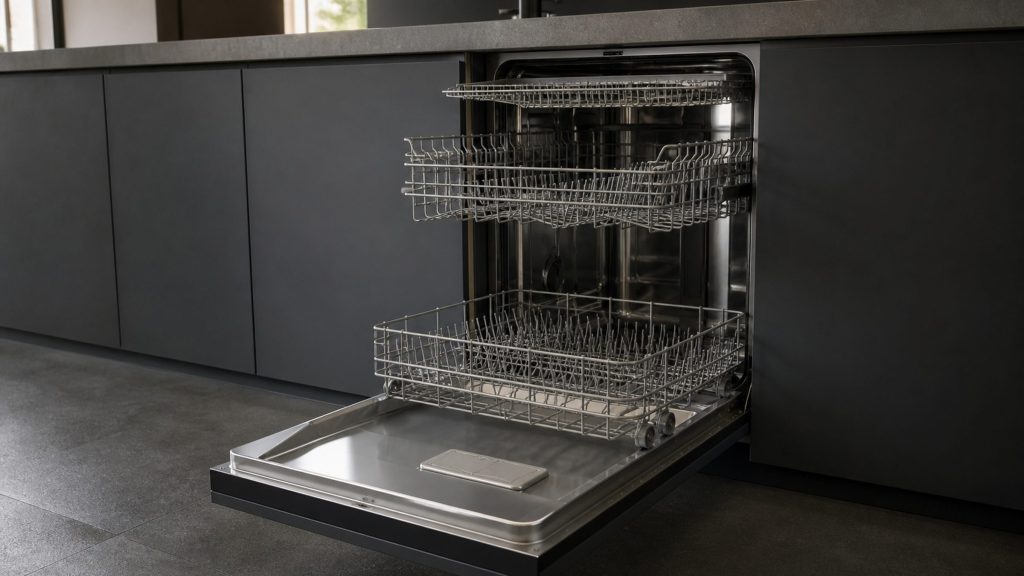
Fully integrated · Panel-ready · Pocket handle · TriFecta · Third rack · 24" · 38–39 dBA Dishwashers
Ten machines, all of them 24 inches, all of them quiet enough that the loudest thing in the kitchen is the water. Fully integrated, panel-ready and pocket-handle fronts; a third rack for cutlery on most of the line. On the integrated machines the controls are hidden along the top edge of the door, which changes how a problem is diagnosed more than it changes the machine.
- A cycle that finishes with water still standing in the tub
- Dishes coming out gritty, or coming out wet
- A panel that will not respond, or a machine that will not start

Questions people ask about this
Why does this line use a filter instead of a grinder?
Because a grinder is a motor with blades in it and you can hear one from the next room. Every dishwasher in this line runs at 38 to 39 decibels, and a removable filter is a large part of how. The trade is that somebody has to rinse it, and nobody is told that at delivery.
What happens if I never clean it?
Nothing dramatic, which is exactly why it gets left. What you notice is that dishes come out gritty, glassware films, the machine starts to smell, and eventually the drain slows because the water has to get through what is on the filter. Every one of those reads as an appliance problem and all four are the same minute of work.
Can I put it in the dishwasher?
No — it is the thing that catches what the dishwasher removes, so a cycle will not clean it. Hot water, a soft brush and a drop of detergent by hand. Nothing metal and nothing abrasive; the mesh is fine and a wire brush will open it up.
Do I need to pre-rinse the dishes to protect it?
Scrape, do not rinse. These machines judge how dirty the water is and decide how hard to work, so a load of pre-rinsed dishes tells the sensor the job is nearly done and it runs a lighter cycle. Scraping the solids into the bin and leaving the rest is exactly what they are built for, and it is also what keeps the filter from filling quickly.
It rattles since I put it back.
The cylinder is not locked. Take it out, check the flat screen underneath is sitting properly flat, then drop the cylinder in and turn it until it stops. A cylinder that is not seated lets debris past into the pump, which is a much larger conversation than the one on this page.
Maintenance & Prevention
More guides like this one
-
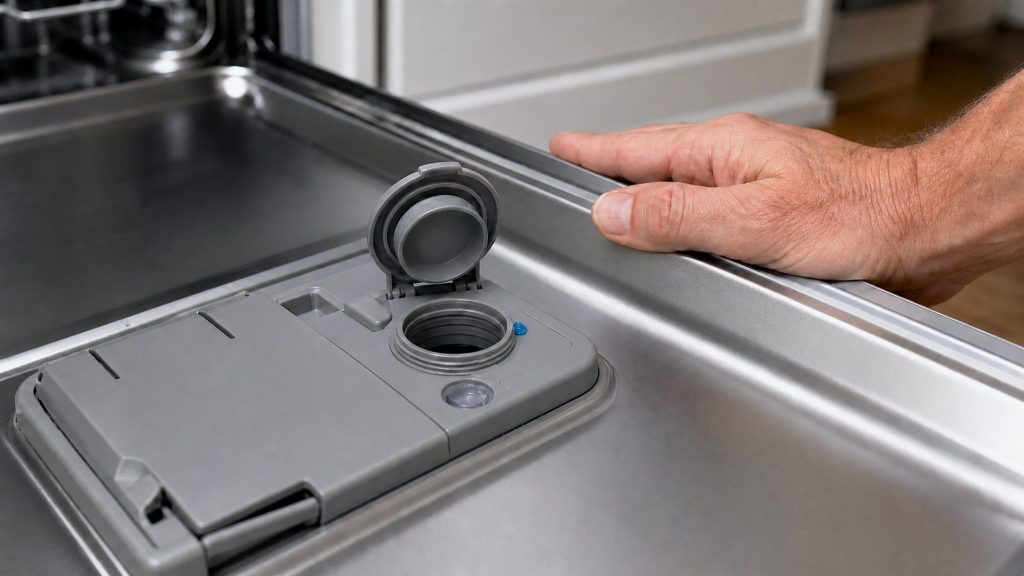
Running It Empty With Vinegar Will Not Fix the Smell. Here Is What Does
Every remedy people try fails for the same reason: the two places holding the smell are the two places the wash arms cannot reach.
Read more -

Nine Appliances, Nine Places the Plate Hides
On a built-in kitchen nothing has a visible back, and half of these plates need a phone held into a cabinet at an angle you cannot see. Here is where each one is, and why a photograph beats writing it down.
Read more -
A Two-Minute Test That Can Save You a $695 Repair
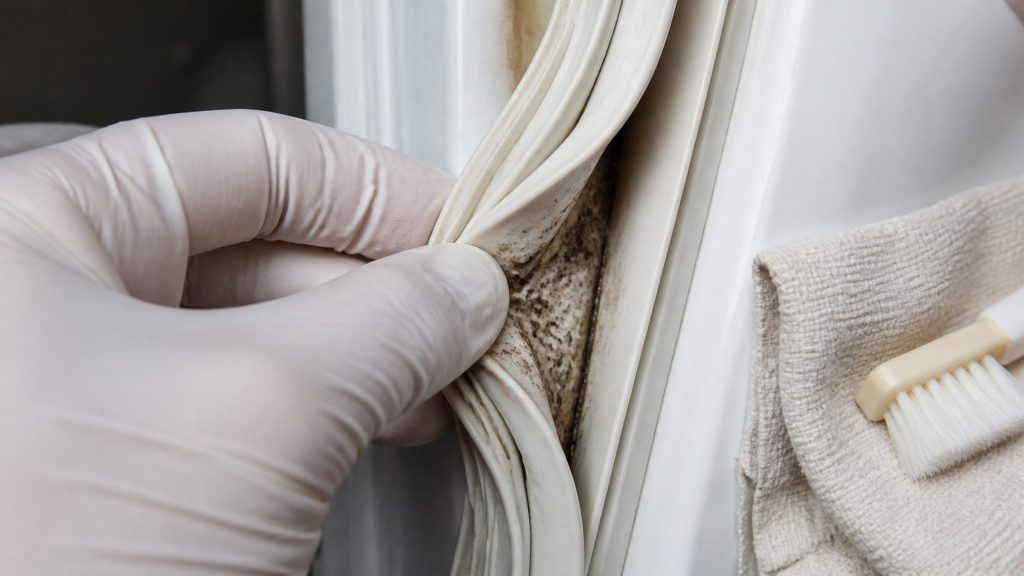
A tired door seal produces every symptom of a failed sealed system — a cabinet that will not hold temperature, condensation, frost where there should be none, a compressor that never stops. It costs a fraction as much to fix, and a banknote finds it in two minutes.
Read more
Tell us the model number and what it is doing.
This article is based on:
- Official manufacturer documentation
- Internal repair procedures
- Technician repair history
- Company quality standards