Error code
JennAir induction cooktop error code F0E1
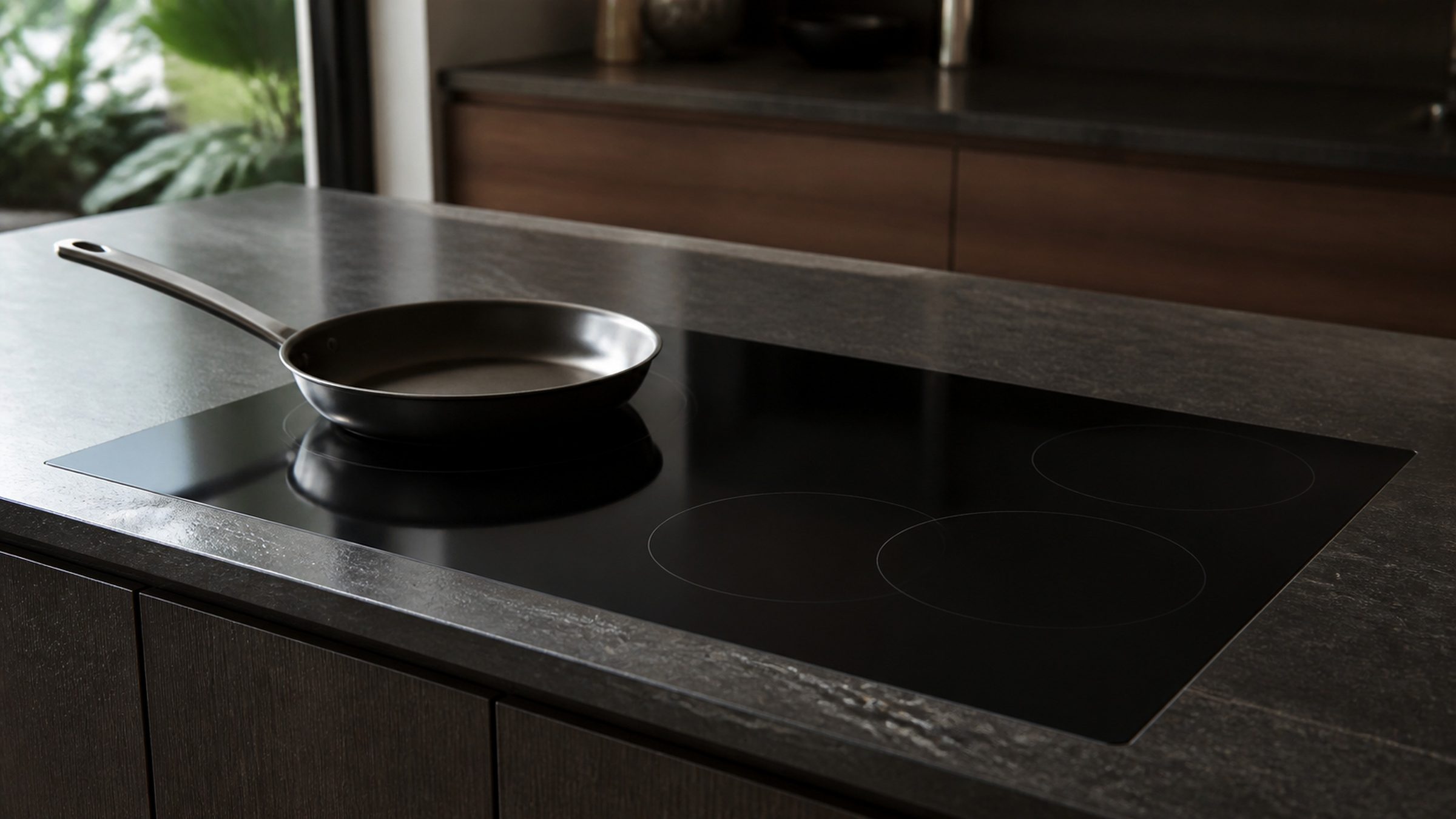
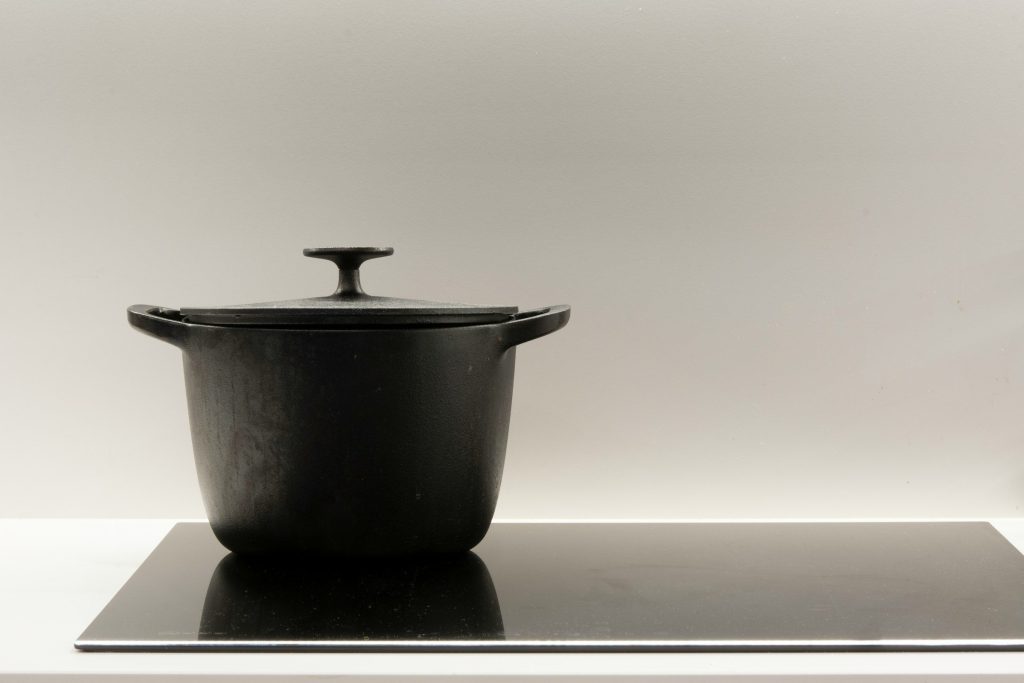
JennAir induction cooktop error code F0E1: Is the correct cookware being used? Is the pot the correct size? Only use pots and pans made from ferromagnetic material that are suitable for use with an induction cooktop: Enameled steel Cast iron Stainless steel designed for induction cooking To determine whether a pot is suitable, a magnet may be used to check whether the pot is magnetic. The quality and the structure of the pot base can alter cooking performance. Some indications for the base's diameter do not correspond to the actual diameter of the ferromagnetic surface. Some pots and pans have only a part of the bottom in a ferromagnetic material, with parts in another material that is not suitable for induction cooking. These areas may heat up at different levels or at lower temperatures. In certain cases, where the bottom is made mainly of non-ferromagnetic materials, the cooktop might not recognize the pan and, therefore, not switch on the cooking zone. Non-ferromagnetic materials will not work with induction cooking. Non-ferromagnetic materials include: Stainless steel Glass Ceramic Copper or aluminum To ensure the cooktop functions properly, use pots of a suitable minimum diameter. Always use the cooking zone that best corresponds to the minimum diameter of the bottom of the pot. Place the pot, making sure it is well centered on the cooking zone in use. It is recommended not to use pots that exceed the perimeter of the cooking zone in use. What the code narrows down, what the maker publishes for it, and why the same number means something else on another JennAir appliance.
- From $95 diagnostic, credited to the repair
- 59 cities and neighborhoods covered
- OEM parts available on order
- In writing the price, before anything is opened
What we can confirm
Code F0E1, from the manufacturer's own documentation
A code is only meaningful together with the machine showing it — the same digits mean different things on different equipment.
The code
F0E1
Is the correct cookware being used? Is the pot the correct size? Only use pots and pans made from ferromagnetic material that are suitable for use with an induction cooktop: Enameled steel Cast iron Stainless steel designed for induction cooking To determine whether a pot is suitable, a magnet may be used to check whether the pot is magnetic. The quality and the structure of the pot base can alter cooking performance. Some indications for the base's diameter do not correspond to the actual diameter of the ferromagnetic surface. Some pots and pans have only a part of the bottom in a ferromagnetic material, with parts in another material that is not suitable for induction cooking. These areas may heat up at different levels or at lower temperatures. In certain cases, where the bottom is made mainly of non-ferromagnetic materials, the cooktop might not recognize the pan and, therefore, not switch on the cooking zone. Non-ferromagnetic materials will not work with induction cooking. Non-ferromagnetic materials include: Stainless steel Glass Ceramic Copper or aluminum To ensure the cooktop functions properly, use pots of a suitable minimum diameter. Always use the cooking zone that best corresponds to the minimum diameter of the bottom of the pot. Place the pot, making sure it is well centered on the cooking zone in use. It is recommended not to use pots that exceed the perimeter of the cooking zone in use
or call (305) 745-7213
What it narrows down to
Is the correct cookware being used?
What you are probably seeing
Diagnostic
From $95, credited to the repair
What it looks like from the kitchen
The symptom this code usually arrives with
A code names the subsystem; the symptom is what sent you to look at the display in the first place. That page says what it usually turns out to be, cheapest cause first.
-
Radiant, and what it means A cooktop zone has stopped
One ring dead, one stuck on full, or one that will not hold a setting. On a radiant surface those are three different parts, and the cheapest of them is the one that fails most often.
- One zone dead and the rest fine
- A zone that only runs at full
- A zone that cycles oddly or will not hold
On the same appliance
What else belongs to the cooktops and rangetops
On this make a code belongs to the appliance rather than to a product line. These are the other conditions this machine can display, and the models that can show this one — a display often has more than one thing to say, and the model number decides what any of it costs to put right.
Other codes this appliance can display
The cooktop is too hot.
An object, liquids, or soils are putting pressure on the control panel
The same digits mean different things on different equipment. Search the full code list
In more detail
About JennAir induction cooktop error code F0E1
What JennAir publishes for F0E1 on a induction cooktop
Is the correct cookware being used? Is the pot the correct size? Only use pots and pans made from ferromagnetic material that are suitable for use with an induction cooktop: Enameled steel Cast iron Stainless steel designed for induction cooking To determine whether a pot is suitable, a magnet may be used to check whether the pot is magnetic. The quality and the structure of the pot base can alter cooking performance. Some indications for the base's diameter do not correspond to the actual diameter of the ferromagnetic surface. Some pots and pans have only a part of the bottom in a ferromagnetic material, with parts in another material that is not suitable for induction cooking. These areas may heat up at different levels or at lower temperatures. In certain cases, where the bottom is made mainly of non-ferromagnetic materials, the cooktop might not recognize the pan and, therefore, not switch on the cooking zone. Non-ferromagnetic materials will not work with induction cooking. Non-ferromagnetic materials include: Stainless steel Glass Ceramic Copper or aluminum To ensure the cooktop functions properly, use pots of a suitable minimum diameter. Always use the cooking zone that best corresponds to the minimum diameter of the bottom of the pot. Place the pot, making sure it is well centered on the cooking zone in use. It is recommended not to use pots that exceed the perimeter of the cooking zone in use. Those are the maker's words, taken off its own support page for this condition on a induction cooktop. We have not improved them and we have not paraphrased them into something that sounds more certain. Everything below this line is ours, and it is written from what this equipment does in a Miami kitchen rather than in a manual.
F0E1 is two numbers, not one
It is F0 followed by E1, and they answer different questions. The F says which function noticed; the E says what it noticed. That is why F0E1 sits beside F0E0 and nowhere near F1E1, which on a small display looks almost identical and has nothing to do with it. Copy both halves down before you clear anything.
Counted across every condition in this archive, the F0 group points at the control board more than at anything else: 2 of the 2 F0 conditions that carry a published meaning. JennAir states no such rule anywhere — this is simply what its own pages add up to when you total them, and we recompute it every time this archive is rebuilt so it cannot quietly go stale.
Everything else published under F0 for the induction cooktop: F0E2, F0E4, F0E6, F0E8. Worth knowing because a display that has shown two of these in a week is describing one problem twice rather than two problems once.
Try this before you book anything
What follows is JennAir's own list for F0E1 on a induction cooktop, not ours, and it is worth the five minutes it takes. A fair number of these end the whole thing at no cost, which is the reason this archive is here to be read rather than behind a booking form.
- Press On/Off button twice to remove the F0E1 code and restore the functionality of the cooking zone. Then, try to use the cookware with a different cooking zone, or use different cookware.
Where to go from here
And one thing this archive says on every page rather than burying: the number is not this badge's property. JennAir runs the same control platform as the other names in its corporate group, and the page for F0E1 sits at the same address under more than one of them. Far from awkward, that is the most useful fact here: the code names the subsystem and the model number names the machine. Which makes the plate inside your door frame half of every answer on this site.
Every other condition is in the JennAir code archive, searchable by number. Send us the model number and the display exactly as it reads and you will hear what it points at before anything is booked. We are independent and we work across Miami-Dade, Broward and Palm Beach.
This article is based on:
- Official manufacturer documentation
- Internal repair procedures
- Technician repair history
- Company quality standards