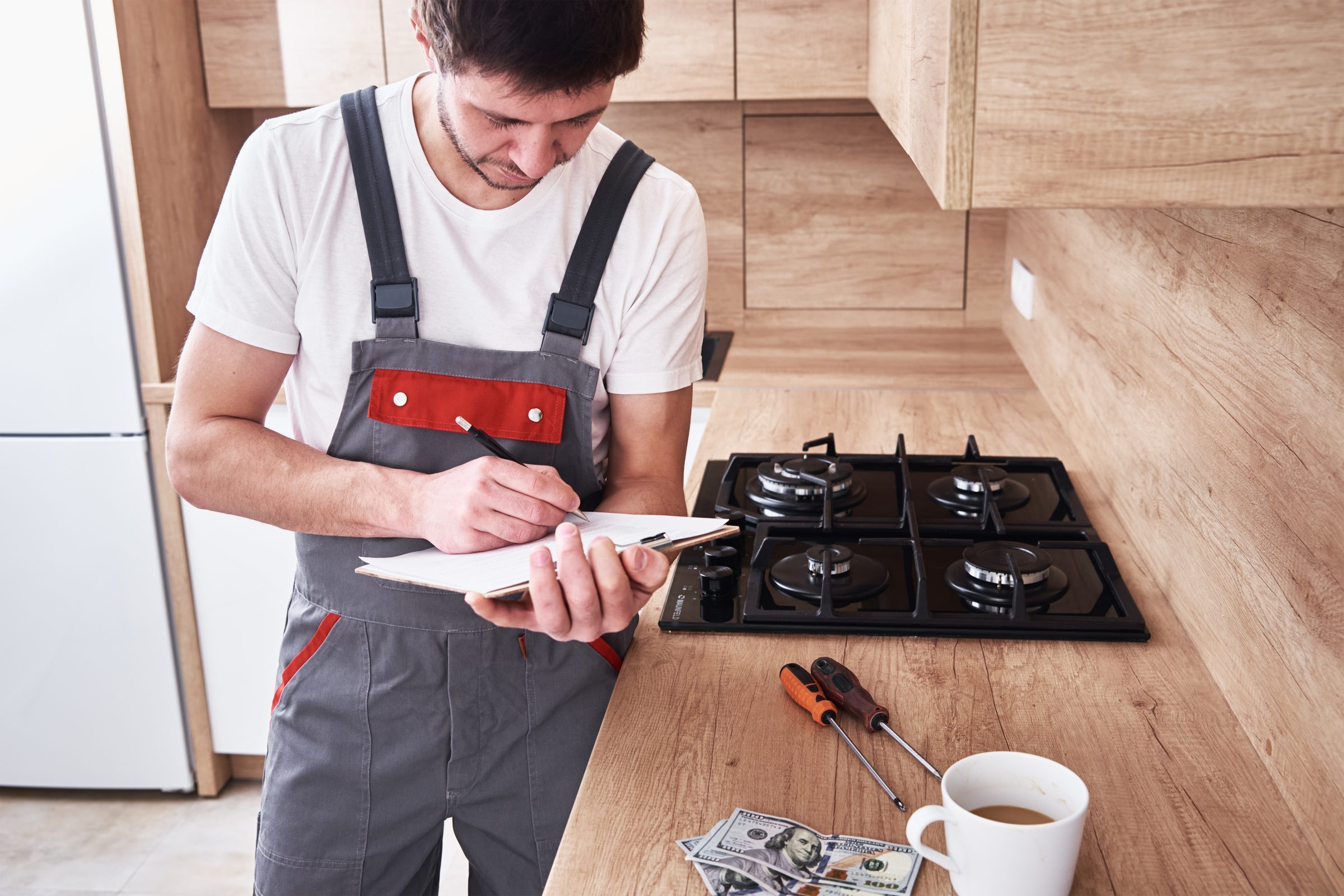
Maintenance & Prevention
Nine Appliances, Nine Places the Plate Hides
On built-in equipment the plate is never on the front, because the front is either a stainless facade or your cabinetmaker's panel. Refrigeration: inside, on the side wall near the top or behind the lower drawer, and on a column often on the frame the door closes against. Dishwasher: on the edge of the door, visible only with the door open, usually the right-hand side. Wall oven: on the frame of the opening, seen with the door open, usually along the left or bottom edge. Range: pull the storage drawer out and look at the frame, or open the oven door and check the frame edge. Cooktop: underneath, which means looking up from inside the cabinet below it with a phone. Microwave: inside the door frame, or on the top edge of a drawer model. Wine cellar and ice machine: behind the base grille or inside on a side wall. Whichever it is, photograph it rather than copying it out — model numbers on this maker run characters together and one wrong digit orders the wrong part.
The full guide
The JennAir refrigerator model number location, and why this is harder than it should be
On a freestanding appliance the model plate is usually on the back, and finding it means pulling the machine out and turning your head.
A built-in kitchen has no backs. Every machine is fitted into an opening that was cut for it, frequently secured to the surround, with its services behind. The front is either a stainless facade with nothing printed on it or — on panel-ready equipment, which is most of this maker's refrigeration and dishwashers — a door your cabinetmaker built.
This is why the number matters more on a JennAir than on most badges: the error codes are shared across five names in one corporation, and the plate is the only thing on the machine that says which of the five you own.
So the plate goes somewhere it can be reached without moving the appliance. That is good design and it is why nobody can ever find it: the location is different on every machine, and about half of them need a phone camera held somewhere your eyes cannot go.
Where Each One Is
Refrigeration — columns, French-door cabinets, freezers. Open the door and look high on a side wall, left more often than right. On a column, also check the frame the door closes against. If both are bare, take the bottom drawer out and look behind it.
Dishwasher. On the edge of the door, usually the right-hand side, occasionally the top edge beside the controls. It is invisible with the door shut, which is why people are convinced their dishwasher does not have one.
Wall oven. On the frame of the opening rather than on the door — usually the left edge or along the bottom, sometimes behind a lower trim strip. On a double oven, check the upper cavity first.
Range. Pull the storage drawer right out and look at the frame behind it. If there is no drawer, open the oven door and read the frame edge as you would for a wall oven.
Cooktop. The plate is on the underside. Open the cabinet below, get a phone in there facing upward, and take a photograph. You will not read it directly and that is normal — this is the hardest plate in the kitchen and the one people give up on.
Microwave. On a door model, open it and look around the door frame. On a drawer model, open the drawer fully and check its top edge.
Wine cellar and undercounter ice machine. Behind the base grille, frequently. Take the grille off — it comes away by hand — and look. Otherwise inside, low on a side wall.
Photograph It. Do Not Write It Down.
This matters more than it sounds.
Model numbers on this maker are long strings of letters and digits with no spacing to help you: characters run together, and several pairs are easy to confuse in the light available inside a cabinet. One wrong character orders the wrong part, and on a built-in appliance a wrong part means a second visit.
So:
- take a photograph, not a note;
- take a second one closer, because the first is often not sharp enough;
- if the plate is worn, take one with light raking across it rather than straight on — it brings back characters that look gone;
- get the serial number in the same shot. It is almost always on the same plate, and it is what settles warranty questions.
Do It Before Anything Breaks
The best ten minutes of preventive maintenance in this whole section, and it involves no tools.
On a quiet afternoon, walk round the kitchen and photograph all nine plates. Put the pictures in one place — an album on your phone, a folder, a note. Whatever you will still be able to find in two years.
The moment you actually need a model number is the moment an appliance has failed, the kitchen is busy, and somebody is asking you for it on the phone. Nobody wants to be lying on the floor with a torch at that point, and on a cooktop that is exactly what it takes.
If You Genuinely Cannot Reach It
Do not force anything, and above all do not pull a built-in appliance out of its housing to read a label. These machines are secured to the surround, with a water line and an electrical connection behind, and the risk of that exercise is far greater than the value of the number.
Tell us what you do know — which appliance, roughly how old, what it looks like, what it is doing. If the plate is genuinely unreachable, finding it is part of the visit. Somebody who has read a hundred cooktop plates from underneath does it in two minutes.
Better still, do not let it come to that: photograph every plate in the kitchen in one afternoon and keep them in an album. In a Miami August, hunting for one behind a column with a flashlight is the part of the day nobody enjoys.
If it turns out to be a repair
What this leads to, and what it costs
Every job on this site is priced the same way: an on-site diagnostic first, the figure agreed in writing before anybody starts.
-
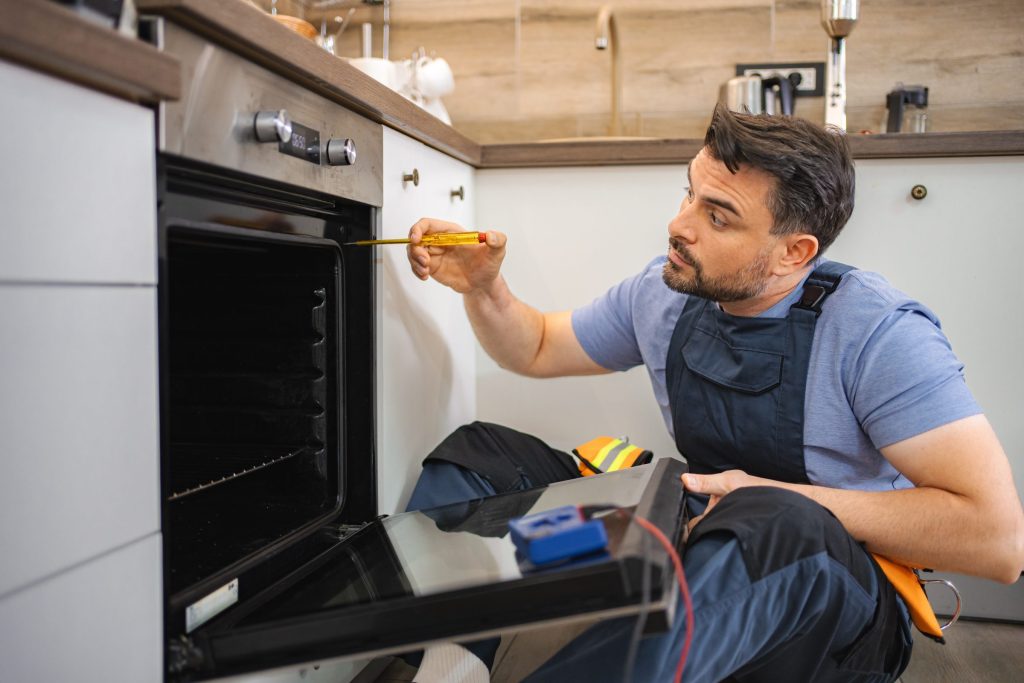
from $95 Diagnostic visit
We read what the appliance is reporting, then measure before saying anything about the repair. On a built-in kitchen that also means working out how the appliance comes out before anybody touches it. The fee is credited toward the work when you go ahead.
- The code read on site, and the free causes ruled out first
- Measured rather than guessed
- Credited toward the repair
-
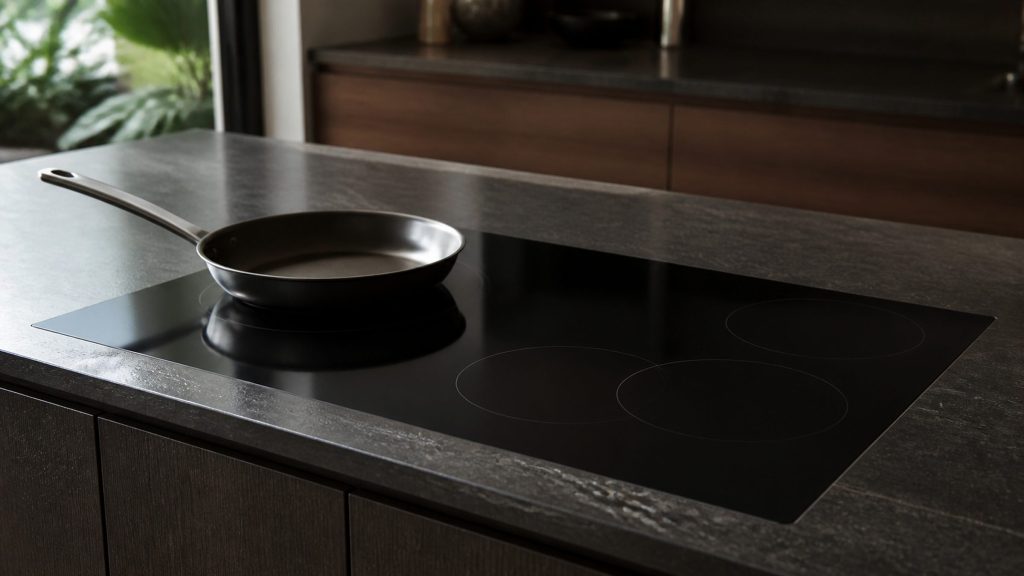
Induction · Radiant · Gas · Downdraft · Rangetops · Euro-Style · 30" · 36" · 45" · 48" Cooktops and rangetops
The widest row on this site: thirty-nine cooktops and fourteen professional rangetops, which are the same repair under a different word. Induction, radiant glass, sealed gas, and the downdraft cooktops that pull the steam down through the counter instead of up into a hood — an idea this maker invented and still sells.
- One induction zone cutting out while the rest keep going
- A gas burner clicking without lighting, or lighting and dropping out
- A downdraft that runs but no longer pulls

Questions people ask about this
Why does the exact number matter so much?
Because a family of appliances shares a badge and not much else. Two machines that look identical from the front can have different boards, different sensors and different door hardware, and the number is what separates them. On this platform in particular a code like F2E1 appears on several appliances and means something different on each — so the model number is not an administrative detail, it is half of the diagnosis.
The plate is worn and I cannot read part of it.
Photograph it anyway, then photograph it again at a different angle with light across it rather than straight on. Raking light frequently brings back characters that look gone. If a character is genuinely unreadable, tell us which position it is in — often the rest of the number plus the appliance type is enough to narrow it to one or two possibilities.
Can I use the number on the box or the paperwork?
It is a good start and it is not proof. Paperwork frequently carries the sales model number, which is not always the same as the number on the machine, and in a house with more than one appliance from the same maker the documents get mixed up. The plate on the appliance is the authority.
Is the serial number as important as the model?
For a repair, the model matters most — it decides which parts fit. The serial matters for warranty, because it generally encodes when the machine was built, and for any manufacturer service action tied to a production range. Photograph both; they are almost always on the same plate.
I cannot get to the plate at all.
Do not force anything, and in particular do not pull a built-in appliance out of its housing to read a label. Tell us what you can — appliance type, roughly how old, what it looks like, what the panel does — and if the plate is genuinely unreachable, finding it is part of the visit. Reaching one on a cooktop is a two-minute job for somebody who has done it a hundred times and an afternoon for somebody who has not.
Should I do this before anything is wrong?
Yes, and it is the single most useful ten minutes of preventive work in this whole section. Photograph all nine plates on a quiet afternoon and put the pictures somewhere you will find them. The moment you actually need the number is the moment the appliance is broken, the kitchen is full, and nobody wants to be lying on the floor with a phone.
Maintenance & Prevention
More guides like this one
-
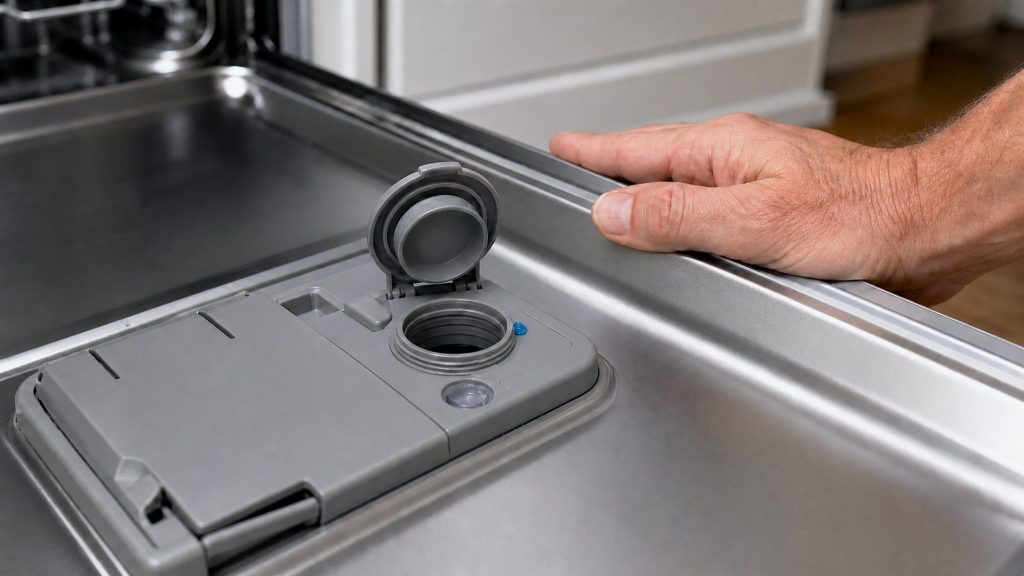
Running It Empty With Vinegar Will Not Fix the Smell. Here Is What Does
Every remedy people try fails for the same reason: the two places holding the smell are the two places the wash arms cannot reach.
Read more -
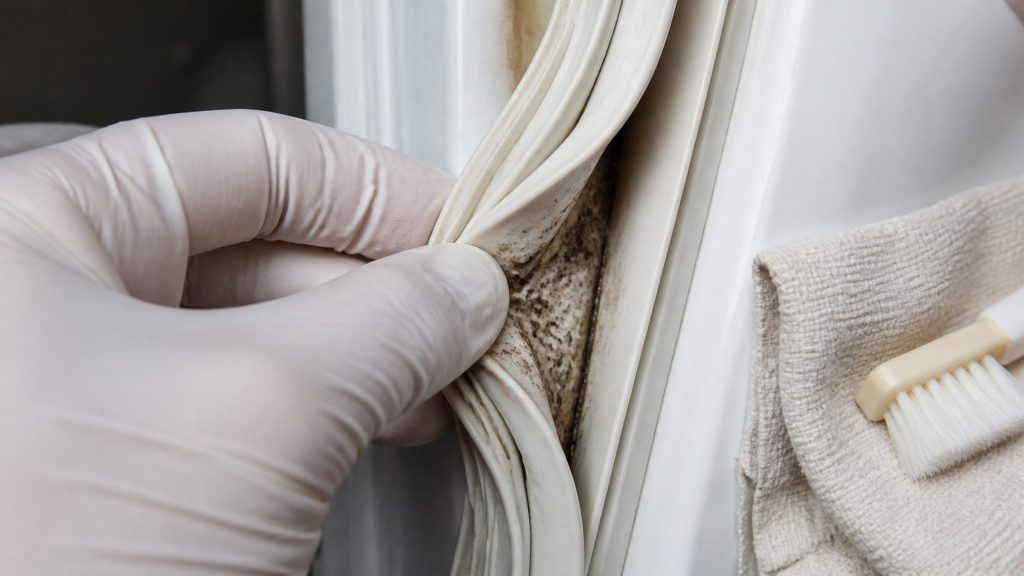
A Two-Minute Test That Can Save You a $695 Repair
A tired door seal produces every symptom of a failed sealed system — a cabinet that will not hold temperature, condensation, frost where there should be none, a compressor that never stops. It costs a fraction as much to fix, and a banknote finds it in two minutes.
Read more -
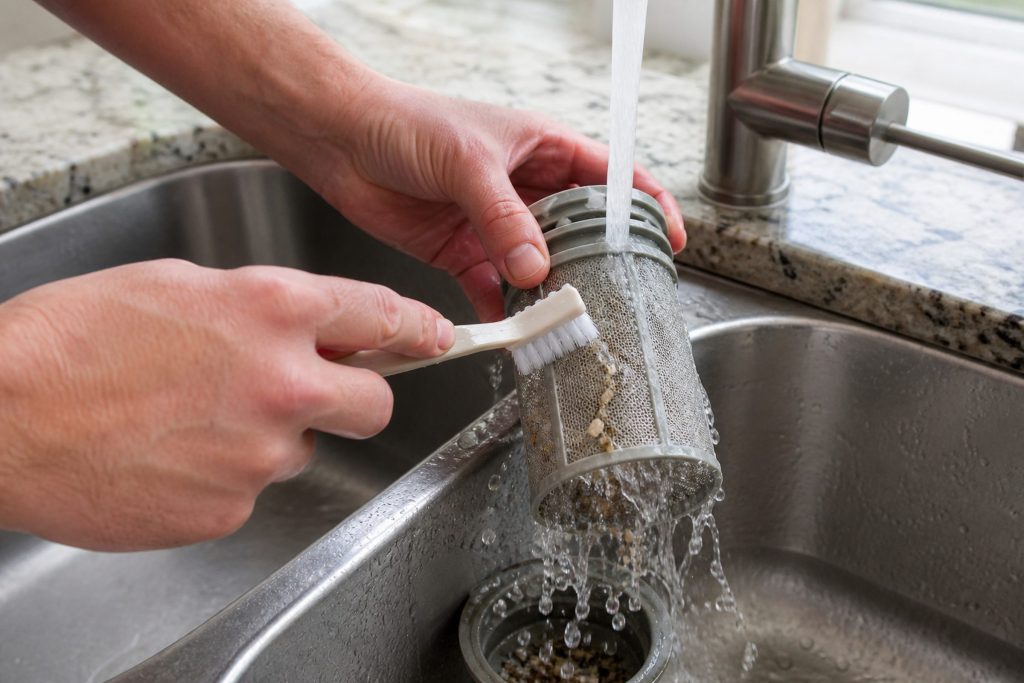
Your Dishwasher Has a Filter, and Nobody Told You at Delivery
A quarter turn, a lift, a rinse. Under a minute, every month or two — and it is behind a large share of the calls we take about dishes coming out gritty.
Read more
Tell us the model number and what it is doing.
This article is based on:
- Official manufacturer documentation
- Internal repair procedures
- Technician repair history
- Company quality standards