
Appliance
JennAir cooktops and rangetops
The widest row on this site: thirty-nine cooktops and fourteen professional rangetops, which are the same repair under a different word. Induction, radiant glass, sealed gas, and the downdraft cooktops that pull the steam down through the counter instead of up into a hood — an idea this maker invented and still sells.
- 10 symptoms we are called out to
- From $95 diagnostic, credited to the repair
- 59 cities and neighborhoods covered
- OEM parts available on order
The short version
What this equipment is, for a repair
Configurations
Induction · Radiant · Gas · Downdraft · Rangetops · Euro-Style · 30" · 36" · 45" · 48"
Access
Planned before the visit, not discovered on arrival
Parts
OEM, available on order
Diagnostic
From $95, credited to the repair
What goes wrong with it
Symptoms we are called out to on JennAir cooktops and rangetops
Each one covers the likely causes in the order they are worth checking, and what to do in five minutes before booking anything.
-
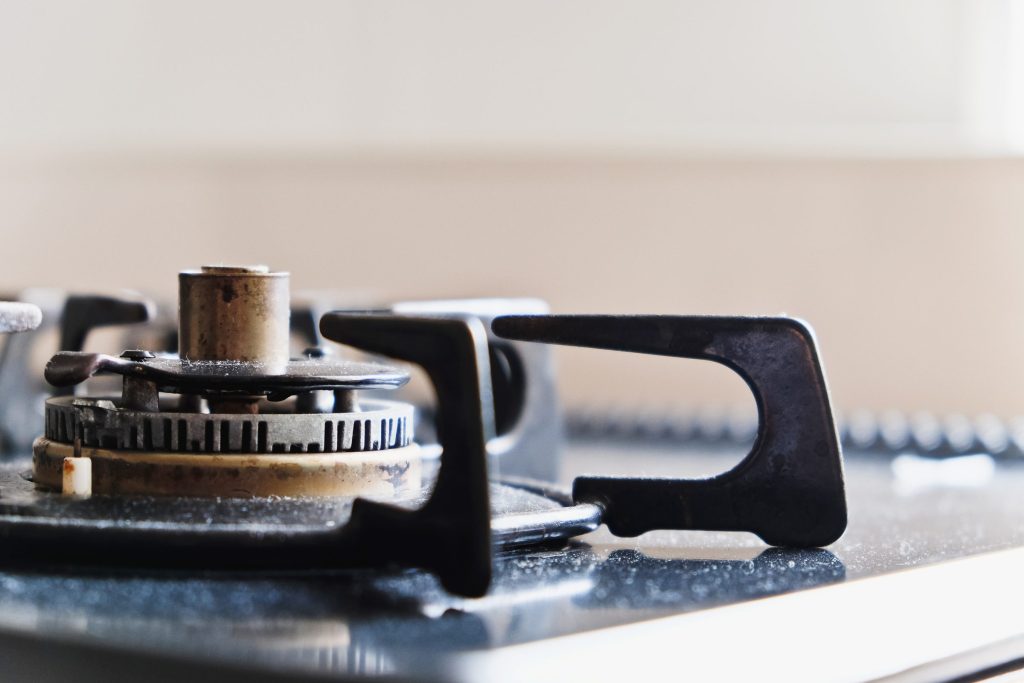
Or lights and will not stay A burner will not light
Clicking with no flame, a flame that goes out on its own, or a simmer that will not hold while the high flame is perfect. On a dual-stacked burner that last one is its own diagnosis, because there are two rings of flame under one grate.
- Clicking and clicking with nothing lighting
- It lights and then goes out a minute later
- The high flame is fine and the simmer will not hold
-

Radiant, and what it means A cooktop zone has stopped
One ring dead, one stuck on full, or one that will not hold a setting. On a radiant surface those are three different parts, and the cheapest of them is the one that fails most often.
- One zone dead and the rest fine
- A zone that only runs at full
- A zone that cycles oddly or will not hold
-
Usually heat, not the coil An induction zone cuts out
A zone that stops mid-cook while the others carry on, an error that appears with a big pan and not a small one, or a whole cooktop that shuts down after twenty minutes. In a Miami island, most of this is air rather than a part.
- One zone stopping under load and restarting later
- A zone that will not start with a particular pan
- The whole cooktop shutting down after a while
-

Off at the breaker, and leave it off The cooktop glass is cracked
A crack across the surface, a chip at an edge, or a spidered patch under a zone. This is the one page on this site with a single instruction at the top of it rather than a list of things to try.
- A crack running across the surface
- A chip at an edge or a corner
- A spidered patch where something was dropped
-
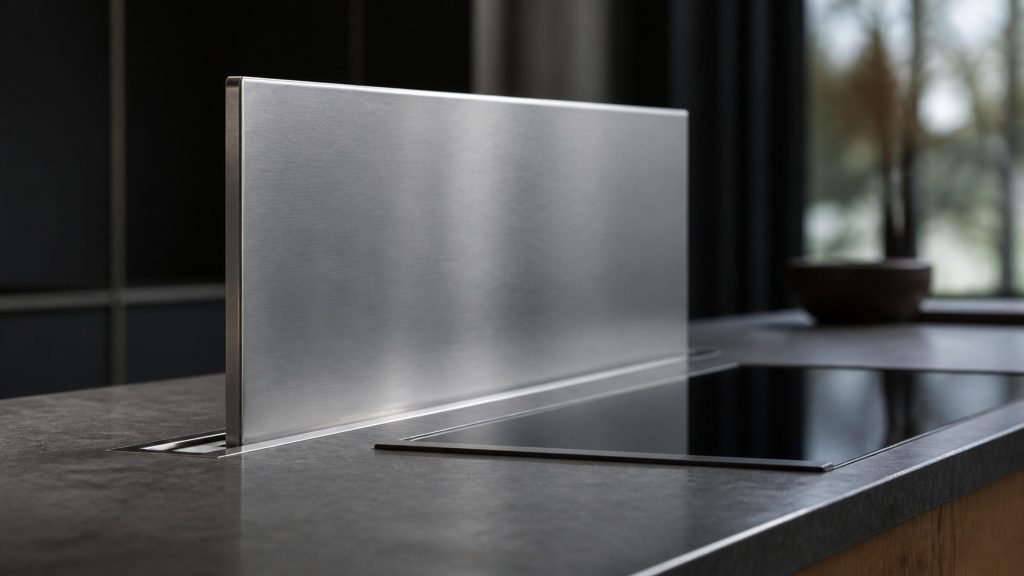
And most of it is not the appliance The downdraft has stopped pulling
It runs, it makes the right noise, and the kitchen still fills with steam. Or it will not rise out of the counter at all. This maker invented the downdraft and there are more of them here than anywhere — and five things can stop one, of which three are outside the machine.
- Running but no longer clearing the cooktop
- Not rising out of the counter
- Noisier than it used to be
-
Most of these are messages Nothing works since the power came back
A storm week symptom, and one where a large share of the calls we take are appliances that are perfectly well. Modern machines notice an outage and tell you about it afterwards, and telling you is not the same as being broken.
- A display showing a code that was not there before
- An appliance that will not run a timed function
- Several appliances behaving oddly at once
What we do on it
Repairs we carry out on JennAir cooktops and rangetops
Starting figures for this equipment in South Florida. The exact cost is confirmed after an on-site diagnostic — and this is not the whole list of what can go wrong, so call if your problem is not here.
-
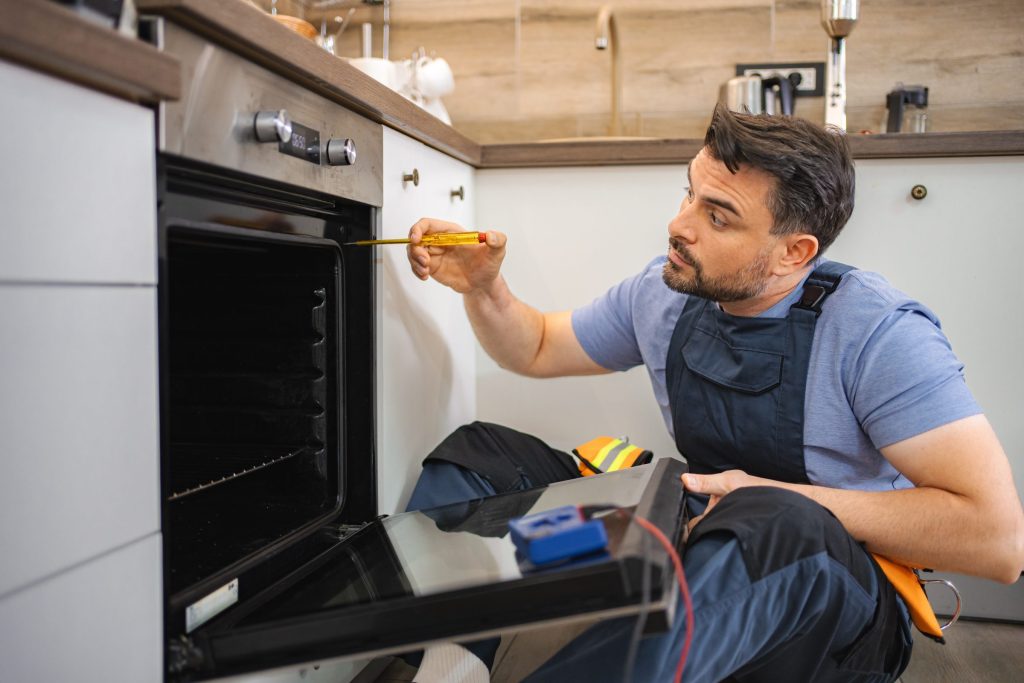
from $95 Diagnostic visit
We read what the appliance is reporting, then measure before saying anything about the repair. On a built-in kitchen that also means working out how the appliance comes out before anybody touches it. The fee is credited toward the work when you go ahead.
- The code read on site, and the free causes ruled out first
- Measured rather than guessed
- Credited toward the repair
-
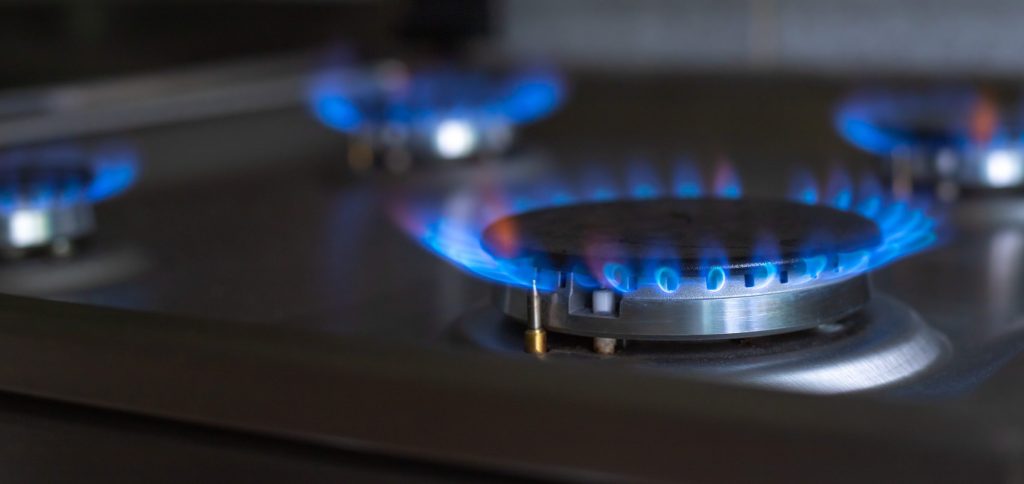
from $185 Range burner & ignition repair
A burner that clicks and will not light, lights and drops out, or holds a hard flame and refuses to come down to a simmer. On a dual-stacked burner that last one is its own repair, because there are two gas paths under one grate.
- Cap seating and port cleaning before any part
- Spark, sensing and gas told apart rather than lumped together
- Each stage of a dual-stacked burner proved separately
-
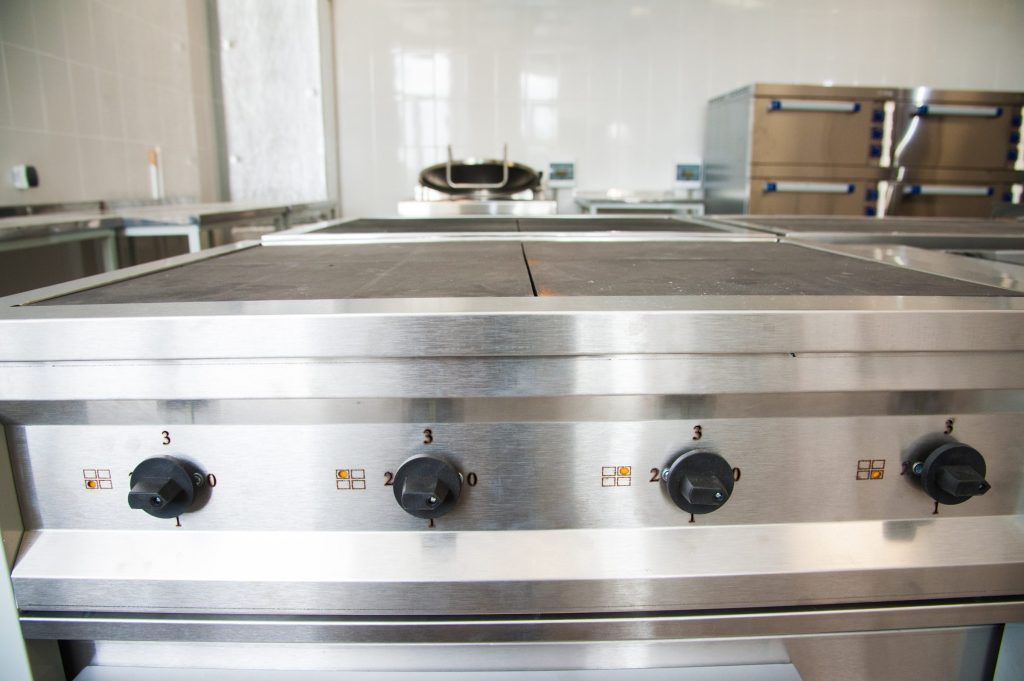
from $215 Griddle & grill zone repair
The chrome-infused griddle or the gas grill let into the middle of the cooktop, with its own control and its own sensor. Good news when it goes: the rest of the range keeps working, and nothing about the ovens underneath is involved.
- Treated as its own circuit, because that is what it is
- The rest of the range stays usable while a part is on order
- Temperature proved across the whole plate, not at one point
-
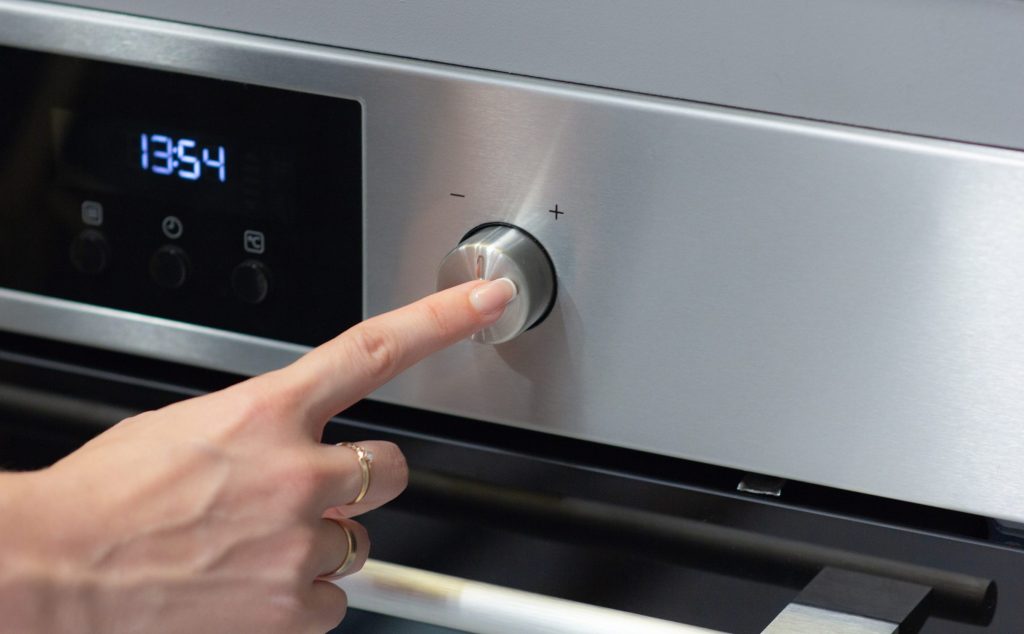
from $275 Cooking control & display repair
A panel that lights and ignores you, a display that has gone dark, or an appliance reporting a code with nothing visibly wrong. The board is never ordered on the strength of a code alone.
- A full minute at the breaker tried first, because it often works
- Touch panel and control board told apart by measurement
- What the board reports on measured before the board is blamed
-
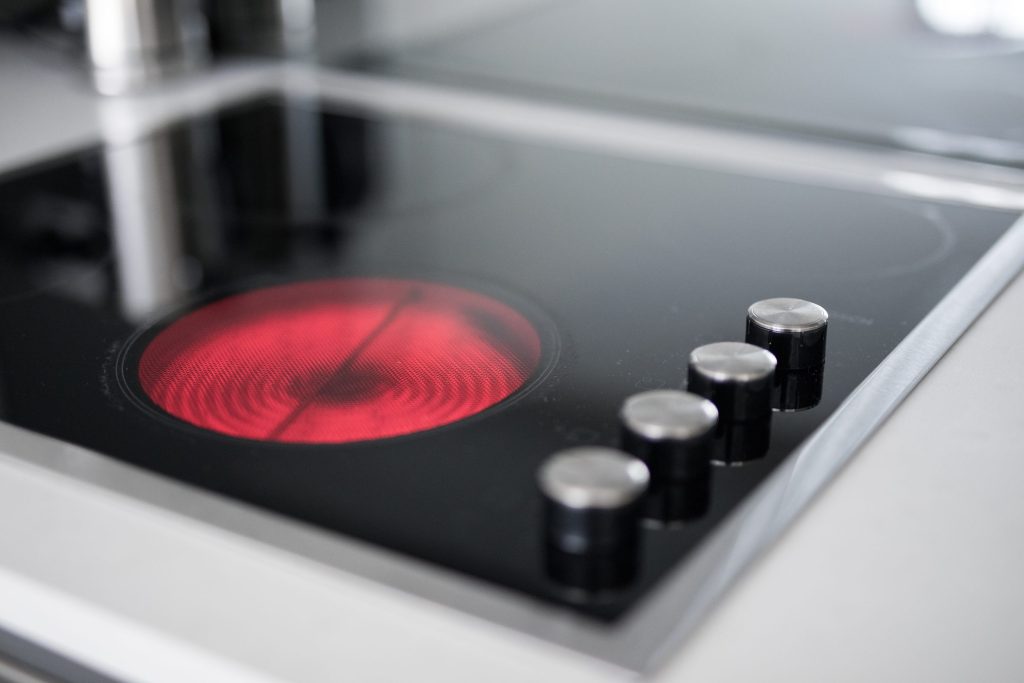
from $195 Cooktop surface & element repair
A radiant zone stuck on full or dead altogether, a switch that has stopped metering, or glass that has cracked. Two very different jobs in one band, which is exactly why it is a band.
- Element and switch told apart, because they share a symptom
- Glass availability confirmed before anything is booked
- A cracked surface goes off at the breaker and stays off
-
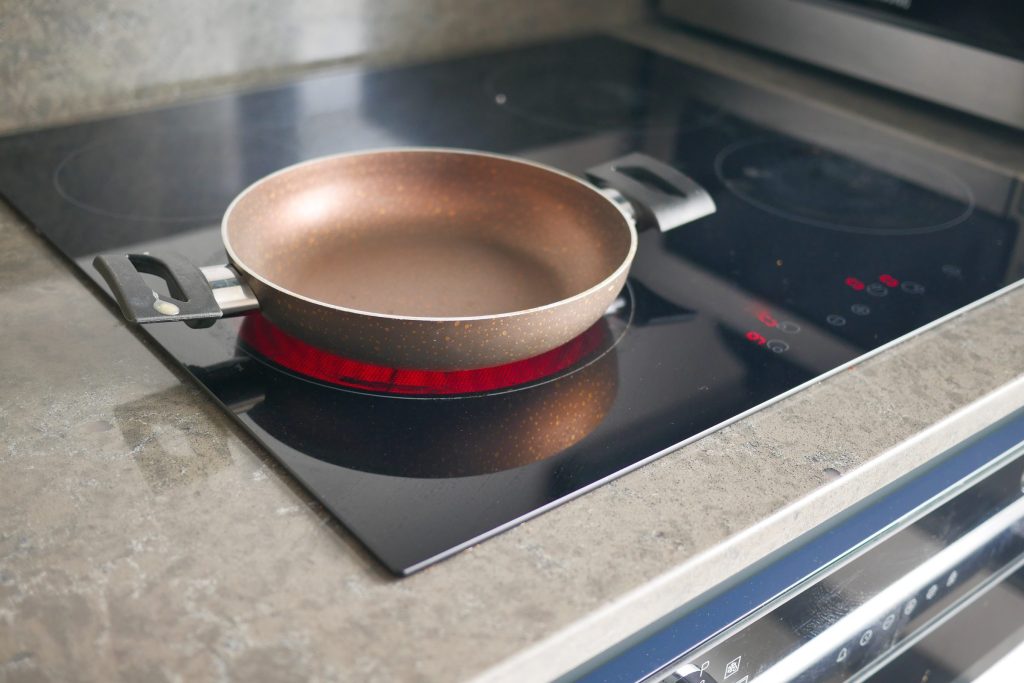
from $225 Induction cooktop repair
A zone that cuts out under load while the others keep going, an error that appears with a big pan and not a small one, or a cooktop that shuts down after twenty minutes. On induction, most of these are heat and air rather than a failed part.
- The air the installation actually gets, measured first
- Zone behavior proved with the right pan and the wrong one
- Power board and sensor separated before anything is ordered
-
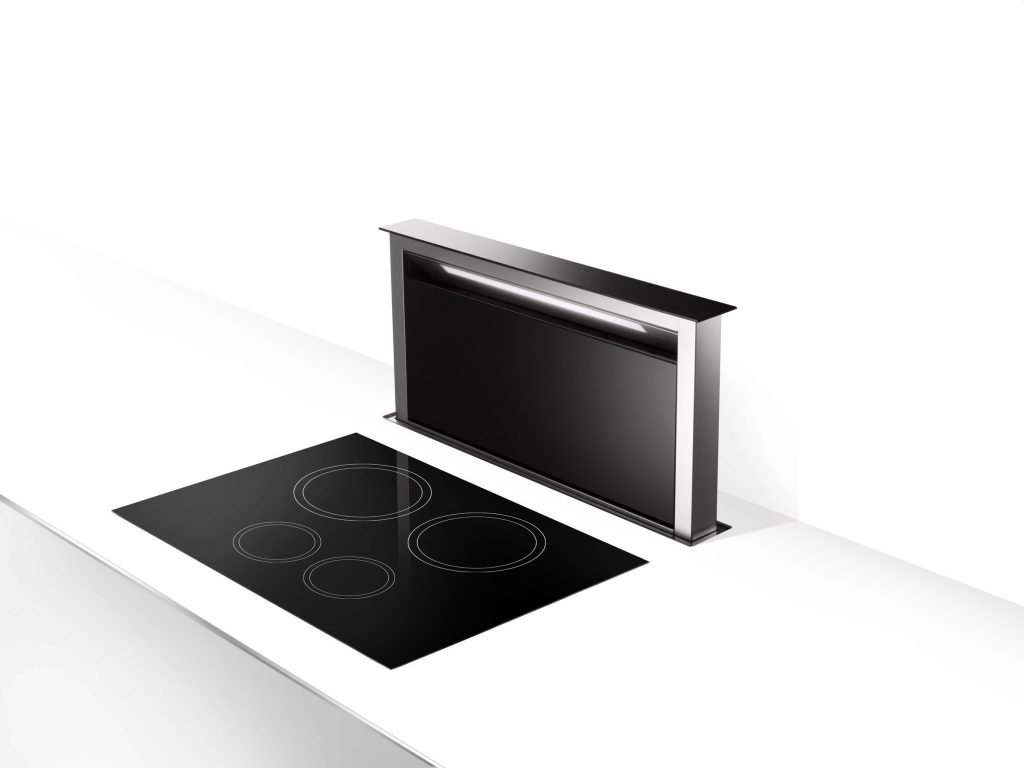
from $165 Downdraft vent & lift repair
A downdraft that runs and no longer pulls, or one that will not rise out of the counter. This maker invented downdraft ventilation and still sells it — and most of what stops one is not the appliance.
- Filter, damper and duct checked before the blower
- Remote blowers located, because they are not in the kitchen
- The lift mechanism treated as mechanical, which is what it is
-
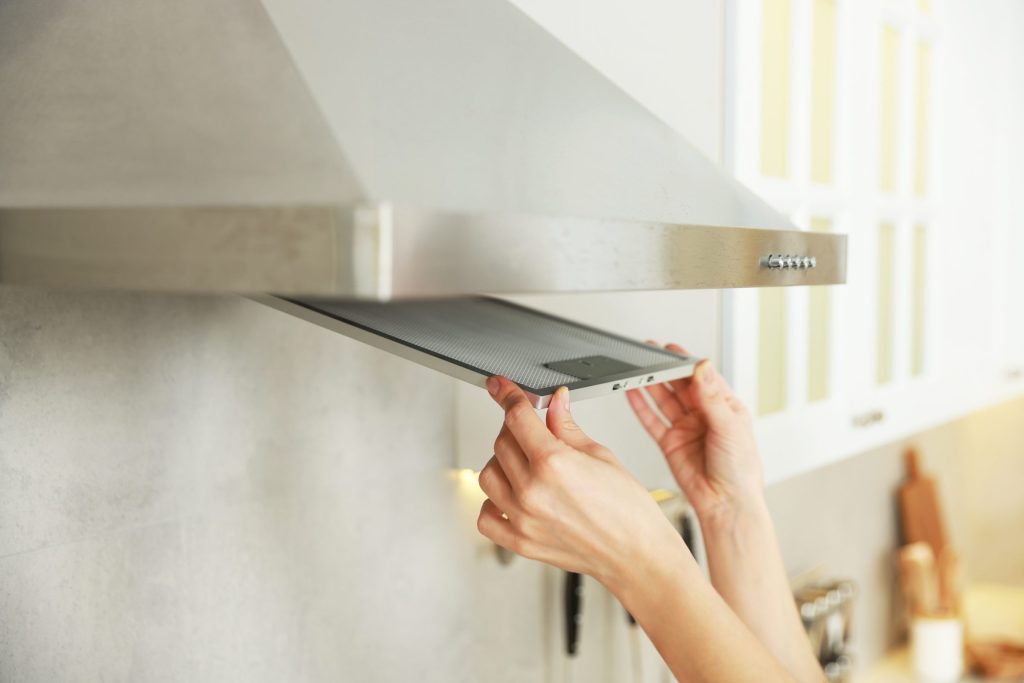
from $135 Microwave-hood vent repair
The fan on an over-the-range unit no longer clearing the cooktop. The cheapest visit on this site, honestly — and it starts with filters, because a recirculating unit with a saturated charcoal filter moves air and removes nothing.
- Filters and the ducted-or-recirculating question first
- Blower, damper and switch measured in that order
- A dead microwave means a dead hood, and the reverse is not true
-

from $175 Appliance maintenance
One visit covering every filter, condenser, seal, grille, duct and descale in the kitchen. This row exists to keep the $695 row away, and in a house with a full suite from one maker it is the cheapest money on this site.
- Every appliance in the kitchen on one visit
- Second and third appliance far cheaper than the first
- Written down, so next year starts from a record
-
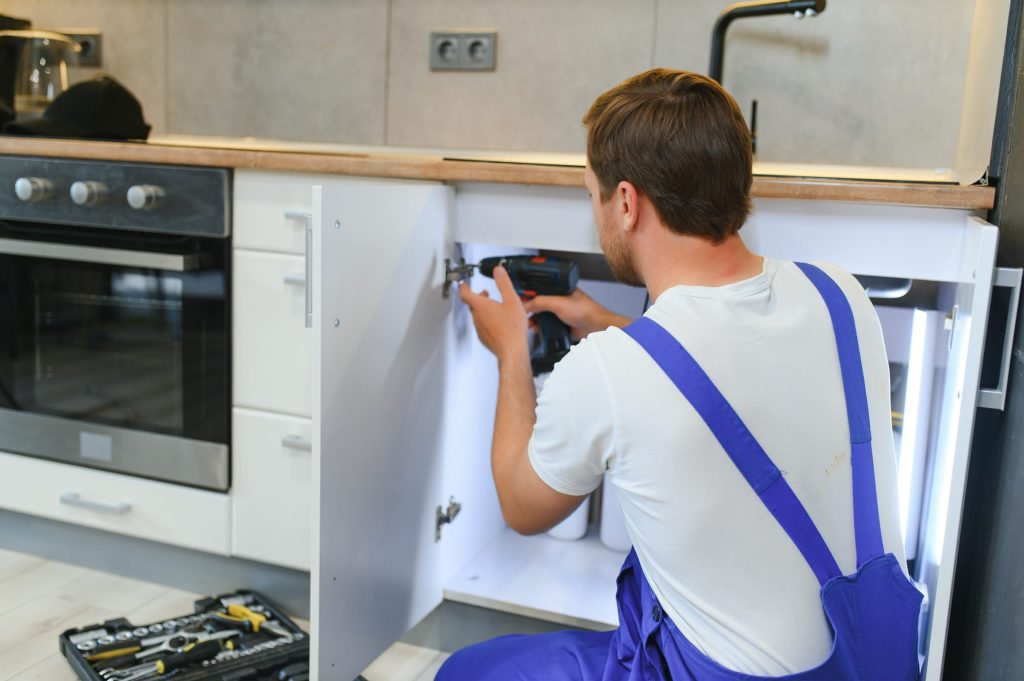
from $225 Appliance installation
Built in, paneled, or both — which is nearly everything on this make. Hanging a cabinet door on an appliance and aligning it to a run is not the same work as sliding something into a gap, and this is where a meaningful share of the repairs on this site are prevented or created.
- Clearances and ventilation to the maker's own instructions
- Cabinet panels hung, aligned and left square
- The mistakes that become service calls, avoided at the start
In more detail
About JennAir cooktops and rangetops
Four kinds of surface, and they fail in four different ways
- Induction. A coil and a power board per zone. Failures are electronic and thermal: a zone that cuts out under load, an error that appears with a big pan and not a small one, a cooling fan working against a sealed cabinet. Almost never the glass.
- Radiant. Elements under ceramic glass, switched by an infinite control. A zone stuck on full or dead altogether is usually the switch or the element rather than the board, and it is one of the more straightforward repairs on this list.
- Sealed gas. Spark modules, igniter electrodes, sensing, and burner caps that have to sit squarely. Most "will not light" calls are one of those four, and two of them are free to check.
- Downdraft. A blower, a damper and a duct. See below — it is a different kind of job from the rest.
The rangetops
Fourteen gas rangetops in the current line, 30 to 48 inches, with the same dual-stacked burners and the same optional grill or chrome-infused griddle as the professional ranges. Because there is no oven underneath, everything is reached from the top and the front, which usually makes them a shorter appointment than a range with the same burner problem.
The downdraft, and why it is mostly not the appliance
This make built the first self-ventilating cooktop in 1961 and the first downdraft range in 1965, and there are still four downdraft gas cooktops, a downdraft electric cooktop and two downdraft ventilation units in the current line. A downdraft moves air the hard way — sideways and down, then along a duct run that lives under the floor or behind a cabinet. When one stops working, the order of investigation is filter, damper, duct, blower, and only then the control. Three of those five are not in the appliance at all.
Induction, and the Miami island
The single most common reason an induction cooktop misbehaves in this city is a cabinet with nowhere for air to go. The installation instructions ask for a specific clearance and a specific opening; a beautiful sealed island built afterwards does not know that, and the appliance shows it as an intermittent zone rather than as a breakdown. It is worth checking before it is worth quoting.
What to have ready when you call
The model number, which is under the cooktop and usually needs a phone camera held up into the cabinet, whether it is gas, radiant or induction, and whether the problem is one zone or all of them.
This article is based on:
- Official manufacturer documentation
- Internal repair procedures
- Technician repair history
- Company quality standards

Before you book
Questions about JennAir cooktops and rangetops
What is the difference between a cooktop and a rangetop?
A cooktop drops into the counter with cabinets or an oven underneath. A rangetop is the top half of a professional range with nothing under it — the same heavy grates, the same dual-stacked burners, the same controls at the front — designed to sit above a wall oven or a set of drawers. They are repaired identically, which is why both are on this page. If you are not sure which you have: a rangetop has a raised back and controls on a front panel; a cooktop is flush with the counter and usually has its knobs on the surface or nothing at all.
One induction zone stops mid-cook and the others are fine.
That is usually heat, not the coil. Every induction position has a power board under it, those boards make heat of their own, and they are cooled by a fan that pulls air through the cabinet. In a sealed island in a Miami kitchen there is often nowhere for that air to come from. The first things worth checking cost nothing: whether the cabinet under the cooktop has the ventilation the installation instructions asked for, whether anything is stored tight underneath, and whether the same zone fails with a different pan. If it happens on one zone with everything clear, that zone's board or its sensor is the repair.
My downdraft runs but the kitchen still fills with steam.
Then the blower is turning and the air is not going anywhere, and most of the causes are outside the appliance. In order: the grease filter, which wants washing far more often than people expect in a house that cooks; the damper, which has to open when the blower starts and can stick after a few humid years; the duct run itself, which on a downdraft goes under the floor or through the back of a cabinet and can be crushed, disconnected or, on a remote blower, no longer running at all. We check the path before we quote the appliance.
I have an older cartridge cooktop. Can it still be repaired?
Usually yes, and it is worth asking rather than assuming. The cartridge system — where a grill or griddle module lifts out and a two-burner cartridge drops in — was built for decades and there are a great many of them in South Florida kitchens. What is genuinely scarce is cosmetic and specific: some cartridges, some trim, some control panels. What is commonly available is the electrical and mechanical side. We tell you which side of that line your repair sits on before anything is ordered, and we say plainly when a machine is not worth the part.
There is a crack in the glass. Is that dangerous?
Treat it as a reason to stop using the surface. On a radiant or induction cooktop the glass is not a cover over the working parts — it is a structural part of the appliance, and it is what keeps liquid out of the electronics underneath. A crack, a chip at an edge, or a burner ring that has gone milky and rough are all reasons to switch it off at the breaker and call rather than to keep cooking around it.
Where we do it
Across Miami-Dade, Broward, and Palm Beach
Same terms everywhere we go: an on-site diagnostic first, the price agreed in writing, and the exact figure confirmed once we have seen the unit.
Neighborhoods people ask for by name