Common Problems
Your Burner Clicks After It Has Lit. That Is the Range Watching the Flame
Modern gas burners do not simply spark once and stop. They watch the flame, and if the range believes the flame has gone out it sparks again — which is exactly what you want it to do, because the alternative is gas flowing with nothing lit. So clicking a second or two after the burner has lit, especially when something boils over, a slider is open or the extractor is running hard, is the safety system working rather than failing. The complaints that do need attention are different and separable: a burner that sparks and never lights at all usually has a cap sitting a fraction out of place or a blocked port; one that clicks continuously with the flame plainly steady has a wet or dirty igniter reading the flame wrongly; every burner clicking at once points at the module they share rather than at any one burner; and a burner that lights and holds on high but drops out when turned down has a problem in its simmer stage, which on a dual-stacked burner is a separate gas path with its own port.
The full guide
A Jenn Air burner not working is not the same as one that clicks after it lights
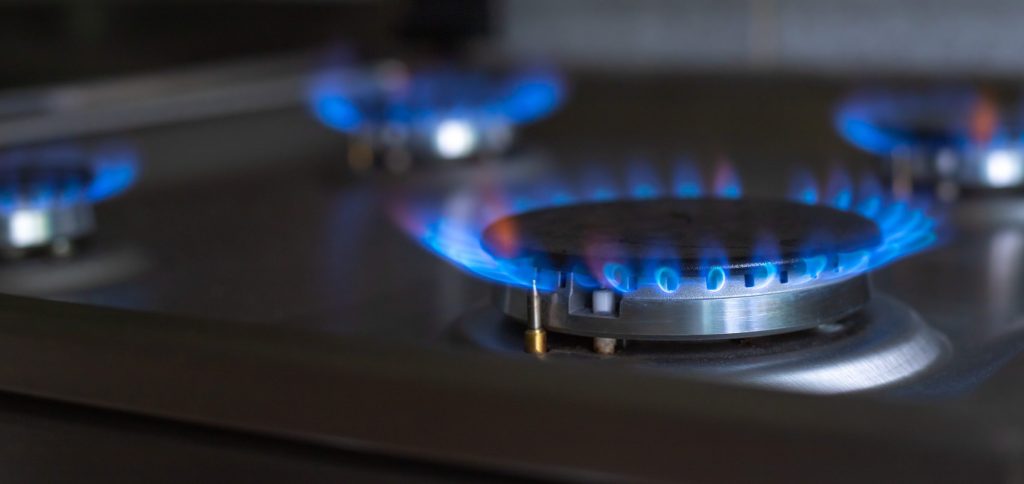
A gas burner on any modern range does not just spark until it sees a flame and then forget about it. It keeps watching. If the range decides the flame has gone out while gas is still flowing, it sparks again — immediately, automatically, and as many times as it needs to.
This is called flame sensing or re-ignition, and it is the reason a gas cooktop today is a very different appliance from one built forty years ago. The alternative — gas continuing to flow into a kitchen with nothing lit — is precisely what it exists to prevent.
So when a burner clicks a second or two after it has lit, or clicks a few times partway through cooking, the range is doing its job. On a JennAir it happens on the sealed brass burners of the professional rangetops and on the gas cooktops alike, and it happens more in a South Florida kitchen than a manual written for a dry one predicts. Common moments for it:
- something boils over and puts the flame out momentarily;
- a slider or a window is open and a gust crosses the cooktop — a routine event in a South Florida kitchen;
- the extractor is running hard, particularly a downdraft, which pulls air across the surface by design;
- a large pan sits close to the burner and disturbs the flame pattern.
None of that is a repair. Knowing it is normal is the point of this section, because once it stops worrying you, the complaints that do matter become easy to separate.
Four Different Problems Wearing One Complaint
"The burner will not light" arrives as a single sentence and covers four unrelated situations. They have different causes, different costs, and different amounts of owner-fixable in them.
1. It sparks and never lights — one burner only
This is the common one, and it is usually free to fix.
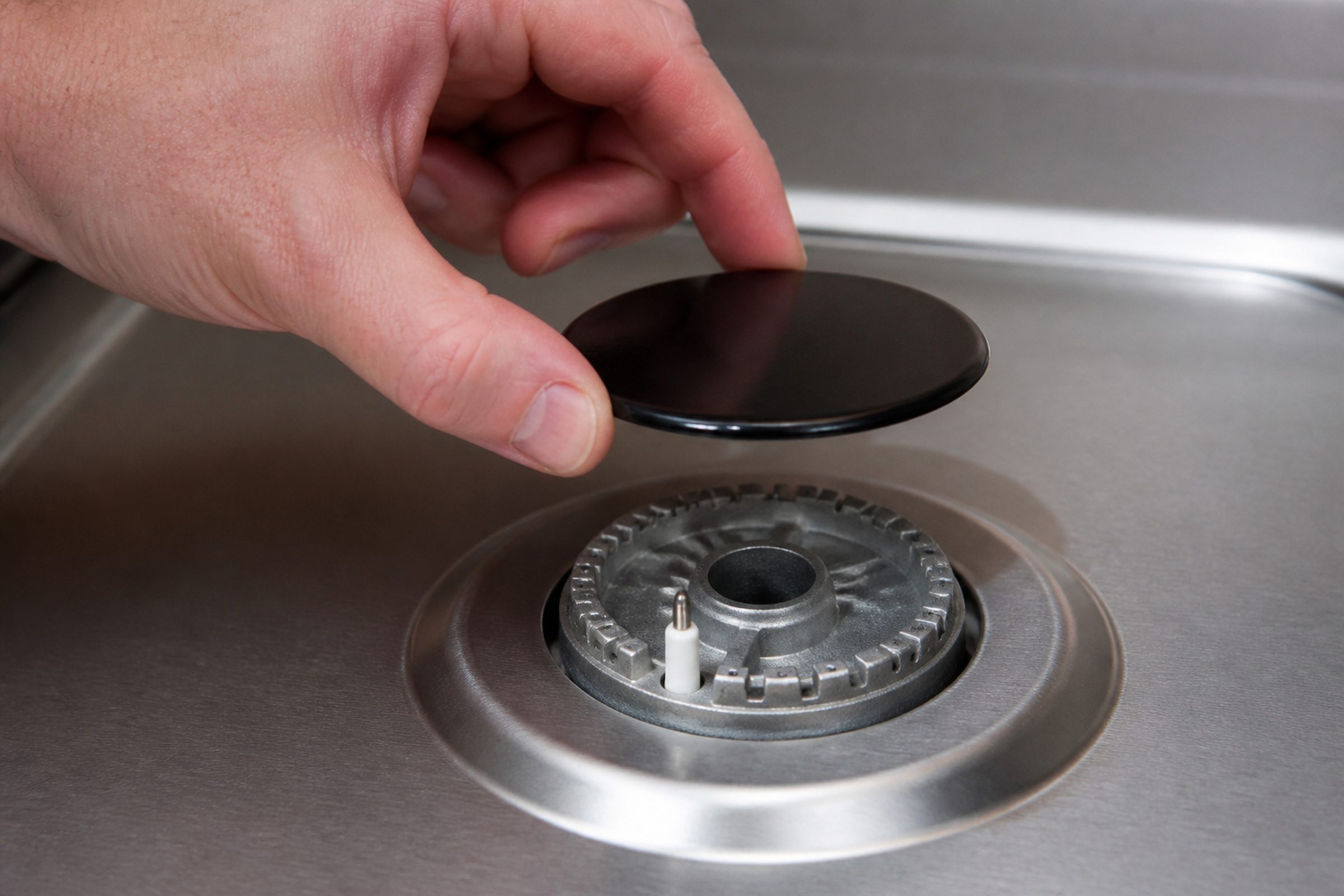
Take the cap off and look. The cap is the removable disc on top of the burner. Underneath it is the burner head with a ring of small ports, and beside it the igniter.
Three things to check:
- The cap is seated properly. A cap that sits a fraction out of position — easy after cleaning, easy after a knock — spreads gas away from the spark. This is the single most common answer to this complaint.
- The ports are clear. Boil-overs block them. So does anything cooked on and left. They want cleaning with something that does not enlarge them; a pin is the wrong tool because a port made bigger stays bigger.
- Everything is dry. After a wash, water sits where you cannot see it and the burner will not behave until it has gone.
Reassemble deliberately and try again. If it sparks strongly at a clean, correctly seated burner and still refuses to light, the gas side is the next place to look and that is a service call.
2. It clicks continuously with a perfectly good flame
The flame is there. You can see it. The range keeps sparking anyway.
That is the sensing side reading it wrongly, and the usual reasons are mundane: moisture around the igniter, residue on it, or a lead that has been disturbed. Dry it thoroughly — really dry, not wiped — clean gently around the igniter, and give it a day.
If it persists, the igniter or its lead has degraded and needs replacing. It is not dangerous in the meantime, but it is irritating enough that most people do not want to live with it.
3. Every burner clicks, or none of them do
Stop looking at the burners. They share one ignition module, and when that misbehaves it does so across the whole cooktop.
There is nothing useful for an owner to do here, which is at least simple. It is a part, and replacing it is ordinary work.
4. Fine on high, dies when turned down
This is the one people live with longest, and on this equipment it is the one most worth fixing.
A stacked or dual burner does not simply reduce the flame when you turn it down. The simmer stage is a separate gas path with its own, much smaller ports. Those small ports are the first thing a boil-over blocks and the last thing a quick clean reaches.
The result is a burner that behaves impeccably at high heat and cannot hold a low flame — which is the exact capability the cooktop was bought for. Clean the simmer ports carefully. If it still drops out, that is worth a visit.
What Not to Do
Do not enlarge a port. A blocked port cleared with something sharp is a port that is now the wrong size, and the flame pattern never comes back properly.
Do not run a burner with a cap off or misaligned. It puts flame where the appliance was not designed to have it.
Do not ignore a gas smell. A faint whiff at the moment of ignition is ordinary. A smell that persists, or one present with everything off, means turning the appliance off at its valve, ventilating, and calling the gas utility — not a repair company.
Do not assume clicking means a part has failed. Most of it is the appliance being careful.
What to Say When You Call
The four cases above want different things on the van, so the useful sentences are:
- Which burners — one, several, or all of them.
- What it does — sparks and does not light, lights and keeps clicking, or lights and dies when turned down.
- What you already checked — cap off and reseated, ports clear, everything dry.
- What changed — after a clean, after a boil-over, after a storm, or one day for no reason.
Those four sentences usually settle whether the answer is an igniter, a module, or the gas side, before anybody leaves the workshop.
If it turns out to be a repair
What this leads to, and what it costs
Every job on this site is priced the same way: an on-site diagnostic first, the figure agreed in writing before anybody starts.
-
from $185 Range burner & ignition repair
A burner that clicks and will not light, lights and drops out, or holds a hard flame and refuses to come down to a simmer. On a dual-stacked burner that last one is its own repair, because there are two gas paths under one grate.
- Cap seating and port cleaning before any part
- Spark, sensing and gas told apart rather than lumped together
- Each stage of a dual-stacked burner proved separately
-
Professional-style · Dual-stacked burners · Induction · Slide-in · 30" · 36" · 48" Ranges
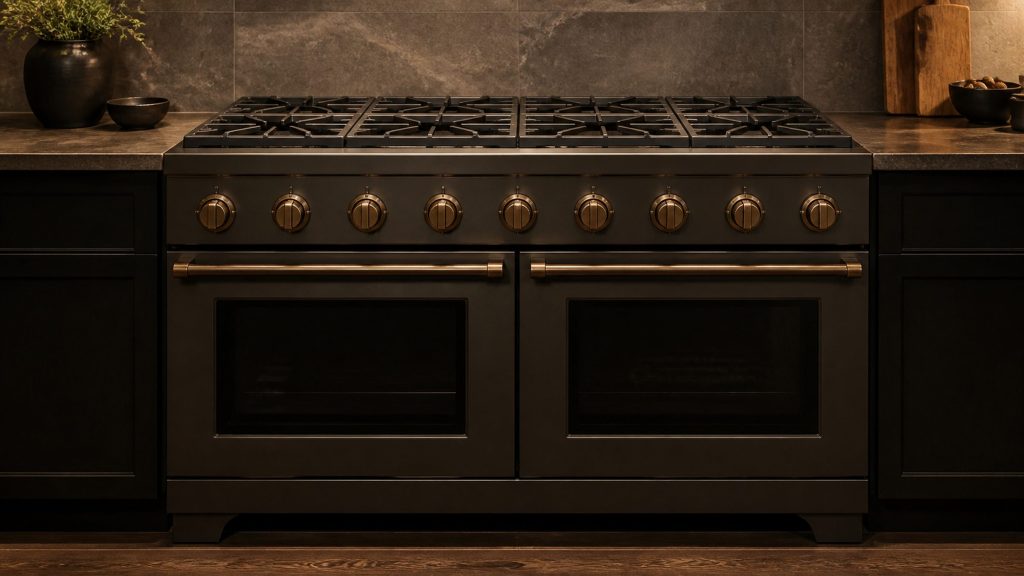
Thirty machines in the current line and the most expensive thing in most of these kitchens. Dual-fuel and gas professional ranges with dual-stacked burners, a chrome-infused griddle or a gas grill built into the top, the first induction professional-style range this maker has built, and the slide-ins. A 48-inch range is two ovens, six burners and a griddle in one appliance, and any one of those can be the reason you called.
- A burner that clicks and will not light, or lights and will not hold
- The oven running hot, running cold, or not heating at all
- The door locked after a self-clean and staying locked
Questions people ask about this
The burner is lit and it keeps clicking. Should I turn it off?
Not urgently. The range is re-sparking because it thinks the flame is not there, and the safe thing for it to do is exactly that. If it happens once after a boil-over or a draft, that is the system working. If it clicks continuously with a flame you can plainly see, the sensing side is dirty or wet rather than the burner being wrong — dry it thoroughly, clean around the igniter, and see whether it settles. Persistent clicking with a good flame is worth a call, but it is not an emergency.
One burner sparks and will not light at all.
Start with the cap, because it is free and it is the answer most of the time. Lift it off, check it is clean, check the burner ports underneath are clear, and set it back down deliberately — a cap a fraction out of its seat spreads gas away from the spark. Then check nothing boiled into the ports. If it sparks strongly and never catches with clean, correctly seated parts, the gas side needs looking at rather than the ignition side.
All the burners click at once, or none of them do.
That is the module they share, not four coincidences. One ignition module drives every igniter on the cooktop, and when it misbehaves it does so for all of them. It is a part and a straightforward replacement, and there is nothing an owner can usefully do about it beforehand.
It lights fine on high but goes out when I turn it down.
On a stacked or dual burner the simmer setting is not a smaller version of the main flame — it is a separate stage with its own gas path and its own small ports, and those ports are the first things a boil-over blocks. It is also the one thing this class of cooktop is bought for, which is why it is worth fixing rather than living with. Clean the ports carefully with something that will not enlarge them, and if it still drops out, call.
There is a smell of gas.
Then stop reading, turn the appliance off at the valve, ventilate the room, and call the gas utility rather than us. A faint whiff at the moment of ignition is ordinary; a smell that persists, or one you notice with everything off, is not, and it is not a repair question until somebody has confirmed the supply is safe.
Does the humidity here make this worse?
It genuinely does. Igniters and their leads sit close to the surface, spills reach them, and in a coastal kitchen things dry slowly and corrode faster than they would elsewhere. A burner that starts clicking spuriously in August and settles down in January is a common South Florida pattern, and the honest advice is to dry it properly before assuming a part has failed.
Common Problems
More guides like this one
-

Your Freezer Was Fine All Winter and Started Frosting in June
Nothing broke in June. Something was marginal all along and the season found it — which is a very South Florida sentence, and it points at two cheap causes before it points at anything else.
Read more -
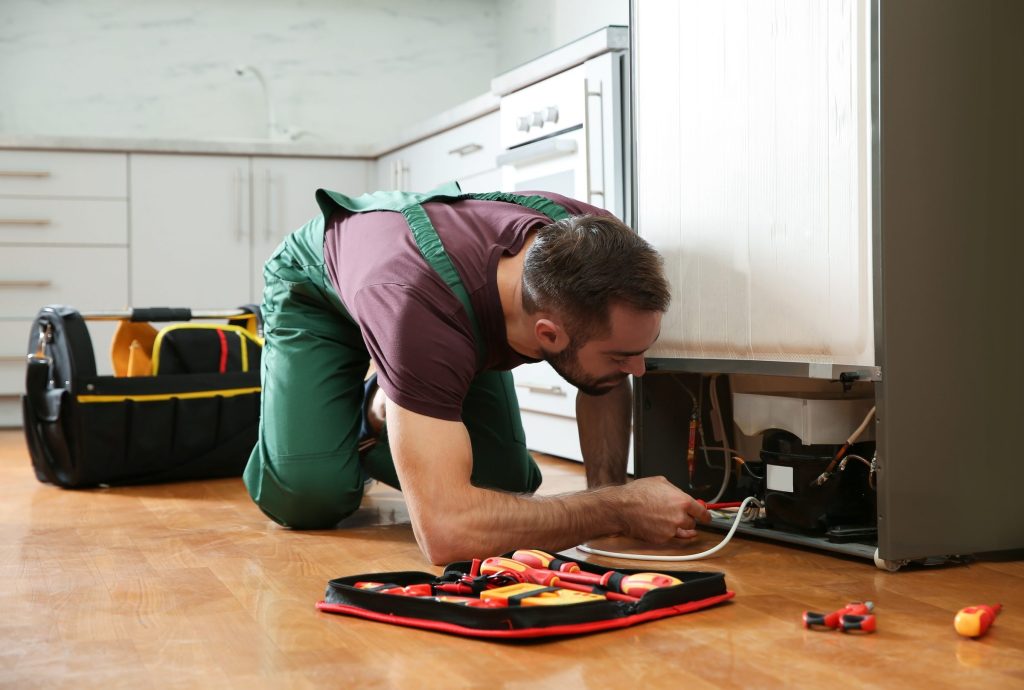
Clicking, Humming, Knocking: Which Refrigerator Noises Matter
Most of what a refrigerator does is audible, and almost none of it is a problem. The question that sorts one from the other is not what the noise sounds like — it is when it happens.
Read more -
A Warm Fridge and a Cold Freezer Is the Cheapest Sentence in This Business
Most people say the refrigerator has stopped. The useful sentence is narrower than that, and it moves the answer from the most expensive repair on the site to one of the cheapest.
Read more
Tell us the model number and what it is doing.
This article is based on:
- Official manufacturer documentation
- Internal repair procedures
- Technician repair history
- Company quality standards