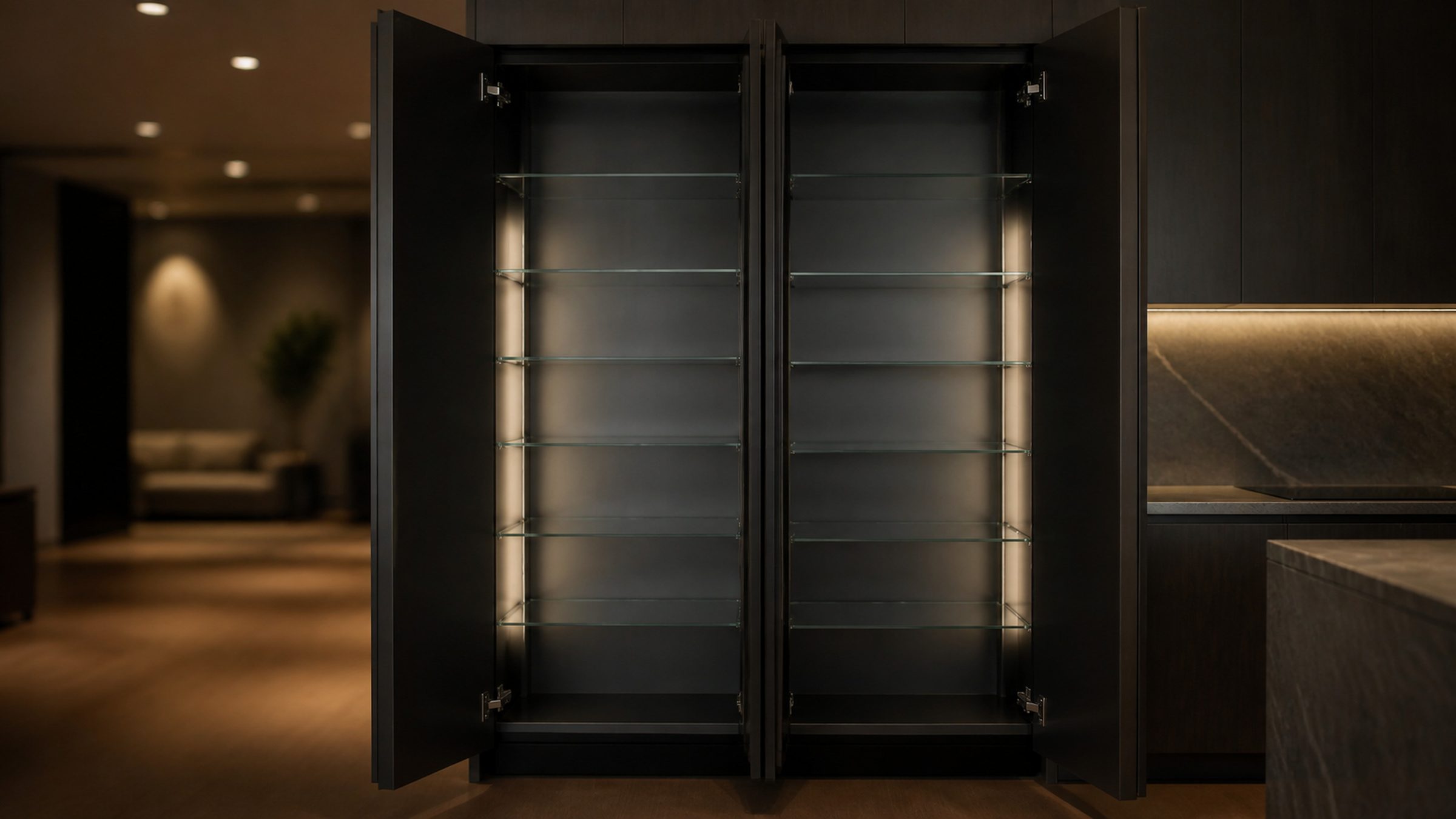
Common Problems
A Warm Fridge and a Cold Freezer Is the Cheapest Sentence in This Business
On a combination cabinet — one where the refrigerator and the freezer share a door column or sit above and below each other — the freezer does the cooling and air is moved across into the fresh-food side. So a cold freezer with a warm refrigerator almost always means that air is not arriving: a damper that is not opening, an evaporator fan that has stopped, or a defrost problem that has iced the coil solid. It is very rarely a loss of refrigerant, which is the answer people brace for and the most expensive one on this site. On two separate columns the same observation means the opposite thing: two complete appliances share a wall, so a warm one beside a cold one rules out the house supply, the room and the installation and points at that cabinet alone.
The full guide
Jenn Air refrigerator not cooling with a cold freezer: the sentence that saves the most money
People call and say the refrigerator has stopped working. It is a completely reasonable description and it throws away the most useful thing they know.
The sentence worth saying instead is: "the fresh-food side is warm and the freezer is still frozen."
In a combination cabinet, that single observation moves the problem out of the most expensive category on this site and into one of the cheapest — before anybody has driven anywhere.
On a JennAir it also decides which machine we are talking about. A column refrigerator and a column freezer are two separate appliances with two sealed systems, and on those the same sentence rules out everything the pair shares.
Why It Works
On a cabinet where the refrigerator and freezer are one appliance, only one of them is actually being cooled. The freezer does the cooling. An evaporator coil sits in the freezer section, a fan blows across it, and some of that cold air is then routed into the fresh-food side through a duct with a damper in it that meters how much gets through.
So if the freezer is cold, then:
- the compressor is running,
- the refrigerant is doing its job,
- the evaporator is making cold,
and the only thing that has failed is the delivery of that cold into the other half. Which means one of three ordinary things:
- The damper is not opening.
- The evaporator fan has stopped moving air.
- The defrost circuit has let ice build on the coil until air cannot pass through it at all.
None of those is the sealed system. All of them are the cheap end of the refrigeration list.
And When Both Compartments Are Warm
That is a different and longer search, and it is worth being honest about it: both halves warm together means the cooling itself has stopped, and the possibilities run from a condenser that has never been cleaned all the way to the sealed system.
But even then, the expensive answer is at the end of the list, not the start. The order we work in is: condenser, fans, defrost, dampers, thermistors, door seals — every one measured and excluded on record — and only then refrigerant. Most visits never get to the last item.
Two Free Things Before You Call
Measure it properly. A thermometer in a glass of water in the middle of the fresh-food section, left four hours. Air temperature swings every time somebody opens the door; water averages it. Do the same in the freezer, between two packages. The two numbers are worth more than the display, because the display is exactly what is in question.
Clean the condenser. Behind the toe-kick grille on most of these cabinets, or at the back. Dust, lint and pet hair. In a Miami kitchen, where the machine never gets an easy month, a condenser that has not been touched since the kitchen was built is a genuinely common cause of a cabinet that works too hard for years and then does not.
While you are down there: is the grille itself clear? On a built-in run finished after the appliances went in, it is regularly closed off by a kick panel fitted flush, and a cabinet that cannot breathe behaves exactly like a cabinet that is failing.
The Third Free Thing, Which Imitates the Most Expensive One
A door seal.
Close a banknote in the door at several points around the perimeter — including the hinge side, where they usually go first, and the corners. Anywhere it pulls out with no resistance, cold is leaving and warm humid air is coming in.
A tired gasket produces the entire symptom list of a failed sealed system: a cabinet that will not hold temperature, condensation, frost in the wrong places, and a compressor that never stops. It is the cheapest repair in refrigeration, and finding it turns a large conversation into a small one.
On this make there is a further twist worth knowing: most of the refrigeration in this line is panel-ready, which means the door you are looking at was made by your cabinetmaker and hung on the appliance. Hardware that has worked loose does everything a failed gasket does. That is smaller again.
Columns Are Easier, and Say So When You Book
If your refrigeration is a pair of columns — one all-refrigerator, one all-freezer, side by side behind matching panels — you are in the simplest diagnostic position there is.
They are two complete appliances that happen to share a wall. So a warm one standing next to a cold one has already eliminated the house supply, the room temperature, the ambient conditions and anything about how the run was installed. Whatever is wrong is inside that one cabinet.
It also means the contents have somewhere to go while the work happens, which a single combination cabinet cannot offer.
What to Have Ready When You Call
The model number, from the upper left wall inside the fresh-food side. Which half is wrong. Whether the cabinet is a combination or one of a pair of columns. And the two thermometer readings if you have taken them.
Four answers, and they decide what travels in the van.
We repair this equipment across Miami-Dade, Broward and Palm Beach.
If it turns out to be a repair
What this leads to, and what it costs
Every job on this site is priced the same way: an on-site diagnostic first, the figure agreed in writing before anybody starts.
-

from $165 Refrigerator defrost & cooling repair
A cabinet drifting warm, frost building where it should not, or a column that runs constantly and never quite gets there. This is where most refrigeration calls land, and it is the band the expensive one is reached by eliminating.
- Airflow and defrost measured before anything about refrigerant
- Evaporator fan, heater, thermistors and damper checked in order
- The condenser cleaned and the result proved before we leave
-
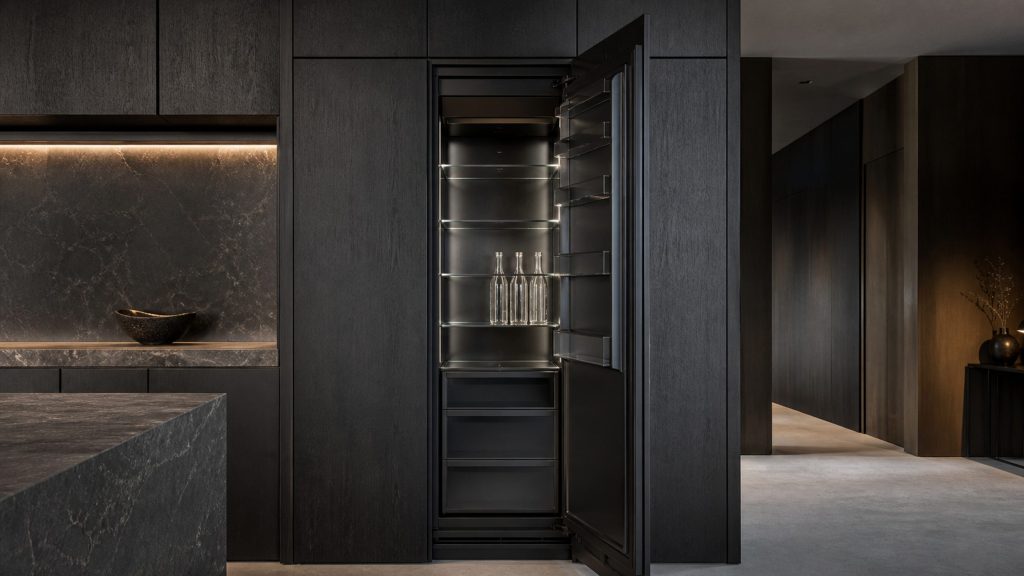
Built-in · Column · French door · Undercounter · Drawers · Beverage centers · 18"–48" Refrigerators
The largest row in this line and the one this phone rings about most. Built-in cabinets and panel-ready columns from 18 to 48 inches, French door, the undercounter units that live in an island or a bar run, refrigerated drawers and beverage centers. Most of them are trimmed into your cabinetry, which is the first thing we need to know.
- The refrigerator drifting warm while the freezer holds
- Water on the floor, or ice building where it should not
- A cabinet running constantly and never quite getting there

Questions people ask about this
How do I take a temperature that means anything?
Put a thermometer in a glass of water in the middle of the fresh-food section and leave it four hours. Air temperature in a refrigerator swings every time the door opens and tells you almost nothing; the water averages it out. Do the same in the freezer between two packages. Those two numbers are worth more than anything the display says, because the display is the thing being tested.
It runs constantly. Is the compressor going?
Almost never, and that is the good news. A cabinet that runs and runs is usually one that cannot get rid of its heat — a condenser packed with dust, a toe-kick grille closed off by cabinetry, a door letting warm air in — or one whose defrost cycle has stopped clearing the evaporator. Every one of those is a fraction of what people brace for, and the first two are free to check.
One of my two columns is warm and the other is fine.
Then the diagnosis is already half done. Two columns are two complete appliances that happen to share a wall, so a cold one standing beside a warm one has ruled out the house supply, the ambient temperature and anything about the installation in a single observation. It also means the food has somewhere to go for the day, which a single combination cabinet does not give you.
Does it matter that mine is built in?
To the diagnosis, not much. To the appointment, a great deal. A column or a built-in cabinet is trimmed into your millwork and often carries a door your cabinetmaker made, so it comes forward through the run and goes back leveled and aligned. The repair is frequently the same repair; the access is the half that is not.
Should I be calling the manufacturer instead?
Possibly, and we would rather say so. This maker warrants refrigeration for two years parts and labor, then years three to five on the cavity liner and the sealed system with labor still included, then years six to ten on the sealed system with parts only. The number to call is on your warranty document and on the maker's own website, and it is worth finding rather than guessing at a search result. If your cabinet is inside any of that, going that route costs you nothing while the coverage is live, and we would rather tell you than be paid for it.
Common Problems
More guides like this one
-

Your Freezer Was Fine All Winter and Started Frosting in June
Nothing broke in June. Something was marginal all along and the season found it — which is a very South Florida sentence, and it points at two cheap causes before it points at anything else.
Read more -
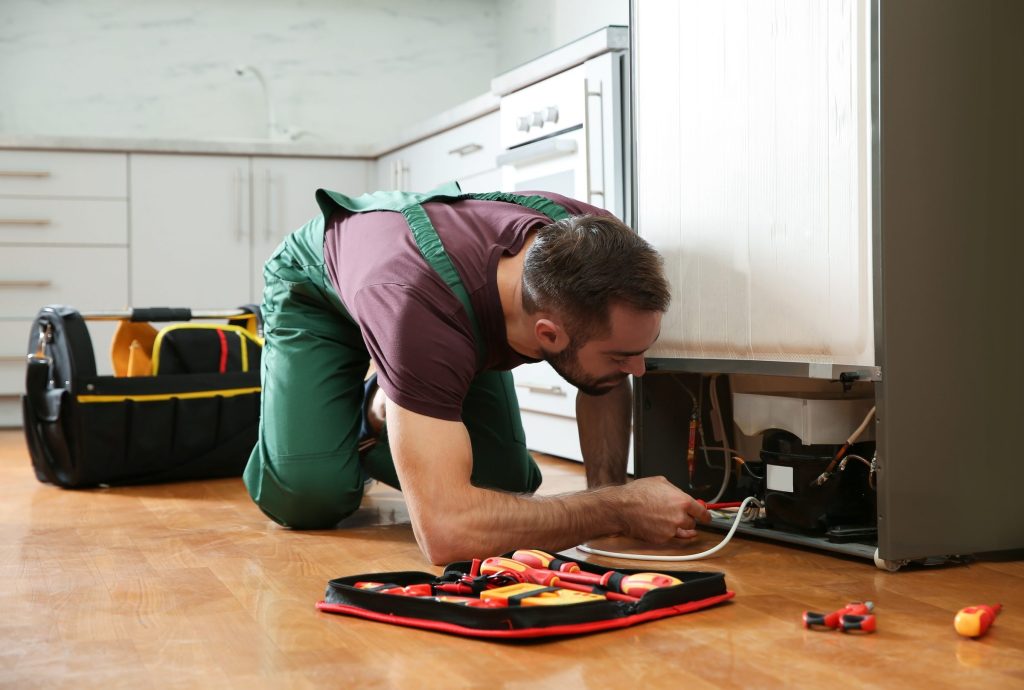
Clicking, Humming, Knocking: Which Refrigerator Noises Matter
Most of what a refrigerator does is audible, and almost none of it is a problem. The question that sorts one from the other is not what the noise sounds like — it is when it happens.
Read more -
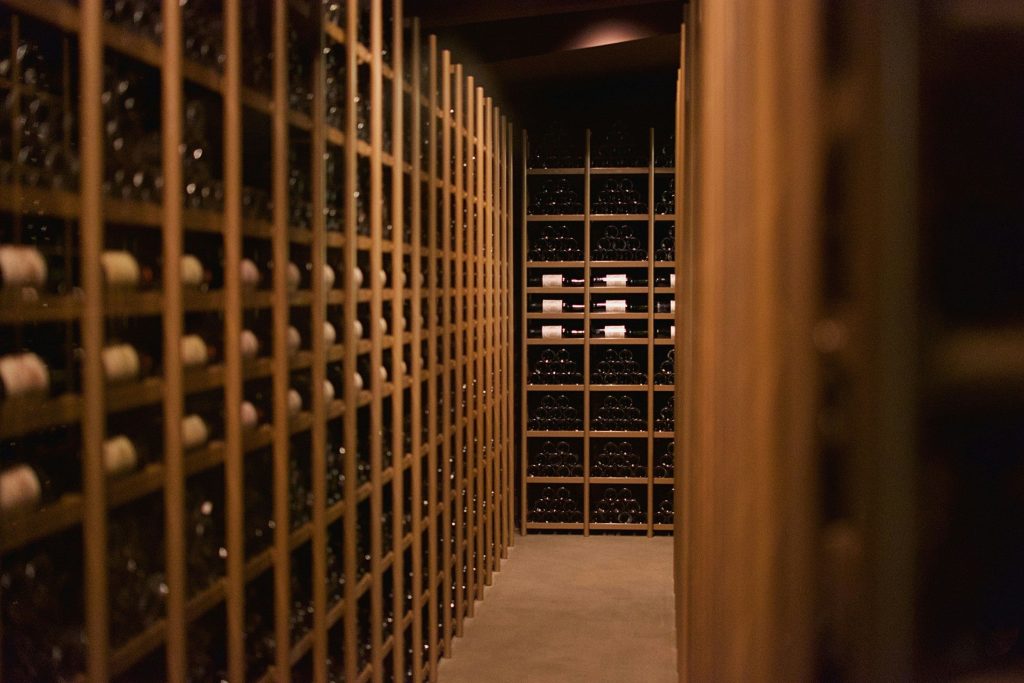
Two Degrees Wrong for Six Months Is Worse Than Broken
A wine cabinet almost never stops outright. It drifts — and a cabinet that has been two degrees warm since March is discovered in November, by which time the damage is done and nothing on the appliance ever reported a problem.
Read more
Tell us the model number and what it is doing.
This article is based on:
- Official manufacturer documentation
- Internal repair procedures
- Technician repair history
- Company quality standards