Safety & Risks
The One Kitchen Appliance You Should Not Open, Even With the Power Off
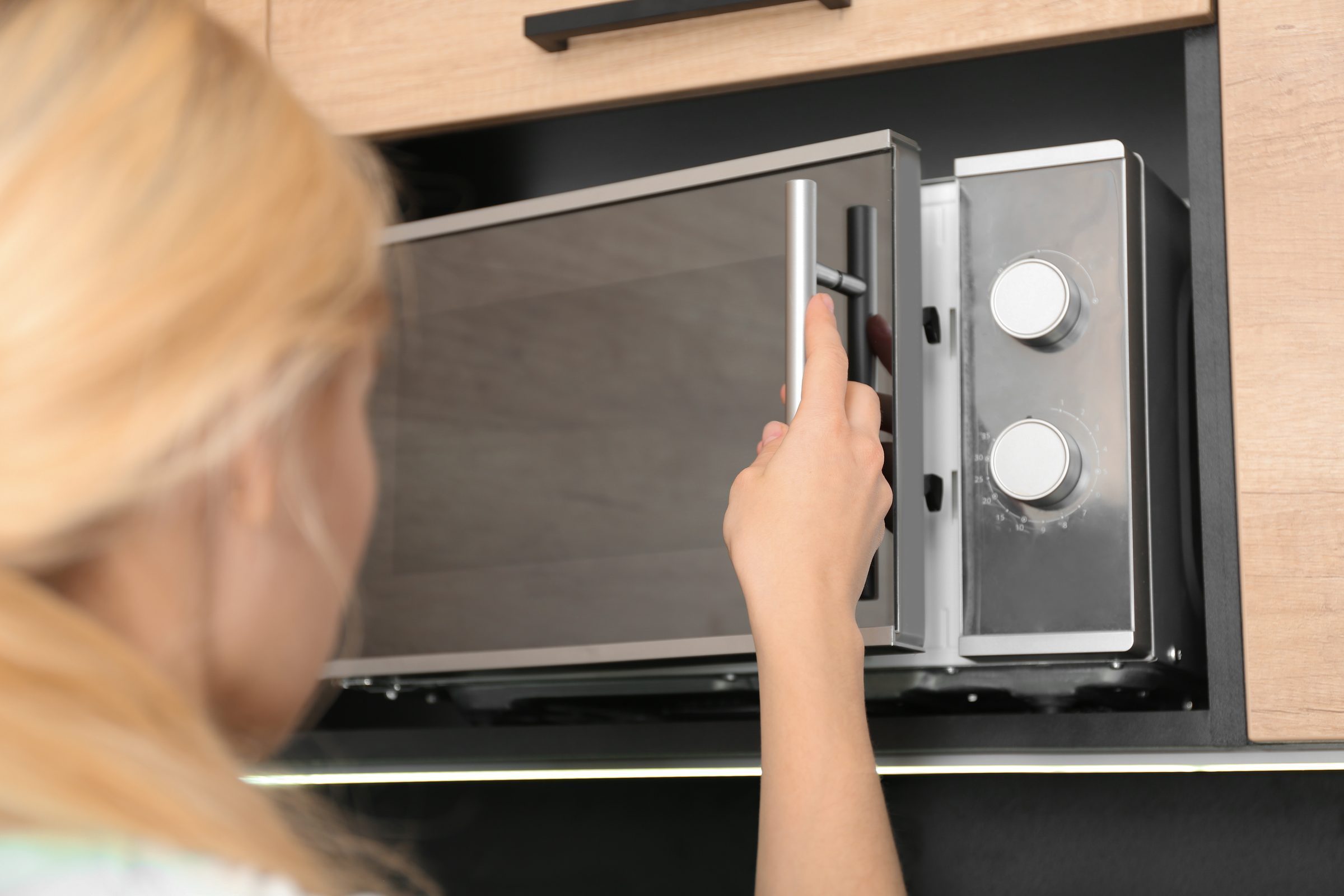
Confirm it first, because "not heating" and "heating slowly" are different problems: put a cup of cold water in, run it for one minute on full power, and touch the cup. Genuinely cold water after a minute means no microwave energy is being produced at all — almost always the magnetron, the high-voltage diode or the capacitor that feeds them. Warm-but-not-hot is a different story and usually means the machine is dropping power partway through a cycle. Either way, the next step is not to open it. A microwave capacitor stores a charge measured in thousands of volts and holds it after the appliance is unplugged, sometimes for a long time; it is discharged with a tool, deliberately, by somebody who expects it to be live. This is the one appliance in a domestic kitchen where that is true, and it is why every service manual for one opens with a warning rather than a diagram.
The full guide
Why is my jenn air microwave not heating? Confirm It in One Minute
Before anything else, find out which problem you have. "It does not heat" and "it does not heat properly" send you down different roads, and people routinely report the first when they have the second.
Put a cup of cold water in the machine — an ordinary mug, filled about two thirds. Run it for one minute at full power. Then touch the cup.
Hot, or too hot to hold comfortably. The machine is producing energy normally. Whatever brought you here is about cooking rather than about the appliance: a cold spot, a setting, a dish that reflects rather than absorbs.
Warm. Energy is being produced and something is cutting it short. That is a real problem and a different one from the next paragraph — often a machine that starts a cycle correctly and drops out of it, sometimes with an audible change partway through.
Still cold. No microwave energy at all. That is the failure this page is about, and the diagnosis is short: the magnetron, the high-voltage diode, or the capacitor that feeds them.
On a JennAir the machine this happens to is rarely a countertop box. The line runs to built-in microwave ovens, under-counter drawers and oven-hood combinations, and all three are fixed into cabinetry — which changes nothing about the electrical diagnosis and a great deal about the visit.
Why This Is Where You Stop
Every other appliance in the kitchen rewards a careful owner who takes a panel off and looks. This one does not, and the reason is physical rather than legal.
A microwave produces its cooking energy from a magnetron, and a magnetron needs several thousand volts to run. Getting there from ordinary household power takes a transformer and a capacitor — a component whose entire job is to store charge and release it. It does that job whether or not the appliance is plugged in.
A charged microwave capacitor is dangerous in a way that a mains cable is not. It delivers everything it holds at once, and it can hold a usable charge long after the machine has been unplugged. Service work on one begins by discharging it deliberately, with a tool, by somebody who assumes it is live until proven otherwise.
That is why this page has an instruction where the others have a checklist. Run the cup test, note what you found, and stop.
One South Florida footnote worth having: after a storm-season outage a microwave that comes back with a lit display and a cold cup is usually the same failure as any other day, not the power cut. The cut is what people remember, and it is rarely the cause.
What Actually Failed
For completeness, because knowing narrows the conversation:
The magnetron. The tube that makes the energy. It has a finite life, it usually fails outright rather than gradually, and on a machine of eight years or more it is the most likely single answer.
The high-voltage diode. A small part with a large effect. When it shorts, the machine typically still runs and heats nothing, and it often takes the fuse with it. Cheaper than a magnetron and much more common than people expect.
The capacitor. Less common, and when it goes it can present as a loud hum, a smell, or a machine that trips the breaker rather than one that simply fails to heat.
The high-voltage transformer. The least common and the one that usually announces itself — noise, smell, heat where there should not be any.
All four live on the same side of the same cabinet, and all four are behind the component described in the previous section.
The Arithmetic Nobody Mentions
Here is where a built-in machine parts company with a countertop one, and it is worth understanding before anybody quotes you anything.
A countertop microwave that fails is not usually repaired, and nobody argues about that. A replacement is inexpensive, it arrives in a box, and it goes on the counter.
A built-in microwave is a different object. It sits in an opening that was cut to its dimensions, frequently in a column with a wall oven below it, finished with a trim kit that belongs to that model family. Replacing it means finding a machine with the same width, the same depth, the same trim system and the same door swing — and if you cannot, the cabinetry has to be altered to fit whatever you can buy.
That is joinery work, on a kitchen where the cabinetry may be the most expensive thing in the room. It is why the sensible order of questions on a built-in is:
- what failed, and what does that part cost;
- how old is the machine;
- what would a dimensionally identical replacement be, if a repair is refused.
We answer the third one before recommending anything, because a repair that looks marginal against the price of a new countertop machine often looks obvious against the price of a new machine plus a cabinetmaker.
The Drawer, and Why It Is Its Own Conversation
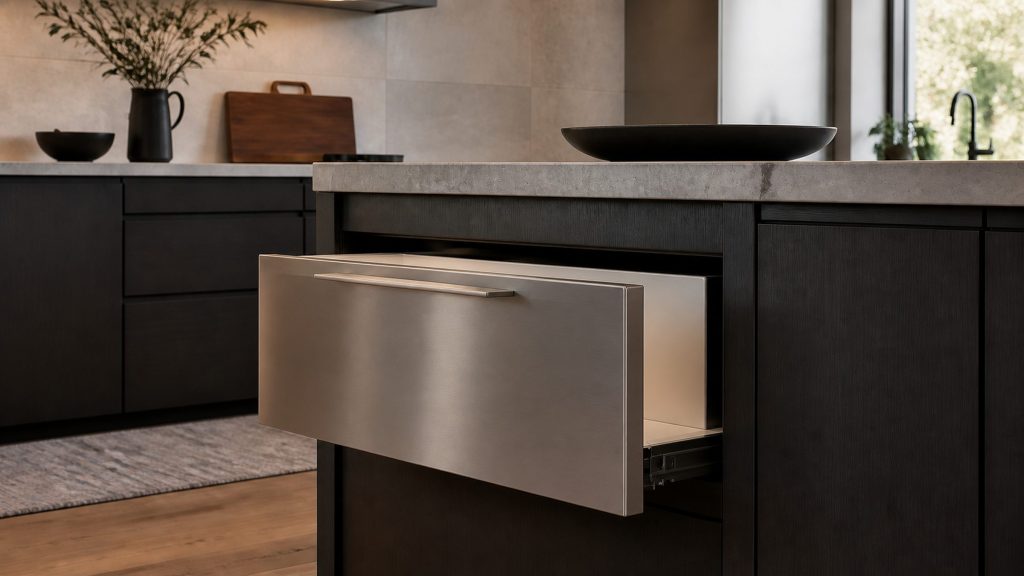
A good share of this maker's microwaves are drawer machines rather than door machines, built into an island or under a counter. Everything above about the high-voltage side applies to them identically.
What is different is the other half of the appliance: a drawer has a motorized mechanism, rails, a sensor that knows where it is, and interlocks that will not let it run unless it is properly closed. Those parts fail in ways a door never does, and they usually warn you first — slower, noisier, stopping short, needing a second press.
If your complaint is about the drawer rather than the heating, that is a mechanical repair, it is well inside ordinary service work, and catching it while it is still complaining is much cheaper than catching it after it has stopped.
When You Call
Three things make the visit shorter, and you already have two of them after the cup test:
- What the cup test gave you — cold, warm or hot after one minute.
- The model number, from the plate inside the door frame or on the side of the opening.
- Anything you noticed — a hum that was not there before, a smell, a breaker that tripped, a cycle that stops partway.
Say the machine is a built-in when you book. It changes what we bring, how long we allow, and whether the replacement conversation needs to happen on the same visit.
Say which JennAir it is — a built-in oven, an under-counter drawer, an over-the-range unit or an oven-hood combination. The electrical failure is the same on all four; the hours of access are not.
If it turns out to be a repair
What this leads to, and what it costs
Every job on this site is priced the same way: an on-site diagnostic first, the figure agreed in writing before anybody starts.
-
from $175 Microwave magnetron & high-voltage repair
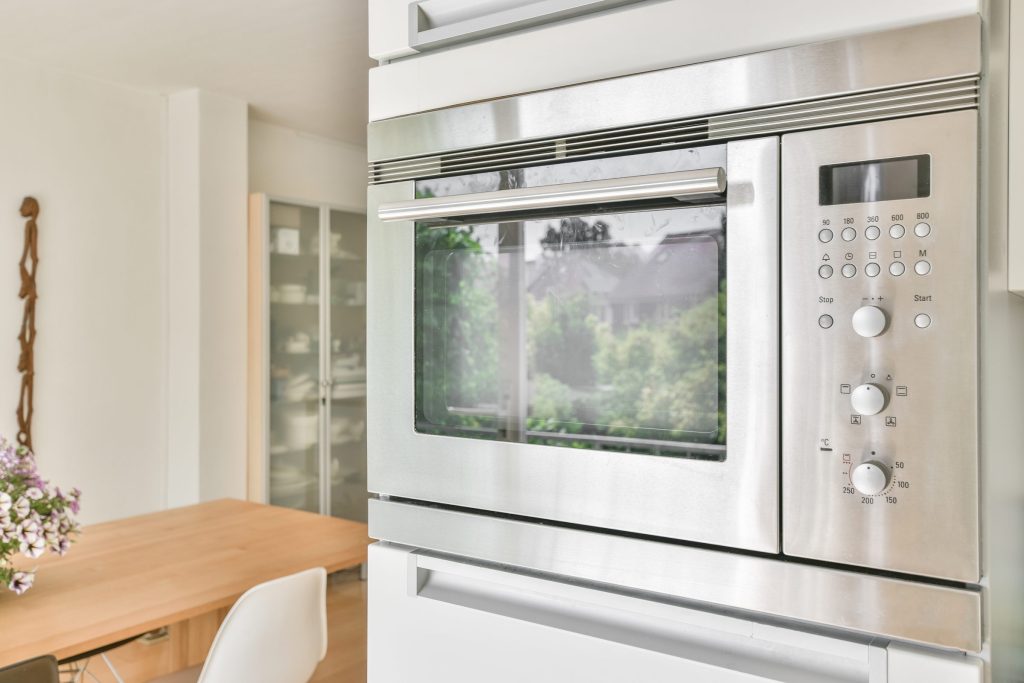
The appliance runs, lights and turns, and nothing gets hot. That is the high-voltage side, it is never an owner repair under any circumstances, and on a built-in unit the arithmetic about repairing it is different from a countertop machine.
- Never an owner repair — the capacitor holds a charge after unplugging
- Interlocks and control ruled out before the expensive half
- Built-in cutout dimensions considered before recommending replacement
-
Built-in · Drawer · Over-the-range · Speed-cook · Flush · 24" · 27" · 30" Microwaves
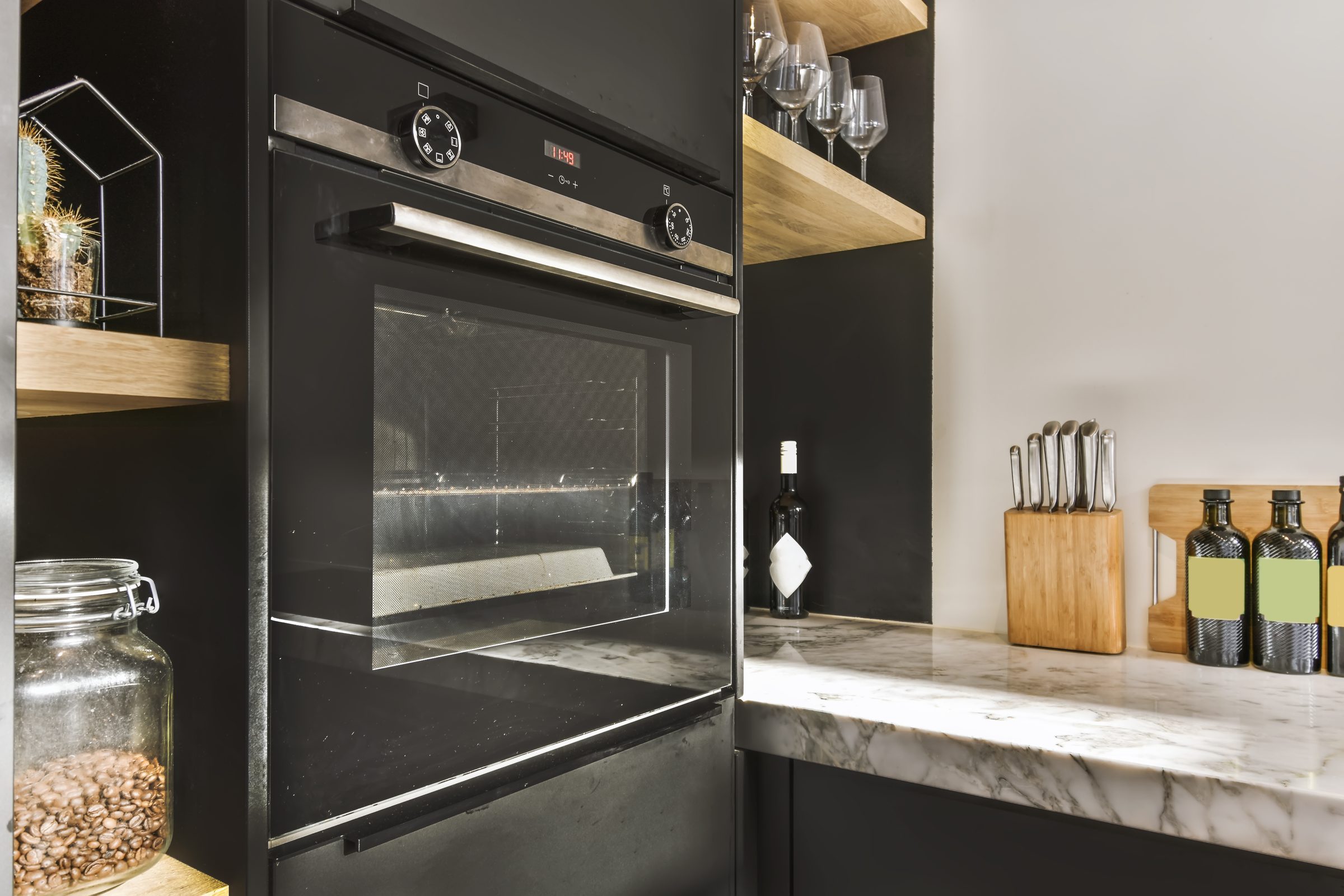
Thirteen machines and four quite different appliances sharing a word: the built-in ovens that sit in a cabinet run, the drawer units that open downwards out of an island, the over-the-range models that are a microwave and a ventilation hood in one, and the speed ovens that add convection and browning to the microwave underneath.
- Running, lit and turning, but not heating anything
- A drawer that will not open, or will not close far enough to start
- The vent fan on an over-the-range unit no longer clearing the cooktop
Questions people ask about this
It lights up, the fan runs and the plate turns. How can it be broken?
Because those three things and the heating are separate systems. The lamp, the turntable motor and the cooling fan all run off ordinary low voltage; the cooking is done by a magnetron fed from a high-voltage circuit that has its own transformer, capacitor and diode. A machine can run every visible part perfectly and produce no microwave energy at all. It is the most common way this failure presents, and it is why people assume the appliance is fine and the food is to blame.
Is there a fuse I can change?
There is a fuse, and changing it is not a repair. The high-voltage fuse in a microwave blows because something downstream drew current it should not have — usually the diode or the capacitor itself. Replacing the fuse without finding out why puts a new one across the same problem, and reaching it means being inside the cabinet with that capacitor. This is the one appliance we ask people not to open, and we would rather say so plainly than write a checklist that ends with somebody's hand in there.
How long does a microwave last?
A built-in one in daily use tends to give eight to twelve years, and a magnetron that fails at the end of that stretch is a machine reaching the end of its life rather than a machine with a problem. It is worth knowing before the repair conversation, because the arithmetic on a built-in is unusual: see below.
The turntable does not turn either.
That is a separate and much smaller problem — a drive motor or a coupler under the plate, and both are ordinary parts. If the turntable has stopped and the food still heats, you have a mechanical failure and nothing to worry about beyond it. If neither turns nor heats, the machine may not be starting a cycle at all, which points at the door interlocks rather than the high-voltage side.
Can I keep using it while I wait?
If it produces no heat, there is nothing to use. If it heats weakly, we would rather you did not: a high-voltage circuit that is failing is drawing current in a way it was not designed for, and the failure that follows is usually louder and more expensive than the one you have now. Running a microwave empty is separately a bad idea at any time, because the energy has nowhere to go but back into the magnetron.
Is replacing a built-in microwave really that different?
Yes, and it is the part of this that nobody mentions. A freestanding machine is a purchase and an afternoon. A built-in one sits in an opening that was cut for it, often in a column with an oven below it and a trim kit that matches nothing else. If the replacement is not dimensionally identical the cabinetry has to be modified, and that is joinery rather than appliance work. It is why we quote the repair against the replacement on this appliance more carefully than on any other.
Safety & Risks
More guides like this one
-
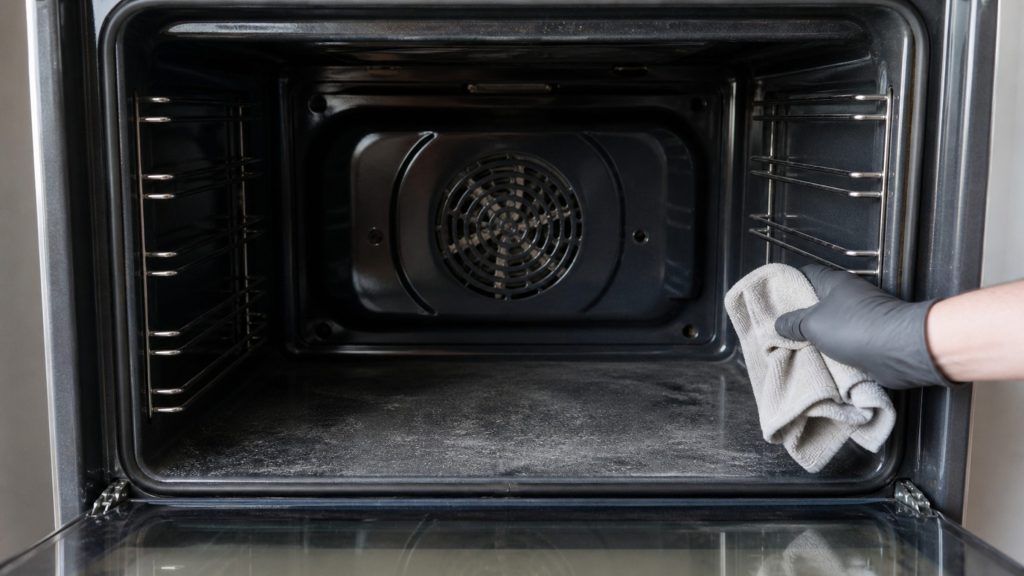
Self-Clean Is the Hardest Thing Your Oven Ever Does to Itself
Repairs cluster around this cycle, and the two usual pieces of advice are "never use it" and nothing at all. Neither is right. Here is what the cycle actually does to the appliance, and why it tends to find problems rather than create them.
Read more -

Water Under a Built-In Appliance Reaches Your Cabinets Before It Reaches You
Water inside a cabinet can wait a week. Water underneath one cannot, and in a built-in kitchen you will see the cabinet base go before you see a puddle on the tile.
Read more -

Four Hours, Forty-Eight Hours: What Actually Survives an Outage
Asked more often on this site than almost anything that involves a broken machine, and in this city it comes up several times a season. The numbers are short, the instruction is shorter, and almost nobody follows it.
Read more
Tell us the model number and what it is doing.
This article is based on:
- Official manufacturer documentation
- Internal repair procedures
- Technician repair history
- Company quality standards