Safety & Risks
Four Hours, Forty-Eight Hours: What Actually Survives an Outage
The federal food-safety figures are the ones to use, not anything a repair company invents: an unopened refrigerator holds food safely for about four hours; a half-full freezer for roughly twenty-four hours; a full freezer for about forty-eight. Those numbers assume the door stays closed the entire time, and that assumption is what fails in practice — every opening costs a meaningful share of the remaining time. When power returns, judge by temperature rather than by appearance or smell: food held above 40°F for more than two hours should go, and food that still contains ice crystals can be refrozen safely even if it has softened. A cabinet that displays PO, PF or a flashing indicator afterwards is telling you there was an outage, not that it has failed — acknowledge the notice, and if the machine seems confused, give it one full minute off at the breaker.
The full guide
How long will food last in fridge after power outage? The Numbers
These are the food-safety figures, not ours. They assume one thing, and the whole page comes back to it.
They are worth having on a JennAir kitchen in particular, where the cold is often spread across a refrigerator column, a separate freezer column and an undercounter drawer or two — three clocks running at once, and the smallest of them runs out first.
| Refrigerator, unopened | about 4 hours |
| Freezer, half full, unopened | about 24 hours |
| Freezer, full, unopened | about 48 hours |
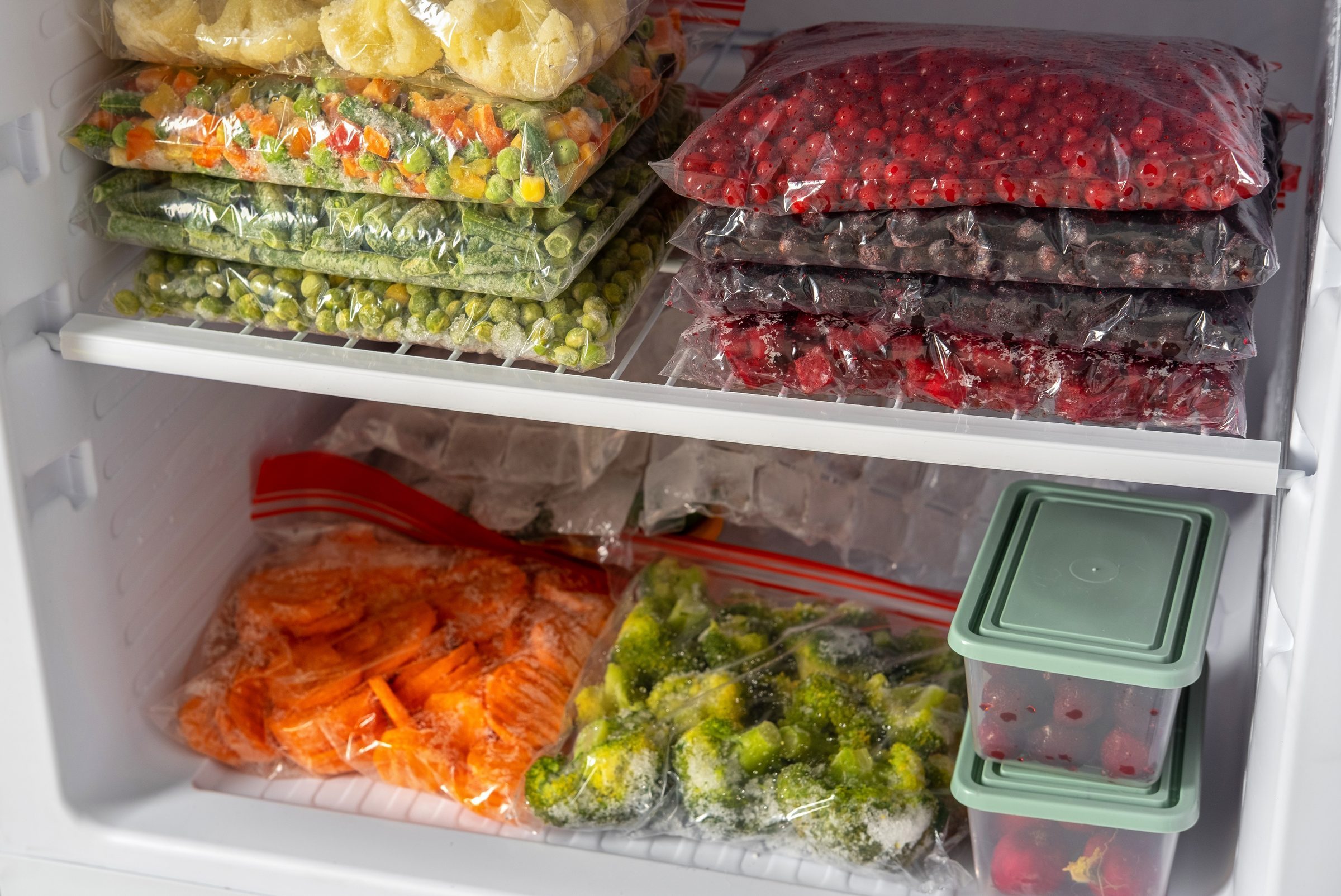
The gap between a half-full and a full freezer is not a rounding error. Frozen food is its own cold store: each package holds cold and gives it back slowly, and a packed freezer is therefore an enormous thermal reserve. An empty one is a box of air.
In hurricane season that is an argument for keeping the freezer fuller than you strictly need to, even if some of what is in there is bottles of water.
The Instruction Nobody Follows
Keep the door shut.
That is the entire advice, and it is worth more than everything else on this page combined. The numbers above are what a closed appliance does. They are not what an appliance does that gets opened four times because somebody wanted to check.
A refrigerator without power cannot make cold. All it can do is hold what it already has. Open it and the cold air — which is heavy, and which pours out at the bottom — is replaced by whatever the kitchen is at, in seconds.
If you need to know how cold it is inside, put a thermometer in there now, while the power is on and you are reading this. Then during an outage you can answer the question in one glance instead of standing with the door open deciding.
When the Power Comes Back
Judge by temperature and time, not by how things look or smell.
The refrigerator. Anything that has been above 40°F for more than two hours goes. That means meat, poultry, fish, eggs, dairy, cooked leftovers, cut fruit and anything with mayonnaise in it. Condiments, hard cheeses, butter, whole uncut produce and things that live at room temperature anyway are generally fine.
The freezer. Look for ice crystals. Food that still has them — even if it has gone soft — can be refrozen. It may not be as good afterwards, but it is not dangerous. Food that has fully thawed and been warm for more than two hours goes.
Do not taste anything to check. The organisms that cause illness do not reliably change flavor, smell or appearance. This is the one place on this site where we would rather sound like a public health leaflet than be reasonable about it.
What the Appliance Does Afterwards
Once power is back, expect the machine to behave in ways that look alarming and are not.
It runs constantly for hours. Correct. It has a warm cabinet to bring down and it is doing it. A refrigerator that has been off overnight can run more or less continuously for most of a day.
It shows a notice. On this platform, PO and PF are power-outage messages: two letters and no number, and they mean the appliance recorded that the temperature rose while it had no power. They are notices, not failure codes. Acknowledge them with the pad the display points at and they clear.
The ice maker throws away its first batch. Many will, deliberately. Let it.
Clocks are flashing everywhere. Set them. This matters more than it sounds — several cooking appliances will not run a timed function until they know what time it is, which produces an oven that appears broken and is waiting for the clock.
Something is still confused. One full minute off at the breaker. Sixty seconds, not a flick. It is the documented first step for a large share of conditions on this maker's own platform, and it clears a control that has latched after a surge.
The Part That Is Actually a Repair
Most post-outage calls are not repairs. Some are, and the pattern is recognizable:
- the cabinet is still not cold after a full day of running;
- the freezer recovered and the fresh food side did not, which is an airflow problem rather than an outage one;
- the machine trips the breaker when it starts;
- there is a new noise that arrived with the power;
- it will not start at all, and a full minute at the breaker changed nothing.
Surges do damage control boards, and a compressor asked to restart against pressure it has not had time to shed can trip a breaker. If any of the above describes your machine, that is worth a call rather than a wait.
Before the Next One
This is South Florida. There will be a next one.
Which makes this a June job rather than a September one: a freezer packed before the season starts holds twice as long as a half-empty one, and it is the cheapest thing on this page.
- Keep the freezer fuller. Bottles of water are free and they work.
- Buy a thermometer for each cabinet. Two dollars, answers the only question that matters, and lets you leave the door shut.
- Know where your breaker panel is and which breaker is which. The minute-at-the-breaker step is much easier when you are not hunting.
- If the house is empty for months, a remote thermometer that alerts you is worth more than anything else here. An outage in an unoccupied house is discovered on arrival, and by then it does not matter what the numbers were.
If it turns out to be a repair
What this leads to, and what it costs
Every job on this site is priced the same way: an on-site diagnostic first, the figure agreed in writing before anybody starts.
-

from $165 Refrigerator defrost & cooling repair
A cabinet drifting warm, frost building where it should not, or a column that runs constantly and never quite gets there. This is where most refrigeration calls land, and it is the band the expensive one is reached by eliminating.
- Airflow and defrost measured before anything about refrigerant
- Evaporator fan, heater, thermistors and damper checked in order
- The condenser cleaned and the result proved before we leave
-
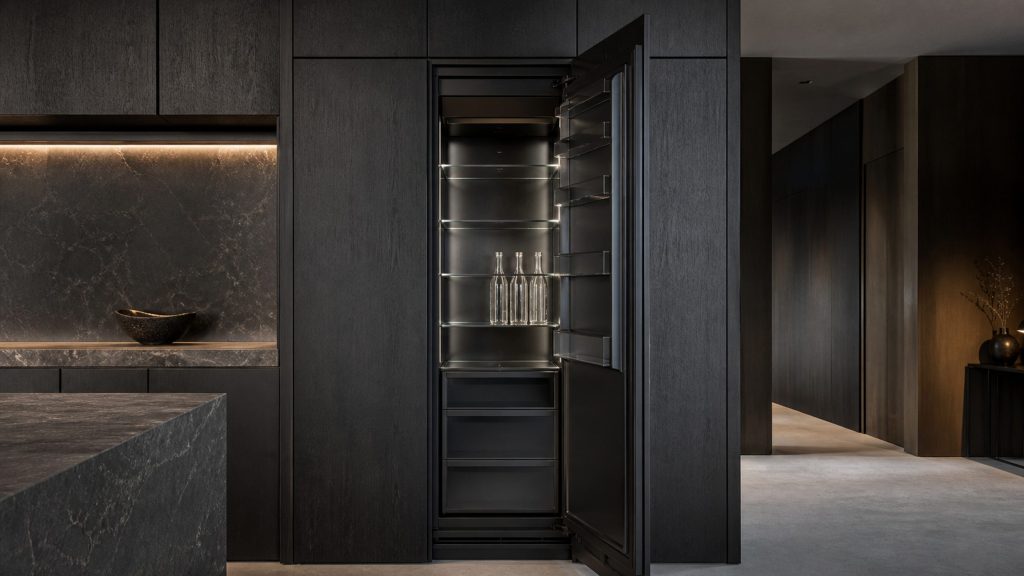
Built-in · Column · French door · Undercounter · Drawers · Beverage centers · 18"–48" Refrigerators
The largest row in this line and the one this phone rings about most. Built-in cabinets and panel-ready columns from 18 to 48 inches, French door, the undercounter units that live in an island or a bar run, refrigerated drawers and beverage centers. Most of them are trimmed into your cabinetry, which is the first thing we need to know.
- The refrigerator drifting warm while the freezer holds
- Water on the floor, or ice building where it should not
- A cabinet running constantly and never quite getting there

Questions people ask about this
Can I open it just to check?
Every opening costs you. A closed refrigerator is a well-insulated box holding cold air; open it and that air is replaced with kitchen air in seconds, and the appliance has no way to make more. If you genuinely need to know the temperature, an inexpensive thermometer left inside answers it through the door on some models, and a probe left in place answers it in one quick look rather than in a stand-and-decide with the door open.
The food looks and smells fine.
Neither is a safe test and this is the part worth being blunt about. The bacteria that make people ill do not necessarily change how food looks, smells or tastes. The rule is temperature and time: above 40°F for more than two hours, discard it. That applies to meat, poultry, fish, dairy, eggs, cooked leftovers and cut produce. When in doubt, throw it out is a cliche because it is correct.
Everything in the freezer has softened. Is it all lost?
Not necessarily, and this is the most useful piece of good news here. Food that still contains ice crystals — even if it has gone soft — can be refrozen safely. Its texture may suffer, but it is not dangerous. Food that has fully thawed and been above 40°F for more than two hours should go. So the question to ask of each package is not is it frozen but are there ice crystals in it.
My refrigerator shows PO and will not clear it.
PO is a power-outage notice on this platform — it is a message, not a failure code, and it is the appliance telling you the temperature rose while it was without power. It is usually cleared by pressing and holding the pad indicated on the display. It has nothing to do with whether the machine is working now, and it is not a reason to call anybody.
How long after power returns should it take to come back down?
A refrigerator that has been off for hours needs a few hours to recover, and it will run continuously while it does. That is normal and it is the appliance doing exactly what it should. What is not normal is a cabinet that is still not down after a full day, or one that recovers the freezer and leaves the fresh food side warm — say so if you call, because that pattern points at airflow rather than at the outage.
Should I put ice in the refrigerator during an outage?
If you have it, yes, and put it in the freezer rather than the fridge if you have to choose — a fuller freezer holds its temperature far longer, which is the whole reason the full and half-full numbers differ so much. Bags of ice, frozen water bottles and even packed newspaper filling the empty space all buy time. In hurricane season it is worth keeping the freezer fuller than you otherwise would.
Safety & Risks
More guides like this one
-
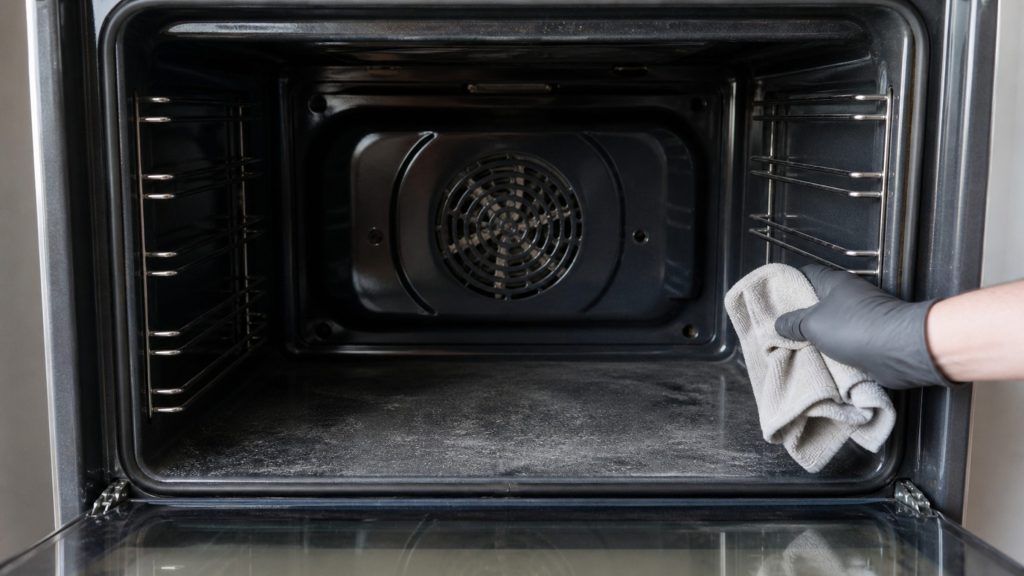
Self-Clean Is the Hardest Thing Your Oven Ever Does to Itself
Repairs cluster around this cycle, and the two usual pieces of advice are "never use it" and nothing at all. Neither is right. Here is what the cycle actually does to the appliance, and why it tends to find problems rather than create them.
Read more -

Water Under a Built-In Appliance Reaches Your Cabinets Before It Reaches You
Water inside a cabinet can wait a week. Water underneath one cannot, and in a built-in kitchen you will see the cabinet base go before you see a puddle on the tile.
Read more -
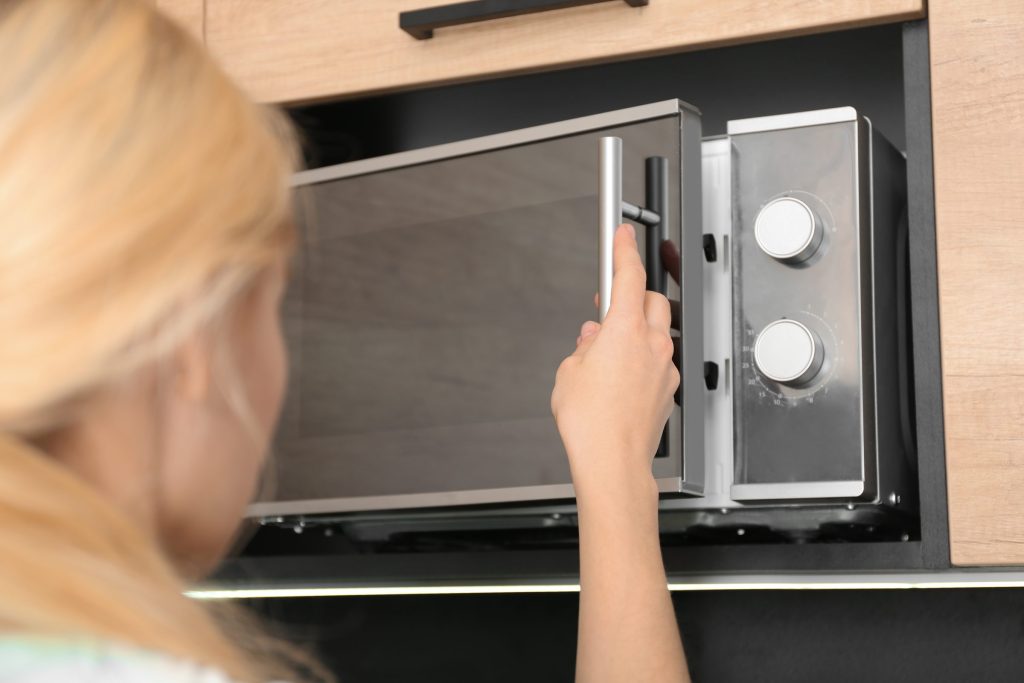
The One Kitchen Appliance You Should Not Open, Even With the Power Off
A microwave that runs, lights up and turns the plate but leaves the food cold is a common failure with a short diagnosis. It is also the one appliance in the kitchen where the advice is to stop rather than to look further, and there is a physical reason for that.
Read more
Tell us the model number and what it is doing.
This article is based on:
- Official manufacturer documentation
- Internal repair procedures
- Technician repair history
- Company quality standards