Maintenance & Prevention
A Two-Minute Test That Can Save You a $695 Repair
Close the door on a banknote so that half of it is inside and half outside, then pull it out. It should drag: you should feel the seal gripping it. Do that every eight to twelve inches all the way round both doors, and on a French-door cabinet pay particular attention to the middle, where the two doors meet, and to the bottom corners, which carry the most weight and give up first. Anywhere the note slides out freely is a place the cabinet is losing cold air continuously. That single problem imitates a failing sealed system almost perfectly — poor temperature, condensation, frost in the wrong places, a compressor that runs and runs — for a small fraction of the cost. On a panel-ready door there is a second answer nobody expects: the panel is your cabinetmaker's, it is heavy, and its hardware works loose, which pulls the door out of square without anything on the appliance being wrong at all.
The full guide
What causes a refrigerator door not to seal? Why This Test Is Worth Two Minutes
A refrigerator that will not hold its temperature is one of the more expensive things that can go wrong in a kitchen. A sealed system repair is real money, and on a JennAir built-in column it is real money plus the access, because the panel comes off before the work starts.
A tired door seal produces exactly the same list of symptoms:
- the cabinet does not hold its temperature;
- the compressor runs constantly and never seems to satisfy;
- there is condensation where there was not any;
- frost appears in the freezer, often in one particular place;
- food does not keep as long as it used to;
- the electricity bill goes up quietly.
Every one of those is on the list for a failing sealed system too. The difference is that a seal is a fraction of the cost, and you can find out which you have got before anybody quotes you anything.
The Test
Take a banknote. A strip of paper does just as well.
Close the door on it so that roughly half is inside the cabinet and half is hanging out. Close the door normally — no extra push.
Pull it straight out. You should feel it drag. The seal should be gripping it.
Repeat every eight to twelve inches, all the way round, on both doors.
That last part is the step people skip, and skipping it makes the test worthless. A gasket almost never fails uniformly. It fails at one corner, along one edge, at the point the door gets pulled from. Testing a single spot in the middle of the door proves nothing about the rest of it.
Where It Fails First
The bottom corners. They carry the weight of the door every time it swings, and on a heavy built-in door that is a great deal of load in one place.
The handle side, low down. Where the door gets pulled from and where it flexes.
The middle, on a French-door cabinet. The vertical join between the two doors is the hardest place in the whole cabinet to seal. Many models have a hinged flap on one door that swings into place as it closes; if that flap is stiff, bent, or not swinging fully, the two doors do not meet properly and there is a permanent gap in the middle of the appliance. It is worth watching it operate as you close the door.
Anywhere something rubs. A drawer or a shelf catching the gasket as it closes will damage it in one spot over time.
A South Florida kitchen is harder on a gasket than the manual assumes: every opening pulls warm humid air across the seal, and the current JennAir warranty excludes corrosion from "high salt concentrations, high moisture or humidity" in as many words. Rubber that spends ten years doing that ages faster than rubber in Ohio.
What You Found, and What It Means
The note slides out freely somewhere, and the gasket looks tired. Hard, flattened, cracked, torn, or pulling out of its channel. That is a gasket, and it wants replacing. On a built-in door it is service work, because the gasket is usually retained under the inner door panel rather than simply pushed into a groove.
The note slides out freely, and the gasket looks perfect. This is the interesting case. The seal is fine and it is not being pressed against anything — which is an alignment problem, not a gasket one. The door is sitting out of square, or the cabinet has settled, or the hinge has worn. Often cheaper to correct than a gasket.
It grips everywhere. Then the seal is not your answer, and you have eliminated the inexpensive possibility deliberately rather than by assumption. Worth saying when you call.
The Panel-Ready Answer Nobody Expects
On JennAir, thirty-six of the sixty-five refrigeration models currently sold are panel-ready — and so are most of the dishwashers and the wine cellars. The door you put your hand on is not the appliance's door. It is a custom panel, made by whoever built the kitchen, fixed to the appliance door with hardware.
Those panels are heavy. Solid timber on many installations, with substantial hardware holding them.
Hardware works loose. Not suddenly — over years of a door being opened a dozen times a day. And when a heavy panel drops even a few millimeters, it takes the door out of square with it and lifts the seal off its face at one corner. Nothing on the appliance has failed at all.
This is worth checking before you conclude the refrigerator is in trouble:
- does the panel sit level with the ones next to it, and with its own partner on a column pair?
- has the gap at the top or bottom changed?
- does the door swing differently than it used to, or need a push at the end?
- is there any movement in the panel itself when you take hold of it?
If the answer to any of those is yes, the fix is at the panel hardware and it is a much smaller job than the one people brace themselves for.
The Two Free Things, Together
There are exactly two pieces of preventive maintenance on a refrigerator that reliably pay for themselves, and neither costs anything:
- The banknote test, twice a year, both doors, all the way round.
- Vacuuming the condenser behind the base grille, which is the other half of the same visit.
Ten minutes, twice a year. Between them they prevent a meaningful share of the calls we take on this appliance, and they cost the price of paying attention.
If it turns out to be a repair
What this leads to, and what it costs
Every job on this site is priced the same way: an on-site diagnostic first, the figure agreed in writing before anybody starts.
-
from $165 Door, gasket & alignment repair
The cheapest thing on the refrigeration list and the one that imitates the most expensive. A tired seal produces a cabinet that will not hold temperature, condensation, and a compressor running far longer than it should. On this make it is often the cabinet panel rather than the appliance.
- Seal checked along its whole length, not eyeballed
- The cabinet panel and its hardware ruled in or out first
- Hinges and closing set with the real door weight on them
-

Built-in · Column · French door · Undercounter · Drawers · Beverage centers · 18"–48" Refrigerators
The largest row in this line and the one this phone rings about most. Built-in cabinets and panel-ready columns from 18 to 48 inches, French door, the undercounter units that live in an island or a bar run, refrigerated drawers and beverage centers. Most of them are trimmed into your cabinetry, which is the first thing we need to know.
- The refrigerator drifting warm while the freezer holds
- Water on the floor, or ice building where it should not
- A cabinet running constantly and never quite getting there

Questions people ask about this
How does a door seal cause frost?
Warm, humid room air leaks in continuously past the gap. In the freezer it meets cold surfaces and condenses out as frost — usually near where the leak is, which is why frost in one corner is such a useful clue. In the fresh food side the same leak shows up as condensation, a compressor that never rests, and food that does not keep as long as it used to. In a Miami summer, where the air coming in is heavy with moisture, this happens faster and more visibly than it would anywhere cooler.
The seal looks fine.
Looking is not the test, which is why the banknote exists. A gasket can be visually perfect and still have lost its compression: the magnet inside weakens, the material takes a set from years of being squashed in the same place, and the door stops actually gripping. The note tells you what your eyes cannot.
Can I fix a seal myself?
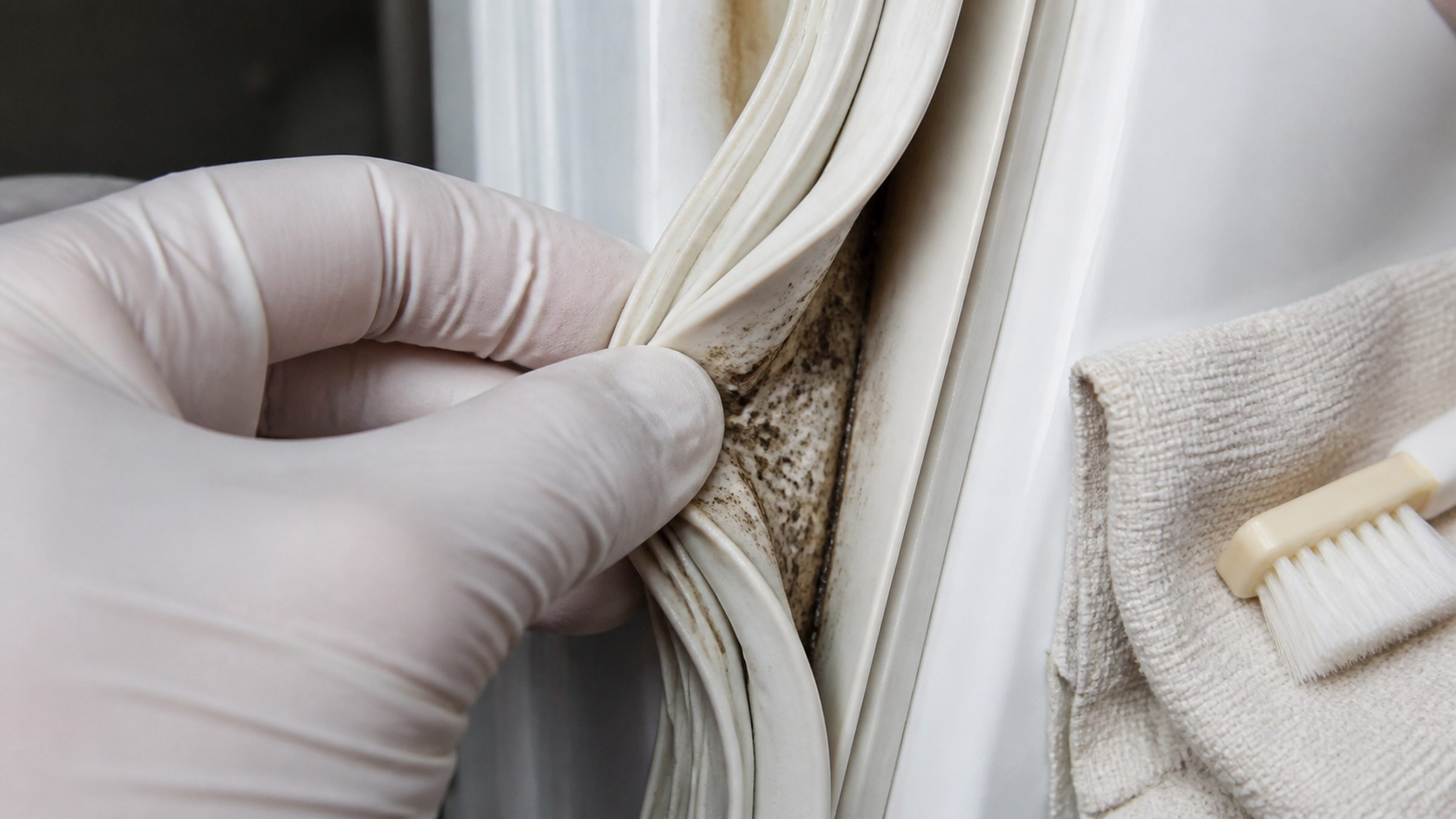
Sometimes. If it is soft and simply dirty, warm soapy water along the whole length — including inside the folds, where a surprising amount collects — restores contact more often than people expect. A gasket that has taken a set can occasionally be improved with gentle warmth from a hairdryer while the door is closed on it. If it is torn, hard, or pulling out of its channel, it needs replacing, and on a built-in door that is service work because the gasket is usually retained under the inner panel.
The note grips everywhere but the cabinet still will not hold temperature.
Then you have ruled out the cheap answer, which is worth doing and is exactly the point of testing first. Next candidates are airflow — the evaporator fan, a blocked vent, a frosted evaporator — and then the sealed system. Say that you have run the banknote test when you call; it saves us doing it and it moves the diagnosis on.
What is different about a panel-ready door?
The door you touch is not the appliance's. It is a custom panel made and fitted by whoever built the kitchen, and it is heavy — solid timber on many installations. That weight hangs off hardware, and hardware works loose over years of daily use. A panel that has dropped a few millimeters pulls the door out of square and lifts the seal at one corner without anything on the appliance having changed. It is worth checking before assuming the machine is to blame, and it is a much smaller job.
How often should I check?
Twice a year is plenty, and it takes two minutes. The sensible times are when you clean the condenser — the two jobs are the entire preventive maintenance list for this appliance, they are both free, and between them they prevent a fair share of the calls we take.
Maintenance & Prevention
More guides like this one
-
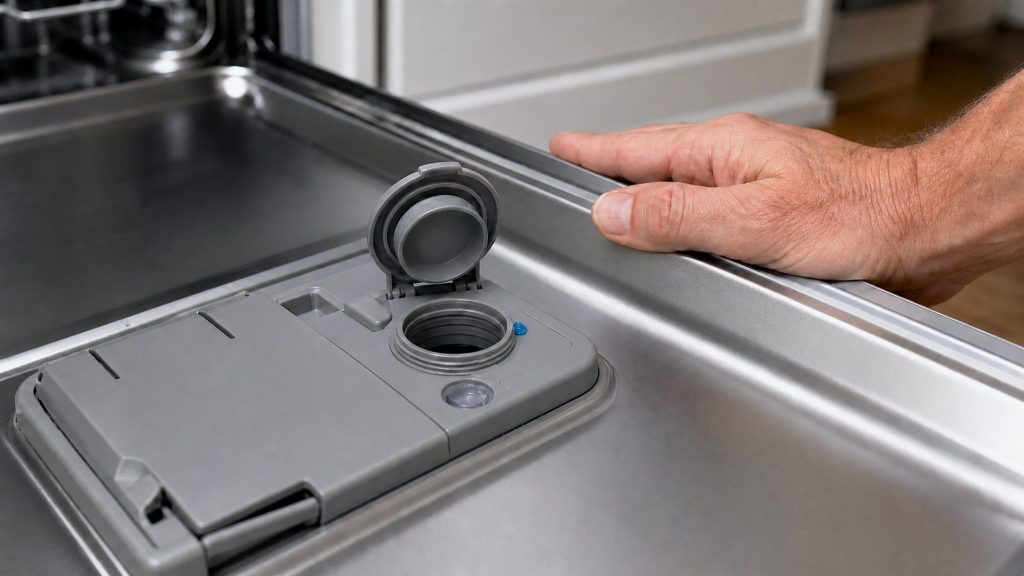
Running It Empty With Vinegar Will Not Fix the Smell. Here Is What Does
Every remedy people try fails for the same reason: the two places holding the smell are the two places the wash arms cannot reach.
Read more -

Nine Appliances, Nine Places the Plate Hides
On a built-in kitchen nothing has a visible back, and half of these plates need a phone held into a cabinet at an angle you cannot see. Here is where each one is, and why a photograph beats writing it down.
Read more -
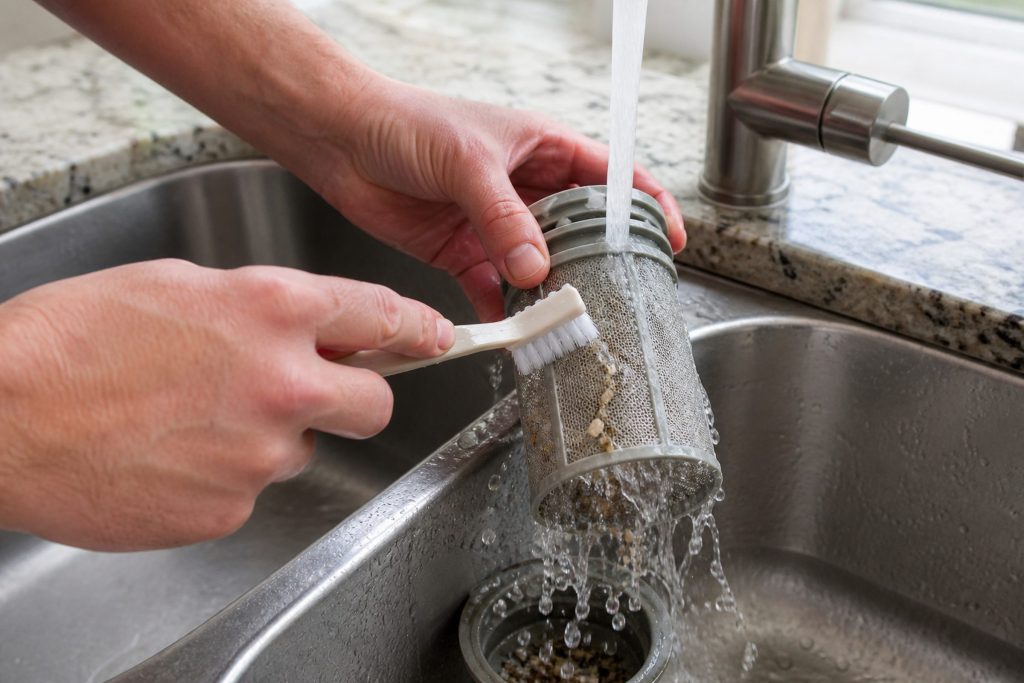
Your Dishwasher Has a Filter, and Nobody Told You at Delivery
A quarter turn, a lift, a rinse. Under a minute, every month or two — and it is behind a large share of the calls we take about dishes coming out gritty.
Read more
Tell us the model number and what it is doing.
This article is based on:
- Official manufacturer documentation
- Internal repair procedures
- Technician repair history
- Company quality standards