Safety & Risks
Water Under a Built-In Appliance Reaches Your Cabinets Before It Reaches You
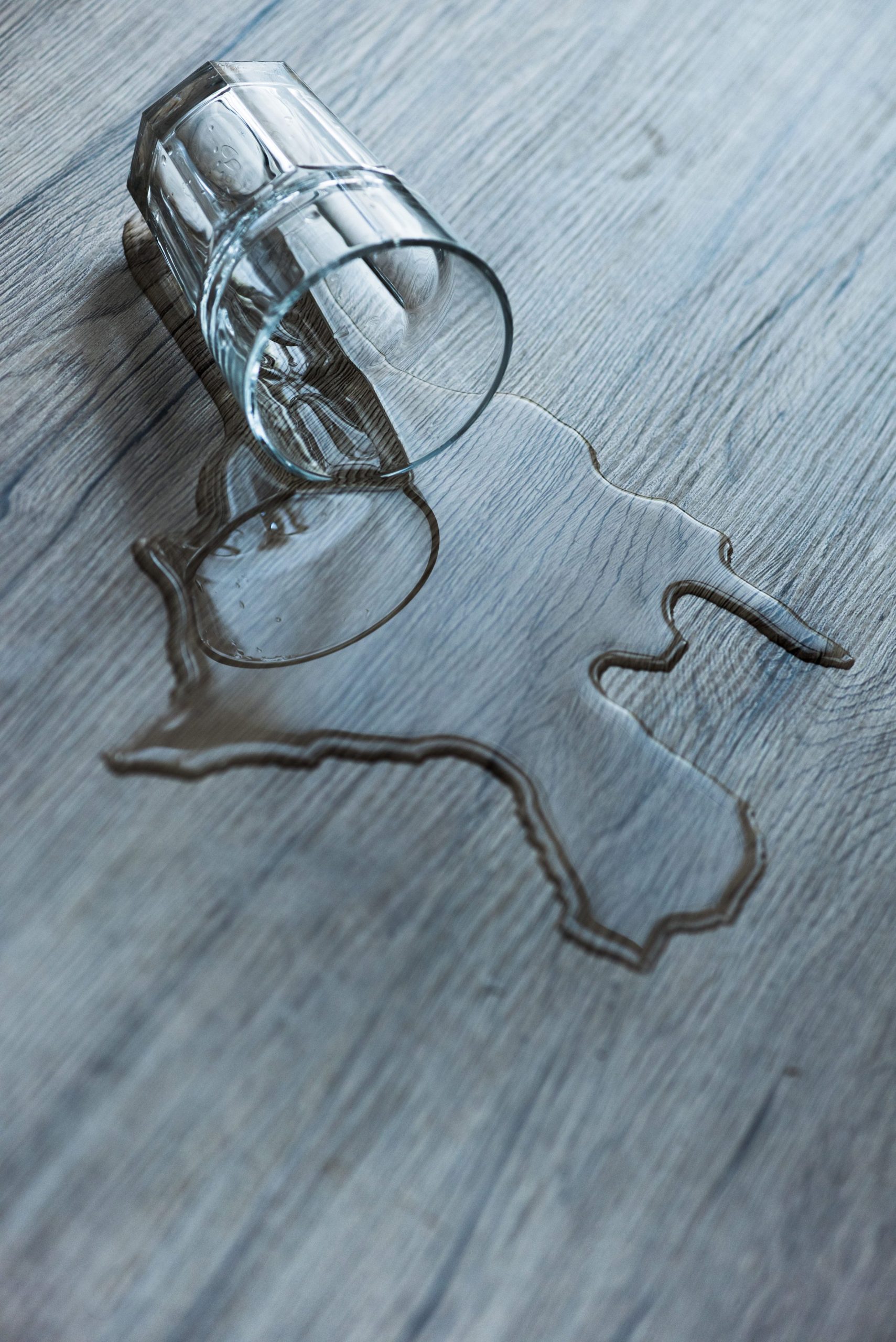
Where the water is decides the urgency, not how much of it there is. Water standing inside a refrigerator is nearly always a defrost drain that has iced closed, and it is a small repair that can wait a few days. Water arriving underneath any built-in appliance is different: in a kitchen where everything is trimmed into millwork, it reaches the cabinet base and the flooring long before it appears on the tile, and engineered board does not dry out again. Shut the supply valve — under the sink for a dishwasher, behind or under the cabinet for refrigeration — put paper towel down to find where it wets first, and call the same day. On the dishwashers of this corporate group the diverter shaft seal is a documented leak that begins four to six years after manufacture, and it arrives underneath rather than in the tub, so nothing about the wash cycle looks wrong while it happens.
The full guide
Why is my jenn air refrigerator leaking water? Where, Not How Much
A cup of water inside a refrigerator is a blocked drain. It can wait until Thursday.
The same cup underneath a built-in dishwasher has already been absorbed by a cabinet base made of engineered board, and that does not dry out again. It swells, it delaminates, and the joinery around it starts to move.
In a kitchen where almost every appliance is trimmed into millwork — which is nearly everything this maker builds — the location of the water is the whole of the urgency. It is the first question we ask, and it should be the first question you answer yourself.
A Miami kitchen adds a second reason to move quickly: a cabinet base that stays damp in this humidity does not simply dry out and forget about it, and what grows in it afterwards is a bigger job than the appliance ever was.
Do This Before You Call
Shut the supply valve. Under the sink for a dishwasher, behind or under the cabinet for refrigeration and ice. It costs nothing, it stops the damage while you wait, and it does not make the diagnosis any harder — we can open it again in ten seconds.
Put paper towel down and watch where it wets first. That is the cheapest leak detection there is, and on a built-in appliance it is often the only way to tell a supply leak from a drain leak without pulling the machine out.
Look at the plinth. A dark line along the front of the kick panel means this has been going on for a while, and that changes both the urgency and the conversation.
Water Inside a Refrigerator Is Usually the Drain
The commonest version of this complaint is water standing in the bottom of the fresh-food section, or ice on the floor of a freezer.
That is the defrost drain. Every frost-free cabinet melts ice off its evaporator on a cycle, and the meltwater is supposed to run down a tube to a tray where it evaporates. When the tube ices closed — which happens — the water goes into the cabinet instead.
Small repair. Not expensive. Worth doing before the water finds its way out of the cabinet and under it, which is the next thing it does.
Water Underneath a Dishwasher
Four usual sources, and one of them is documented:
- The diverter shaft seal. On machines across this corporate group it has been reported to start leaking four to six years after manufacture. The water arrives underneath rather than in the tub, so nothing about the wash looks wrong.
- The sump gasket.
- A hose clamp, usually one that was never quite tight.
- The door seal, which puts water at the front rather than the back — a useful distinction.
Which one it is comes from looking rather than guessing, and on a machine carrying your own cabinet panel that means taking the panel off first.
And the One That Is Not a Leak At All
Between June and October, expect water on the outside of cold things. Condensation on a glass wine cellar door. Damp down the strip between two French doors. Beads on the front of a cold cabinet after a party.
That is warm humid air meeting a cold surface, and it is what air does in this city. It is not a defect and no repair changes it.
The maker itself is direct about this climate. Its current warranty excludes, in its own words, *"discoloration, rust or oxidation of surfaces resulting from caustic or corrosive environments (e.g., high salt concentrations, high moisture or humidity or exposure to chemicals)"*. That is not a threat and it voids nothing — it is a manufacturer stating on its own paper that a coastal kitchen is a harder place to keep an appliance than an inland one. Which is a reason to keep surfaces dry, not a reason to worry.
The Appliances That Put Water on Floors
Worth knowing which of yours are plumbed at all:
- Dishwasher — supply, drain, and a door.
- Refrigeration with a dispenser or an ice maker — a supply line, a valve, a filter housing.
- An undercounter ice machine — a supply, and on many installations a drain of its own. When that drain blocks, the meltwater goes on your floor rather than away.
- Everything else — no water at all, so water near it came from somewhere else. That is worth establishing before anybody is booked for the wrong appliance.
When It Is Genuinely an Emergency
Two cases, and neither is subtle.
Water and electricity together. If water has reached a socket, a junction, or the inside of an appliance's controls, switch that circuit off at the breaker before anything else.
A running leak. Something actively filling rather than seeping. Shut the supply, and if you cannot find the valve, shut the house.
Everything else is a same-day call rather than a panic — and a same-day call, on a built-in kitchen, is the right level of concern.
What to Have Ready When You Call
Which appliance. Inside or underneath. Whether it is running now. Whether the front is a cabinet panel. And whether the plinth is already dark.
We repair this equipment across Miami-Dade, Broward and Palm Beach.
If it turns out to be a repair
What this leads to, and what it costs
Every job on this site is priced the same way: an on-site diagnostic first, the figure agreed in writing before anybody starts.
-
from $175 Dishwasher drain & pump repair
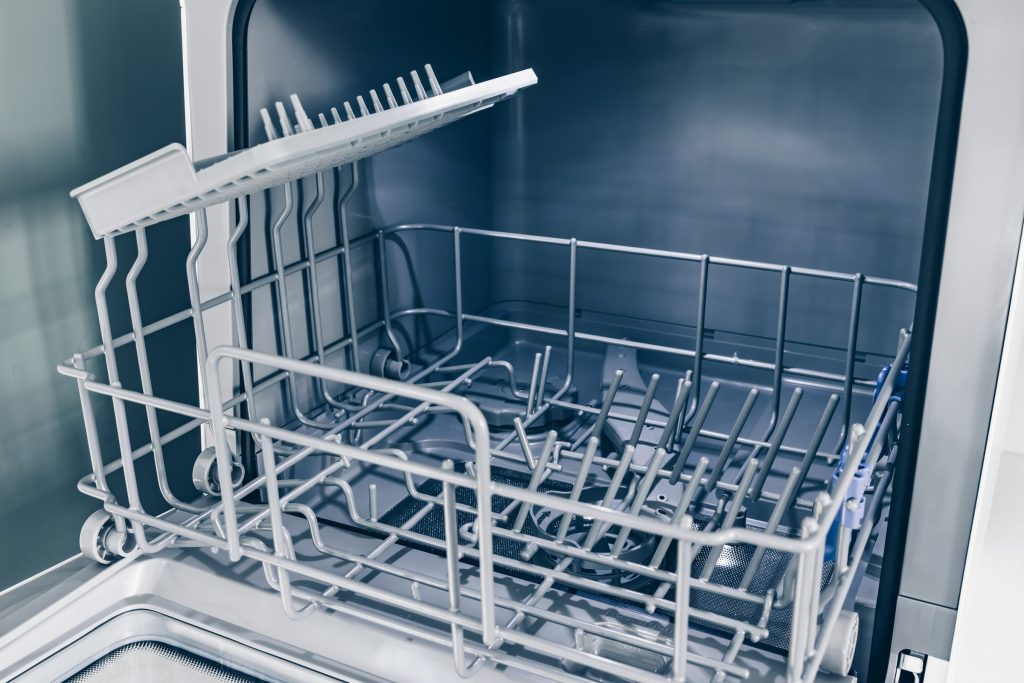
Water standing in the tub at the end of a cycle, or a machine that stops and will not restart. Three of the four usual causes are outside the appliance, which is why this visit starts at the sink rather than under the machine.
- The tub filter, air gap and disposal plug checked first
- Drain pump and check valve tested under load
- Leaks from underneath traced to the source, not mopped
-
Fully integrated · Panel-ready · Pocket handle · TriFecta · Third rack · 24" · 38–39 dBA Dishwashers
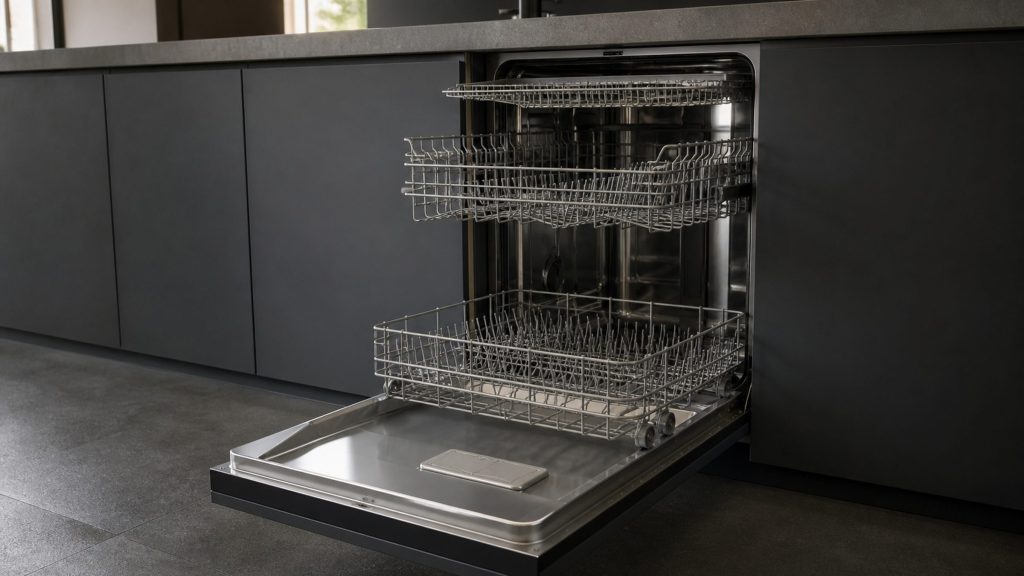
Ten machines, all of them 24 inches, all of them quiet enough that the loudest thing in the kitchen is the water. Fully integrated, panel-ready and pocket-handle fronts; a third rack for cutlery on most of the line. On the integrated machines the controls are hidden along the top edge of the door, which changes how a problem is diagnosed more than it changes the machine.
- A cycle that finishes with water still standing in the tub
- Dishes coming out gritty, or coming out wet
- A panel that will not respond, or a machine that will not start

Questions people ask about this
There is water in the bottom of my refrigerator.
That is almost always the defrost drain, iced closed, sending its meltwater into the cabinet rather than down the tube. It is a real repair and a small one, and it is worth doing before the water works its way out of the cabinet and into the base underneath — which is where it goes next.
How urgent is water under a built-in dishwasher?
Same day if you can. In a built-in kitchen the water reaches the cabinet base, the plinth and the floor before anybody sees it on the tile, and by the time it is visible it has usually been going on for a while. Shut the supply valve under the sink, put a towel down, and call.
It only leaks sometimes.
Then note what was happening each time — a particular cycle, a full load, the door closed a certain way, the ice maker running. Intermittent means a specific condition, and a leak somebody can reproduce is far easier to find than one described as occasional. That note is worth more than a photograph.
Is condensation the same thing as a leak?
No, and telling them apart saves a call. Water on the outside of a cold cabinet or a glass door in a South Florida August is warm humid air meeting a cold surface — physics rather than a defect. Water inside the cabinet, or water that appears while the appliance is running, is something else.
What is the diverter shaft seal?
A seal on the shaft that drives the wash diverter inside a dishwasher. On machines across this corporate group it has been reported to begin leaking four to six years after manufacture. It matters because the water arrives underneath rather than in the tub, so the wash cycle looks completely normal while a cabinet base gets steadily wetter. It is a real repair rather than a mystery, and it sits above the starting figure on our dishwasher page — which the page says rather than averaging it in quietly.
Safety & Risks
More guides like this one
-
Self-Clean Is the Hardest Thing Your Oven Ever Does to Itself
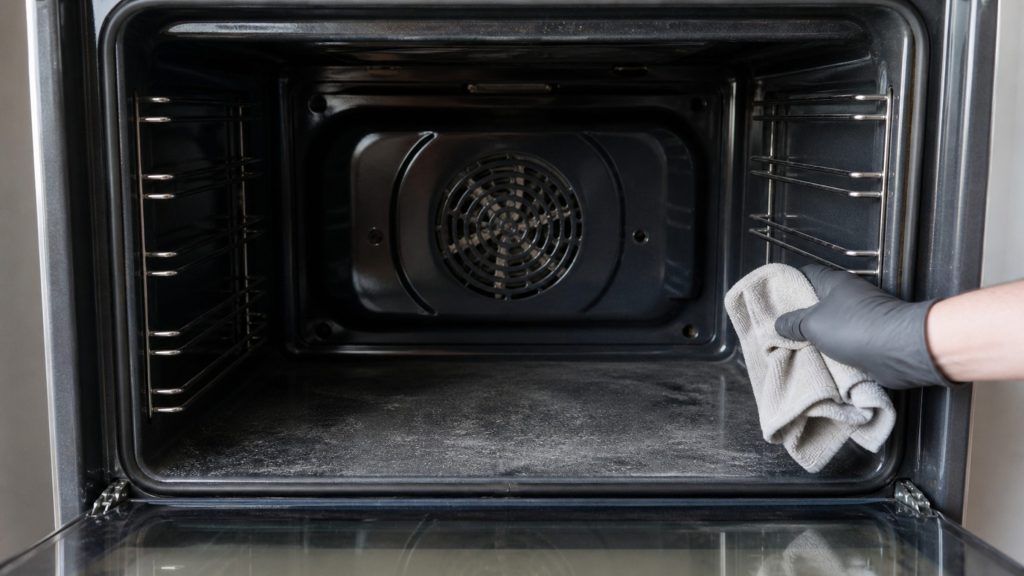
Repairs cluster around this cycle, and the two usual pieces of advice are "never use it" and nothing at all. Neither is right. Here is what the cycle actually does to the appliance, and why it tends to find problems rather than create them.
Read more -
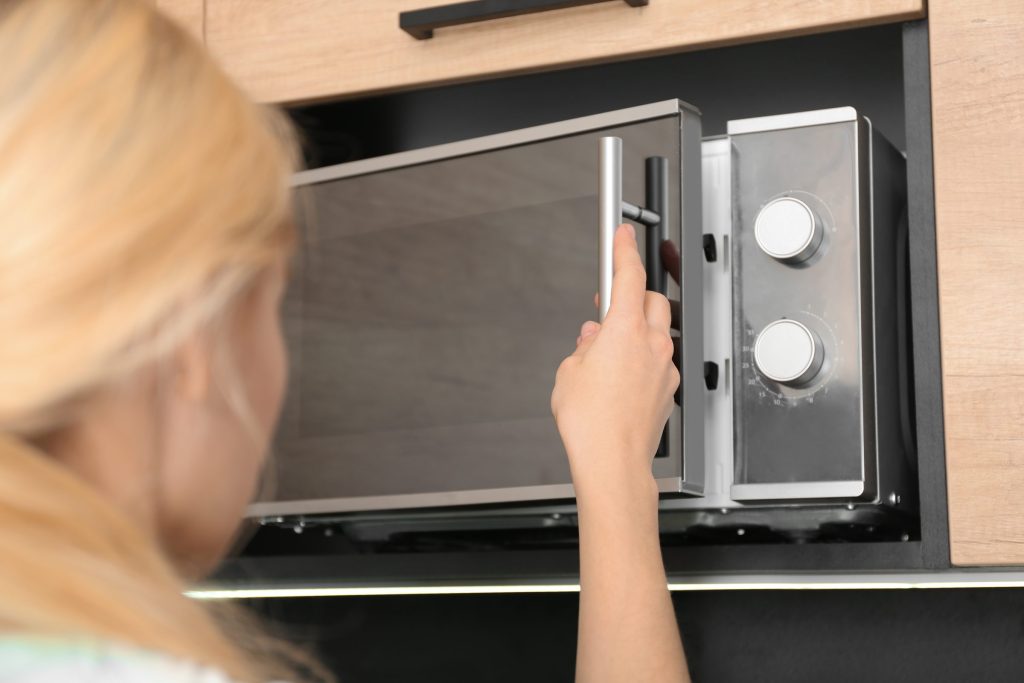
The One Kitchen Appliance You Should Not Open, Even With the Power Off
A microwave that runs, lights up and turns the plate but leaves the food cold is a common failure with a short diagnosis. It is also the one appliance in the kitchen where the advice is to stop rather than to look further, and there is a physical reason for that.
Read more -

Four Hours, Forty-Eight Hours: What Actually Survives an Outage
Asked more often on this site than almost anything that involves a broken machine, and in this city it comes up several times a season. The numbers are short, the instruction is shorter, and almost nobody follows it.
Read more
Tell us the model number and what it is doing.
This article is based on:
- Official manufacturer documentation
- Internal repair procedures
- Technician repair history
- Company quality standards