Appliance
JennAir dishwashers
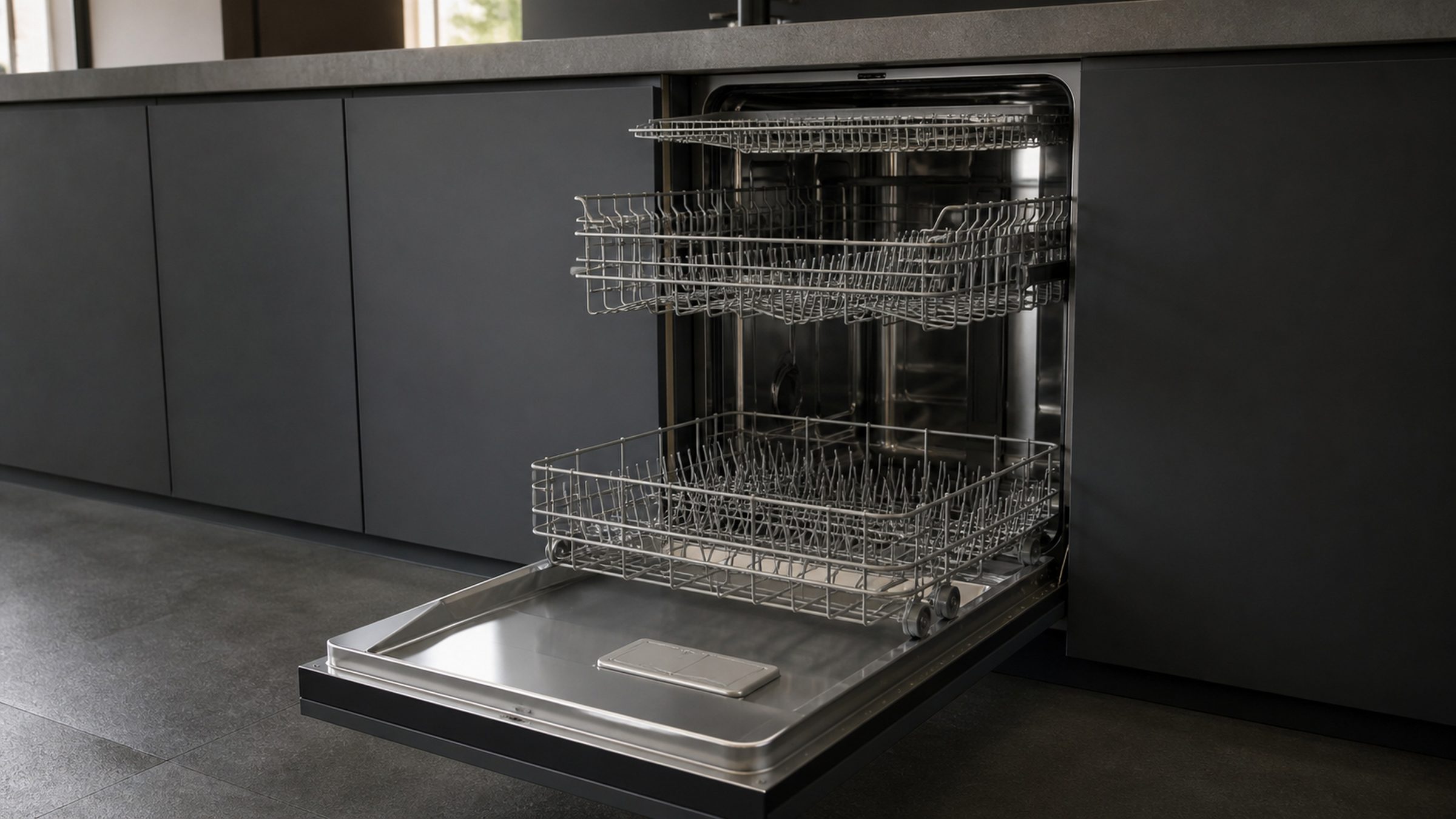
Ten machines, all of them 24 inches, all of them quiet enough that the loudest thing in the kitchen is the water. Fully integrated, panel-ready and pocket-handle fronts; a third rack for cutlery on most of the line. On the integrated machines the controls are hidden along the top edge of the door, which changes how a problem is diagnosed more than it changes the machine.
- 12 symptoms we are called out to
- From $95 diagnostic, credited to the repair
- 59 cities and neighborhoods covered
- OEM parts available on order
The short version
What this equipment is, for a repair
Configurations
Fully integrated · Panel-ready · Pocket handle · TriFecta · Third rack · 24" · 38–39 dBA
Access
Planned before the visit, not discovered on arrival
Parts
OEM, available on order
Diagnostic
From $95, credited to the repair
What goes wrong with it
Symptoms we are called out to on JennAir dishwashers
Each one covers the likely causes in the order they are worth checking, and what to do in five minutes before booking anything.
-
Water still in the tub Dishwasher will not drain
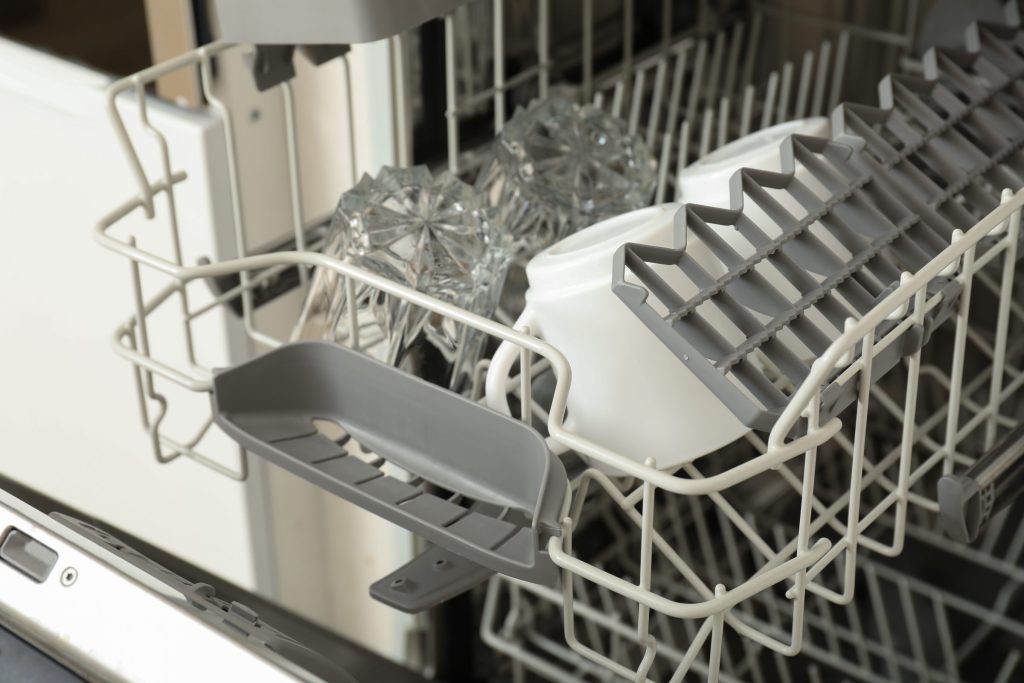
A cycle that finishes — or stops — with water standing in the bottom of the tub. Four of the five things that cause this are outside the machine or free to clear, which is why this one is worth ten minutes before it is worth a visit.
- Standing water at the end of every cycle
- You can hear the pump trying
- It drains if you run it again
-
Gritty, filmed, or dirty on one rack Dishwasher is not cleaning
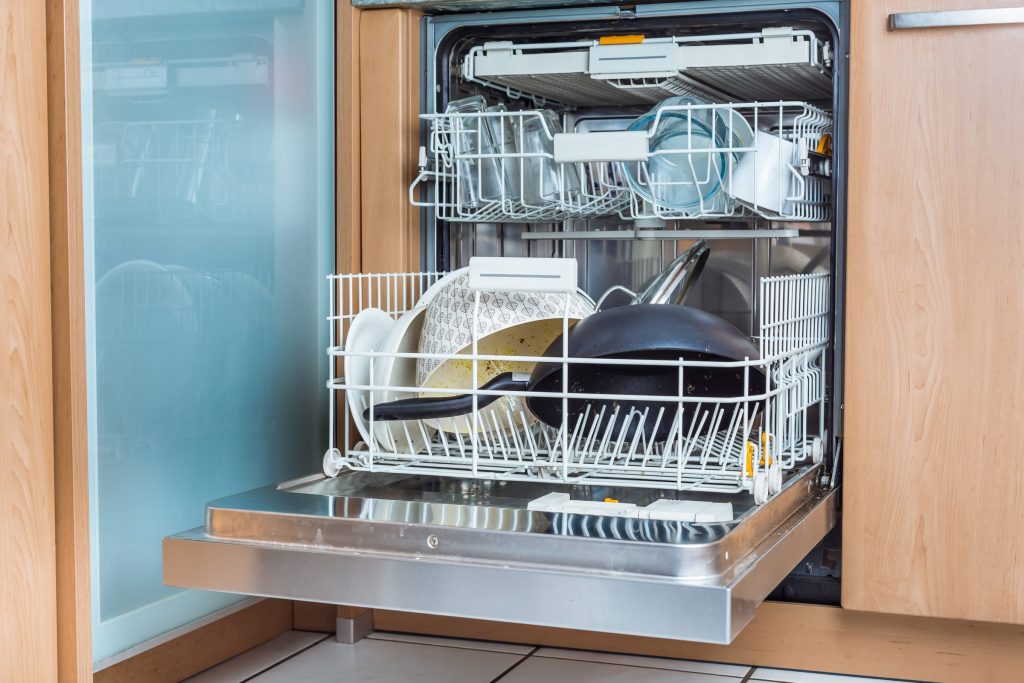
The complaint that most often ends without a part. Which rack is failing, and whether the film wipes off, are the two answers that decide almost everything — and both of them are free to establish.
- Grit left on the dishes after a full cycle
- A white film on glassware
- One rack clean and another not
-
Clean but wet Dishwasher is not drying
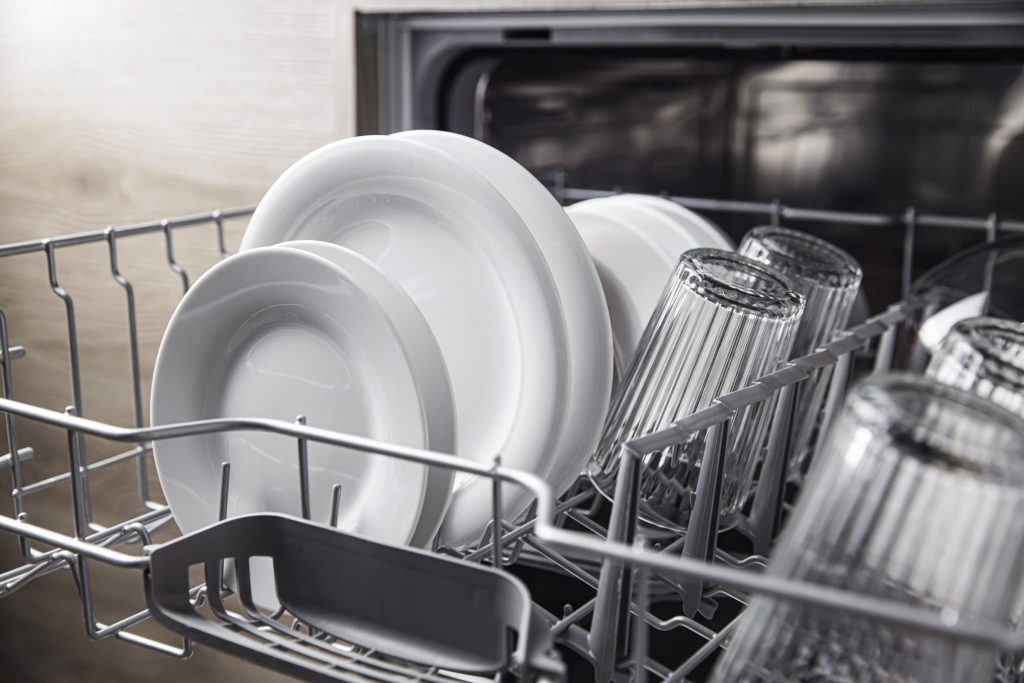
Everything comes out clean and everything comes out wet. On these machines that is usually not the heater — it is the rinse aid, the way the load is stacked, or the cycle that was actually run.
- Plastics wet and everything else nearly dry
- Water pooled in the bottoms of cups
- A whole load damp at the end
-
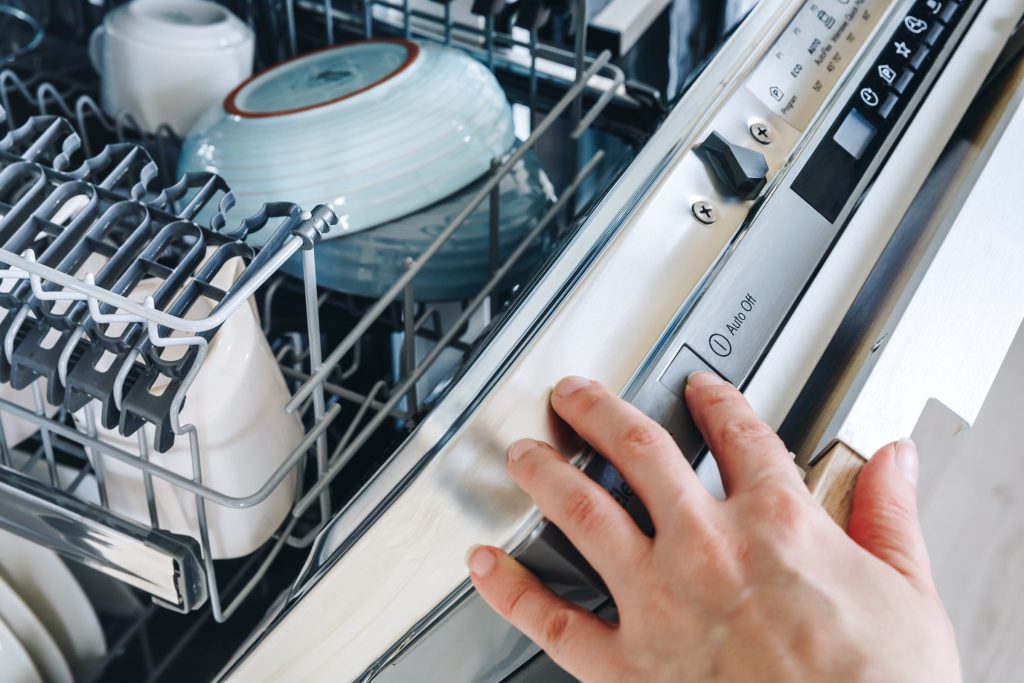
Nothing happens, or nothing responds Dishwasher will not start
A panel that ignores you, a machine that accepts a cycle and never begins it, or a completely dark front. On a fully integrated machine the controls are hidden along the top edge of the door, which is why so many of these are not what they look like.
- Buttons that do nothing when pressed
- A cycle selected that never starts
- A front with no sign of life at all
-
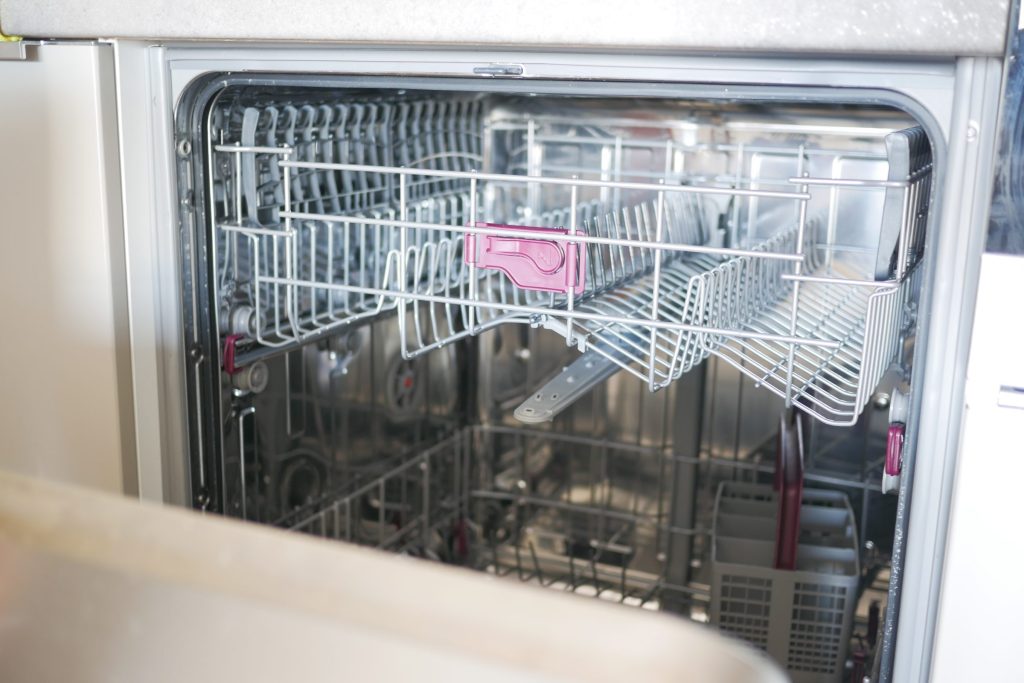
The cycle runs dry Dishwasher is not filling
A machine that starts, makes the right noises and never puts any water in — or puts in so little that nothing gets clean. Half of this is under the sink rather than in the appliance.
- A cycle that runs with no water sound at all
- Filling very slowly, and washing badly as a result
- An error after a few minutes of trying
-
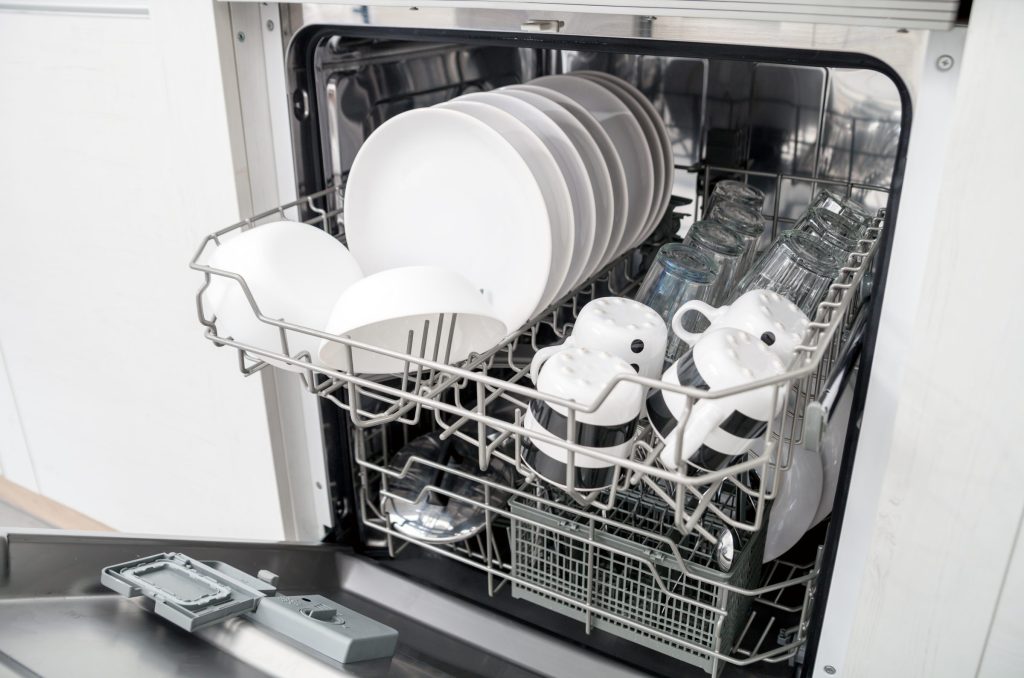
And it is almost never the machine The dishwasher smells
A smell that meets you when you open the door. It is one of the few complaints on this site where the answer is almost always something you can do yourself in twenty minutes.
- A stale smell every time the door opens
- Worse after the machine has stood a few days
- A smell that comes back within a week of cleaning
What we do on it
Repairs we carry out on JennAir dishwashers
Starting figures for this equipment in South Florida. The exact cost is confirmed after an on-site diagnostic — and this is not the whole list of what can go wrong, so call if your problem is not here.
-
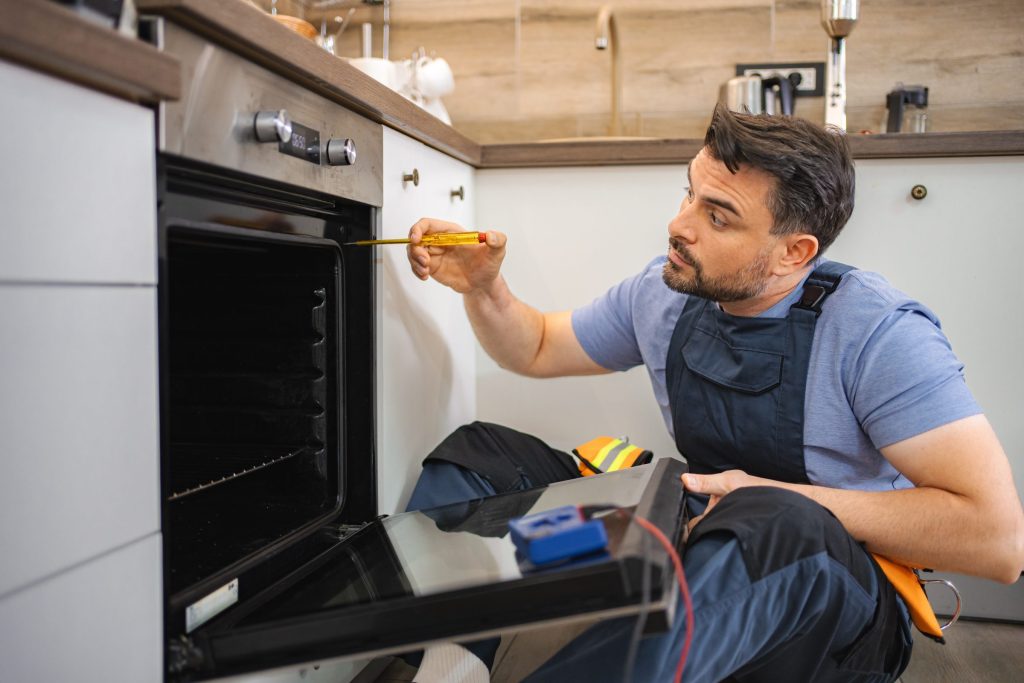
from $95 Diagnostic visit
We read what the appliance is reporting, then measure before saying anything about the repair. On a built-in kitchen that also means working out how the appliance comes out before anybody touches it. The fee is credited toward the work when you go ahead.
- The code read on site, and the free causes ruled out first
- Measured rather than guessed
- Credited toward the repair
-
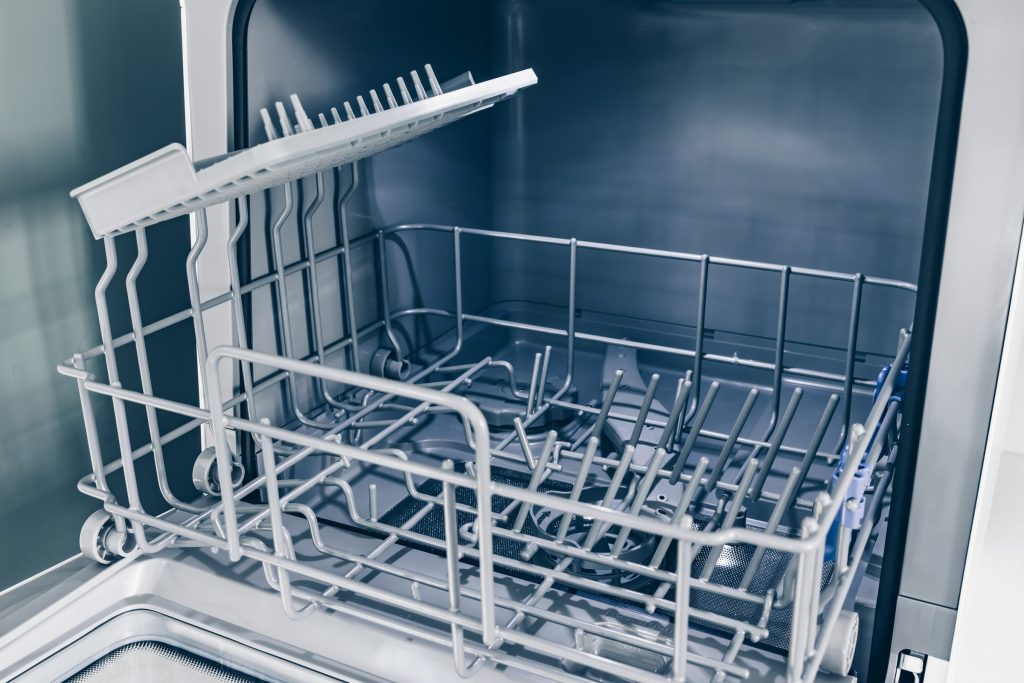
from $175 Dishwasher drain & pump repair
Water standing in the tub at the end of a cycle, or a machine that stops and will not restart. Three of the four usual causes are outside the appliance, which is why this visit starts at the sink rather than under the machine.
- The tub filter, air gap and disposal plug checked first
- Drain pump and check valve tested under load
- Leaks from underneath traced to the source, not mopped
-
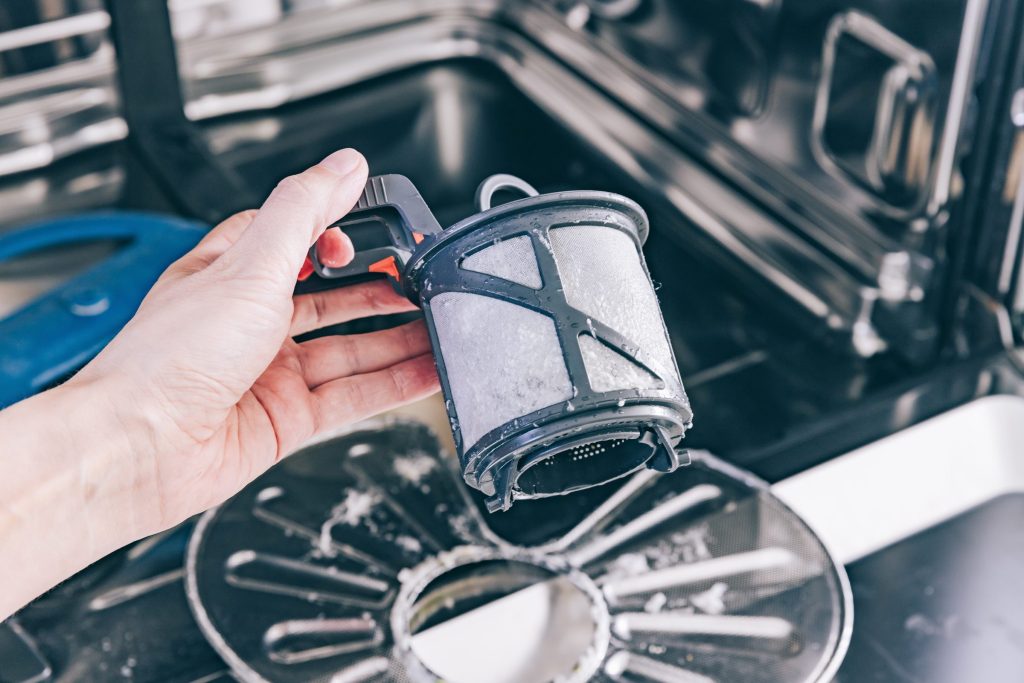
from $145 Dishwasher wash & filter service
Dishes coming out gritty, filmed or still dirty on one rack. This is the repair that most often ends without a part — and the one where South Florida water is doing more of the work than anything mechanical.
- Filter, spray arms and jets cleared and checked turning
- Wash pressure proved rack by rack
- Rinse aid and detergent set for this water
-
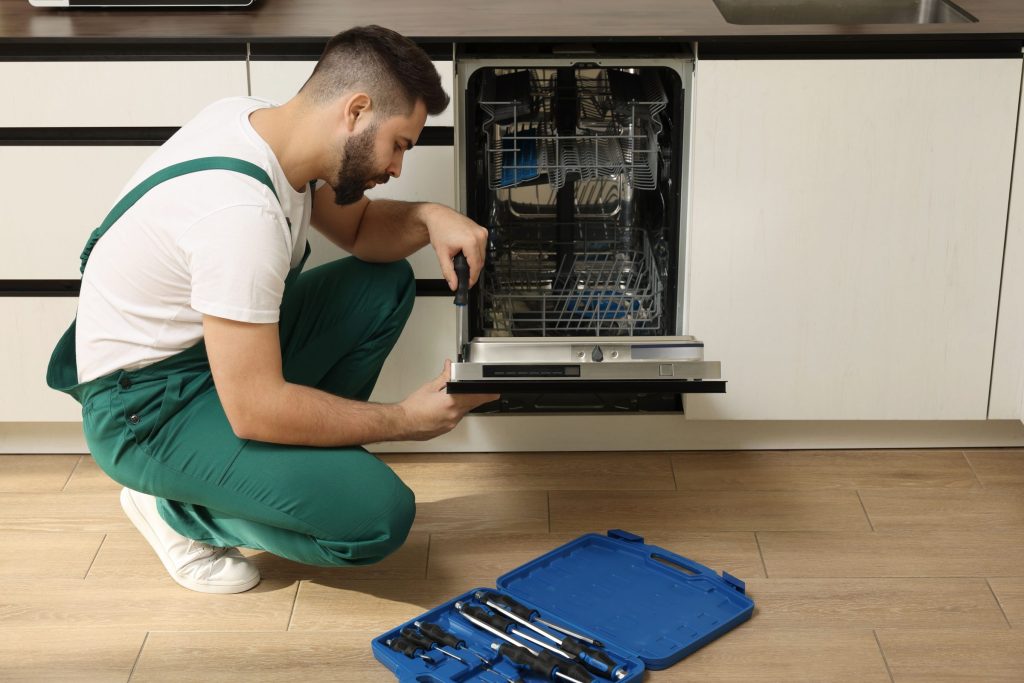
from $195 Dishwasher control & door repair
A panel that will not respond, a machine that will not start, or a heavy paneled door that has stopped closing square. On a fully integrated machine the controls are hidden along the top edge, which changes how any of this is diagnosed.
- Panel and board told apart before anything is ordered
- Door springs, cables and latch checked under the panel's real weight
- Alignment set with the cabinet front back on
-
from $175 Appliance maintenance
One visit covering every filter, condenser, seal, grille, duct and descale in the kitchen. This row exists to keep the $695 row away, and in a house with a full suite from one maker it is the cheapest money on this site.
- Every appliance in the kitchen on one visit
- Second and third appliance far cheaper than the first
- Written down, so next year starts from a record
-
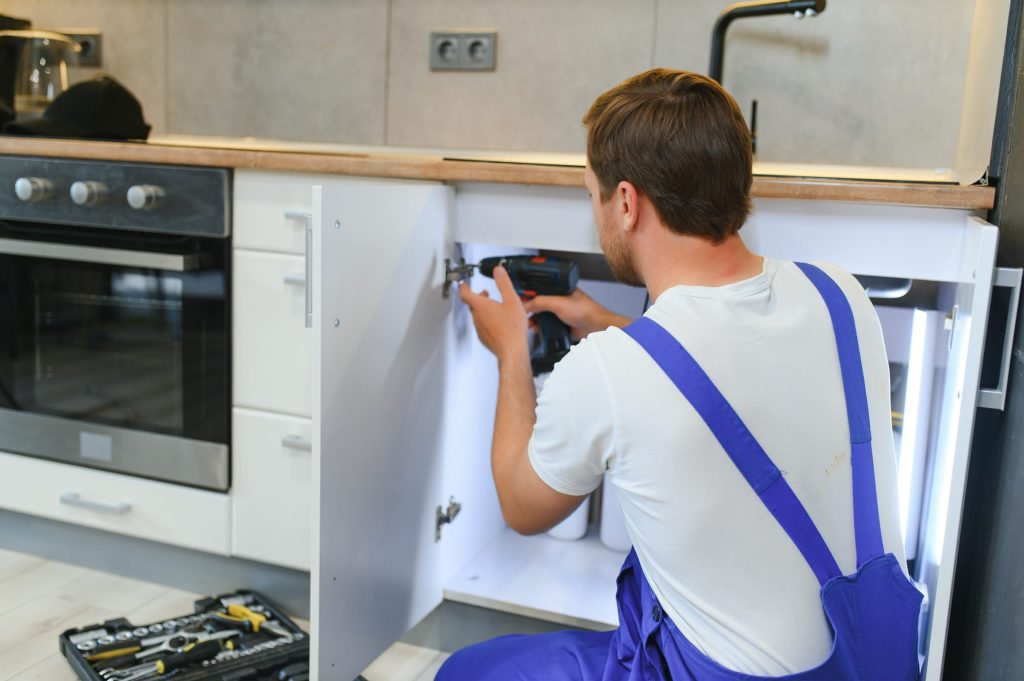
from $225 Appliance installation
Built in, paneled, or both — which is nearly everything on this make. Hanging a cabinet door on an appliance and aligning it to a run is not the same work as sliding something into a gap, and this is where a meaningful share of the repairs on this site are prevented or created.
- Clearances and ventilation to the maker's own instructions
- Cabinet panels hung, aligned and left square
- The mistakes that become service calls, avoided at the start
In more detail
About JennAir dishwashers
Ten machines, one width
Every dishwasher in the current line is 24 inches, built in, with a stainless tub, three wash arms, a removable filter and a third rack. Sound ratings run 38 to 39 decibels. The visible differences are the front — fully integrated with the controls hidden along the top edge, panel-ready for your own cabinetry, or a pocket handle — and the racking, where the maker's own names are Precise Fit and the culinary basket. Underneath, a repair on one is a repair on all of them.
What actually goes wrong
- Water not leaving. Filter, air gap, disposal plug, drain hose loop, then the pump. Most of that list is outside the appliance.
- Water not arriving. The supply valve under the sink, the inlet valve and its screen, and the house pressure. A machine that fills slowly runs long and washes badly before it ever reports anything.
- The control panel. Unresponsive pads and a panel that lights but will not start are two different repairs, and on an integrated machine you have to open the door to tell them apart.
- The door. Springs and cables carrying a heavy paneled door, and a latch the machine will not start without.
- The heater circuit and its sensor, which is what a cycle that never reaches temperature comes down to.
- Leak detection, which on these machines can shut the appliance down on purpose. A machine that has stopped and will not restart may be protecting your floor rather than failing.
Hard water, and what it does here
Groundwater from the Biscayne Aquifer is hard, and both Miami-Dade and Broward soften it at the plant before it reaches you — so the number at your tap is worth knowing rather than guessing. What hardness does to a dishwasher is film on glassware that reads as a wash failure, and scale on the heater. The answers are a higher rinse-aid setting, a tablet rather than a gel, and a dishwasher cleaner run periodically. None of that is a breakdown and all of it is preventable.
Quiet machines and the noises that matter
At 38 decibels you can hear things you would never hear on a louder appliance, and most of them are normal — the drain pump, the detergent door, the wash arm passing a tall item. What is worth reporting is a grinding, a rhythmic knock, or a new hum that runs through the cabinetry, because those are the ones that are usually telling you something.
What to have ready when you call
The model number from the edge of the door, visible only when the door is open, whether there is standing water in the tub right now, and whether the front is a factory panel or your own cabinetry.
This article is based on:
- Official manufacturer documentation
- Internal repair procedures
- Technician repair history
- Company quality standards
Before you book
Questions about JennAir dishwashers
Where is the filter, and does mine have one?
It does — this line uses a removable filter rather than a grinder. It sits in the floor of the tub under the lower rack and comes out by hand: a quarter turn on the cylinder, then the flat screen underneath lifts out. It wants rinsing under a tap every month or two on this water. A blocked filter shows up as gritty dishes long before it shows up as anything more serious, which is why a good number of "not cleaning" calls end at the sink rather than with a part.
Everything is clean and nothing is dry.
Usually not the heater. These machines dry with heat and airflow rather than by baking the load, and three things account for most of it: an empty rinse-aid reservoir, plastics stacked flat enough to hold a puddle, and a cycle that did not include the drying option in the first place. All three are free to check before anybody comes out.
It will not drain and I can hear it trying.
Then the pump is running and something is in its way. In order: the tub filter above, the air gap on the counter if there is one, the disposal knockout plug if the dishwasher was installed after the disposal, and the drain hose loop under the sink. Three of those four are outside the machine, and the last one is a repair.
My glasses come out cloudy and it will not wash off.
That is almost always water rather than the machine, and the two kinds look different. A film that wipes off with vinegar is hard-water deposit and the answers are more rinse aid, a tablet detergent and a periodic dishwasher cleaner. A cloudiness that does not come off at all is etching, which is permanent and is caused by soft water and too much detergent — the opposite problem. Worth telling the two apart before spending anything.
The front is a cabinet panel. Does that complicate things?
Only at the start and the end of the visit. A panel-ready or fully integrated machine has your cabinetmaker's door on it, and that comes off before the machine comes out and goes back on aligned afterwards. It is worth saying when you book so the time is planned. It also means a door that has started to sit crooked may be the panel hardware rather than the appliance, which is a much smaller job.
Where we do it
Across Miami-Dade, Broward, and Palm Beach
Same terms everywhere we go: an on-site diagnostic first, the price agreed in writing, and the exact figure confirmed once we have seen the unit.
Neighborhoods people ask for by name