
Cost Expectations
Why a Built-In Repair Costs More, and Why It Is Not the Badge
The part on a premium built-in appliance is frequently the same part a mass-market machine uses, from the same supplier, at the same price — these are the same corporate group's components in a different cabinet. What changes the figure is the access. A column fitted into cabinetry that was cut to it, often secured to the surround with the water line and the electrical connection behind, takes time to reach and time to put back correctly, and on a panel-ready door there is a custom panel to remove and realign around the work. That is the honest explanation for why the same fan costs more to change here than in a freestanding kitchen. What we will not do is price a job higher because the appliance was expensive. And the class of machine cuts in the owner's favor too: replacing a built-in column is a cabinetry job as well as a purchase, which frequently makes a repair sensible on a machine where a freestanding equivalent would be written off.
The full guide
The appliance repair cost sentence we will not write
Pages about what a repair costs are usually written to justify a number that has already been decided. This one is written the other way round, and it starts with the thing we are not going to do.
We do not price a job by the badge on the door.
A figure set higher because the appliance was expensive is a figure set by what somebody can probably afford. That is not how this site is priced, and if it were, this paragraph would be the first thing to go.
What does move the figure on a JennAir is the access rather than the badge: almost nothing in this line stands on the floor, so a part that costs the same as anybody else's sits behind a panel, a housing or a column that has to come out first.
What the Part Actually Costs
Here is a fact the industry does not advertise.
JennAir, KitchenAid, Whirlpool, Maytag and Amana are one corporation. They share a control platform — that is why the error codes are shared — and they share a great many components with it. The evaporator fan in a premium built-in column and the one in a mass-market refrigerator are frequently the same part, from the same supplier, at the same price.
So when a repair on a premium machine costs more than the same repair on an ordinary one, the difference is usually not in the box the part came in.
What Actually Drives the Figure
It is the access, and on this equipment that is not a small detail — it is most of the appointment.
Almost nothing this maker builds stands on the floor. Refrigeration is columns and built-in cabinets. Every dishwasher is integrated. Wine cellars and ice machines are undercounter. Cooktops are set into stone.
That means:
The appliance is in an opening cut to it. Not a gap it was slid into — an aperture sized to the machine, frequently with the cabinetry built around it after installation.
It is often secured to the surround. Brackets, screws into the cabinetry, anti-tip fixings.
The connections are behind it. A water line, an electrical connection, sometimes a drain. None of them reachable from the front.
On a panel-ready door there is a custom panel. Heavy, made by your cabinetmaker, and it comes off before some jobs and goes back afterwards — aligned to the doors either side, gaps even, sealing all the way round.
Reaching a part that costs eighty dollars can genuinely be most of a visit. That is the honest sentence, and we would rather it appeared on the estimate as time than disappeared into a larger number with no explanation.
Why There Is No Price on the Phone
Because the same complaint has causes that sit hundreds of dollars apart.
"The refrigerator is not cooling" is one sentence and at least four different repairs: an evaporator fan, a defrost component, a control board, or the sealed system. They are not close to each other in cost, and nothing said on a telephone distinguishes them reliably.
A company that names a final figure before seeing the appliance is doing one of two things: guessing, or quoting the expensive answer so it is never wrong. Both leave the customer worse off.
What you get instead:
- A starting figure for each job, published on this site, for this equipment, in this region.
- A diagnostic on site, from $95, credited toward the repair if you go ahead.
- The scope and the price in writing before anything is opened.
- A plain answer when the repair approaches the value of the appliance.
The Part That Works In Your Favor
Built-in equipment costs more to reach. It also changes the replacement arithmetic, and that cuts the other way.
When a freestanding machine needs an expensive repair, the comparison is simple: repair against a new appliance. Often the new appliance wins.
On a built-in, the comparison is repair against a new appliance plus whatever the cabinetry needs to accept it. A replacement has to match on width, depth, height, trim system and door swing. If it does not — and across a redesigned product line it frequently does not — the cabinetry has to be modified, and that is joinery in a kitchen where the joinery may be the most valuable thing in the room.
The practical result: repairs that would be marginal on a freestanding machine are often clearly worth doing here. A column that would be written off if it stood on the floor is worth fixing when replacing it means a cabinetmaker.
We work that comparison out before recommending anything, and we tell you the replacement side of it even though we do not sell appliances.
What South Florida Changes
Not the price. The frequency.
Salt air, humidity for most of the year, and a storm season that cycles the power are hard on particular things: condensers that clog faster, igniters that corrode, control boards that meet surges, door seals that work against warm wet air every time they are opened. The manufacturer's own warranty document excludes damage from "high salt concentrations, high moisture or humidity" — the maker describing a coastal kitchen on its own paper.
You do not pay more per part for living here. You simply meet some of these repairs sooner than you would somewhere temperate, which is an argument for the two free maintenance jobs on this site rather than for anything we sell.
What You Should Expect From Anybody
Whoever you call, including us:
- a diagnostic fee stated up front, and whether it comes off the repair;
- a written scope and figure before work starts;
- a plain statement when a repair is not worth doing;
- no final price quoted before seeing the machine;
- a straight answer about warranty — if your appliance is still inside the maker's two years, the right call is theirs and not ours.
If a company will not do those five things on the phone, that is information about the company rather than about your appliance.
If it turns out to be a repair
What this leads to, and what it costs
Every job on this site is priced the same way: an on-site diagnostic first, the figure agreed in writing before anybody starts.
-
from $95 Diagnostic visit
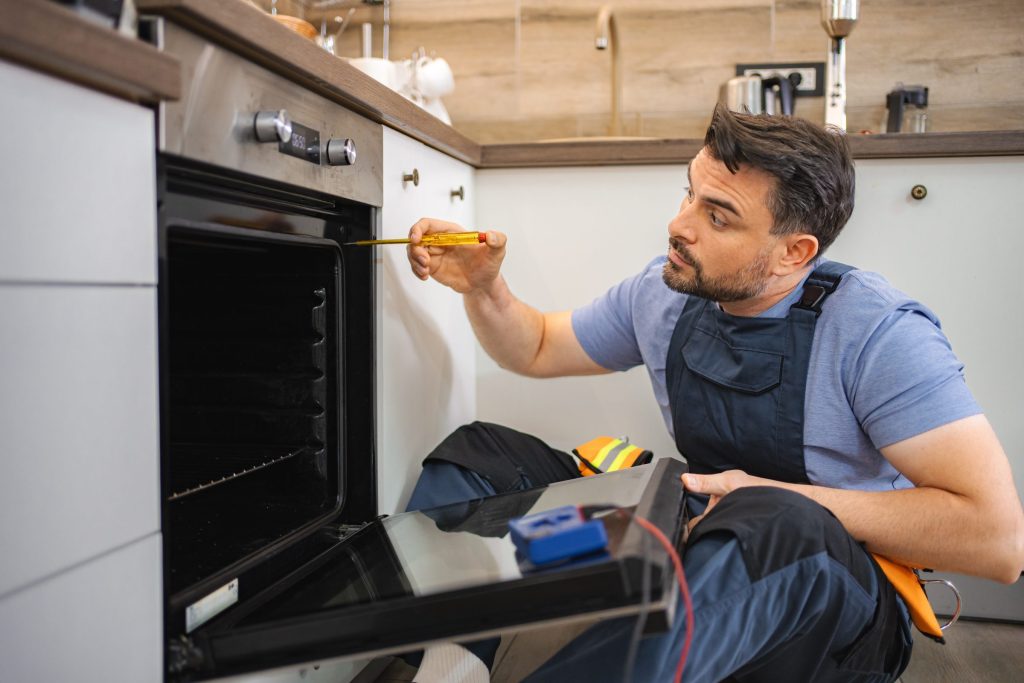
We read what the appliance is reporting, then measure before saying anything about the repair. On a built-in kitchen that also means working out how the appliance comes out before anybody touches it. The fee is credited toward the work when you go ahead.
- The code read on site, and the free causes ruled out first
- Measured rather than guessed
- Credited toward the repair
-
Built-in · Column · French door · Undercounter · Drawers · Beverage centers · 18"–48" Refrigerators
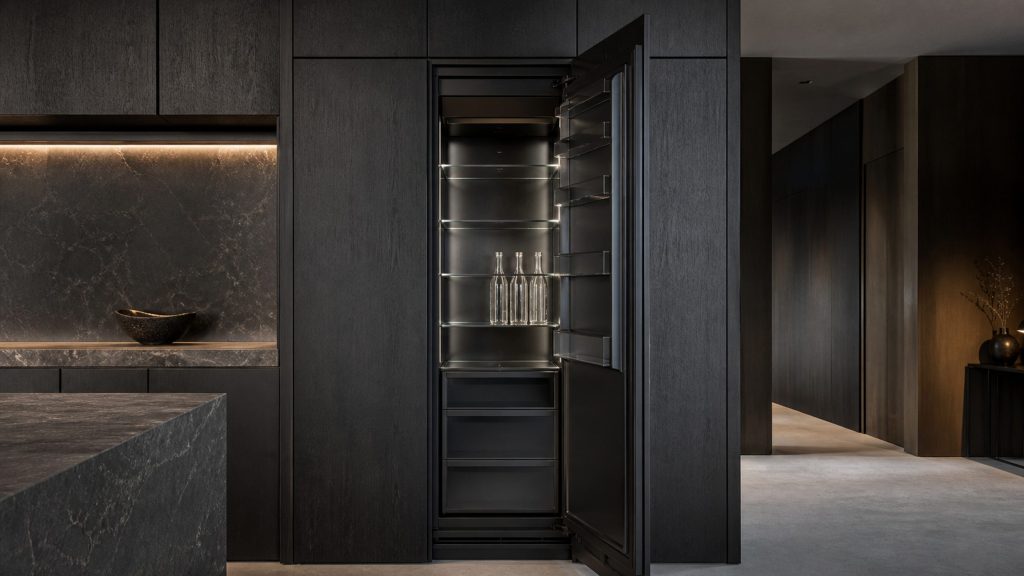
The largest row in this line and the one this phone rings about most. Built-in cabinets and panel-ready columns from 18 to 48 inches, French door, the undercounter units that live in an island or a bar run, refrigerated drawers and beverage centers. Most of them are trimmed into your cabinetry, which is the first thing we need to know.
- The refrigerator drifting warm while the freezer holds
- Water on the floor, or ice building where it should not
- A cabinet running constantly and never quite getting there
Questions people ask about this
Do you charge more because it is a premium brand?
No, and we would rather state it flatly. A figure set by the badge on the door is a figure set by what somebody can afford rather than by what the work costs, and that is not how this site is priced. What genuinely differs is access time on built-in equipment, and that is visible on the estimate as time rather than hidden inside a bigger number.
Then why is the estimate higher than the one my neighbor got?
Almost always because their machine stands on the floor and pulls forward. A column is fitted into an opening cut to it, is frequently secured to the surround, and has its water and electrical connections behind. Reaching a part that costs eighty dollars can be most of an appointment, and on a panel-ready door there is a custom panel to take off and put back aligned. Same part, different building.
Why will you not quote a final price on the phone?
Because the same symptom has ordinary causes that sit hundreds of dollars apart and only the appliance settles which is yours. A refrigerator that is not cooling might be a fan, a defrost component, a control board or the sealed system, and any company that names a final figure before seeing it is either guessing or quoting the expensive one to be safe. We give a starting figure per job and the real number after the diagnostic, in writing, before anything is opened.
Is the diagnostic wasted money if I decide not to repair?
You pay it and nothing else, and you leave knowing exactly what is wrong, what it would cost, and whether the machine is worth it. That is a real thing to have — particularly if the next conversation is with somebody selling you a replacement. If you do go ahead, the diagnostic comes off the bill.
When do you tell somebody not to repair?
When the repair approaches the value of the appliance, and we would rather say that than quote it. What is different on built-in equipment is that the comparison is not repair against a new appliance — it is repair against a new appliance plus whatever the cabinetry needs to accept it. That arithmetic saves a lot of good machines that would have been written off in a freestanding kitchen.
Does South Florida make appliances more expensive to run or repair?
It makes some failures more common rather than more expensive. Salt air, humidity nine months a year and a storm season that cycles the power are hard on condensers, igniters, control boards and door seals — the manufacturer's own warranty exclusion names high salt concentrations and high humidity in as many words. The parts cost what they cost; you simply meet some of them sooner here than you would elsewhere.
Cost Expectations
More guides like this one
-
The Door on Your Refrigerator Belongs to Your Cabinetmaker
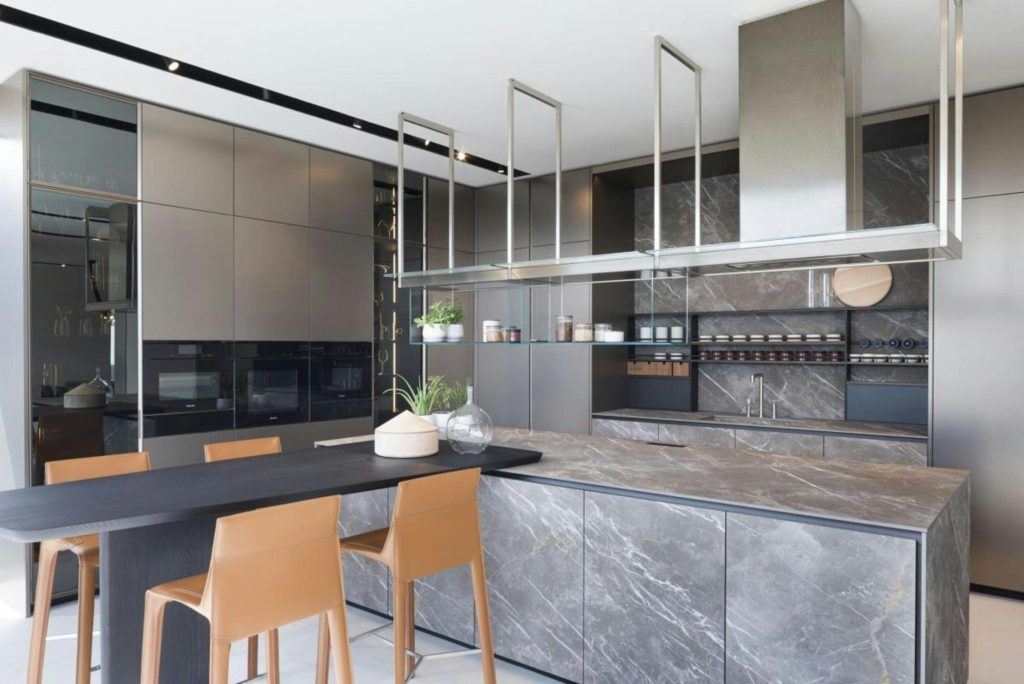
Thirty-six of the sixty-five refrigeration models this maker currently sells are panel-ready, and so are most of the dishwashers and wine cellars. Two things follow that nobody explains before you own one, and both of them show up on the invoice.
Read more -

The Cartridge Cooktop in Your Nineties Kitchen Is Probably Still Repairable
A grill module that lifts out and a two-burner cartridge that drops in its place. This maker built them for decades, there are a great many still working in South Florida, and the honest answer about parts has two halves.
Read more -

Two Years Parts and Labor, Ten on the Sealed System. Check Before You Pay Anyone
This is a page that may send you somewhere else, on a site that makes its living from repairs. We would rather write it than take a call for work somebody else is obliged to do for nothing.
Read more
Tell us the model number and what it is doing.
This article is based on:
- Official manufacturer documentation
- Internal repair procedures
- Technician repair history
- Company quality standards