Cost Expectations
The Door on Your Refrigerator Belongs to Your Cabinetmaker
A panel-ready appliance is built to accept a custom door front made by whoever built your kitchen, so that the machine disappears into the run of cabinetry. Two consequences follow. First, on some repairs the panel comes off before work starts and goes back afterwards, aligned to the doors either side of it — that is planned, deliberate time, and it is the honest reason a repair on a built-in costs more than the same repair on a freestanding machine. Second, and much more usefully: a whole class of problem on these appliances is not the appliance at all. Custom panels are heavy, they hang on hardware, and hardware works loose over years of daily use. A door that has started to sit crooked, catch, or seal poorly at one corner is very often a panel that has dropped a few millimeters — and that is an adjustment rather than a repair, at a fraction of what people brace themselves for.
The full guide
A Jenn Air fridge built in behind a custom panel: what panel-ready actually means
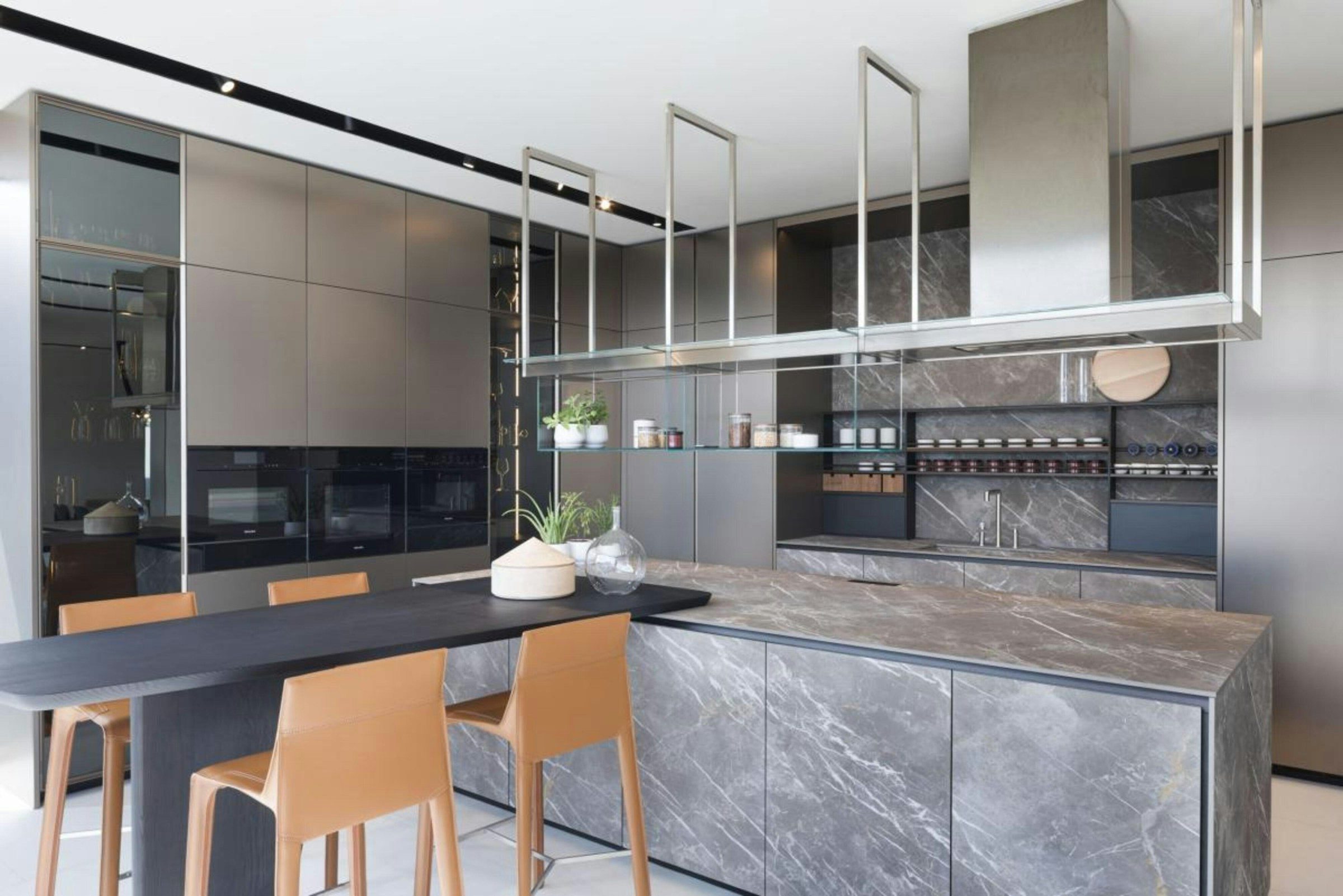
A panel-ready appliance arrives without a finished front. In place of the stainless door you would see on a showroom floor, it has a frame and a fixing system designed to accept a custom panel — a door front made by the same people who made the rest of your kitchen, in the same timber, with the same handle.
Done well, the result is a kitchen where the refrigeration, the dishwasher and the wine cellar are invisible. That is the point, and on this make it is close to the default: thirty-six of the sixty-five refrigeration models currently sold are panel-ready, along with most of the dishwashers and every wine cellar and undercounter ice machine.
In a South Florida kitchen there is a second consequence nobody mentions at the showroom: a solid timber panel moves with the humidity, and a panel that swelled through August is a panel whose gaps changed without anything failing.
It also means the door you touch every day was not made by the manufacturer of the appliance behind it. Two things follow from that, and neither is usually mentioned before you own one.
Consequence One: Some Repairs Have an Extra Step
Certain jobs cannot start until the panel is off.
Anything at the door itself — a gasket, a hinge, an alignment, a door switch — begins with removing a heavy custom front, and finishes with putting it back aligned. Not just refitted: level with the panels either side of it, gaps even top and bottom, swinging cleanly, and sealing all the way round when it closes.
That is careful, unhurried work, and it is time on the invoice.
We would rather write it on the estimate than hide it inside a bigger number. An owner who does not know that step exists has every right to wonder why the same gasket costs more on their machine than on their neighbor's freestanding one. The part is the same. The two jobs bracketing it are not.
The same logic sits behind the sentence on our front page about this equipment: the part is usually ordinary and the access is the appointment.
Consequence Two: A Whole Class of Problem Is Not the Appliance
This is the half worth knowing, because it works in your favor.
A custom panel is heavy. On many installations it is solid timber with substantial hardware holding it to the appliance door. That assembly gets opened ten or twenty times a day, for years, and hardware under repeated load works loose. Slowly, invisibly, and without anything failing.
When a panel drops even a few millimeters, the effects look exactly like appliance problems:
- the door sits crooked, or the gap along the top has gone uneven;
- it needs a push at the end of its travel, or does not close on its own from an inch open;
- the seal has stopped gripping at one corner — which produces condensation, frost, and a cabinet working harder than it should;
- the door catches on the one beside it;
- on a dishwasher, the door falls open instead of holding its position.
Every one of those reads as a failing appliance and is an adjustment.
So before assuming the machine is in trouble, look at the panel itself:
- Does it sit level with the panels either side, and with its partner on a column pair?
- Have the gaps at the top, bottom or handle side changed?
- Is there any movement in the panel when you take hold of it and push gently?
- Did this appear gradually — panels loosen slowly, appliances usually fail suddenly?
If any of those points at the panel, say so when you call. It changes what we bring and it frequently changes the size of the job.
The Dishwasher Version, Which Is Its Own Thing
A panel-ready dishwasher has a complication the refrigeration does not.
A dishwasher door is balanced. Springs or cables hold it so it stays where you leave it rather than dropping to the floor, and that balance is set for a particular door weight. Add a custom panel heavier than the machine expects — or lighter, which also happens — and the balance is wrong.
The symptoms are familiar to anyone who has one:
- the door falls open rather than holding halfway;
- it takes real effort to lift it closed;
- it slams the last few inches;
- over time, the hinges and the cabinetry either side take the punishment.
That is a spring, a cable or a balance adjustment. It is not electrical, it is not a control board, and it is entirely fixable. It is also the single most common non-electrical complaint on a panel-ready dishwasher.
What This Means When You Buy
Not a warning against panel-ready — it is a good choice and most people who make it would make it again, and it is why so much of what we do in Miami is JennAir refrigeration: this is a market of built-in kitchens, and a panel-ready line is what goes into them. Just three things worth knowing:
Keep your cabinetmaker's number. The boundary between appliance and joinery runs through the panel, and occasionally something is genuinely theirs: damaged timber, a refinish, a panel that needs remaking.
Know your model numbers. On a panel-ready machine the badge is behind the door, so the number is not somewhere you can glance at. Photograph the plate once and keep it; every conversation with anybody about that appliance starts with it.
Do not ignore a door that has started behaving differently. A panel that has begun to drop keeps dropping, and every day it does, the seal is doing less of its job and the appliance is doing more of the work. Caught early it is an adjustment. Left long enough it is a gasket, a hinge, and a cabinet that has been running hard for a year.
If it turns out to be a repair
What this leads to, and what it costs
Every job on this site is priced the same way: an on-site diagnostic first, the figure agreed in writing before anybody starts.
-
from $165 Door, gasket & alignment repair
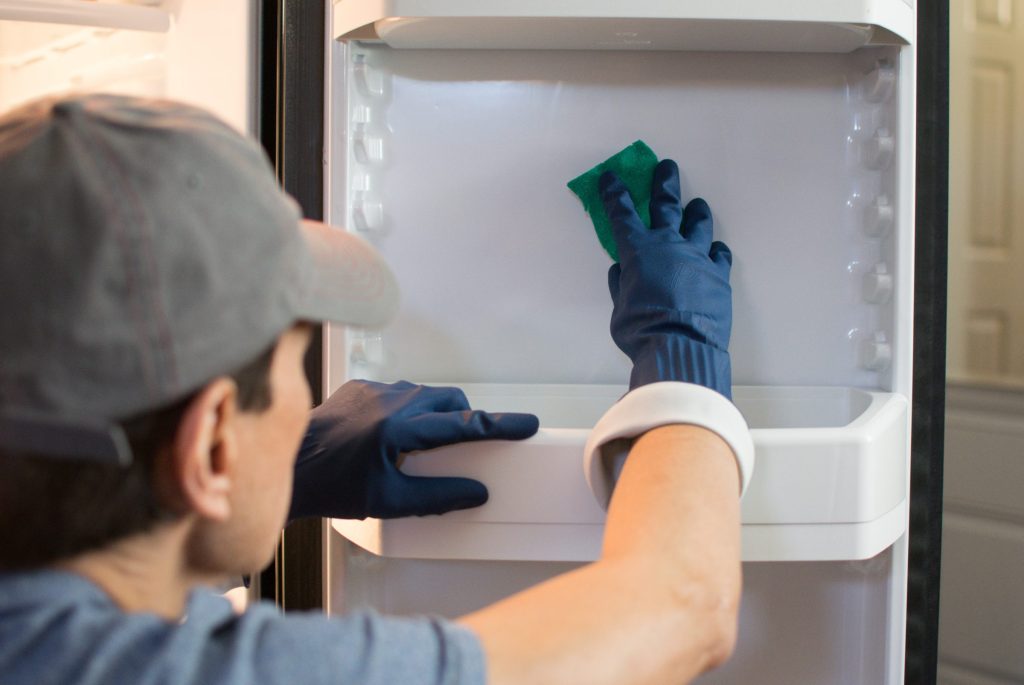
The cheapest thing on the refrigeration list and the one that imitates the most expensive. A tired seal produces a cabinet that will not hold temperature, condensation, and a compressor running far longer than it should. On this make it is often the cabinet panel rather than the appliance.
- Seal checked along its whole length, not eyeballed
- The cabinet panel and its hardware ruled in or out first
- Hinges and closing set with the real door weight on them
-
from $225 Appliance installation
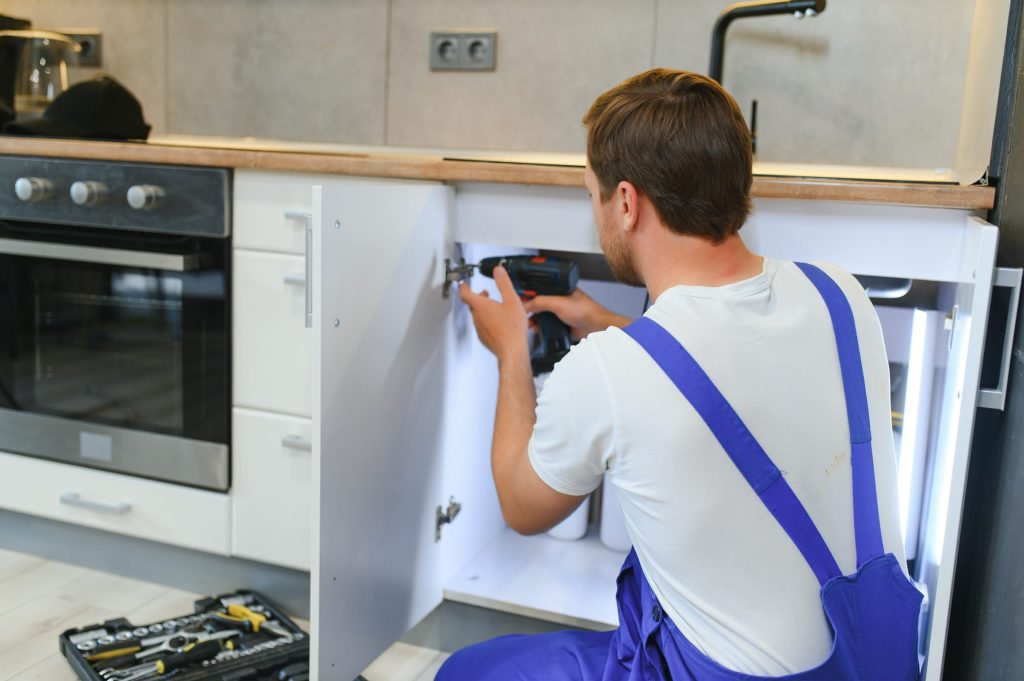
Built in, paneled, or both — which is nearly everything on this make. Hanging a cabinet door on an appliance and aligning it to a run is not the same work as sliding something into a gap, and this is where a meaningful share of the repairs on this site are prevented or created.
- Clearances and ventilation to the maker's own instructions
- Cabinet panels hung, aligned and left square
- The mistakes that become service calls, avoided at the start
Questions people ask about this
Why does a repair cost more on a panel-ready machine?
Because two extra jobs bracket the actual repair. The panel comes off before the work and goes back afterwards, and going back means aligned — level with the doors on either side, with the gaps even, swinging properly and sealing all the way round. That is careful work rather than difficult work, and it is time. We would rather show it on the estimate than bury it, because an owner who does not know it is there quite reasonably wonders why the same part costs more here.
My door has started sitting crooked. Is the appliance failing?
Possibly not, and this is the good news on this page. A custom panel is heavy — solid timber on many installations — and it hangs off hardware that sees a dozen openings a day for years. Hardware works loose. A panel that has dropped even slightly takes the door out of square, which shows up as a gap at one corner, a door that needs a push at the end, or a seal that has stopped gripping. Nothing on the machine has changed. It is an adjustment.
Who is responsible for the panel — you or my cabinetmaker?
The panel is joinery and the appliance is ours, and the honest answer is that the boundary runs through the hardware between them. We adjust and refit panels as part of the work, because the job is not finished until the kitchen looks right. What we do not do is make panels, refinish them or repair damaged timber; that is your cabinetmaker's work and it is worth having their number.
Can I take the panel off myself before you come?
Please do not, unless you know the fixing system on your model. The panel is heavy, the hardware is frequently under tension, and a panel that comes off wrong takes the alignment with it and occasionally the timber. It is also not usually necessary — a fair share of repairs on these machines never touch the panel at all.
Is a panel-ready machine a worse idea than a stainless one?
No, and we would not say so. It is a different set of trade-offs: a kitchen that reads as cabinetry rather than as appliances, in exchange for a door that has hardware in it and a repair path with an extra step. Most owners who chose it would choose it again. What is worth knowing is the second half of that sentence, because almost nobody is told it at the point of sale.
Does this apply to the dishwasher too?
Yes, and to the wine cellar and the undercounter ice machine. On a dishwasher the panel affects the door's balance directly: these doors are counterweighted or sprung to hold their position, and a panel heavier than the machine expects makes the door drop rather than stay. A dishwasher door that has started falling open, or one that needs lifting, is frequently a spring or a cable rather than anything electrical.
Cost Expectations
More guides like this one
-

Why a Built-In Repair Costs More, and Why It Is Not the Badge
This subject is usually written to justify a number. Here is the honest version, including the part that works in your favor and the sentence we will not write: nothing on this site costs more because the appliance was expensive.
Read more -

The Cartridge Cooktop in Your Nineties Kitchen Is Probably Still Repairable
A grill module that lifts out and a two-burner cartridge that drops in its place. This maker built them for decades, there are a great many still working in South Florida, and the honest answer about parts has two halves.
Read more -

Two Years Parts and Labor, Ten on the Sealed System. Check Before You Pay Anyone
This is a page that may send you somewhere else, on a site that makes its living from repairs. We would rather write it than take a call for work somebody else is obliged to do for nothing.
Read more
Tell us the model number and what it is doing.
This article is based on:
- Official manufacturer documentation
- Internal repair procedures
- Technician repair history
- Company quality standards