Common Problems
Two Degrees Wrong for Six Months Is Worse Than Broken
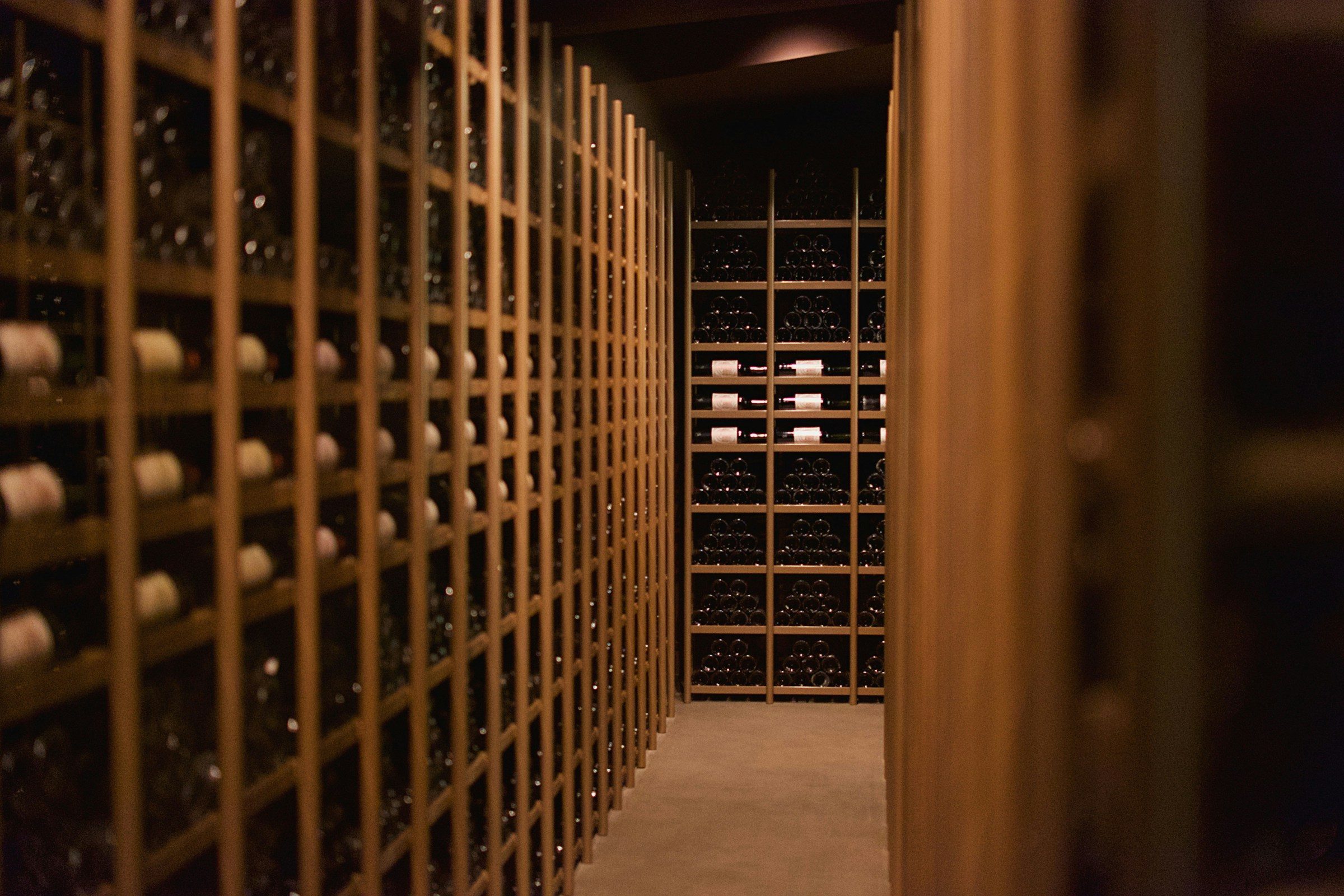
Check the grille first, because in a kitchen finished after the appliances went in it is regularly hidden. An undercounter wine cabinet takes its cooling air through a vent at the base and pushes warm air back out through the same opening; a kick panel fitted flush across it — which looks better and is often done by a cabinetmaker who never saw the appliance run — strangles it. The symptom is not failure but drift: a cabinet holding two or three degrees above its setting, permanently, with nothing on the display to say so. Before calling anybody: clear anything stored against the base, take the grille off and vacuum the condenser behind it, check the door closes fully against its seal and that a bottle or a shelf is not holding it a fraction open, and put an independent thermometer inside for twenty-four hours. If it is still drifting after that, the sealed system or the fan needs a look — and it is worth doing sooner rather than later, because unlike most appliance problems this one damages the contents while you wait.
The full guide
A Jenn Air wine cooler not cooling rarely stops. It fails quietly
Most kitchen appliances tell you when something is wrong. An oven will not heat. A dishwasher leaves the dishes dirty. An ice machine stops making ice, and you notice within a day.
A wine cabinet does none of that. It drifts — holding 57 degrees where it should hold 55, then 58, then 59 — and the display goes on showing the setting the whole time. There is no code, no alarm and no symptom you can see from the kitchen. The contents change slowly, in a way nobody notices until a bottle that should have been good is not.
Every JennAir wine cellar is built in — a column or an undercounter unit, most of them panel-ready — and that is the reason the drift goes unseen for so long: there is nothing about the front of the cabinet to look at.
That is the case for treating a small deviation here more seriously than a small deviation anywhere else in the kitchen. Two degrees on an oven is a recipe adjustment. Two degrees in a cellar, for eight months, is the whole point of owning the appliance quietly not happening.
Start With the Grille, Because It Is Free and It Is Usually the Answer
An undercounter wine cabinet breathes through a vent at its base. Cool air goes in, warm air comes back out, through the same opening at the front bottom edge.
That opening is the single most commonly obstructed thing in this class of appliance, for a reason nobody intended:
A kitchen finished after the appliances went in often has a flush kick panel run across the front. It looks better than a slotted grille. It is fitted by a cabinetmaker who has never seen the machine running and has no reason to know that the gap matters. And once it is there, the appliance cannot exhaust.
What to check, in order:
- Is the grille visible at all? If the base of the cabinet is finished flush with the surrounding cabinetry, that is your answer and it wants correcting properly rather than by removing the panel and leaving a gap.
- Is anything stored against it? Cases of water, a stack of trays, a basket pushed in front. It only takes an inch.
- Take the grille off and vacuum the condenser. There is a coil and a fan behind it. In a coastal kitchen they collect dust faster than most people expect, and a coil packed with it makes the compressor work substantially harder for the same result.
That is ten minutes and it costs nothing. A useful share of drifting-cabinet calls end here.
The Door, Which Is Also Free
Wine cabinet doors are glass, usually heavy, frequently framed, and often opened by people carrying something in the other hand.
- Does it close fully on its own from an inch open? If it hesitates, the hinge or the leveling has moved.
- Is a bottle or a shelf holding it a fraction ajar? A rack pushed a centimeter proud will do it, and the gap is small enough that nobody sees it.
- Is the seal soft and continuous? Run a finger round it. Flat spots, hardening and gaps at the corners all cost cold air continuously.
- Is the appliance level? A cabinet that has settled sits its door slightly out of square, and glass doors show that sooner than solid ones.
Then Measure It Properly
Before anybody is called, put an independent thermometer inside — a simple one, on a middle shelf, away from the wall — and leave it for twenty-four hours.
This matters because the display is not lying, it is simply answering a different question. It reports what the control is targeting and what one sensor in one location sees. It cannot tell you the temperature at the top shelf, behind a full rack, or up against the door.
Twenty-four hours also covers a full day of the kitchen warming and cooling around it, which is the load the appliance is actually working against.
If the thermometer agrees with the display, the appliance is doing what it says. If it does not, you have a number to give somebody.
The Thing No Panel Reports: Humidity
Every one of these cabinets controls temperature and displays it. None of them display humidity, and in South Florida that omission matters in an unexpected direction.
The instinct is that Miami is humid, so a wine cabinet here is fine. But the cabinet does not sit outside — it sits in a kitchen that is air conditioned for most of the year, and a sealed cabinet in a dehumidified room can run drier than a cellar should be.
The symptom is corks drying and shrinking, which happens slowly and is very easy to miss. There is nothing on the appliance that will ever warn you about it. A small hygrometer inside costs very little and answers a question the machine cannot.
When It Is Not the Free Things
If the grille is clear, the door seals, the condenser is clean, and an independent thermometer still shows drift, the remaining candidates are:
The evaporator fan. Moves cold air around the cabinet. When it slows or stops, the temperature stratifies — cold at the bottom, warm at the top — and the sensor may sit in the part that is still fine. A cabinet with several degrees between its top and bottom shelves is describing this.
A frosted or blocked evaporator. Restricts airflow. Often accompanied by the appliance running much more than it used to.
The sealed system. The compressor and refrigerant side. Less common, more expensive, and worth diagnosing rather than guessing at.
A drifting sensor. The cabinet is holding a temperature accurately — just not the one you asked for.
A dual-zone cabinet gives a free clue here: if one zone is wrong and the other is right, the sealed system is shared and is therefore unlikely to be the answer. That points at the failing zone's own fan, damper or sensor, which is the cheaper half of the list. Mention it when you call.
The Second-Home Problem
Worth stating on its own, because South Florida has a great many houses that are empty for months.
A cabinet that begins drifting in March, in a house nobody is in, is discovered in November. Everything inside it has spent eight months somewhere it should not have been, and no repair afterwards undoes that.
If the house is unoccupied for long stretches, the most valuable thing to own is not a service plan — it is a remote thermometer that will alert you. They cost very little, and the appliance itself will never tell you.
What to Bring to the Call
- the setting on the display, and what an independent thermometer read over a day;
- whether one zone or both are wrong, on a dual-zone cabinet;
- whether the grille is clear and whether the condenser has been vacuumed;
- how long it has been like this — and, if you know, when it was last right.
That last one is the sentence that most changes the diagnosis, and it is the one people most often cannot answer, which is the whole argument for the thermometer.
If it turns out to be a repair
What this leads to, and what it costs
Every job on this site is priced the same way: an on-site diagnostic first, the figure agreed in writing before anybody starts.
-

from $245 Wine cellar cooling & airflow repair
A cabinet that has drifted two degrees, one zone holding while the other does not, or a new noise through the racks. A wine cellar rarely stops outright — it drifts, and it says nothing about it.
- Airflow at the toe-kick grille checked before any component
- Both zones measured independently of the display
- Humidity measured, because no panel reports it
Questions people ask about this
The display says 55 degrees. Why would I not believe it?
Because the display shows what the control is asking for and what one sensor in one place reports. It does not show you the temperature at the top shelf, or at the door, or behind a full rack where air is not moving. An independent thermometer left inside for a day is the only cheap way to know what the wine is actually experiencing, and a cabinet whose display and thermometer disagree by several degrees is telling you something useful.
Why does the grille matter so much?
Because an undercounter wine cabinet does all of its breathing through it. Cool air in, warm air out, through one opening at the base. This is the appliance most often finished over by a cabinetmaker: a kick panel run flush across the front looks better than a vented grille and gets fitted by somebody who never saw the machine running. The appliance does not report a blocked grille — it simply runs longer, holds a higher temperature, and shortens its own life.
Nobody mentions humidity. Should they?
Yes, and no panel on any of these cabinets reports it to you. A dual-zone cabinet holds temperature well and can still be drier than a cellar should be, especially in a kitchen running air conditioning nine months a year. The visible symptom is corks drying and shrinking, which is slow and easy to miss, and it is not something the appliance will ever warn you about.
Mine has two zones and only one of them is wrong.
That is genuinely useful information. Two zones share a compressor but have their own airflow — separate fans, separate dampers, separate sensors. One zone drifting while the other holds points squarely at that zone's air path rather than at the sealed system, and that is the cheaper half of the possible answers. Say which zone when you call.
It runs constantly. Is that bad?
In a Miami kitchen in August, a cabinet that runs a great deal of the time is not automatically in trouble — the room it is in is warm and the appliance is doing more work than the same machine would in a cooler climate. What matters is whether it holds its temperature while running. Running constantly and holding is hard work; running constantly and drifting is a problem.
We are only here part of the year.
Then this is the appliance most likely to catch you out, and it is worth saying plainly. A cabinet that drifts in March in an empty house is discovered in November, and by then the contents have spent eight months somewhere they should not have been. If the house is unoccupied for long stretches, a remote thermometer that will alert you is worth more than anything a repair company can sell you.
Common Problems
More guides like this one
-

Your Freezer Was Fine All Winter and Started Frosting in June
Nothing broke in June. Something was marginal all along and the season found it — which is a very South Florida sentence, and it points at two cheap causes before it points at anything else.
Read more -
Clicking, Humming, Knocking: Which Refrigerator Noises Matter
Most of what a refrigerator does is audible, and almost none of it is a problem. The question that sorts one from the other is not what the noise sounds like — it is when it happens.
Read more -
A Warm Fridge and a Cold Freezer Is the Cheapest Sentence in This Business
Most people say the refrigerator has stopped. The useful sentence is narrower than that, and it moves the answer from the most expensive repair on the site to one of the cheapest.
Read more
Tell us the model number and what it is doing.
This article is based on:
- Official manufacturer documentation
- Internal repair procedures
- Technician repair history
- Company quality standards