Troubleshooting
Storm Week: Most of These Appliances Are Not Broken
Work through three free steps before calling anybody. First, read the displays properly: PO and PF are power-outage notices on this platform — two letters, no number — and they are the appliance reporting that its temperature rose while it was off, not that it has failed. They clear by acknowledging them with the pad the display indicates. Second, give anything that seems confused one full minute off at the breaker: off, sixty seconds, on. A minute rather than a moment, because a control board stays alive for several seconds after power is removed and a quick flick changes nothing — this is the documented first step for a large share of the conditions on this maker's own support base. Third, and least dramatic: set the clocks. Several cooking appliances will not run a timed function until the time of day exists, which produces an oven that looks broken and is waiting to be told what time it is.
The full guide
How to reset Jenn Air refrigerator controls, and everything else, in the week after
Every storm season the same week arrives. The power has been back for a day, and half the kitchen is behaving strangely: an oven that will not start, a refrigerator showing two letters nobody recognizes, a dishwasher that lights up and does nothing, clocks flashing on everything.
A large share of those appliances are not broken. They are reporting — telling you there was an outage, or waiting to be told something they lost when the power went.
Three free steps clear most of it. They take about ten minutes for a whole kitchen.
A JennAir kitchen makes the list longer than most, because more of it is electronic: the cooktop, the downdraft, the wine cellar and the undercounter machines all have a control board that noticed the outage and all of them can look dead while they are only waiting.
Step One: Read the Displays Properly
Before pressing anything, look at what each machine is actually saying.
PO and PF are power-outage notices on this platform. Two letters and no number, which is the giveaway: a failure code on these appliances has a number in it. They mean the appliance recorded that its temperature rose while it had no power — which is useful information about the food and says nothing at all about whether the machine works now.
They clear by pressing and holding the pad the display points at.
In South Florida this is a seasonal job rather than a rare one. Between June and September the same week comes round after every storm that takes the line down, and the reset that worked in July works again in September.
A flashing clock means the time was lost. That is not a problem in itself, and step three explains why it can look like one.
A padlock symbol means a control lock, which an outage does not cause but which people discover during one because they are pressing things they normally do not.
Step Two: One Full Minute at the Breaker
For anything that seems confused rather than merely uninformed:
Off. Sixty seconds. On.
Two details matter, and both are routinely skipped.
The breaker, not the appliance's power button. A built-in machine's own controls do not remove power from the control board — they tell the board to do less.
A full minute. A board stays alive for several seconds after its supply is cut, on the charge stored in its own capacitors. Switch off and straight back on and you have interrupted nothing. This is why so many people say they tried turning it off and on and it did not help; they turned it off and on, and it never actually went off.
What this fixes is a control that has latched — stopped responding with nothing broken behind it, usually after a brownout, a surge, or the ragged supply that comes back before the power properly returns. It is the documented first step for a large share of conditions on this maker's own support base, and it is free.
Step Three: Set the Clocks
The least dramatic step on the page, and the one that fixes the most cooking appliances.
Several ovens and ranges on this platform will not run a timed function until the time of day is set. Delay start, timed bake, self-clean — all of them need a clock to count against. After an outage that value is gone, and an appliance quietly refusing to start a timed cycle is indistinguishable from an appliance that has failed.
So: set every clock in the kitchen before concluding anything. It costs two minutes and it accounts for a genuinely surprising share of the calls that come in during storm week.
Give Refrigeration a Day
Refrigeration needs different patience from everything else.
A cabinet that has been off for hours has a warm interior and no way to fix that except by running. It will run continuously, possibly for most of a day. That is the appliance working, not struggling.
Judge it at twenty-four hours, not at two. By then it should be at temperature and cycling normally.
Two patterns that are worth a call rather than more patience:
- still not cold after a full day of continuous running;
- the freezer recovered and the fresh food side did not — that is an airflow problem, and it is a different diagnosis from an outage.
What Is Actually a Repair
Most of storm week is not. Some of it is, and these are the signs:
The breaker trips when the appliance starts. Stop resetting it. A compressor restarting against pressure, or a damaged one, draws heavily, and repeatedly throwing a breaker onto a short is hard on everything. This is the one item here that is genuinely urgent.
A new noise, or a smell. Particularly anything hot, sharp or electrical.
Dead through all three steps. A machine that is still unresponsive after acknowledging notices, a full minute at the breaker and a clock is a machine with a problem.
One function gone while everything else works. That pattern — the oven bakes but will not broil, the refrigerator cools but the ice maker has stopped — points at surge damage on a board rather than at the outage itself.
Several appliances went odd at the same moment. Say this when you call. It is frequently a supply story rather than four separate failures, and it changes what gets checked first.
Before the Next Storm
- Know your breaker panel and which breaker serves what. The minute-at-the-breaker step is much easier when you are not opening cupboards in the dark.
- Photograph your model plates once, while the power is on. Every conversation about a built-in appliance starts with a number that is behind a door.
- Keep the freezer full. A packed freezer holds its temperature roughly twice as long as a half-empty one, and bottles of water are free.
- A thermometer in each cabinet. Two dollars, and it lets you answer the only question that matters without opening the door.
If it turns out to be a repair
What this leads to, and what it costs
Every job on this site is priced the same way: an on-site diagnostic first, the figure agreed in writing before anybody starts.
-
from $275 Cooking control & display repair
A panel that lights and ignores you, a display that has gone dark, or an appliance reporting a code with nothing visibly wrong. The board is never ordered on the strength of a code alone.
- A full minute at the breaker tried first, because it often works
- Touch panel and control board told apart by measurement
- What the board reports on measured before the board is blamed
-
from $95 Diagnostic visit
We read what the appliance is reporting, then measure before saying anything about the repair. On a built-in kitchen that also means working out how the appliance comes out before anybody touches it. The fee is credited toward the work when you go ahead.
- The code read on site, and the free causes ruled out first
- Measured rather than guessed
- Credited toward the repair

Questions people ask about this
Everything came back except the oven. It has power and does nothing.
Set the clock. It sounds too simple to be the answer and it very often is. Several cooking appliances on this platform will not start a timed function — a delay start, a timed bake, a self-clean — until the time of day has been entered, and after an outage that value is gone. The oven is not refusing; it is waiting. If the clock is set and it still will not run, give it the full minute at the breaker before assuming anything.
Why a whole minute at the breaker?
Because a control board does not lose power the instant the breaker goes off. Capacitors keep it alive for several seconds, and switching off and straight back on frequently leaves the board in exactly the state you were trying to clear. Sixty seconds guarantees it has gone all the way down. It is the single most useful free step in appliance work and it is the published first instruction for a great many conditions on this maker's own support base.
My refrigerator shows PO. Has it broken?
No. PO is a power-outage notice: the cabinet is telling you its temperature rose above a threshold while it had no power. It is a message about the food, not about the machine, and it is exactly the sort of thing you want an appliance to record. Hold the pad the display indicates to clear it, then use the food-safety rules to decide what to keep.
The refrigerator has been running non-stop since the power came back.
Correct behavior. It has a warm cabinet to bring down and no way to do it except by running. A machine that has been off overnight can run more or less continuously for most of a day. What matters is whether it is getting there: check it after twenty-four hours. Still not cold after a full day, or a freezer that recovered while the fresh food side did not, is worth a call.
The breaker trips when the refrigerator tries to start.
Stop resetting it and call. A compressor asked to restart against pressure it has not had time to shed will draw heavily, and so will one that has been damaged. Repeatedly resetting a breaker onto a short is hard on the appliance and hard on the wiring. This is one of the few genuinely urgent items on this page.
Can a surge really damage appliances?
Yes, and control boards are where it shows. The pattern that points at surge damage rather than at an outage is a machine that is dead in one specific way — a display that lights but does nothing, a function that has stopped while everything else works, a board that behaves erratically rather than not at all. If several appliances went odd at exactly the same moment, say so when you call: that is a supply story rather than four coincidences.
Troubleshooting
More guides like this one
-
F2E1 Is Two Numbers. Reading It as One Loses the Diagnosis
Four characters on a small display, and almost everybody reads them as a single token. They are two halves with two different jobs, and treating them as one is how people end up looking up somebody else's problem.
Read more -
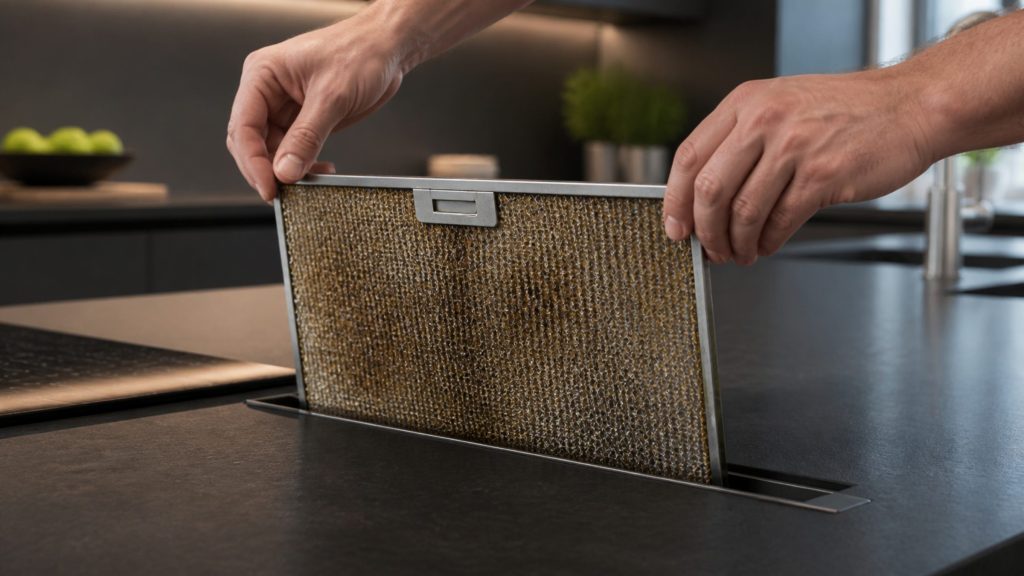
Your JennAir Downdraft Runs and the Kitchen Still Fills With Steam
Five things stop a downdraft and three of them are not the appliance. Here is the order to check them in, starting with a test that costs nothing and a filter most people have never taken out.
Read more -

Fill, Freeze, Harvest: Which Half of Your Ice Maker Has Stopped
An ice maker does three things and every one of them ends with no ice. One look tells you which — and half the answers are plumbing rather than the appliance.
Read more
Tell us the model number and what it is doing.
This article is based on:
- Official manufacturer documentation
- Internal repair procedures
- Technician repair history
- Company quality standards