Appliance
JennAir wall ovens
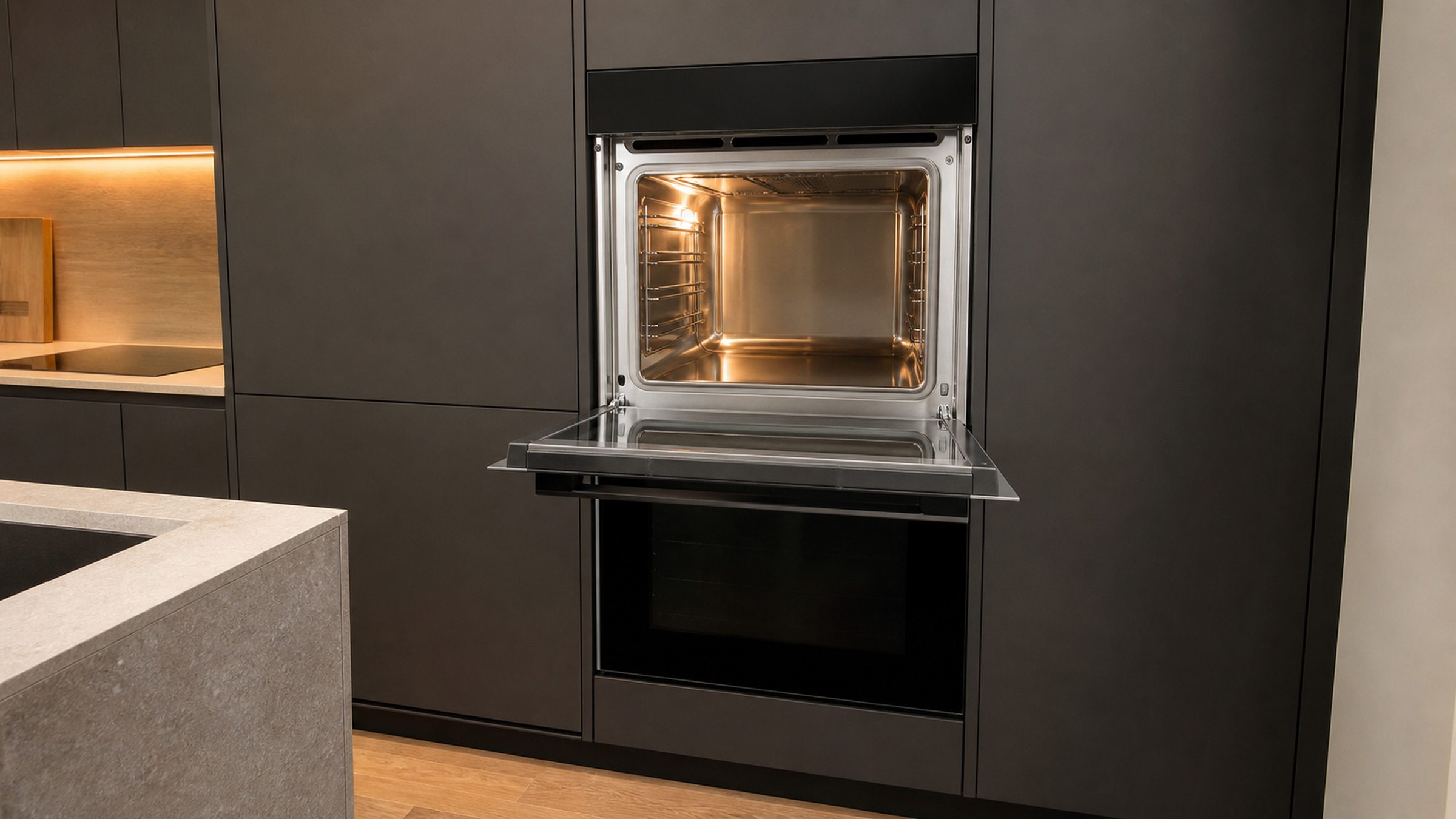
Twenty machines: single ovens, double ovens, the microwave-combination towers that are two appliances in one cabinet, and the speed ovens. Almost all of them are built into a run of cabinetry, which decides more about the appointment than the repair itself does — a wall oven has to come out of its housing before anybody can reach the back of it.
- 9 symptoms we are called out to
- From $95 diagnostic, credited to the repair
- 59 cities and neighborhoods covered
- OEM parts available on order
The short version
What this equipment is, for a repair
Configurations
Single · Double · Microwave combination · Speed oven · V2 convection · 27" · 30"
Access
Planned before the visit, not discovered on arrival
Parts
OEM, available on order
Diagnostic
From $95, credited to the repair
What goes wrong with it
Symptoms we are called out to on JennAir wall ovens
Each one covers the likely causes in the order they are worth checking, and what to do in five minutes before booking anything.
-
Or heating far too slowly The oven is not heating
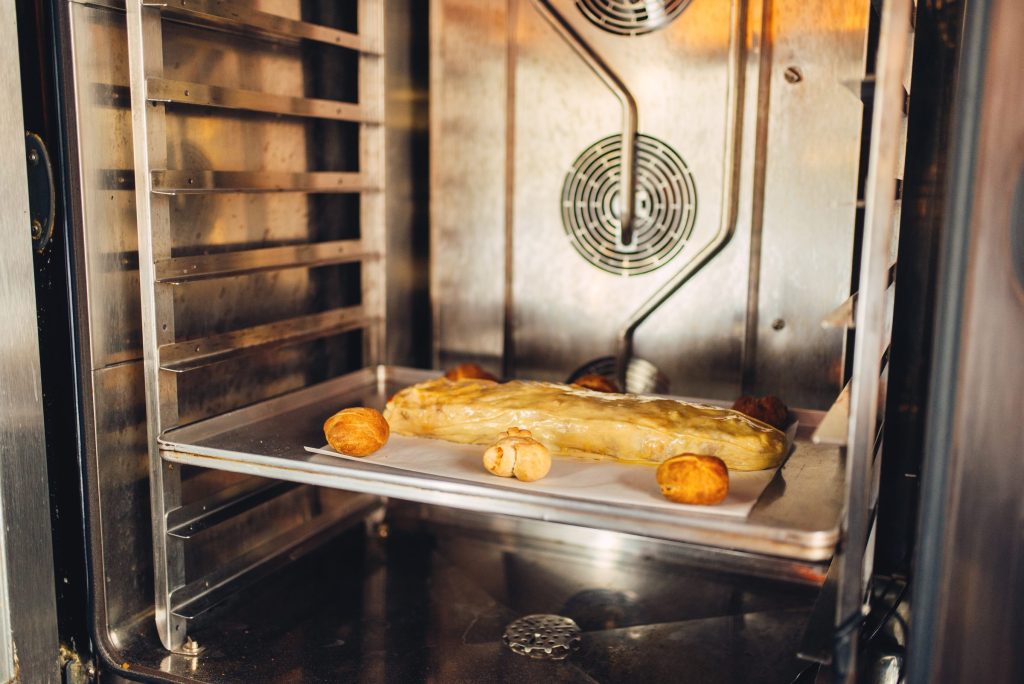
A cavity that stays cold, or one that takes an hour to reach a temperature it used to hit in fifteen minutes. On a double oven, which cavity is the first thing that narrows it.
- The oven stays cold and the display looks normal
- Preheat takes far longer than it used to
- One cavity of a double oven works and the other does not
-
Measure it before you replace anything The oven temperature is wrong
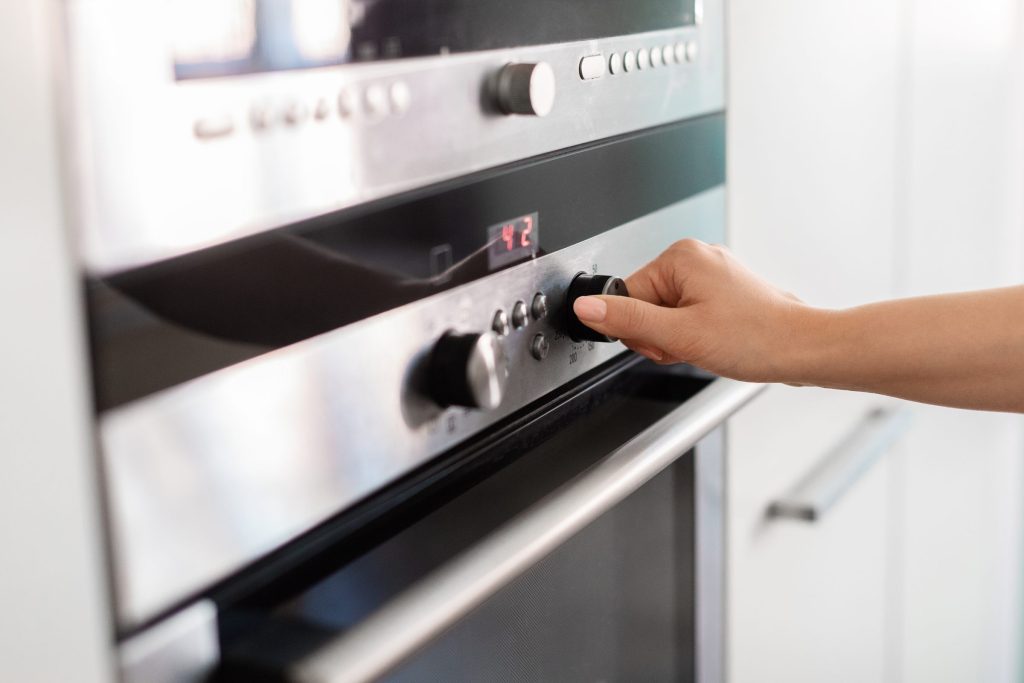
Everything browning too fast, cakes sinking, a roast taking half again as long. Before any part is considered, this needs a number — and these ovens have a calibration adjustment built in that is free to use.
- Consistently browning too fast or too slowly
- Baking that has changed without anything else changing
- The display saying one thing and the food saying another
-
The hardest thing an oven does Problems after a self-clean
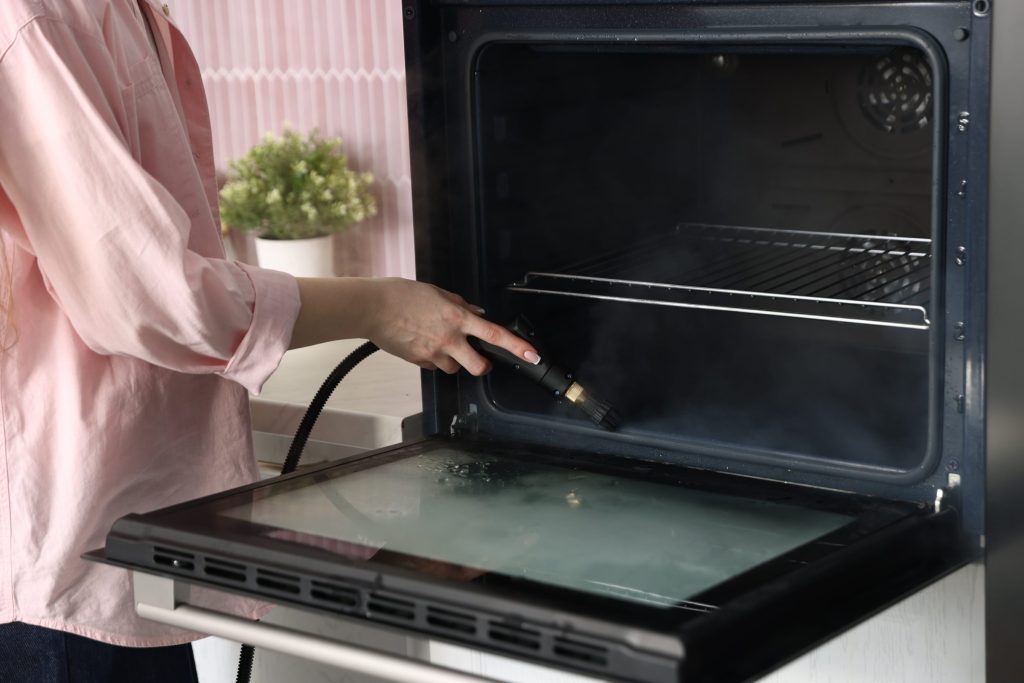
A door that will not unlock, an oven that will not heat, or a control showing a code it never showed before — all appearing within a day of a cleaning cycle. Common enough to have its own page, and worth understanding before you run the next one.
- The door still locked hours after the cycle
- No heat at all since the clean
- A new code that was not there before
-
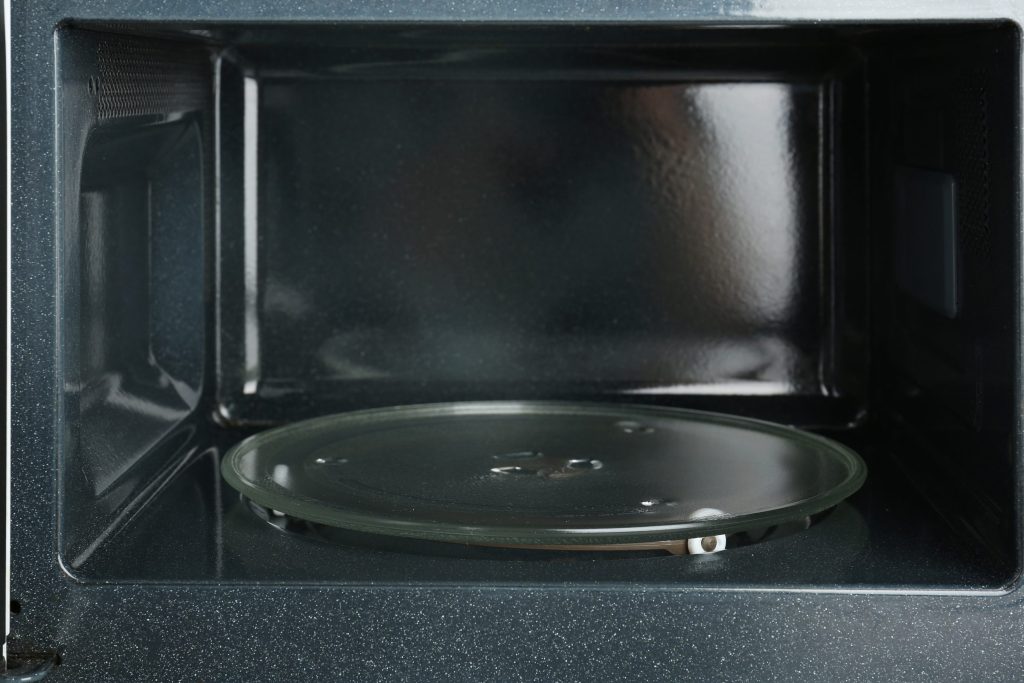
And this one is not a home repair The microwave runs but does not heat
Lights on, turntable turning, timer counting down, and the food exactly as cold as it went in. That is the high-voltage side, and it is the one appliance in your kitchen that genuinely cannot be opened safely with the power off.
- Everything looks normal and nothing gets warm
- A loud hum or buzz while it runs
- It heats weakly, and worse than it used to
-
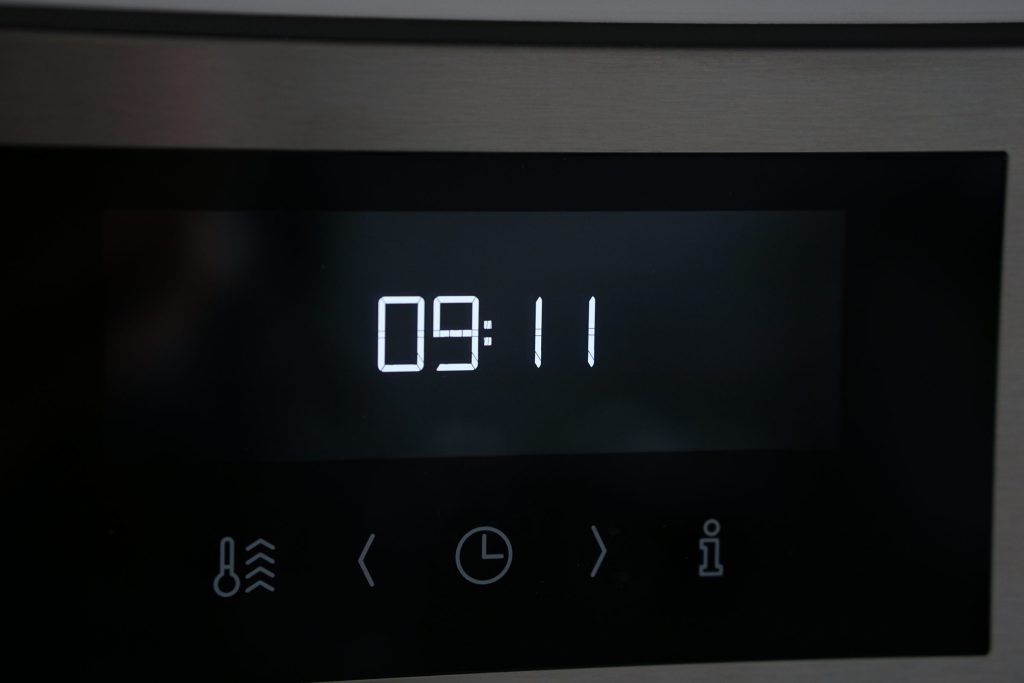
Most of these are messages Nothing works since the power came back
A storm week symptom, and one where a large share of the calls we take are appliances that are perfectly well. Modern machines notice an outage and tell you about it afterwards, and telling you is not the same as being broken.
- A display showing a code that was not there before
- An appliance that will not run a timed function
- Several appliances behaving oddly at once
-
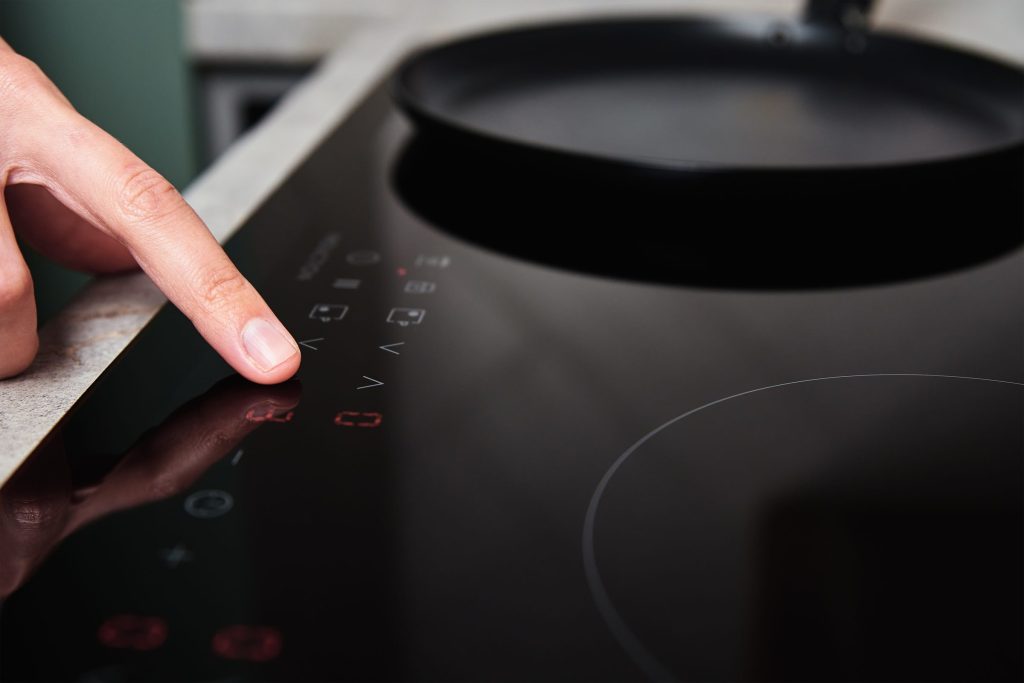
Lit and ignoring you A control panel has stopped responding
The panel lights up, shows what it always shows, and does nothing when pressed. Two free things account for most of this, and the third is a measurement rather than a guess.
- Buttons that do nothing when pressed
- A padlock symbol on the display
- Some pads working and others not
What we do on it
Repairs we carry out on JennAir wall ovens
Starting figures for this equipment in South Florida. The exact cost is confirmed after an on-site diagnostic — and this is not the whole list of what can go wrong, so call if your problem is not here.
-
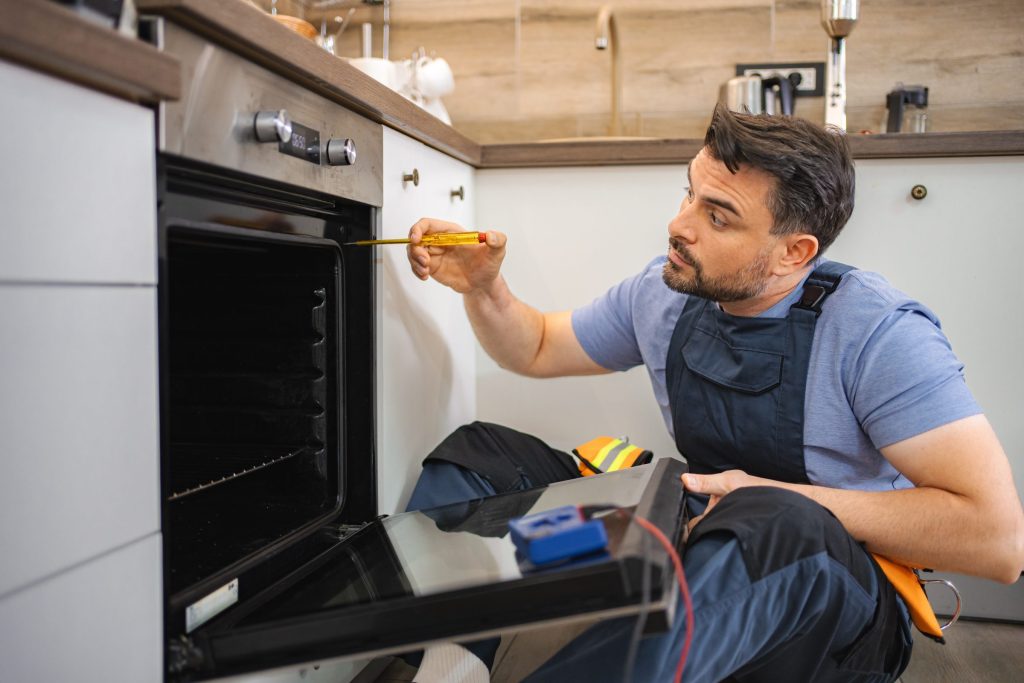
from $95 Diagnostic visit
We read what the appliance is reporting, then measure before saying anything about the repair. On a built-in kitchen that also means working out how the appliance comes out before anybody touches it. The fee is credited toward the work when you go ahead.
- The code read on site, and the free causes ruled out first
- Measured rather than guessed
- Credited toward the repair
-
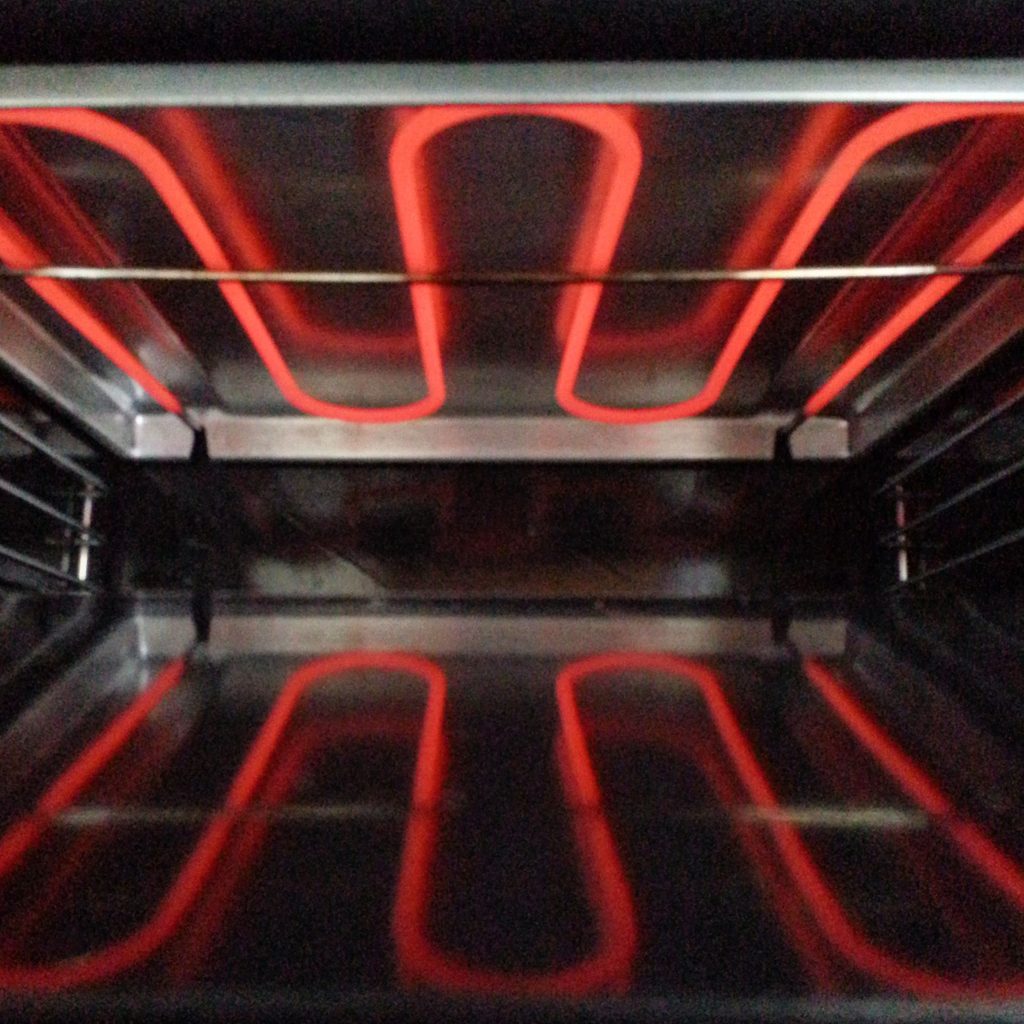
from $215 Oven heat & sensor repair
An oven running hot, running cold, taking far too long, or not heating at all — and the door that will not unlock after a self-clean. On a built-in oven the repair is often short and the access is the appointment.
- Calibration tried before any part is ordered
- Sensor, elements and convection measured under load
- The oven out of its housing and back in leveled
-
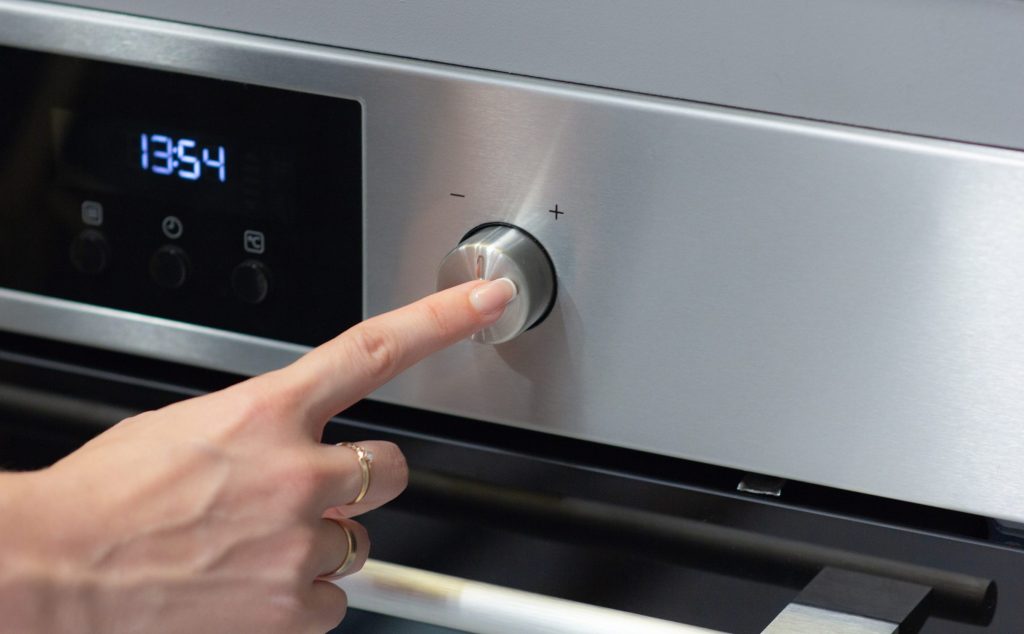
from $275 Cooking control & display repair
A panel that lights and ignores you, a display that has gone dark, or an appliance reporting a code with nothing visibly wrong. The board is never ordered on the strength of a code alone.
- A full minute at the breaker tried first, because it often works
- Touch panel and control board told apart by measurement
- What the board reports on measured before the board is blamed
-
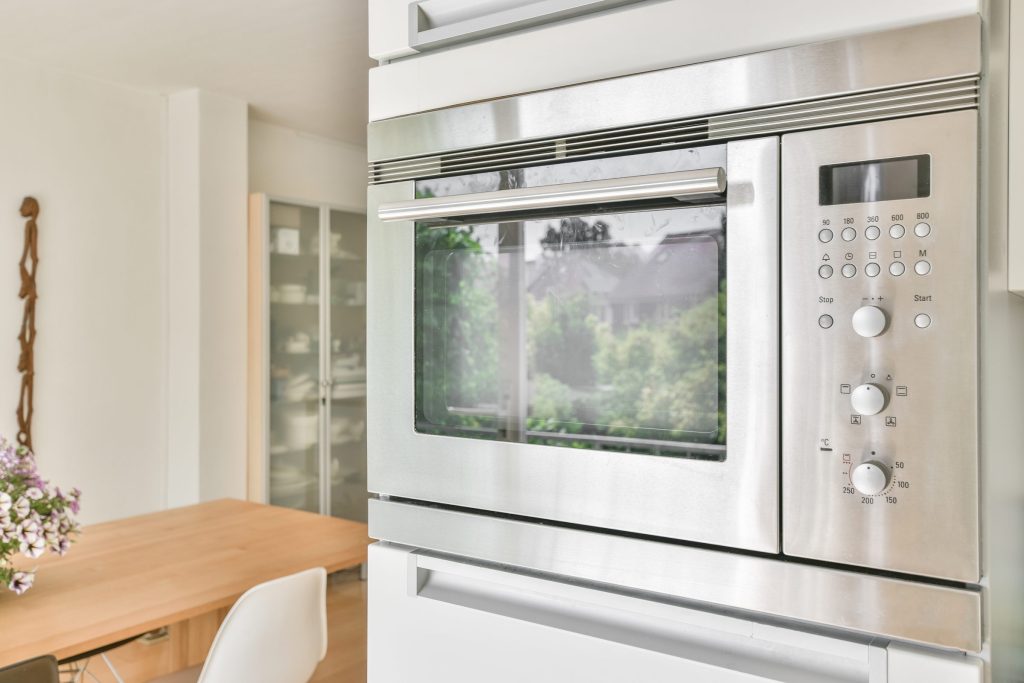
from $175 Microwave magnetron & high-voltage repair
The appliance runs, lights and turns, and nothing gets hot. That is the high-voltage side, it is never an owner repair under any circumstances, and on a built-in unit the arithmetic about repairing it is different from a countertop machine.
- Never an owner repair — the capacitor holds a charge after unplugging
- Interlocks and control ruled out before the expensive half
- Built-in cutout dimensions considered before recommending replacement
-
from $175 Appliance maintenance
One visit covering every filter, condenser, seal, grille, duct and descale in the kitchen. This row exists to keep the $695 row away, and in a house with a full suite from one maker it is the cheapest money on this site.
- Every appliance in the kitchen on one visit
- Second and third appliance far cheaper than the first
- Written down, so next year starts from a record
-
from $225 Appliance installation
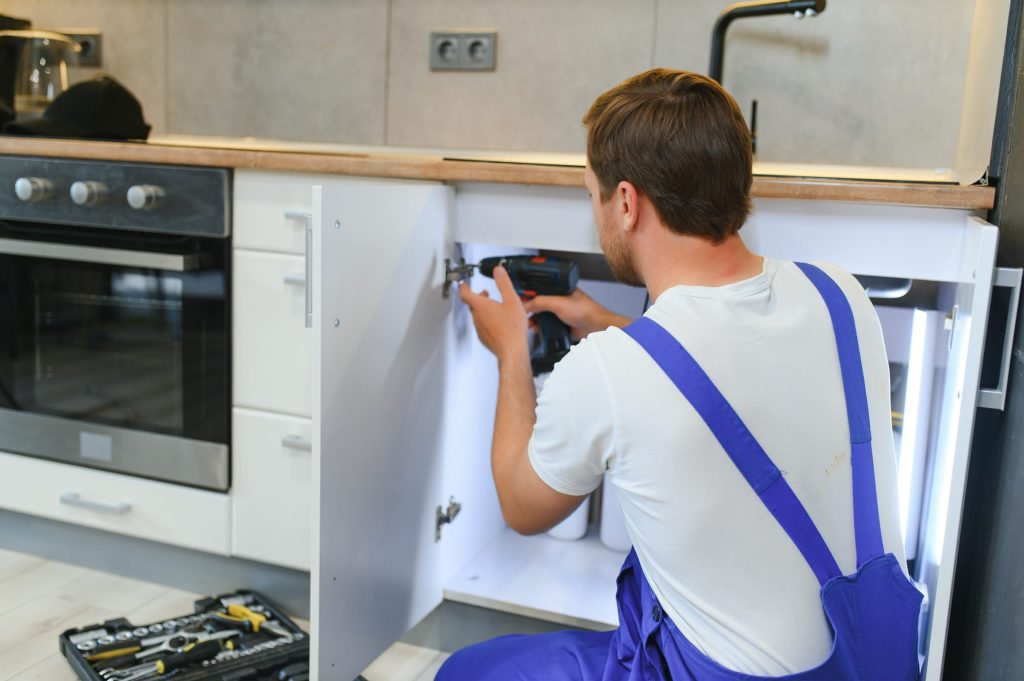
Built in, paneled, or both — which is nearly everything on this make. Hanging a cabinet door on an appliance and aligning it to a run is not the same work as sliding something into a gap, and this is where a meaningful share of the repairs on this site are prevented or created.
- Clearances and ventilation to the maker's own instructions
- Cabinet panels hung, aligned and left square
- The mistakes that become service calls, avoided at the start
In more detail
About JennAir wall ovens
Twenty machines, three shapes
Single ovens, double ovens, and the combination towers that put a microwave or a speed oven above a conventional cavity. Widths are 27 and 30 inches, and the current line runs two convection systems — MultiMode, and the V2 vertical dual-fan arrangement with a fan and an element at two heights. Flat-tine racks and a smart connection appear across most of the line.
What actually goes wrong
- The oven sensor. The first suspect whenever the temperature is wrong rather than absent, and a cheap part.
- Bake, broil and convection elements. An element that has opened is usually visible once the appliance is out; one that is failing under load is not, and needs measuring.
- The convection fan and its motor, which announce themselves by noise long before they stop.
- The door latch, especially after a self-clean cycle, and the hinges under a heavy door.
- The touch panel and the control board, which are separate parts with the same symptom.
- The cooling fan and the vent path, which on a built-in oven is what stops the cabinetry around it getting hot.
Self-clean, and the honest advice about it
A pyrolytic clean cycle takes the cavity far above cooking temperature for hours, and it is the single hardest thing an oven ever does to itself. Latches, sensors and boards fail during or shortly after one more often than at any other time. It is not a reason never to use it. It is a reason not to run one the night before a dinner you are cooking for, and a reason to let the oven cool on its own rather than helping it.
Access, and what it means for the price
A built-in oven is trimmed into millwork, wired rather than plugged, and heavy. The repair figure on a wall oven is usually parts plus the time to reach them, and the second half of that is larger than on a freestanding appliance. We would rather say that before the visit than discover it in your kitchen.
What to have ready when you call
The model number from the frame inside the door, which cavity on a double oven, and — if the temperature is the problem — a reading from a thermometer sitting in the middle of the empty oven rather than what the display says.
This article is based on:
- Official manufacturer documentation
- Internal repair procedures
- Technician repair history
- Company quality standards
Before you book
Questions about JennAir wall ovens
Why does a wall oven take longer to repair than a range?
Because of where it lives. Almost everything that fails — the sensor, the elements, the fan, the latch, the board — is reached from the back or the sides, and on a built-in oven those are inside your cabinetry. So the appliance comes forward out of its housing first, which on a double oven means moving something heavy in a confined space, and goes back in and gets leveled afterwards. The repair is often quick; the access around it is the appointment.
What is V2 Vertical Dual-Fan True Convection?
The maker's name for a convection system with two fans stacked vertically at the back of the cavity, each with its own element, so the air is moved in two zones instead of one. What it means when something goes wrong is that "the convection is not working" has two halves: either fan, either element. Telling us whether the top or the bottom of a full oven is the part that comes out underdone is genuinely useful.
My oven is 25 degrees out. Is that a repair or a setting?
Try the setting first, because these ovens have a calibration adjustment built into the control and it is free. If a proper oven thermometer says it is consistently out by a fixed amount, calibration will correct it. If it is out by a different amount at different temperatures, or it overshoots and then sits low, that is the sensor, and a sensor is one of the cheaper parts on the appliance.
Is a microwave-combination oven one appliance or two?
One appliance in a service sense — one model number, one installation, one power supply — with two entirely separate cooking systems inside it. A dead microwave half with a perfect oven half is common and is not a sign that the whole tower is failing. It does mean the diagnosis has to establish which half, because the parts, the safety interlocks and the work are completely different.
The panel lights up but nothing happens when I press anything.
Two things to try before booking. First, check whether a control lock is on — most of these ovens have one, it is usually a press-and-hold on a specific pad, and it looks exactly like a dead panel. Second, cut the power at the breaker for a full minute and restore it; a control that has locked up after an outage will often come back. If neither works, it is the touch panel or the board behind it, and those are two different parts.
Where we do it
Across Miami-Dade, Broward, and Palm Beach
Same terms everywhere we go: an on-site diagnostic first, the price agreed in writing, and the exact figure confirmed once we have seen the unit.
Neighborhoods people ask for by name