Appliance
JennAir ice makers
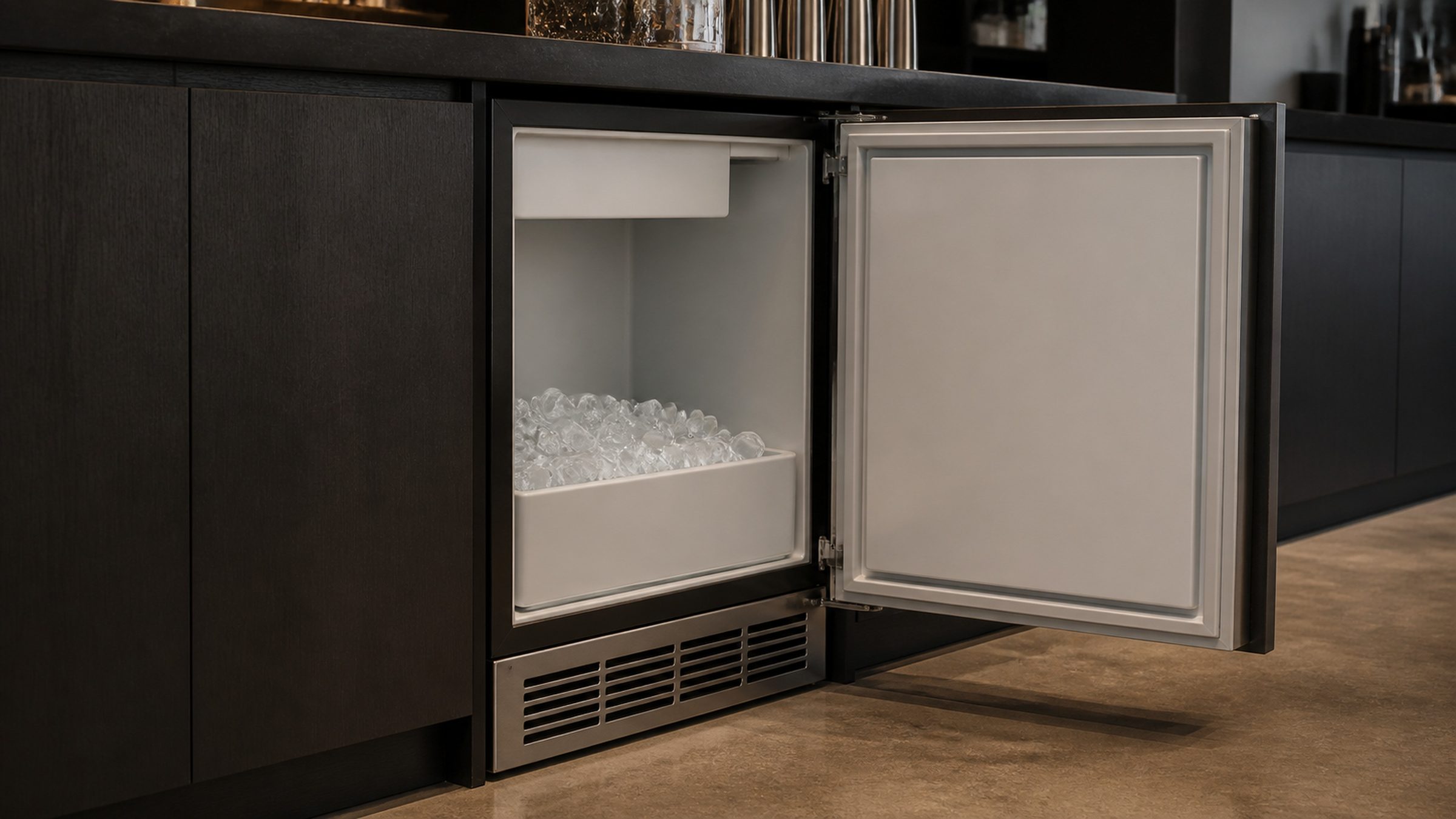
Two machines in the current line, both undercounter, both 15 inches, and most of what goes wrong with them is water rather than refrigeration. An ice maker is a small appliance with a plumbing problem attached — a supply, a path through the machine, and a drain — and in this water all three of those want attention long before the sealed system does.
- 6 symptoms we are called out to
- From $95 diagnostic, credited to the repair
- 59 cities and neighborhoods covered
- OEM parts available on order
The short version
What this equipment is, for a repair
Configurations
Undercounter · 15" · Gourmet ice · Panel-ready · Drain and drainless
Access
Planned before the visit, not discovered on arrival
Parts
OEM, available on order
Diagnostic
From $95, credited to the repair
What goes wrong with it
Symptoms we are called out to on JennAir ice makers
Each one covers the likely causes in the order they are worth checking, and what to do in five minutes before booking anything.
-
Fill, freeze, harvest — which one The ice maker has stopped
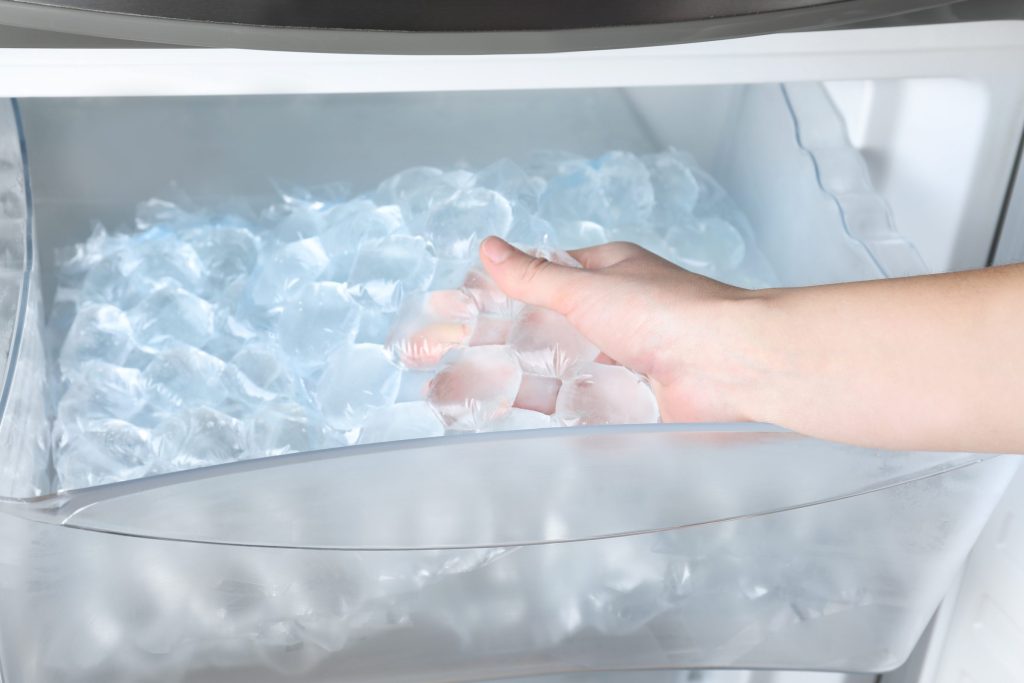
No ice, less ice, or ice that has gone cloudy and soft. An ice maker does three things and "no ice" is the outcome of a problem in any of them — which one decides whether this is plumbing, cleaning or a repair.
- Nothing in the bin for days
- Producing much less than it used to
- Ice that has gone cloudy and soft
-
Most of these are messages Nothing works since the power came back
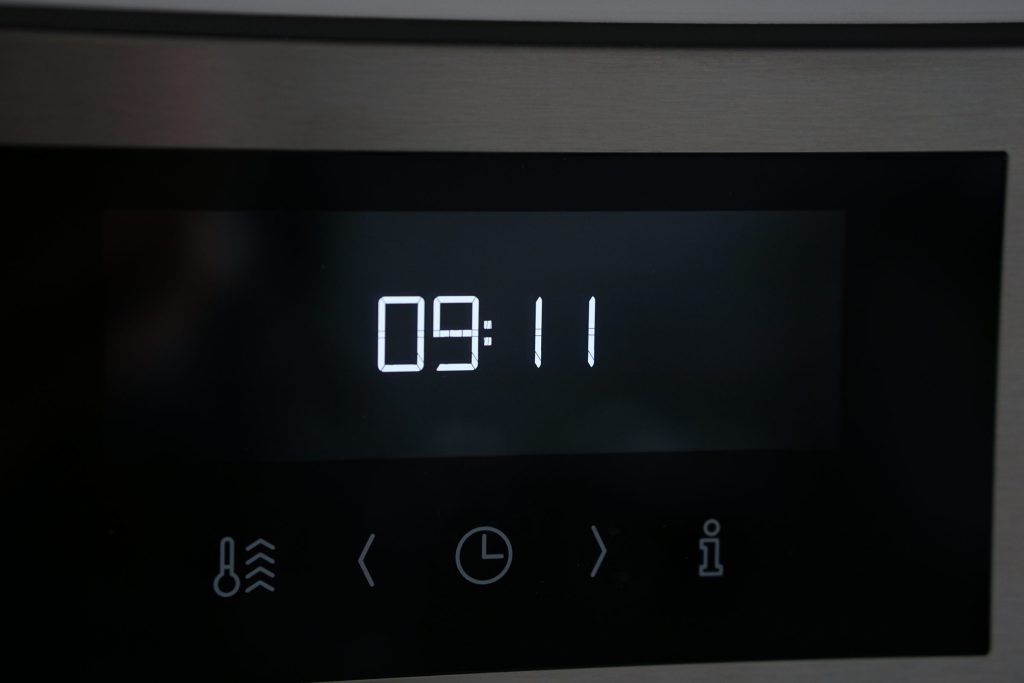
A storm week symptom, and one where a large share of the calls we take are appliances that are perfectly well. Modern machines notice an outage and tell you about it afterwards, and telling you is not the same as being broken.
- A display showing a code that was not there before
- An appliance that will not run a timed function
- Several appliances behaving oddly at once
-
And urgency depends on where There is water where it should not be
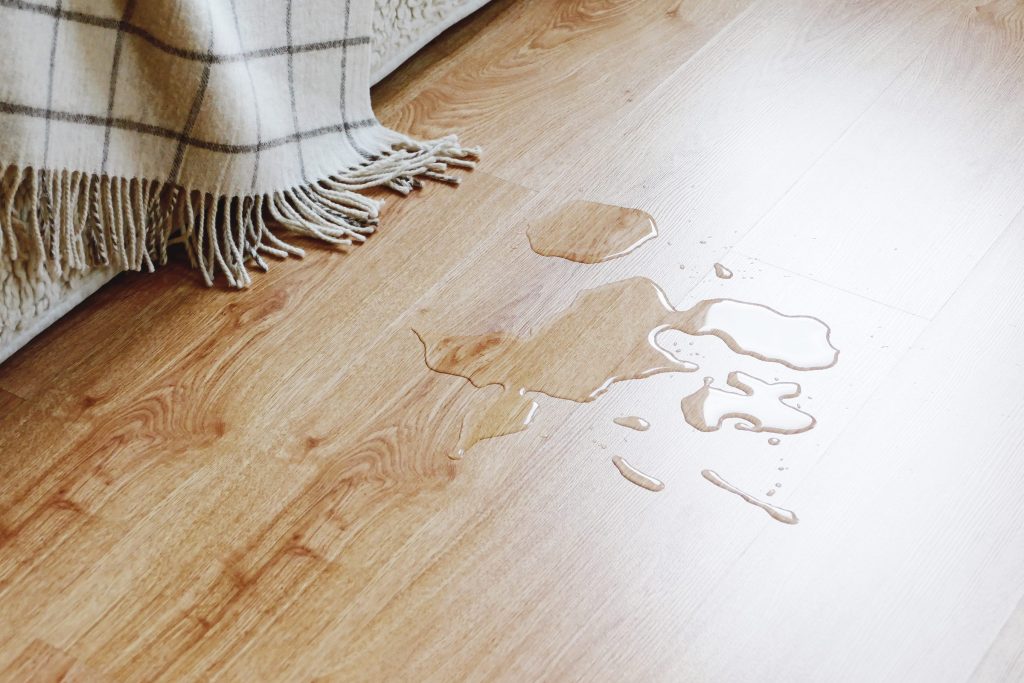
Water inside a cabinet, under a machine, or across the floor. In a kitchen where almost everything is built into cabinetry, where the water is matters as much as how much of it there is.
- Water on the floor in front of an appliance
- Water standing inside a refrigerator
- A damp cabinet base nobody noticed for weeks
-
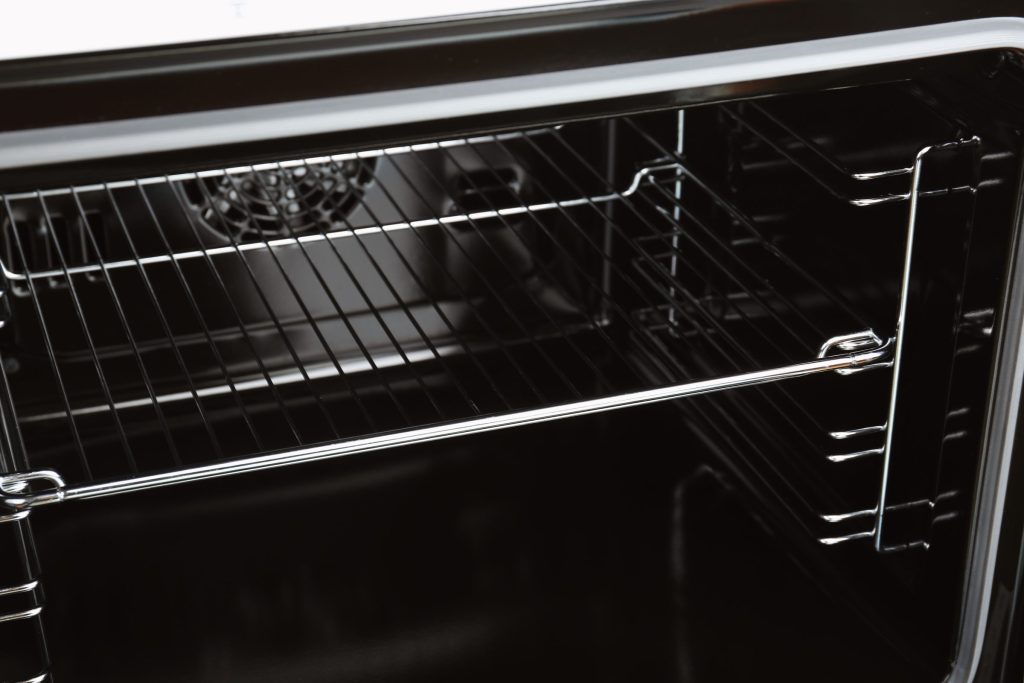
New is the important word It is making a new noise
A hum that was not there, a click with a rhythm to it, a rattle that comes and goes. Most appliance noises are normal; the useful ones are the ones that changed, and describing the change is most of the diagnosis.
- A hum or buzz that has appeared recently
- A rhythmic click or knock while running
- A vibration that comes through the cabinetry
-
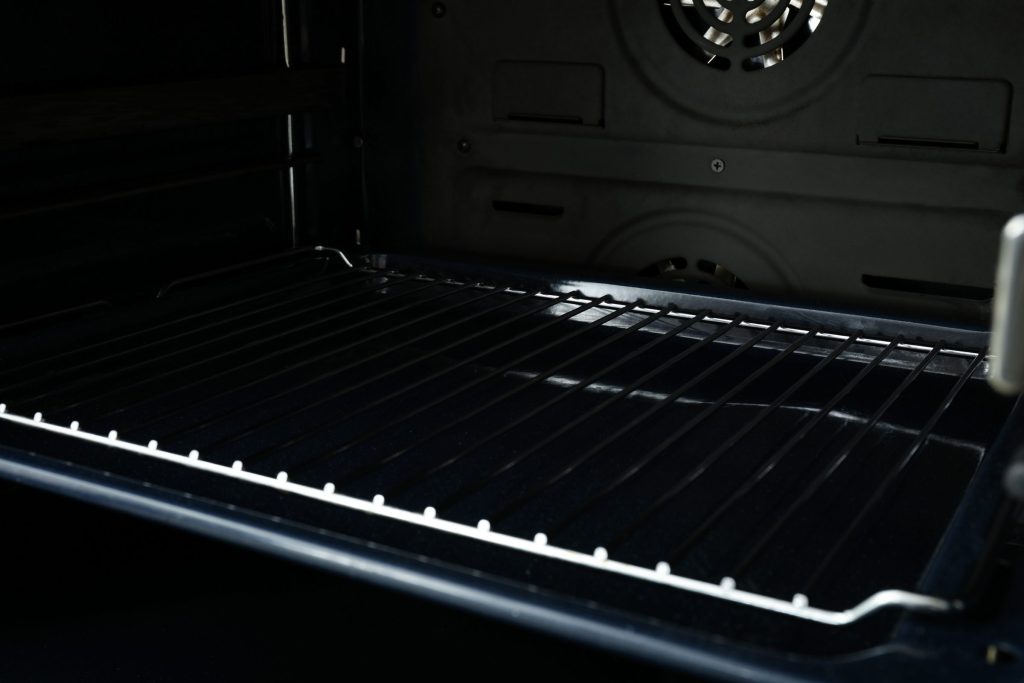
Start at the panel, not the appliance The appliance will not turn on
Nothing at all: no lights, no display, no sound. On a built-in kitchen the first three things to check are not in the appliance, and two of them are in the breaker panel.
- Completely dark with no response
- It worked yesterday and not today
- More than one appliance affected
-
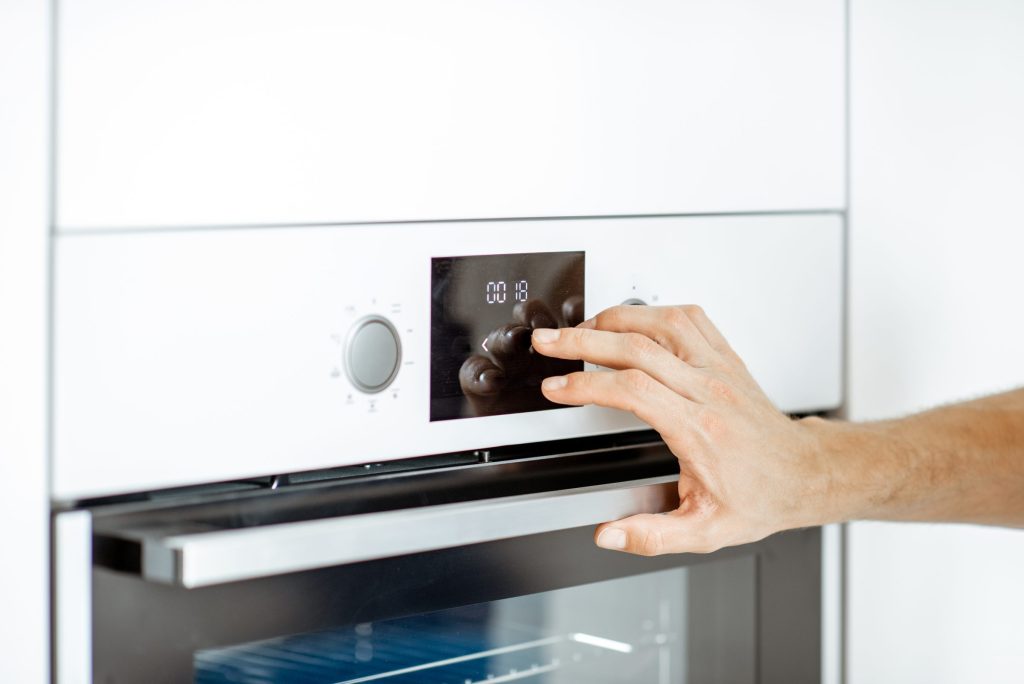
What a reset can and cannot do How to reset it
One of the most searched things about this make, and one of the most misunderstood. There is no reset button on most of these appliances. What there is is a power cycle, and a handful of feature resets that do very specific jobs.
- Looking for a reset button that does not exist
- A filter light that will not go out
- A machine that needs restarting after a storm
What we do on it
Repairs we carry out on JennAir ice makers
Starting figures for this equipment in South Florida. The exact cost is confirmed after an on-site diagnostic — and this is not the whole list of what can go wrong, so call if your problem is not here.
-
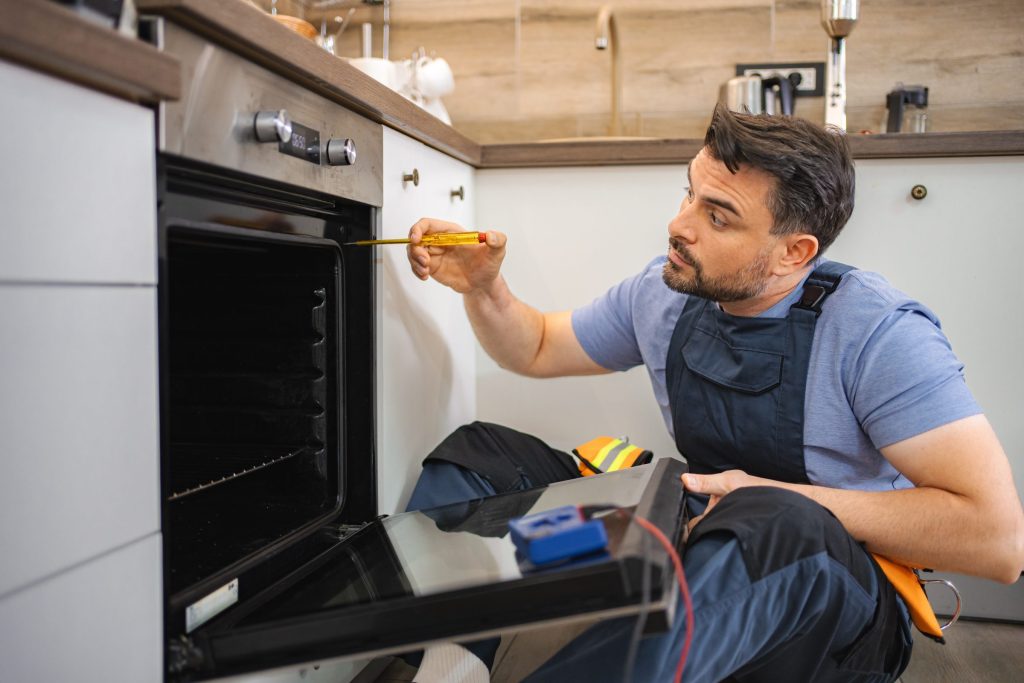
from $95 Diagnostic visit
We read what the appliance is reporting, then measure before saying anything about the repair. On a built-in kitchen that also means working out how the appliance comes out before anybody touches it. The fee is credited toward the work when you go ahead.
- The code read on site, and the free causes ruled out first
- Measured rather than guessed
- Credited toward the repair
-
from $695 Sealed system & compressor repair
The largest figure on this site and the only one quoted last. Recovery, leak location, the repair, a new filter drier, evacuation and a charge weighed to the plate. Reached only after everything cheaper has been measured and excluded.
- Quoted only after the whole cheaper list is ruled out on record
- Charge weighed to the plate, not topped up by feel
- The warranty position established before any figure is given
-

from $155 Ice machine cleaning & descaling
Less ice than there used to be, or ice that has gone cloudy and soft. Most ice machine calls in this city are a cleaning that was postponed until it became a symptom — which is why this row exists and is cheaper than the one below it.
- The whole water path cleaned, not only the bin
- Scale removed rather than rinsed around
- Production measured before and after
-
from $195 Ice maker fill & harvest repair
A machine that fills and never releases, or one that never fills at all. Freezing and harvesting are two different halves and they fail for different reasons — which half yours is decides the repair.
- Fill and harvest tested as separate stages
- A frozen fill tube ruled out before any part
- Bin sensor checked, because it causes both complaints
-
from $175 Appliance maintenance
One visit covering every filter, condenser, seal, grille, duct and descale in the kitchen. This row exists to keep the $695 row away, and in a house with a full suite from one maker it is the cheapest money on this site.
- Every appliance in the kitchen on one visit
- Second and third appliance far cheaper than the first
- Written down, so next year starts from a record
-
from $225 Appliance installation
Built in, paneled, or both — which is nearly everything on this make. Hanging a cabinet door on an appliance and aligning it to a run is not the same work as sliding something into a gap, and this is where a meaningful share of the repairs on this site are prevented or created.
- Clearances and ventilation to the maker's own instructions
- Cabinet panels hung, aligned and left square
- The mistakes that become service calls, avoided at the start
In more detail
About JennAir ice makers
Two machines, and what they are for
Both current ice makers are undercounter, 15 inches wide, and made for a bar run, an island or an outdoor kitchen rather than for the freezer of a refrigerator. That distinction matters: the ice maker inside a refrigerator is part of that cabinet and is repaired on the refrigerator page, while these are complete appliances with their own sealed system, their own water supply and often their own drain.
What actually goes wrong
- The water in. The supply valve, the inlet valve, the filter and the line. A machine starved of water makes less ice long before it makes none.
- Scale in the water path, which is what this city's water does to any appliance that boils, freezes or sprays it.
- The harvest — the release that lets finished ice drop into the bin. A machine that freezes and will not let go is a harvest problem, not a cooling one.
- The drain, on machines that have one, which is where the water under the cabinet comes from.
- Airflow at the grille, which is the free thing to check on any undercounter appliance and the reason a good number of them underperform.
- The bin sensor, which decides when to stop, and which produces both of the opposite complaints.
Outdoor installations, which this city has plenty of
An ice maker in an outdoor kitchen is doing the same job in a much harder place: higher ambient temperature, salt in the air on a coastal property, and a water supply that may run through a line sitting in the sun. If yours is outside, it is worth saying so when you book, because the diagnosis starts in a different place — and because the maker's own warranty excludes corrosion caused by "high salt concentrations, high moisture or humidity", in those words, which is a good reason to keep the exterior maintained rather than a reason to worry.
What to have ready when you call
The model number, whether the machine is plumbed to a drain, whether it is indoors or outdoors, and when it was last cleaned. That last answer is the one that most often settles it.
This article is based on:
- Official manufacturer documentation
- Internal repair procedures
- Technician repair history
- Company quality standards
Before you book
Questions about JennAir ice makers
Why is my ice cloudy and soft when it used to be clear?
Cloudy ice is usually a slower freeze or a dirtier water path rather than a temperature problem. On a machine that makes clear ice, the water is frozen in layers so air and minerals are pushed out; when the flow through that path drops — scale, a partly blocked line, a filter nobody has changed — the ice traps them instead. It is a cleaning and a water problem far more often than it is a repair.
It fills with water and then just sits there.
That is a harvest problem: the machine has made ice and cannot let go of it. On these units the harvest is a heated release combined with a mechanical push, and either half can be the reason. It is also, occasionally, simply a machine that has been asked to work in a cabinet that is too warm or too tight for it to shed heat. Worth checking that the grille at the bottom is clear before booking.
Does it need a drain, and does mine have one?
Some of these machines are plumbed to a drain and some are drainless, collecting meltwater and evaporating it. It matters because the failures are different: a drained machine puts water on your floor when the drain blocks, and a drainless one simply stops keeping up. If you do not know which yours is, it is usually visible under the cabinet — a second small line leaving the machine, or nothing.
How often does it actually need cleaning?
More often here than the manual assumes, because of the water and because these machines live in warm cabinets. Twice a year is a reasonable rhythm for a machine in regular use, and the honest reason to bother is that most ice maker service calls in this city are a cleaning that was postponed until it became a symptom. A cleaning is cheaper than a visit, and both are cheaper than a pump.
Where we do it
Across Miami-Dade, Broward, and Palm Beach
Same terms everywhere we go: an on-site diagnostic first, the price agreed in writing, and the exact figure confirmed once we have seen the unit.
Neighborhoods people ask for by name