Appliance
JennAir wine coolers
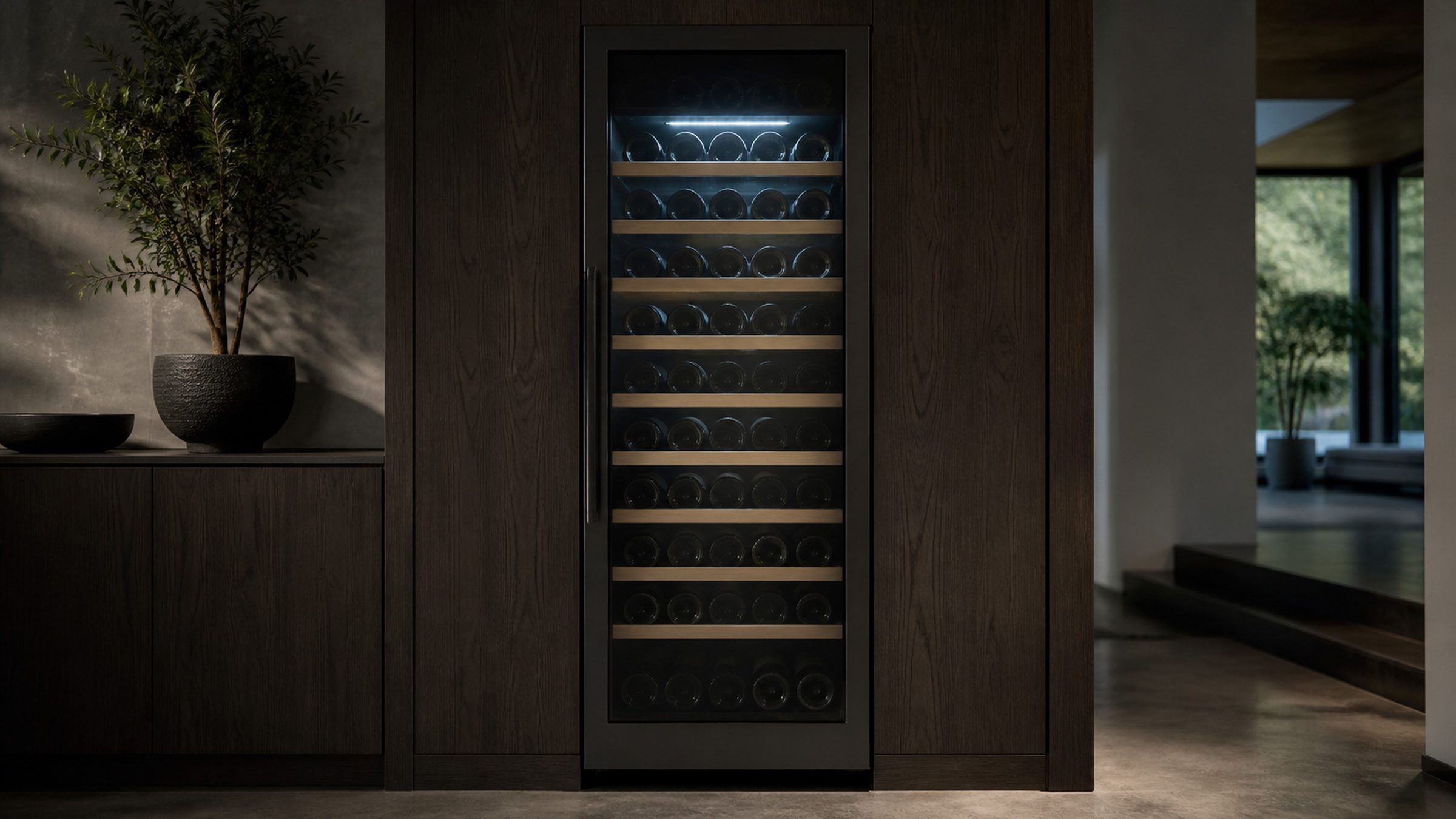
Undercounter cellars and full-height wine columns, most of them dual-zone and most of them panel-ready. A wine cabinet almost never stops outright: it drifts a few degrees, holds the wrong humidity, or starts vibrating, and it says nothing about any of it. In a market with a great many second homes, that can run a whole season before anybody notices.
- 9 symptoms we are called out to
- From $95 diagnostic, credited to the repair
- 59 cities and neighborhoods covered
- OEM parts available on order
The short version
What this equipment is, for a repair
Configurations
Undercounter · Columns · Dual zone · Panel-ready · 18" · 24"
Access
Planned before the visit, not discovered on arrival
Parts
OEM, available on order
Diagnostic
From $95, credited to the repair
What goes wrong with it
Symptoms we are called out to on JennAir wine coolers
Each one covers the likely causes in the order they are worth checking, and what to do in five minutes before booking anything.
-
A South Florida question Condensation inside or around the door
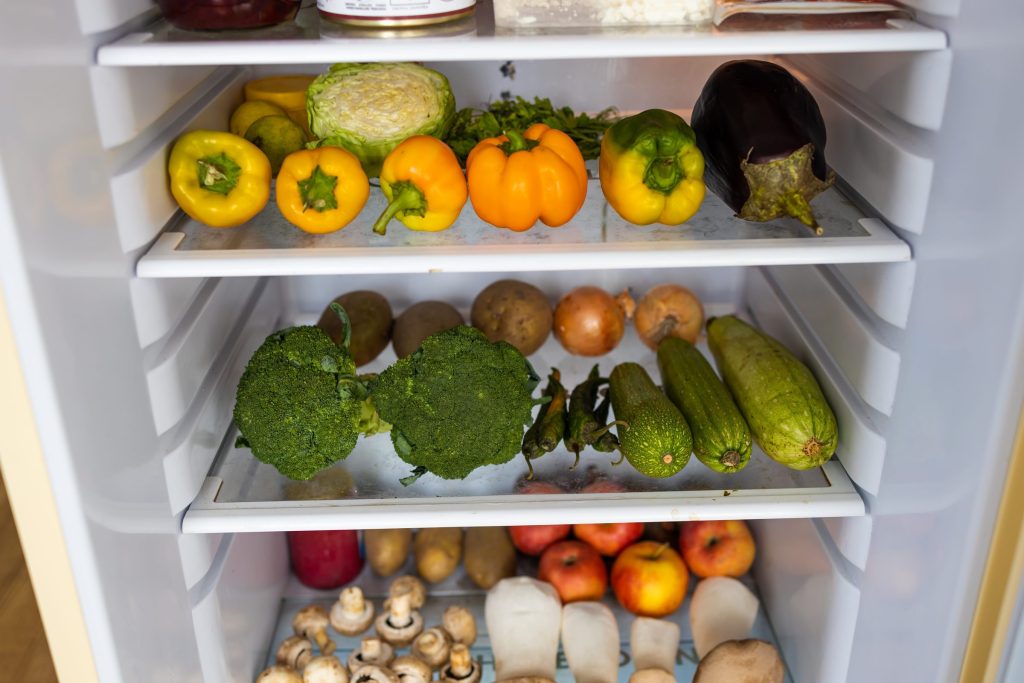
Water beading on the inside walls, damp down the middle of a French door, or moisture on the outside of a glass cellar door. In this climate some of that is the room rather than the appliance — and the difference is worth knowing before anybody is called.
- Water on the inside walls or shelves
- Damp down the mullion between two doors
- Moisture on the outside of the glass
-
And what it says about the rest The interior lights have stopped
A cabinet that is cooling perfectly and is dark inside. Usually a small repair — and occasionally the first visible sign of something worth catching early.
- One section dark, the rest lit
- All the lights out and the cabinet still cold
- Lights flickering or coming on late
-
Two degrees is worth calling about Wine cellar has drifted
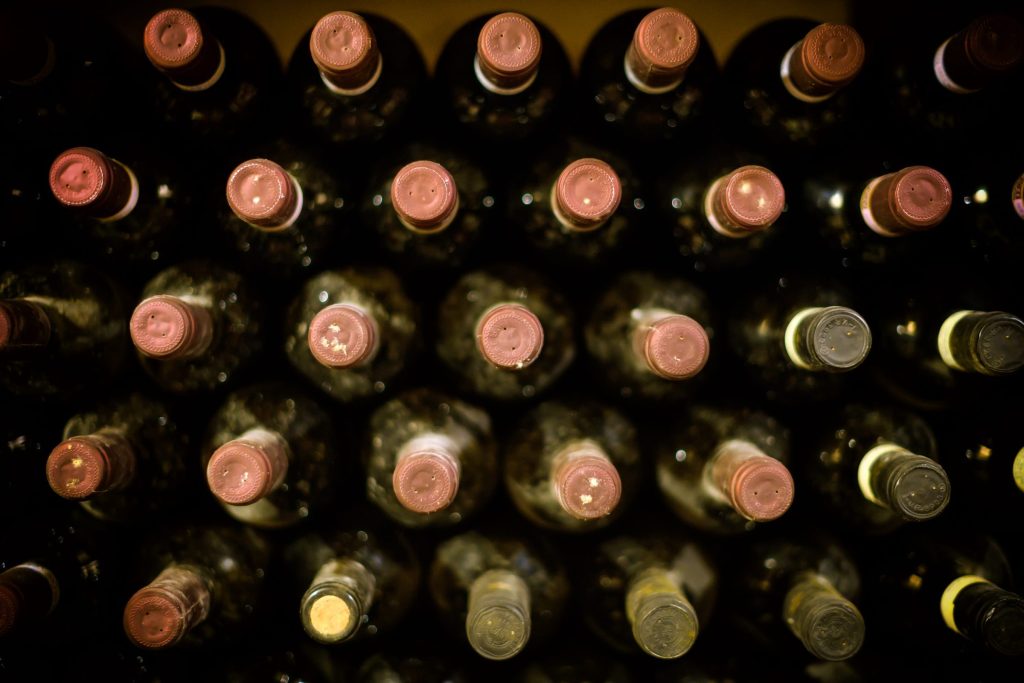
A cabinet a few degrees off, one zone right and the other wrong, or a cellar that has started to hum differently. This appliance almost never stops — it drifts, and it does not tell you.
- One zone holding and the other not
- A display and a thermometer disagreeing
- A new noise or vibration through the racks
-
Most of these are messages Nothing works since the power came back
A storm week symptom, and one where a large share of the calls we take are appliances that are perfectly well. Modern machines notice an outage and tell you about it afterwards, and telling you is not the same as being broken.
- A display showing a code that was not there before
- An appliance that will not run a timed function
- Several appliances behaving oddly at once
-
Lit and ignoring you A control panel has stopped responding
The panel lights up, shows what it always shows, and does nothing when pressed. Two free things account for most of this, and the third is a measurement rather than a guess.
- Buttons that do nothing when pressed
- A padlock symbol on the display
- Some pads working and others not
-

And urgency depends on where There is water where it should not be
Water inside a cabinet, under a machine, or across the floor. In a kitchen where almost everything is built into cabinetry, where the water is matters as much as how much of it there is.
- Water on the floor in front of an appliance
- Water standing inside a refrigerator
- A damp cabinet base nobody noticed for weeks
What we do on it
Repairs we carry out on JennAir wine coolers
Starting figures for this equipment in South Florida. The exact cost is confirmed after an on-site diagnostic — and this is not the whole list of what can go wrong, so call if your problem is not here.
-
from $95 Diagnostic visit
We read what the appliance is reporting, then measure before saying anything about the repair. On a built-in kitchen that also means working out how the appliance comes out before anybody touches it. The fee is credited toward the work when you go ahead.
- The code read on site, and the free causes ruled out first
- Measured rather than guessed
- Credited toward the repair
-

from $695 Sealed system & compressor repair
The largest figure on this site and the only one quoted last. Recovery, leak location, the repair, a new filter drier, evacuation and a charge weighed to the plate. Reached only after everything cheaper has been measured and excluded.
- Quoted only after the whole cheaper list is ruled out on record
- Charge weighed to the plate, not topped up by feel
- The warranty position established before any figure is given
-
from $165 Door, gasket & alignment repair
The cheapest thing on the refrigeration list and the one that imitates the most expensive. A tired seal produces a cabinet that will not hold temperature, condensation, and a compressor running far longer than it should. On this make it is often the cabinet panel rather than the appliance.
- Seal checked along its whole length, not eyeballed
- The cabinet panel and its hardware ruled in or out first
- Hinges and closing set with the real door weight on them
-
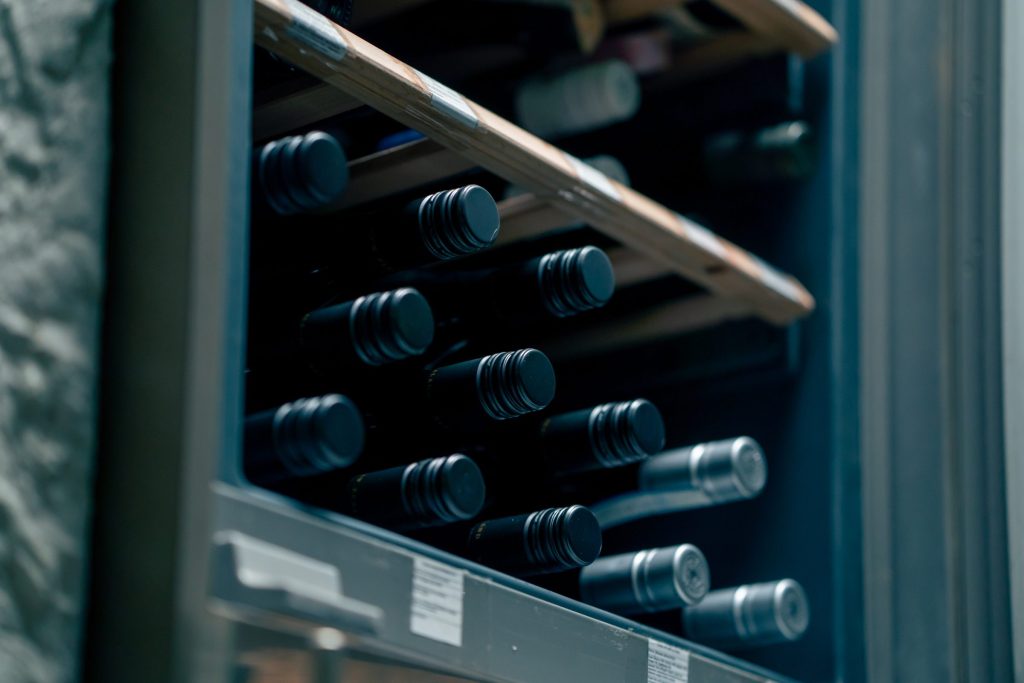
from $245 Wine cellar cooling & airflow repair
A cabinet that has drifted two degrees, one zone holding while the other does not, or a new noise through the racks. A wine cellar rarely stops outright — it drifts, and it says nothing about it.
- Airflow at the toe-kick grille checked before any component
- Both zones measured independently of the display
- Humidity measured, because no panel reports it
-

from $175 Appliance maintenance
One visit covering every filter, condenser, seal, grille, duct and descale in the kitchen. This row exists to keep the $695 row away, and in a house with a full suite from one maker it is the cheapest money on this site.
- Every appliance in the kitchen on one visit
- Second and third appliance far cheaper than the first
- Written down, so next year starts from a record
-
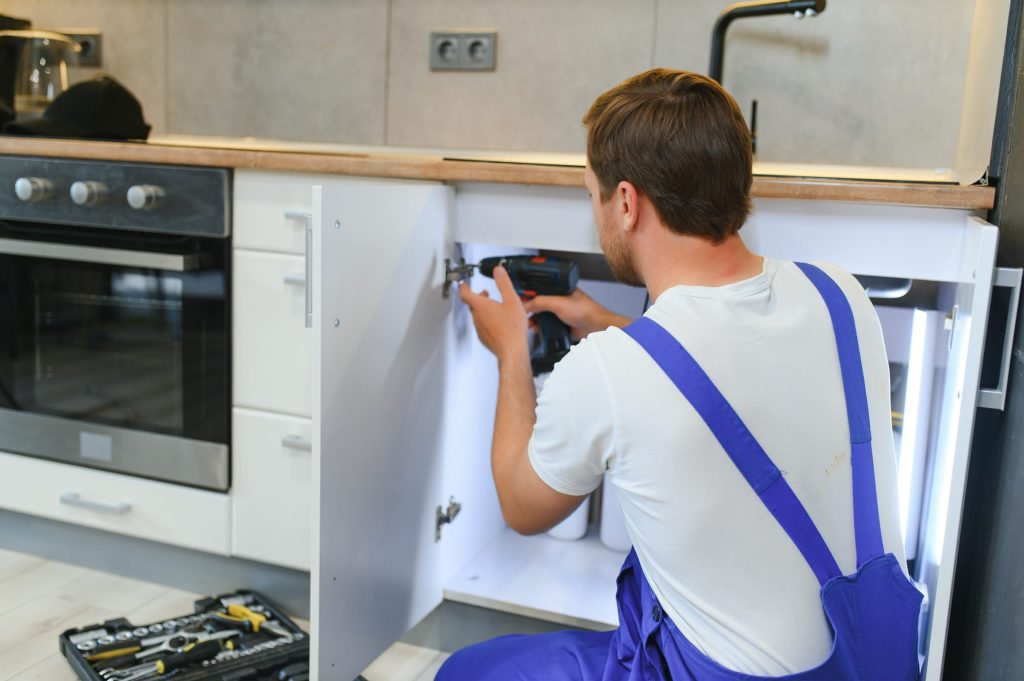
from $225 Appliance installation
Built in, paneled, or both — which is nearly everything on this make. Hanging a cabinet door on an appliance and aligning it to a run is not the same work as sliding something into a gap, and this is where a meaningful share of the repairs on this site are prevented or created.
- Clearances and ventilation to the maker's own instructions
- Cabinet panels hung, aligned and left square
- The mistakes that become service calls, avoided at the start
In more detail
About JennAir wine coolers
What this row is
Undercounter wine coolers at 18 and 24 inches, and full-height wine columns, most of them dual-zone — two temperatures in one cabinet so reds and whites can be held separately — and most of them panel-ready, with a glass or a solid door depending on where they are installed. In this market they turn up in kitchens, in bar runs, in butler's pantries and in wine rooms of their own.
What we are called out for
- Drift. One zone holding and the other creeping, which on a dual-zone cabinet usually points at a damper, a fan or a sensor rather than at the system.
- Airflow at the toe kick, which is the first thing to look at on any undercounter unit and costs nothing to check: these cabinets breathe through the grille at the bottom, and a built-in surround that closed it up will do this.
- The condenser, for the same reason and with the same symptom.
- Sensors, which is what "the display says one thing and the bottles say another" comes down to.
- The door — seal, alignment, hinge, and on a paneled door the panel hardware.
- Fan and compressor mounts, where the complaint is noise or vibration rather than temperature.
The second-home problem
More of these cabinets than anyone would guess are in homes that are empty for months. A cellar that drifts in March is discovered in November, and by then the drift is the smaller half of the story. If a property of yours is unoccupied for part of the year, the cabinet is worth a look before the season rather than after it — and if it is on a smart connection, worth having the alerts go somewhere that is being read.
What to have ready when you call
The model number, whether it is single or dual zone, which zone is the problem, and what an independent thermometer inside the cabinet reads next to what the panel claims.
This article is based on:
- Official manufacturer documentation
- Internal repair procedures
- Technician repair history
- Company quality standards
Before you book
Questions about JennAir wine coolers
It is two degrees off. Is that worth a service call?
Yes, on this appliance more than on any other in the kitchen. A refrigerator two degrees off is an inconvenience; a cellar two degrees off, held for months, is a measurable change to what is in it. And two degrees is usually early — it is the symptom that arrives before the one that would have made you call anyway.
Why does humidity matter as much as temperature?
Because it shows on corks and labels long before it shows on a display. A cabinet holding a perfect temperature at the wrong humidity is not doing its job, and no panel on any of these machines reports humidity to you. It is one of the things we measure on the visit rather than ask you about.
Is vibration a real problem or a myth?
Real, and diagnosable. Constant low-level vibration transmitted into the racks is not what a compressor mount or a fan is supposed to do, and a cabinet that has started to hum or buzz differently has usually developed a mechanical reason for it. It is also one of the few problems on this appliance you can hear before an instrument can measure it, so if it sounds different, say so.
The glass door is fogging on the outside.
That is the room, not the cabinet — warm humid air meeting cold glass, which in a South Florida summer is exactly what should happen. What is worth checking is whether the door heater, if the model has one, is working, and whether the door is sitting square. Fogging on the inside is a different matter and does point at the seal or at how often the door is being opened.
Where we do it
Across Miami-Dade, Broward, and Palm Beach
Same terms everywhere we go: an on-site diagnostic first, the price agreed in writing, and the exact figure confirmed once we have seen the unit.
Neighborhoods people ask for by name