JennAirRepair Miami

321 conditions, and not one of them written by us

JennAir error codes, decoded by appliance.

Type the number and then pick the machine showing it. That second step is not a formality: 108 of these 179 numbers appear on more than one appliance and mean different things on each, so a bare table of numbers would be wrong more often than it was right. And on 272 of the 321, everything the maker publishes to do is one minute at the breaker — those pages say what that minute actually is. A test, not a repair.

  • 321 conditions, all from the maker's own base
  • 179 distinct numbers
  • 7 appliances they appear on
  • from $95 diagnostic, credited to the repair

Book a visit

Book a diagnostic visit

Your model number and a line about what it is doing is enough to get started. We will confirm the earliest slot we can genuinely keep.

  • Diagnostic from $95, credited toward the repair when you go ahead
  • The work and the price in writing before anything is opened
  • A warranty on our workmanship
  • Miami-Dade, Broward and Palm Beach counties
  1. 01 You tell us the model and what the unit is doing. A photo of the display helps.
  2. 02 We come back with the earliest slot we can genuinely keep, not the earliest one that sounds good.
  3. 03 Diagnosis on site, then the scope and the price in writing before anything is opened.

Your details stay private. No spam, ever.

Loading the booking form…

The booking form is taking longer than it should. Call (305) 745-7213 and we will book the visit with you.

Search the archive

Type what the display is showing

Partial numbers work. So do the spaced forms the maker's own pages use — F2 E1 finds F2E1 — because you will type whichever one you saw.

321 conditions across 179 numbers, every one of them read from the manufacturer's own support base and linked to the page it came from. This numbering is shared across the badges of one corporation, so a result under a sibling name is usually the maker's own text rather than somebody's guess. If yours is not here, call (305) 745-7213 with the model number and what the display is doing.

The most useful thing on this page

On 272 of these, the entire published instruction is a reset.

Not most of them — 272 of 321. For the majority of cooking conditions on this platform, everything the maker prints is a one-minute cycle at the circuit breaker, printed on the same page that says the condition points at a sensor, a control or its wiring.

A site that reprinted those five steps and stopped would be telling you that you can fix this. So every one of those pages here says what the minute really is: a way of finding out whether the condition is live. If the code does not come back, the control got confused and there was nothing to repair. If it does, the circuit is still reporting and a second attempt at the same breaker will change nothing.

How to reset it
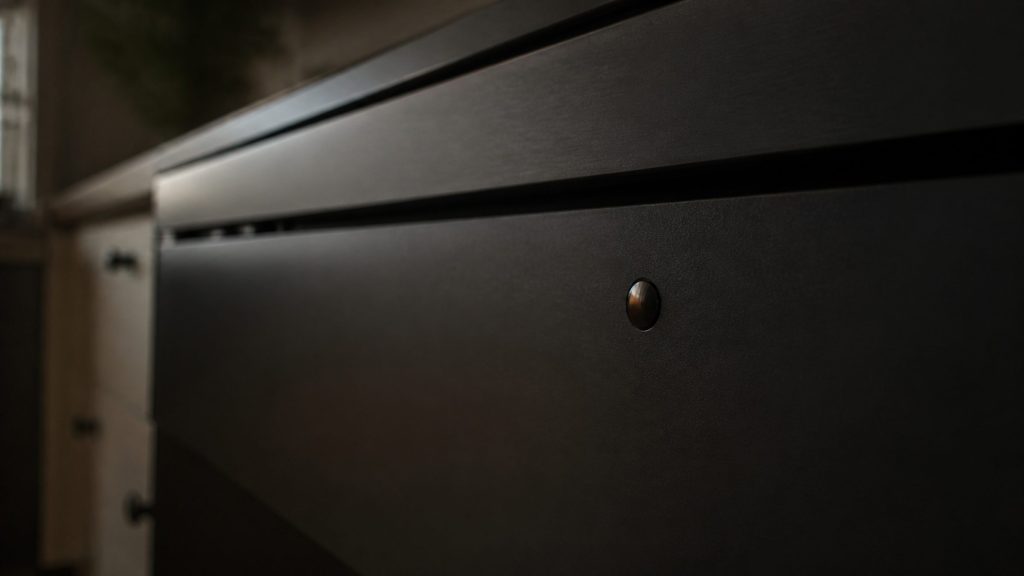
A close view along a dark appliance fascia in a shadowed kitchen, one small unlit indicator lens catching a warm reflection, the rest of the surface plain.

Read the plate as well as the display

These numbers do not belong to this badge.

JennAir, KitchenAid, Whirlpool, Maytag and Amana are one corporation running the same control platforms, and the same condition sits at the same address under more than one of their support sites. We can show our working: the Built-In Microwave error branch on this maker’s base is dead in exactly the same 159 pages that are dead on its sibling’s, stale since 2019. Two badges, one platform, one rotten branch.

That is worth more to you than a claim of exclusivity would be, because it tells you how to read a code at all: the number names the subsystem and the model number names the machine. Which is why 108 of these 179 numbers appear on more than one appliance here, and why every title in this archive says which one.

Find your model
An open paper notebook and a pen lying on a dark stone kitchen counter in warm daylight, a coffee cup at the edge of the frame.

Two numbers, not one token

F2E1 and F2E0 are neighbors. F1E1 is not.

The F says which function noticed something. The E says what it noticed. So two conditions sharing an F are describing the same corner of the appliance, and two that merely look alike on a small display may have nothing to do with one another.

Nobody typed the table below. It is what this maker’s own published meanings add up to when every F-group is totalled, and it is recomputed each time this archive is rebuilt:

  • F1 — control board, on 13 of the 20 F1 conditions that carry a published meaning
  • F2 — user interface or keypad, on 14 of the 15 F2 conditions that carry a published meaning
  • F3 — temperature sensor and its wiring, on 13 of the 13 F3 conditions that carry a published meaning
  • F5 — door latch assembly and door switch, on 12 of the 13 F5 conditions that carry a published meaning
  • F6 — appliance manager and its communication, on 11 of the 15 F6 conditions that carry a published meaning
  • F8 — cooling fan and airflow, on 8 of the 9 F8 conditions that carry a published meaning
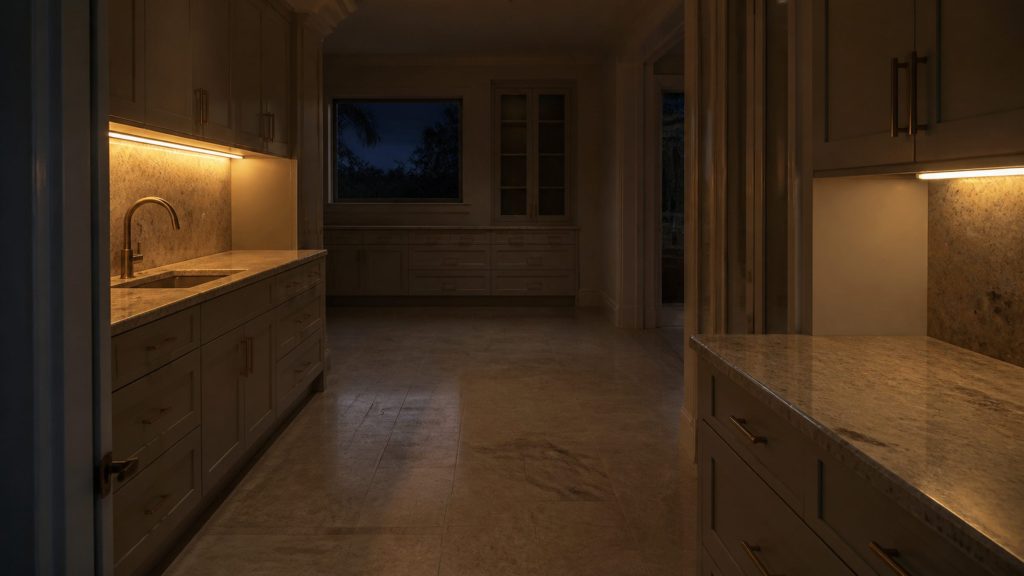
A dark South Florida kitchen at dusk seen from the doorway, warm under-cabinet light along a bronze-handled run of cabinetry, reflections in a stone counter.

Before you clear it

Three things worth doing while the code is still on the display

Clearing a code is the one step that cannot be undone, and it takes the free half of the diagnosis with it.

Write down both halves

  • The F and the E, exactly as shown, including any leading zero
  • Photograph the display rather than transcribing it
  • Note anything the appliance was doing when it appeared

Then the breaker, for a full minute

  • A full minute, so the control loses its charge — not a flick
  • Large appliances are usually on their own circuit
  • Whether it comes back is the actual result

And get the model number

  • Inside the door frame on a range or wall oven; the edge of the door on a dishwasher
  • Underneath a cooktop, behind the toe-kick grille on an undercounter unit
  • A photograph of the plate — the characters run together

No number on the display?

Plenty goes wrong without one

A great deal of this equipment reports nothing at all. A downdraft that runs and pulls no air, a gas burner that clicks and will not light, a wine cellar sitting two degrees off, an undercounter ice machine that has quietly stopped — none of those produce a code, and none of them are on the list above. They are described in plain words instead.

  • The lower basket and tub floor of an open dishwasher, empty
    Water still in the tub

    Dishwasher will not drain

    A cycle that finishes — or stops — with water standing in the bottom of the tub. Four of the five things that cause this are outside the machine or free to clear, which is why this one is worth ten minutes before it is worth a visit.

    What it usually means
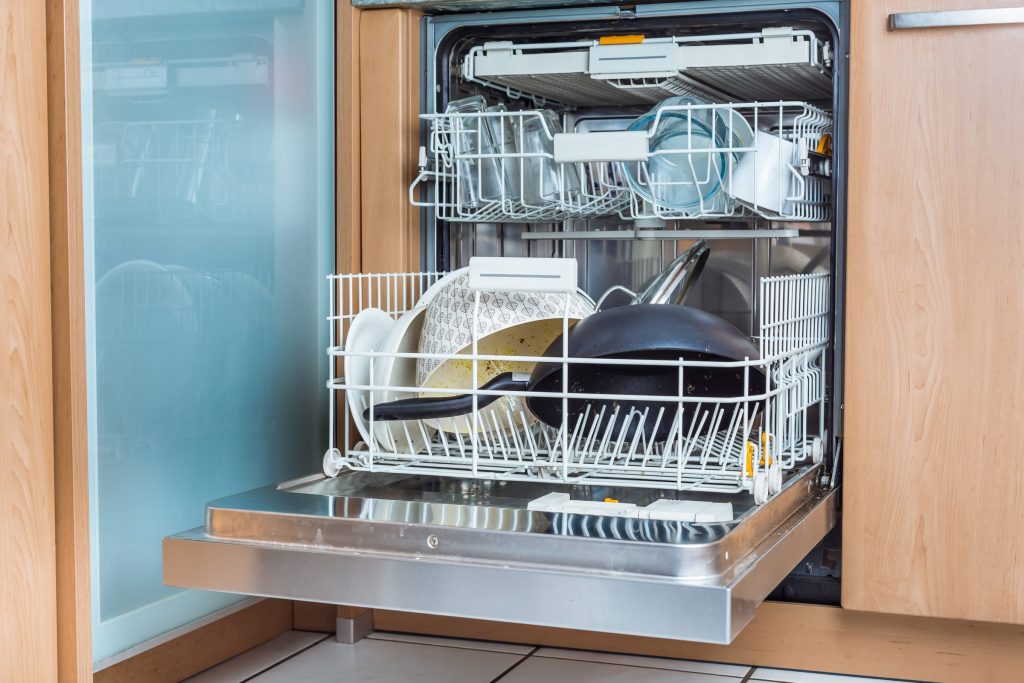
  • A built-in dishwasher standing open with both baskets loaded
    Gritty, filmed, or dirty on one rack

    Dishwasher is not cleaning

    The complaint that most often ends without a part. Which rack is failing, and whether the film wipes off, are the two answers that decide almost everything — and both of them are free to establish.

    What it usually means
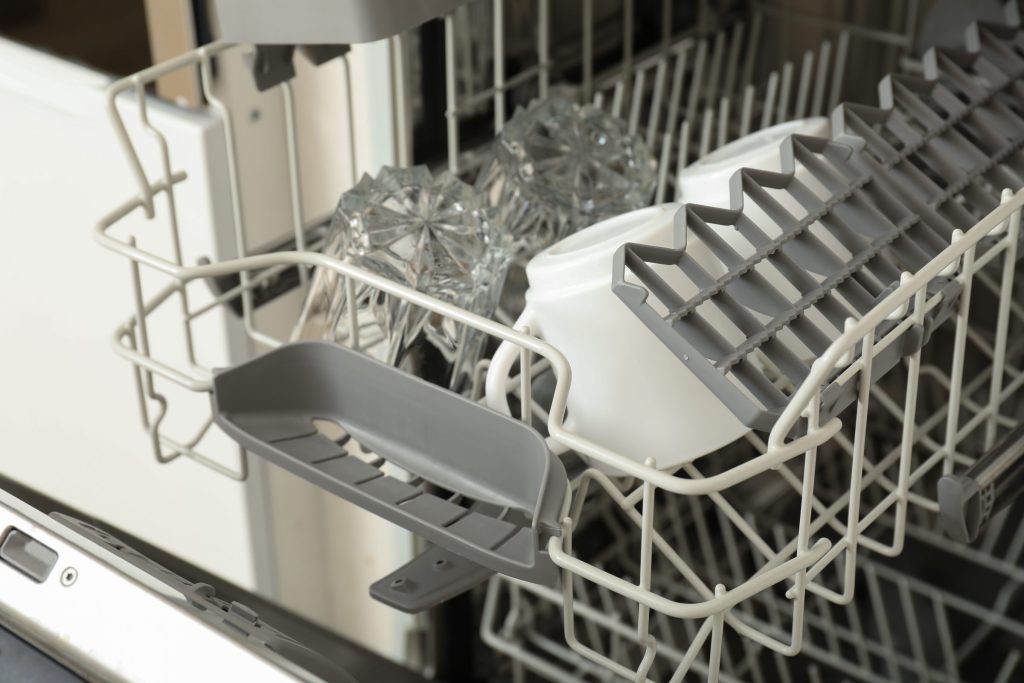
  • Plates and glasses standing in the upper basket of an open dishwasher
    Clean but wet

    Dishwasher is not drying

    Everything comes out clean and everything comes out wet. On these machines that is usually not the heater — it is the rinse aid, the way the load is stacked, or the cycle that was actually run.

    What it usually means
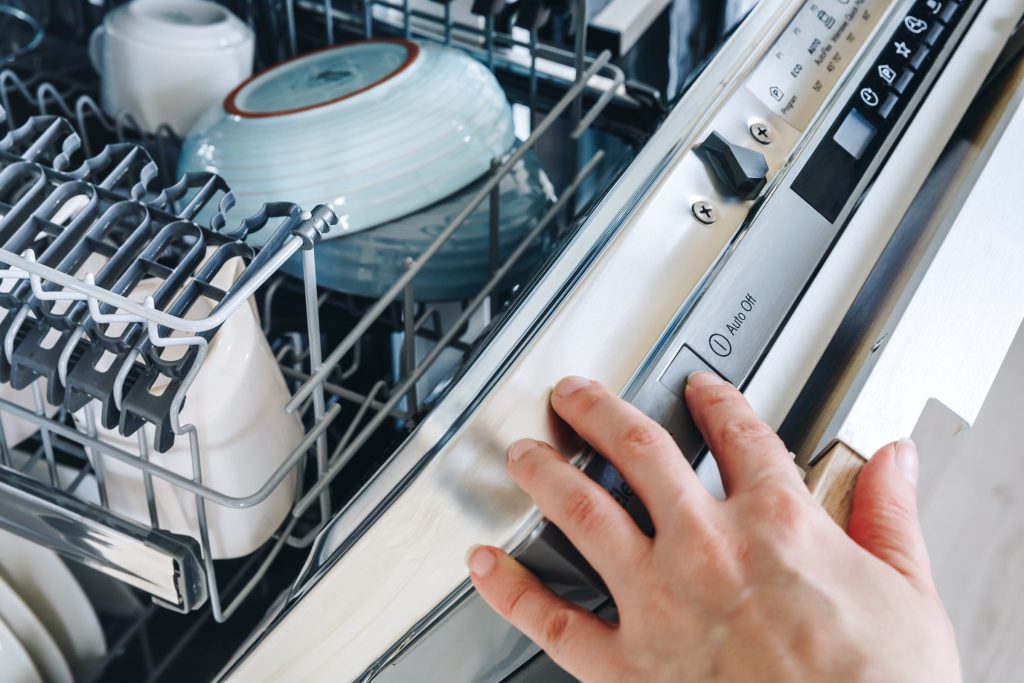
  • A hand at the control panel on the top edge of a dishwasher door
    Nothing happens, or nothing responds

    Dishwasher will not start

    A panel that ignores you, a machine that accepts a cycle and never begins it, or a completely dark front. On a fully integrated machine the controls are hidden along the top edge of the door, which is why so many of these are not what they look like.

    What it usually means
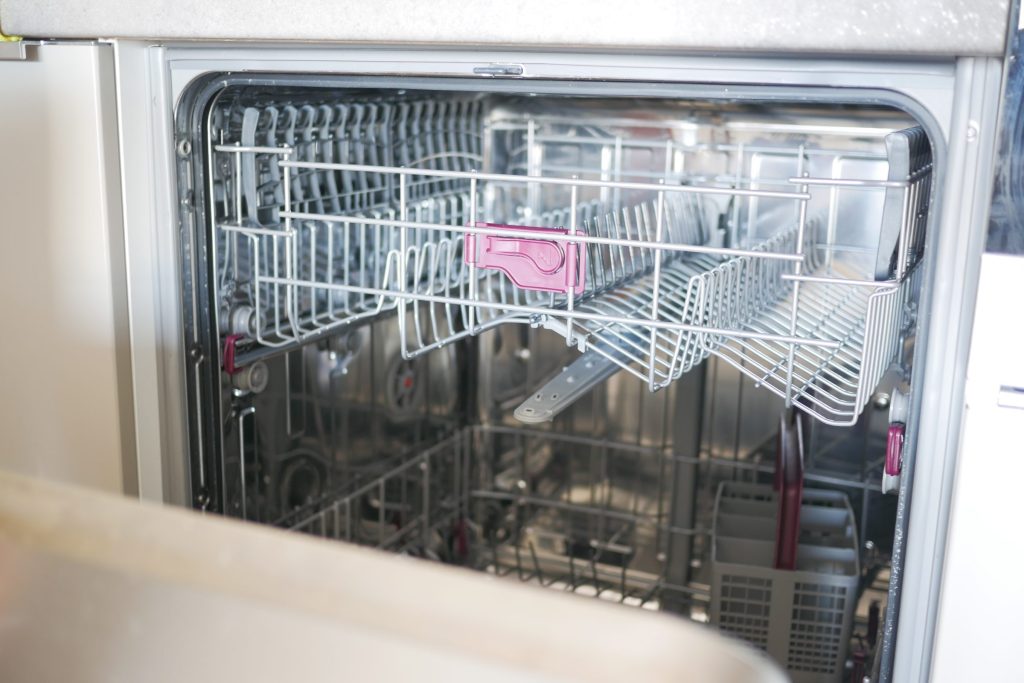
  • The empty wire baskets of a dishwasher seen through its open door
    The cycle runs dry

    Dishwasher is not filling

    A machine that starts, makes the right noises and never puts any water in — or puts in so little that nothing gets clean. Half of this is under the sink rather than in the appliance.

    What it usually means
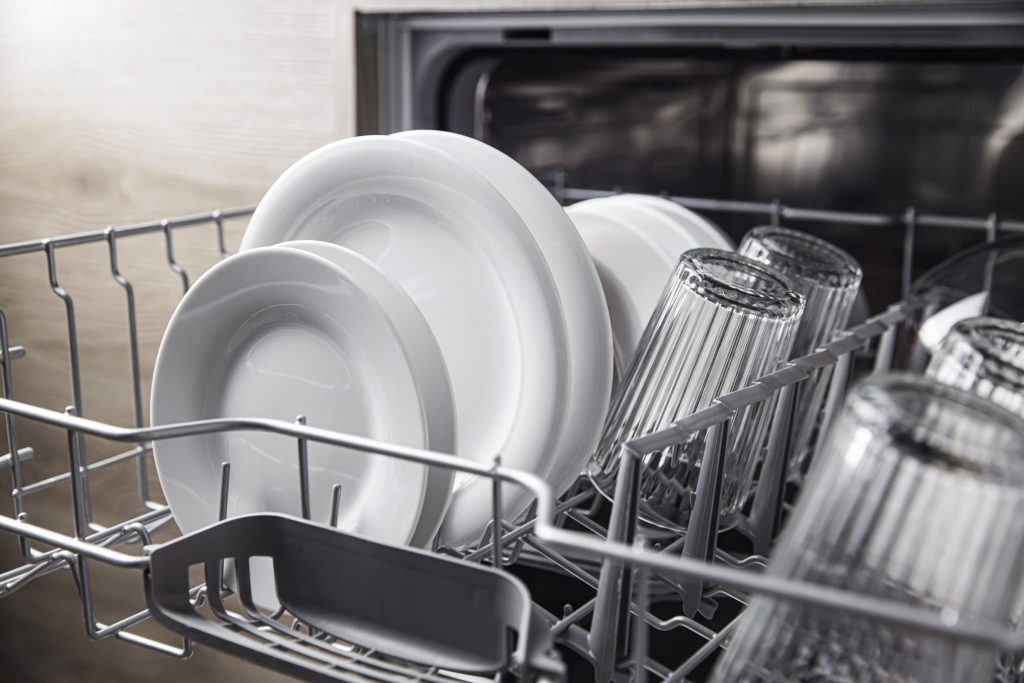
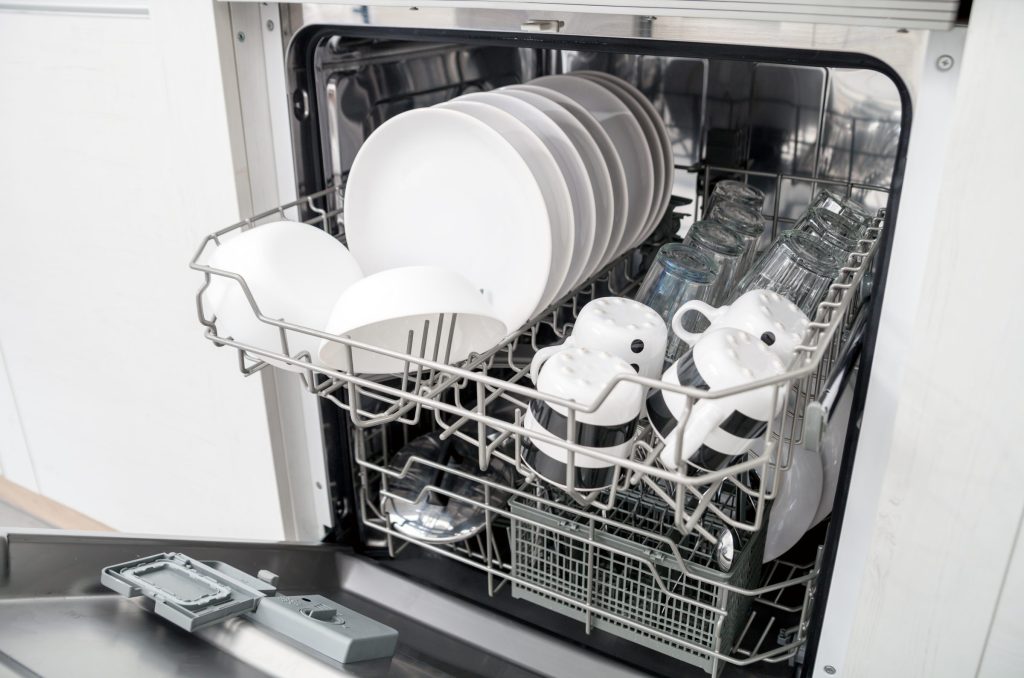
  • Plates and cups stacked in the baskets of an open dishwasher
    And it is almost never the machine

    The dishwasher smells

    A smell that meets you when you open the door. It is one of the few complaints on this site where the answer is almost always something you can do yourself in twenty minutes.

    What it usually means
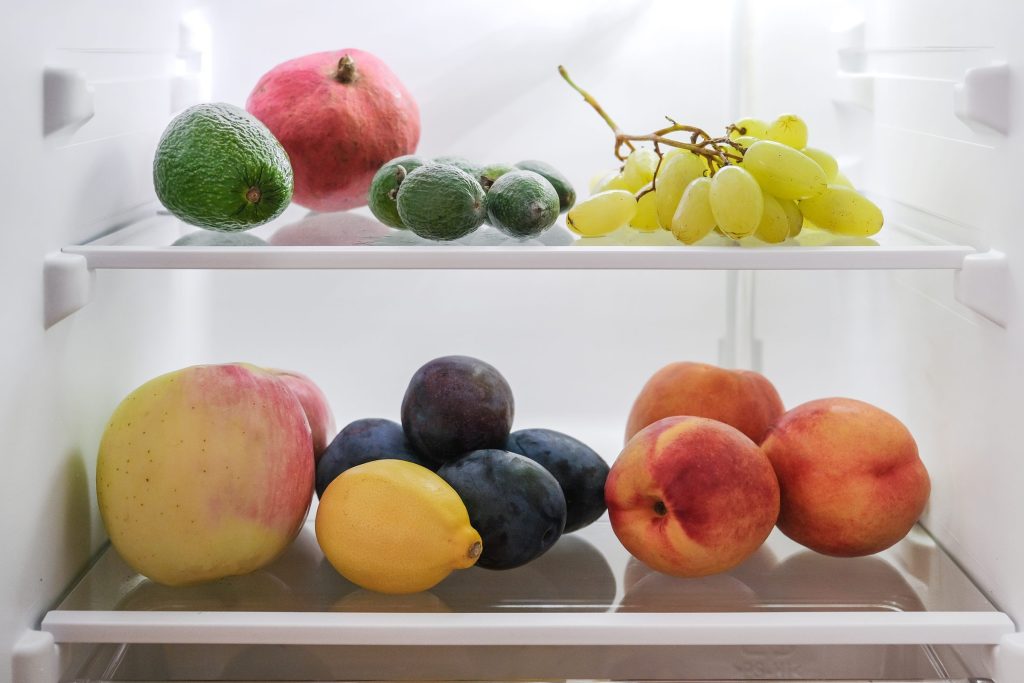
  • Fruit resting on two glass shelves inside a refrigerator
    And which half matters

    Refrigerator is not cooling

    The most called-about symptom on this site, and the one where the first question answers most of it: is the freezer still cold? On a combination cabinet that single answer moves the diagnosis from expensive to ordinary.

    What it usually means
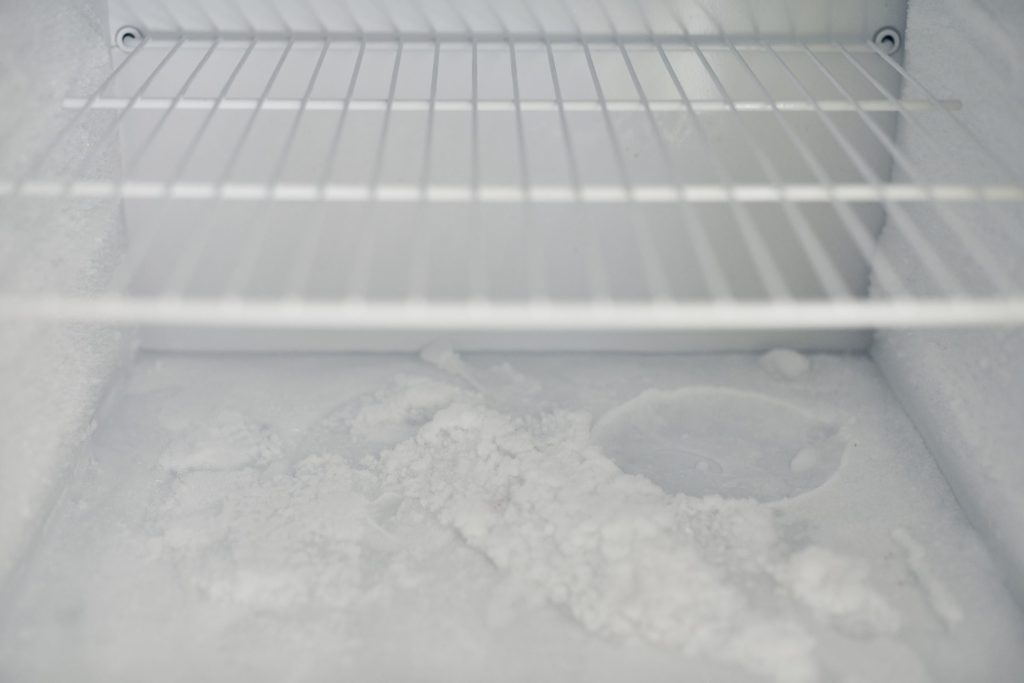
  • Frost forming across a wire shelf inside a cold compartment
    Too cold is a symptom too

    The refrigerator is freezing food

    Lettuce with ice in it, milk with crystals, things at the back frozen solid while the door shelves are fine. Almost always a control or an airflow problem rather than a cabinet that is simply set wrong.

    What it usually means
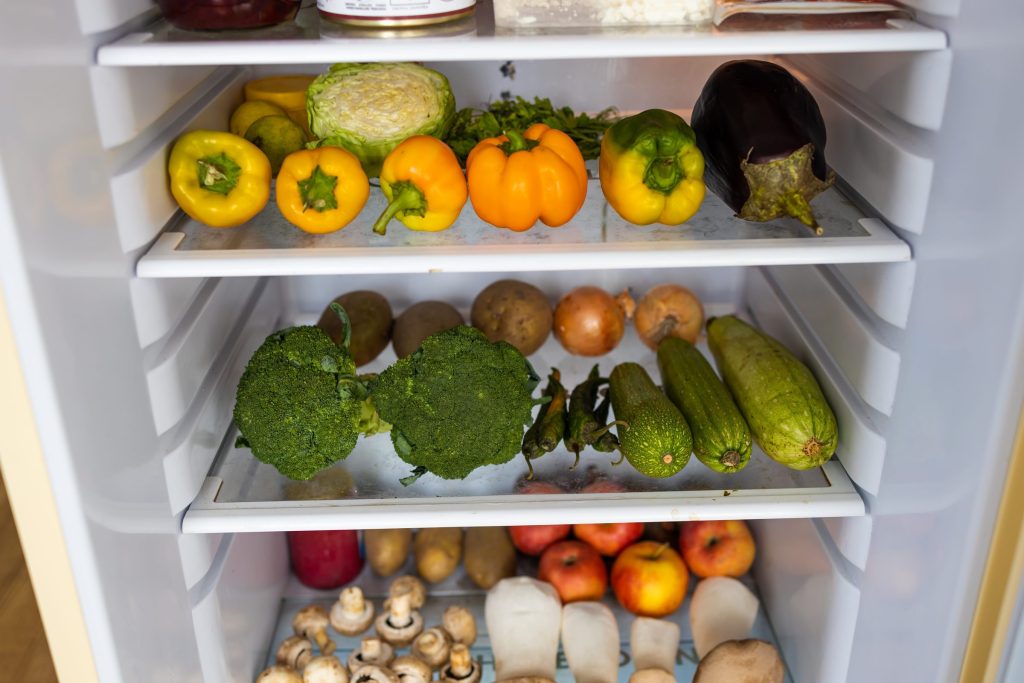
  • Peppers, broccoli and vegetables arranged on the shelves of an open refrigerator
    A South Florida question

    Condensation inside or around the door

    Water beading on the inside walls, damp down the middle of a French door, or moisture on the outside of a glass cellar door. In this climate some of that is the room rather than the appliance — and the difference is worth knowing before anybody is called.

    What it usually means

No number on the display?

Plenty goes wrong without one.

A gas burner that will not light reports nothing. Neither does a downdraft that has stopped pulling, a wine cellar that has drifted two degrees, a microwave that runs and heats nothing, or a cabinet whose door has stopped sealing. None of those has a code and all of them have a page — described in plain words on the symptoms archive instead.

Call (305) 745-7213 and describe it however it comes out. You do not need the vocabulary.

About these codes

Questions we get about the display

Is there one master list of JennAir error codes?

Not one that would be correct. 108 of the 179 numbers here appear on more than one appliance and mean different things on each, so a single alphabetical table would be wrong for most readers most of the time. This archive is keyed on the machine instead, which is also how the maker's own support base is organized.

I found the same code on a KitchenAid or Whirlpool page. Which one is right?

Both, probably. Those badges and this one belong to the same corporation and run the same control platforms, and the same condition sits at the same path under more than one support site. Read the page for the machine in front of you: the code tells you the subsystem, and only the model number tells you the appliance.

The instructions just say to turn the breaker off and on. Is that the repair?

No, and it is worth being clear about it because it applies to 272 of the 321 conditions here. The power cycle is a test. It clears the stored condition and makes the control read every circuit again from cold. If nothing returns, the control was confused rather than broken. If the code comes back, the circuit is still reporting and no amount of repeating it will change that.

What does the F mean, and what does the E mean?

The F is the function that reported — which part of the appliance noticed. The E is what it reported. That is why conditions sharing an F belong together and two codes that look similar on a display often do not. Where this maker's own published meanings agree strongly enough within an F-group, the archive page prints the tally.

Why do some pages here say the code has no meaning?

Because the maker publishes the number and never says what it stands for — that is true of 27 conditions in this archive. Those pages say so and stop. Writing a plausible cause would be an invention, and an invention on a page somebody is reading before ordering a part is worse than a gap.

My undercounter cabinet shows E1 rather than an F code.

That is a different and much shorter series, used on this maker's undercounter refrigeration — the wine cellars, beverage centers and undercounter refrigerators. It is a sensor report rather than a general failure, and which number it is names which sensor. Both are in this archive under the machine that shows them.

How this archive was built

Where every one of these 321 conditions came from

One source, read completely

Every condition here was read from the manufacturer’s own support base for this badge — 747 pages, fetched at the crawl delay its robots file asks for, with no failures. Nothing was taken from a parts blog, a forum or an aggregator, and nothing was carried across from a sibling brand’s site. Where the maker publishes a meaning, the page has one. Where it publishes a procedure and no meaning, the page says exactly that.

Keyed on the appliance, deliberately

108 of these 179 numbers are published for more than one machine, and they do not mean the same thing on any two. Publishing them as one alphabetical list would produce pages that contradict each other. So every title in this archive names the appliance, and the search box above expects you to know which machine you are standing in front of — which you do.

What the archive is not

It is not what makes this site different from the ones next door to it, and pretending otherwise would be dishonest. JennAir shares its control platform with several other names, so this table is largely theirs too. What is this badge’s own is the class of machine — built-in, panel-ready, column, rangetop — the two design expressions, the downdraft this maker invented in 1965 and still sells, and the fact that its warranty runs two years parts and labor rather than one. Those are on the appliance and service pages, and they are where the real difference is.

What is missing, and why

This maker also publishes codes for its built-in coffee systems and its vent hoods. Neither has a page on this site, because neither has a row on the appliance list this site was built to, so those codes are left out rather than published without an appliance behind them. If you have one of those and a number on the display, call us anyway — we will still look at it.

And what to do with the number

Write down both halves before you clear it, photograph the model plate, and try one full minute at the breaker. If it comes back, tell us the code and the model number and you will hear what it points at before anybody is booked. We are an independent repair company, not affiliated with, authorized by or endorsed by any manufacturer, and we do not carry out repairs on any manufacturer’s behalf.
Tell us the code and the model number.

Two lines of text and we can usually tell you what it points at, what it is likely to cost, and whether it is still inside the manufacturer's own warranty.

This article is based on:

  • Official manufacturer documentation
  • Internal repair procedures
  • Technician repair history
  • Company quality standards
Call (305) 745-7213