Appliance
JennAir refrigerators
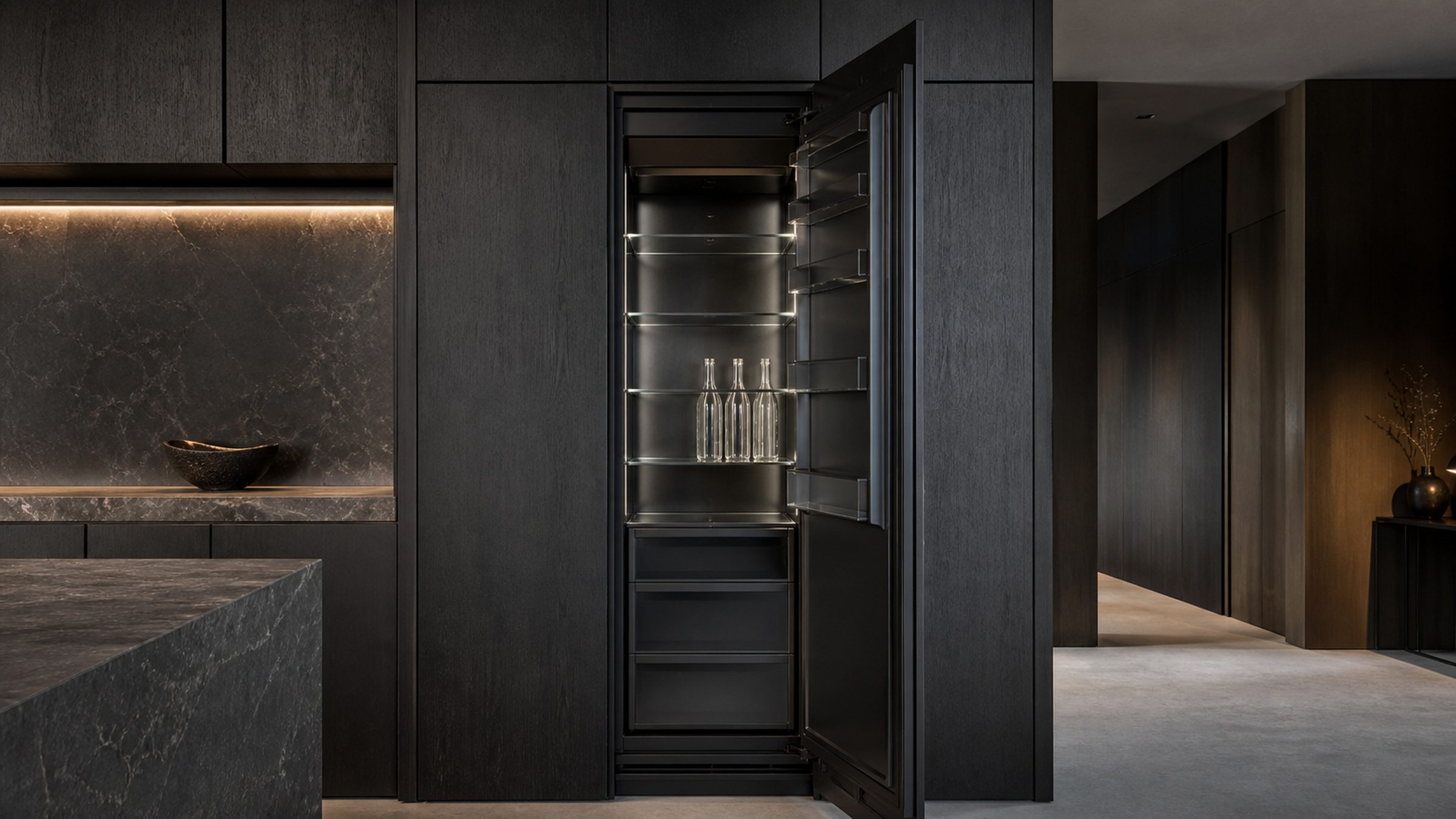
The largest row in this line and the one this phone rings about most. Built-in cabinets and panel-ready columns from 18 to 48 inches, French door, the undercounter units that live in an island or a bar run, refrigerated drawers and beverage centers. Most of them are trimmed into your cabinetry, which is the first thing we need to know.
- 14 symptoms we are called out to
- From $95 diagnostic, credited to the repair
- 59 cities and neighborhoods covered
- OEM parts available on order
The short version
What this equipment is, for a repair
Configurations
Built-in · Column · French door · Undercounter · Drawers · Beverage centers · 18"–48"
Access
Planned before the visit, not discovered on arrival
Parts
OEM, available on order
Diagnostic
From $95, credited to the repair
What goes wrong with it
Symptoms we are called out to on JennAir refrigerators
Each one covers the likely causes in the order they are worth checking, and what to do in five minutes before booking anything.
-
And which half matters Refrigerator is not cooling
The most called-about symptom on this site, and the one where the first question answers most of it: is the freezer still cold? On a combination cabinet that single answer moves the diagnosis from expensive to ordinary.
- The fresh-food side warm, the freezer still frozen
- The whole cabinet drifting a few degrees
- Running constantly and never getting there
-
Too cold is a symptom too The refrigerator is freezing food
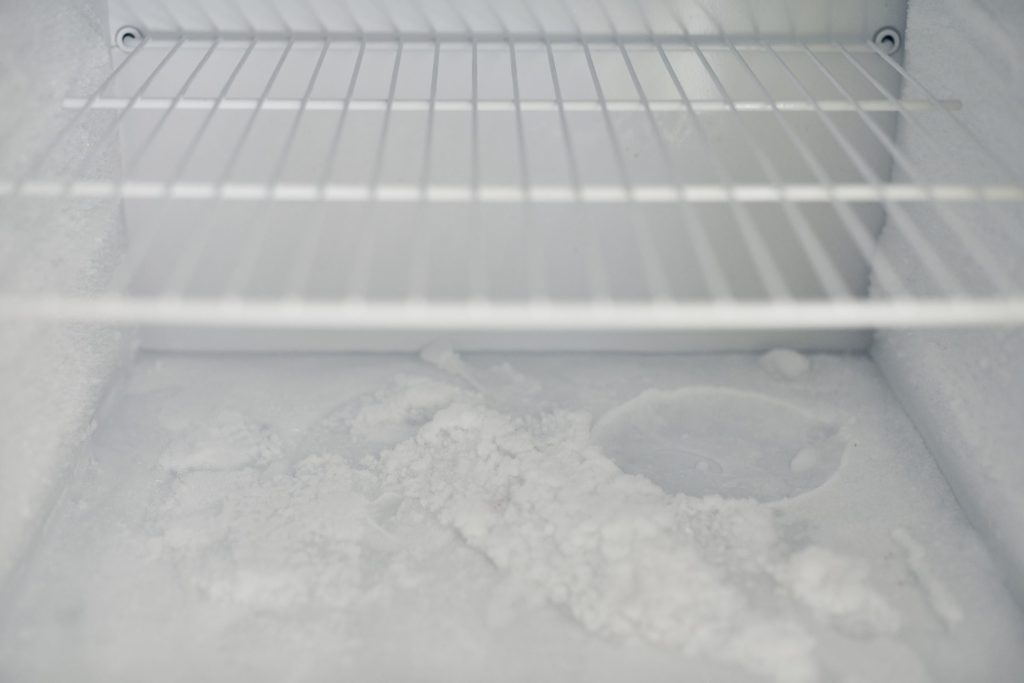
Lettuce with ice in it, milk with crystals, things at the back frozen solid while the door shelves are fine. Almost always a control or an airflow problem rather than a cabinet that is simply set wrong.
- Food at the back frozen, food at the front fine
- Everything in the crisper turning to ice
- The cabinet colder than its own setting
-
A South Florida question Condensation inside or around the door
Water beading on the inside walls, damp down the middle of a French door, or moisture on the outside of a glass cellar door. In this climate some of that is the room rather than the appliance — and the difference is worth knowing before anybody is called.
- Water on the inside walls or shelves
- Damp down the mullion between two doors
- Moisture on the outside of the glass
-
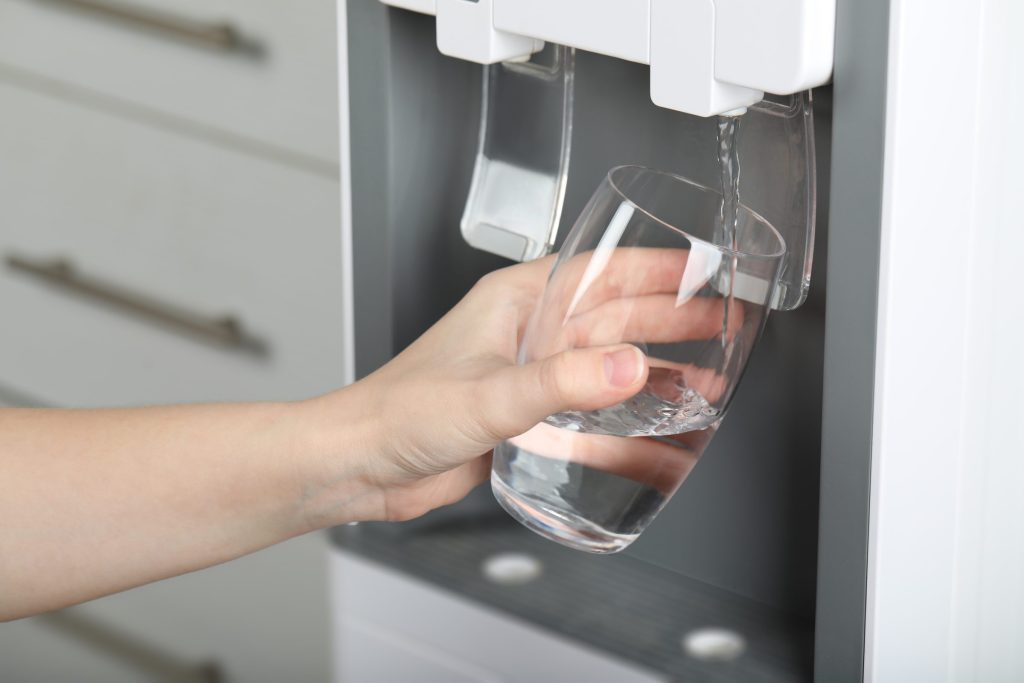
One path, several places it stops Water or ice from the door has stopped
No water, a dribble instead of a flow, or ice that has stopped arriving. One valve and one filter usually feed both, which is why fixing one so often fixes the other.
- Nothing from the water dispenser
- A weak flow that used to be strong
- Ice stopped at the same time
-
And what it says about the rest The interior lights have stopped
A cabinet that is cooling perfectly and is dark inside. Usually a small repair — and occasionally the first visible sign of something worth catching early.
- One section dark, the rest lit
- All the lights out and the cabinet still cold
- Lights flickering or coming on late
-
Or not freezing hard enough Freezer is not freezing
Ice cream soft, packaging pliable, or a column sitting ten degrees above where it should be. On a pair of columns the cabinet beside it has already told us half of what we need.
- Ice cream soft when everything looks frozen
- The column warm and the one beside it fine
- The temperature swinging through the day
What we do on it
Repairs we carry out on JennAir refrigerators
Starting figures for this equipment in South Florida. The exact cost is confirmed after an on-site diagnostic — and this is not the whole list of what can go wrong, so call if your problem is not here.
-
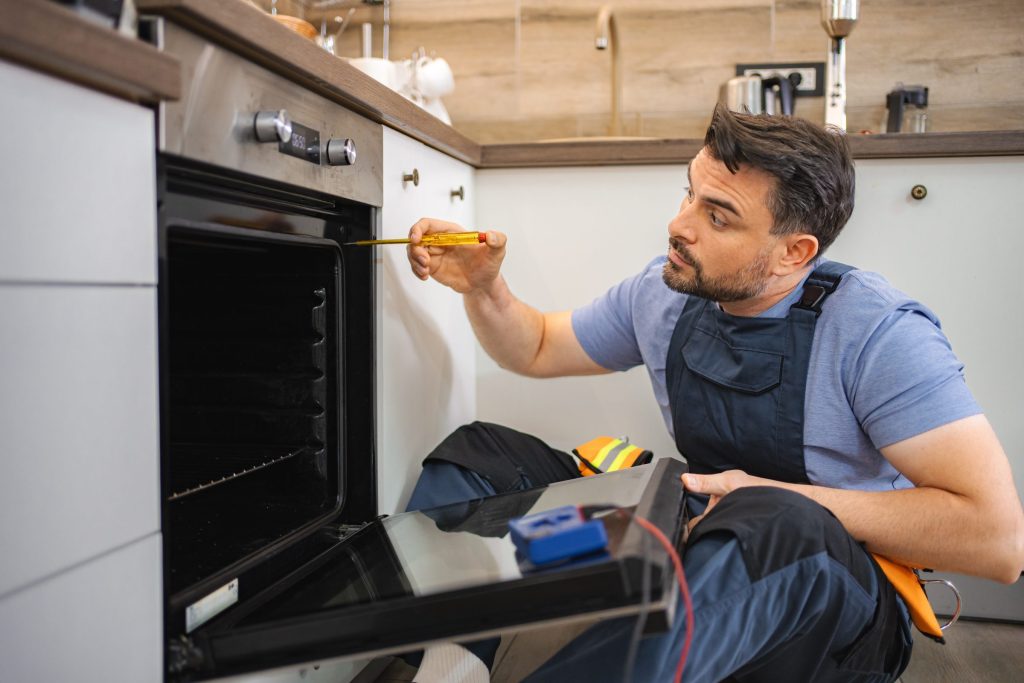
from $95 Diagnostic visit
We read what the appliance is reporting, then measure before saying anything about the repair. On a built-in kitchen that also means working out how the appliance comes out before anybody touches it. The fee is credited toward the work when you go ahead.
- The code read on site, and the free causes ruled out first
- Measured rather than guessed
- Credited toward the repair
-

from $165 Refrigerator defrost & cooling repair
A cabinet drifting warm, frost building where it should not, or a column that runs constantly and never quite gets there. This is where most refrigeration calls land, and it is the band the expensive one is reached by eliminating.
- Airflow and defrost measured before anything about refrigerant
- Evaporator fan, heater, thermistors and damper checked in order
- The condenser cleaned and the result proved before we leave
-

from $695 Sealed system & compressor repair
The largest figure on this site and the only one quoted last. Recovery, leak location, the repair, a new filter drier, evacuation and a charge weighed to the plate. Reached only after everything cheaper has been measured and excluded.
- Quoted only after the whole cheaper list is ruled out on record
- Charge weighed to the plate, not topped up by feel
- The warranty position established before any figure is given
-
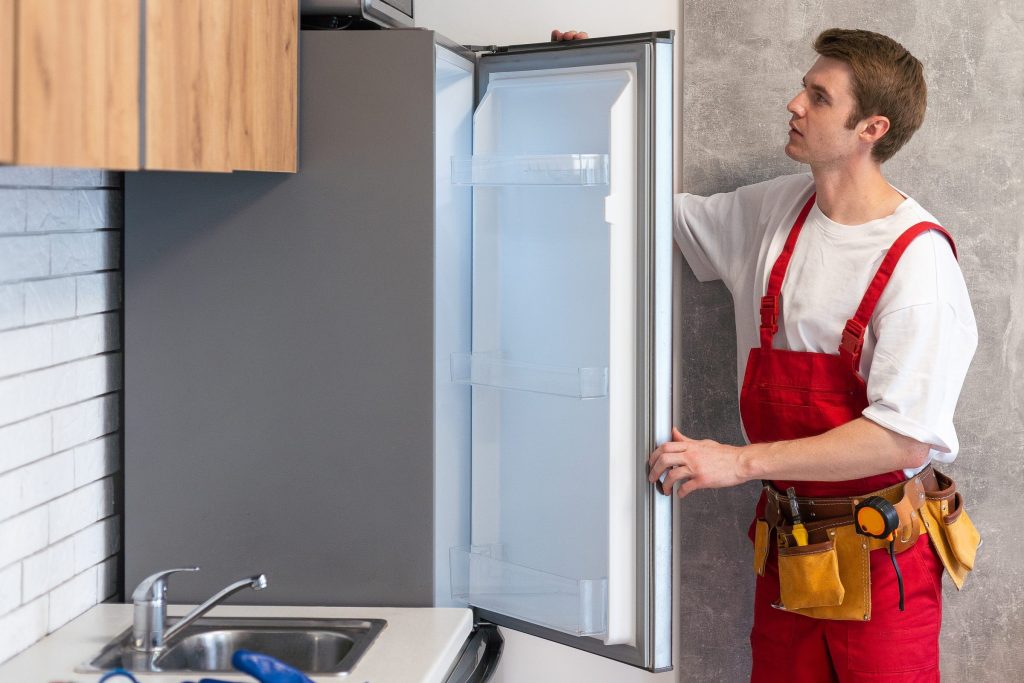
from $155 Refrigerator water & dispenser repair
Water on the floor, an ice maker that has stopped, a dispenser that dribbles or nothing at all. One inlet valve and one filter usually feed both, which is why this is one job rather than two.
- The whole water path followed: supply, valve, filter, line, maker
- A frozen fill tube ruled out before any part is ordered
- Leaks traced rather than mopped
-
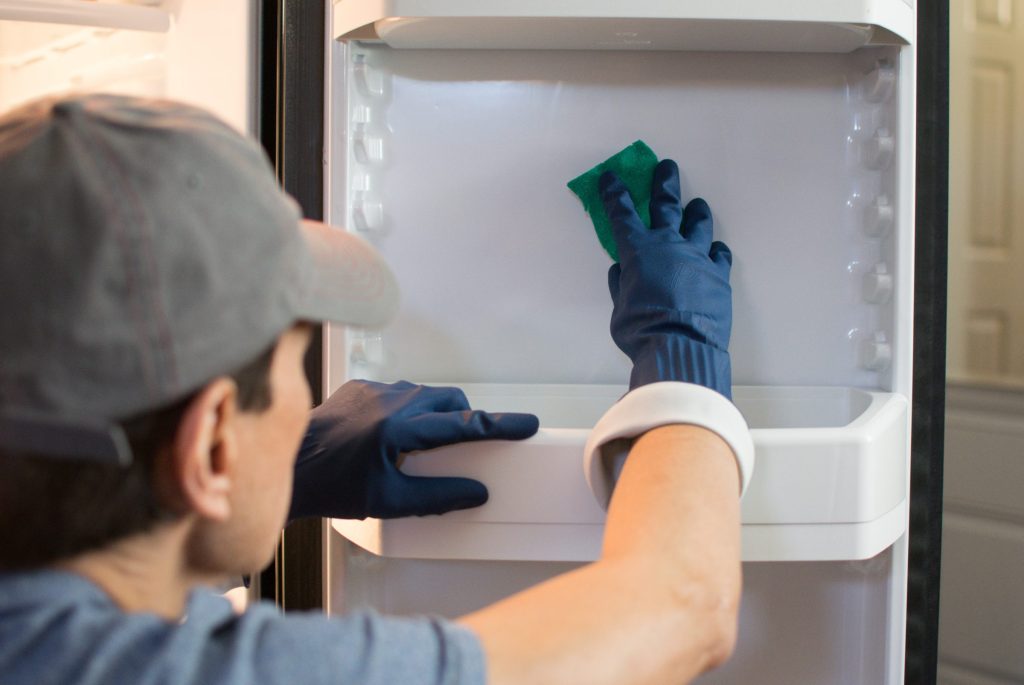
from $165 Door, gasket & alignment repair
The cheapest thing on the refrigeration list and the one that imitates the most expensive. A tired seal produces a cabinet that will not hold temperature, condensation, and a compressor running far longer than it should. On this make it is often the cabinet panel rather than the appliance.
- Seal checked along its whole length, not eyeballed
- The cabinet panel and its hardware ruled in or out first
- Hinges and closing set with the real door weight on them
-

from $165 Freezer frost & drain service
Frost winning against the defrost cycle, ice on the floor of the cabinet, or water underneath it. On a frost-free column any of those means the defrost circuit is not doing its job, and it gets worse rather than settling.
- The evaporator looked at rather than guessed at
- Defrost heater, sensor and control measured in turn
- The drain cleared and proved to run
-
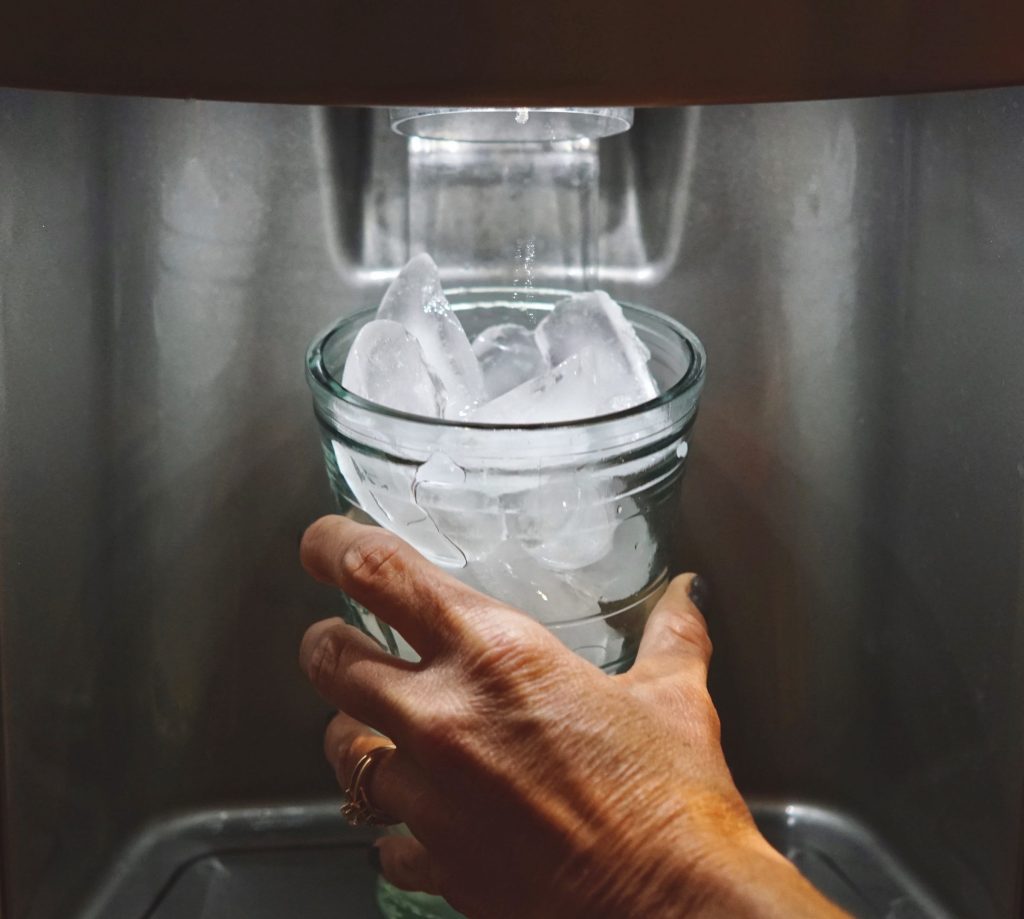
from $195 Ice maker fill & harvest repair
A machine that fills and never releases, or one that never fills at all. Freezing and harvesting are two different halves and they fail for different reasons — which half yours is decides the repair.
- Fill and harvest tested as separate stages
- A frozen fill tube ruled out before any part
- Bin sensor checked, because it causes both complaints
-

from $175 Appliance maintenance
One visit covering every filter, condenser, seal, grille, duct and descale in the kitchen. This row exists to keep the $695 row away, and in a house with a full suite from one maker it is the cheapest money on this site.
- Every appliance in the kitchen on one visit
- Second and third appliance far cheaper than the first
- Written down, so next year starts from a record
-
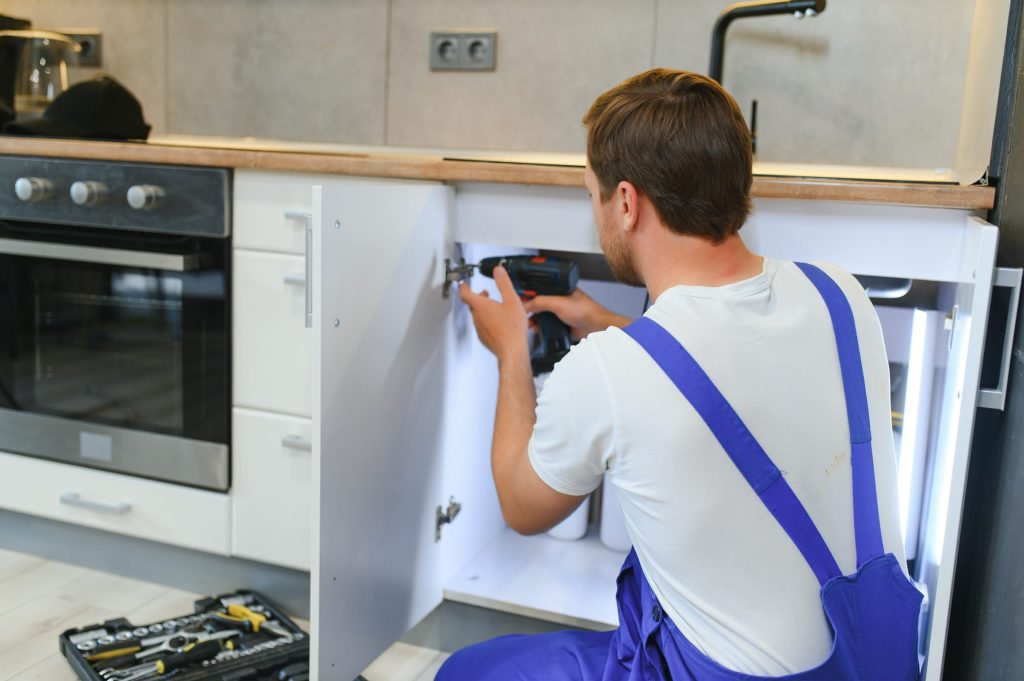
from $225 Appliance installation
Built in, paneled, or both — which is nearly everything on this make. Hanging a cabinet door on an appliance and aligning it to a run is not the same work as sliding something into a gap, and this is where a meaningful share of the repairs on this site are prevented or created.
- Clearances and ventilation to the maker's own instructions
- Cabinet panels hung, aligned and left square
- The mistakes that become service calls, avoided at the start
In more detail
About JennAir refrigerators
Six shapes, one row
Built-in cabinets, panel-ready columns from 18 to 36 inches, French-door and freestanding units, undercounter refrigerators, refrigerated drawers and beverage centers. Fifty-five of the sixty-five refrigeration models in the current line carry the maker's dark Obsidian interior. Thirty-six of them are panel-ready, which means the front you are looking at is your cabinetmaker's and the appliance is behind it.
What we are called out for
- Defrost. The commonest real repair in this category and the one that hides as everything else — a heater, a sensor or a timer that has stopped clearing the evaporator, showing up as a cabinet that slowly drifts warm.
- The evaporator fan, which moves the cold air where it is meant to go and is audible when it is going.
- Thermistors, which are what a cabinet uses to know its own temperature and are cheap to replace and easy to misread.
- The condenser, and specifically a condenser nobody has cleaned since the kitchen was built. In this climate that is maintenance with a service call attached.
- The water path — inlet valve, filter housing, the line to an ice maker or a dispenser — which is where most of the water on a floor comes from.
- The control board, and particularly a board after an outage or a brownout, which South Florida supplies plenty of.
Panel-ready, and what it means for a visit
A panel-ready cabinet has your kitchen's own door on it, hung on the appliance's hinges and carrying its own weight. That affects two things: the door has to come off before some repairs and go back on aligned, and a door that is not closing squarely may be the panel and its hardware rather than the appliance. It is worth mentioning when you book, because it is time we would rather plan than find.
The climate argument, in the maker's own words
The current warranty document excludes, verbatim, "discoloration, rust or oxidation of surfaces resulting from caustic or corrosive environments (e.g., high salt concentrations, high moisture or humidity or exposure to chemicals)". That is not a threat and it does not void anything. It is the manufacturer saying, on its own paper, that a coastal kitchen is a harder place to keep stainless steel than an inland one — which is worth knowing before you buy a cleaner off a shelf.
What to have ready when you call
The model number from the upper left wall inside the fresh-food side, whether the cabinet is built in or freestanding, and what the display or the app is reporting if either of them is saying anything.
This article is based on:
- Official manufacturer documentation
- Internal repair procedures
- Technician repair history
- Company quality standards
Before you book
Questions about JennAir refrigerators
What is a column, and does it change the repair?
A column is a single-temperature cabinet — all refrigerator, or all freezer, or all wine — built into the cabinetry, usually paneled to match it, and usually installed next to another column. It changes the repair in two ways. There is one sealed system in it rather than two, so a warm column is a simpler diagnosis than a warm side of a combination cabinet. And it comes out forwards through your millwork, so the access is planned before the visit rather than found on the day.
The fridge is warm and the freezer is cold. What does that mean?
On a combination cabinet it is one of the most useful sentences you can give us. The freezer does the cooling and air is moved into the fresh-food side, so a cold freezer with a warm refrigerator usually means the air is not arriving — a damper, an evaporator fan, or a defrost problem that has iced the coil solid. It is very rarely the refrigerant, which is the expensive answer people brace for. On two separate columns the same symptom means the opposite: two cabinets, two systems, and the warm one is the one with the problem.
How long should one of these last in Miami?
Longer than the kitchen usually lasts, if the condenser is kept clean. The thing that shortens it here is not age but load: a condenser packed with dust and pet hair in a climate where the machine never gets an easy month. The maker's own refrigeration warranty runs to ten years on the sealed system for a reason — these are cabinets built to be repaired rather than replaced.
There is condensation inside, or around the door. Is that a leak?
Usually not, and this is a South Florida question more than anywhere else. Warm humid air that gets into a cold cabinet leaves its water behind, and in August a door opened often enough will do that on its own. What is worth looking at is whether the gasket is sitting flat all the way round, whether the door is closing square, and whether anything on a shelf is holding it a fraction open. Persistent water in the bottom of the fresh-food side is a different thing and is usually a blocked defrost drain, which is a real repair and a small one.
What does the maker's warranty actually cover on refrigeration?
Three steps, and it is worth knowing which one you are in. Two years, parts and labor. Then the third through fifth year on the cavity liner and the sealed system — compressor, evaporator, condenser, dryer and connecting tubing — with labor still included. Then the sixth through tenth year on that same sealed system, parts only, labor not included. Those are the maker's own words from its own warranty document, not our summary of them.
Where we do it
Across Miami-Dade, Broward, and Palm Beach
Same terms everywhere we go: an on-site diagnostic first, the price agreed in writing, and the exact figure confirmed once we have seen the unit.
Neighborhoods people ask for by name